Financial Team’s Ambitious Fundraising Plans. The team at Wiltshire-based financial advisers Dave Southby Financial Planning have adopted an ambitious 2025 fundraising plan to for four local charities.
Last year (2024) the team raised £5,800 for the Kelly Foundation.That charity supports adults in despair in the Swindon area. They then went on to win the Positive Business Award at the TBE Awards in late 2024. Now they’re going all out to support four charities during this year by raising up to £8,000.
Dave Southby, founder said: ‘When I started the business I always felt that I would want to give back to my community in Wiltshire and also to charities that mean something to me. Now my team has grown, we’ve adopted this as one of our purposes and we plan to up our game even more this year.’
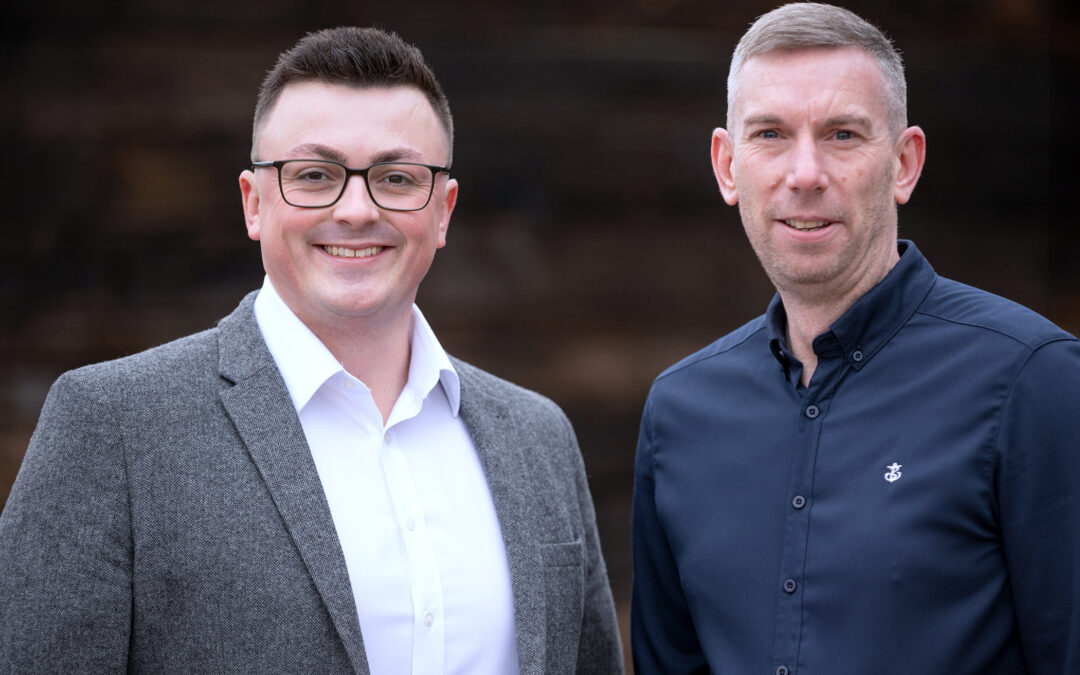
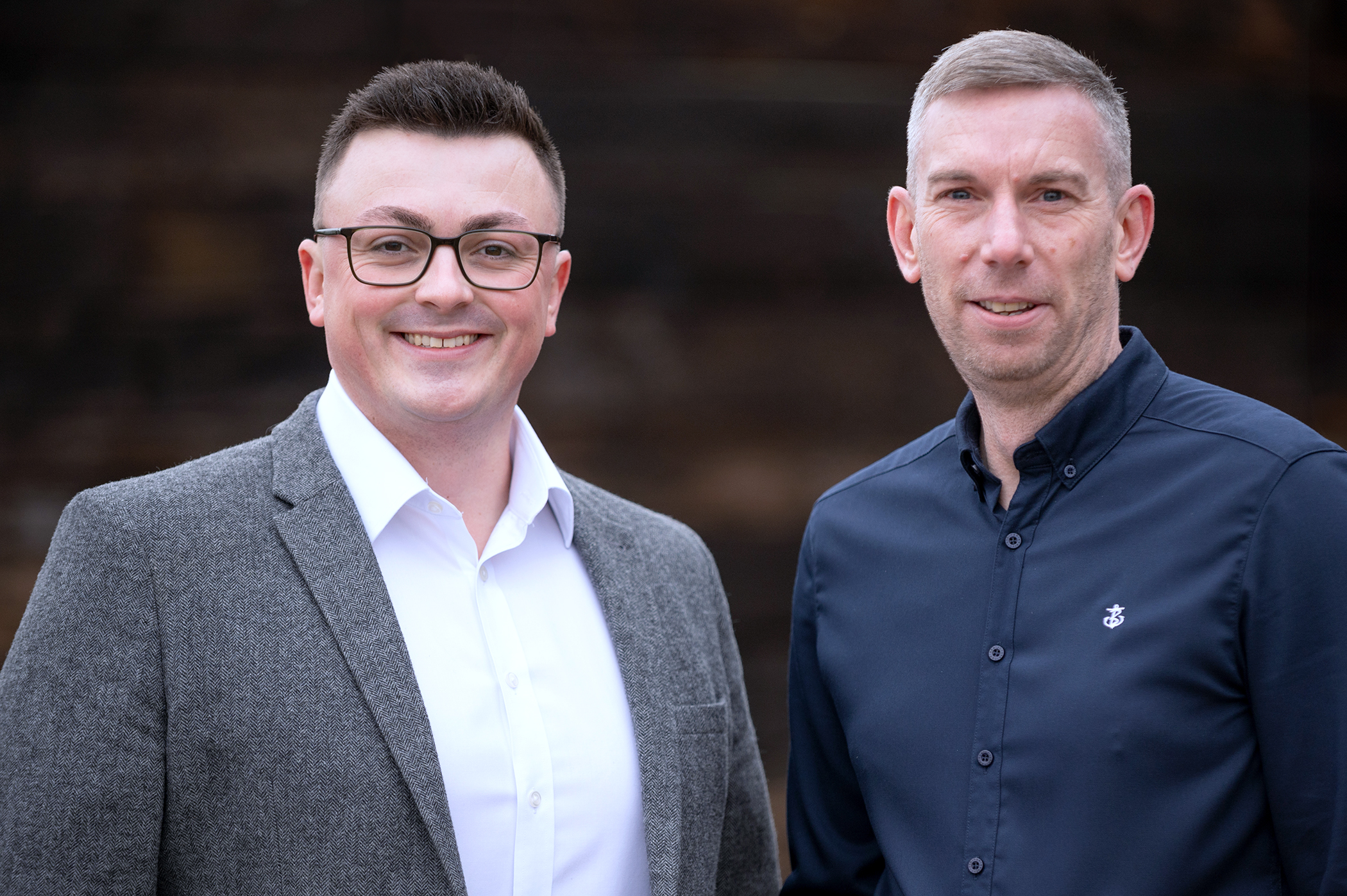
Financial Team’s Ambitious Fundraising Plans – Dave Southby & Neil Sawyer
2025
The year has started with a charity bang as Dave and his team have committed to raising funds for four charities, including continuing to support the Kelly Foundation.
‘This year we want to do even more and support even more community charities who are helping others. We will be raising money ourselves through various activities. We plan to continue to support the Kelly Foundation. And also the work of the local charity CALM (Children’s Cancer & Leukaemia Movement). We intend to donate £750 to the Swindon Toy Appeal for Christmas 2025. And another £750 to the eco project Avon Needs Trees. It’s planting permanent woodland at various sites across the South West, including in Chippenham.’
Fran Robinson is one of the volunteers who gives time to CALM. She said: ‘We’re thrilled Dave Southby Financial Planning has chosen us as one of their charities of the year. Seventeen volunteers run our committee. They’re all people affected by a child dealing with cancer.
Last year the company’s team event was to take part in the Race to the Stones event. And they will be doing the same in July 2025 walking or running up to 100km from Lewknor in Oxfordshire to Avebury in Wiltshire over a 24 hour period.
The team are also celebrating another major achievement as the firm made the shortlist for the title of Adviser Firm of the Year – South West & Wales at the 2025 Professional Adviser Awards.
March sees the announcement of the national winners.
Dave and his team work with individuals, families, and business owners across Swindon and Wiltshire. They help them manage their finances effectively and plan for the future. For more information visit https://www.davesouthbyfp.co.uk/
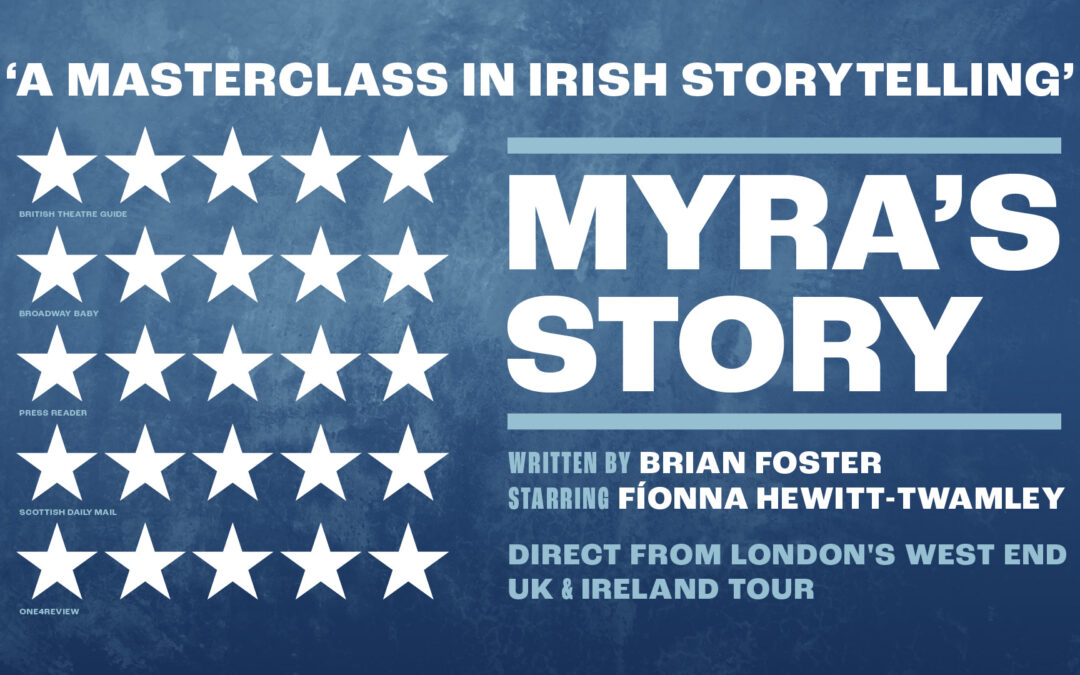
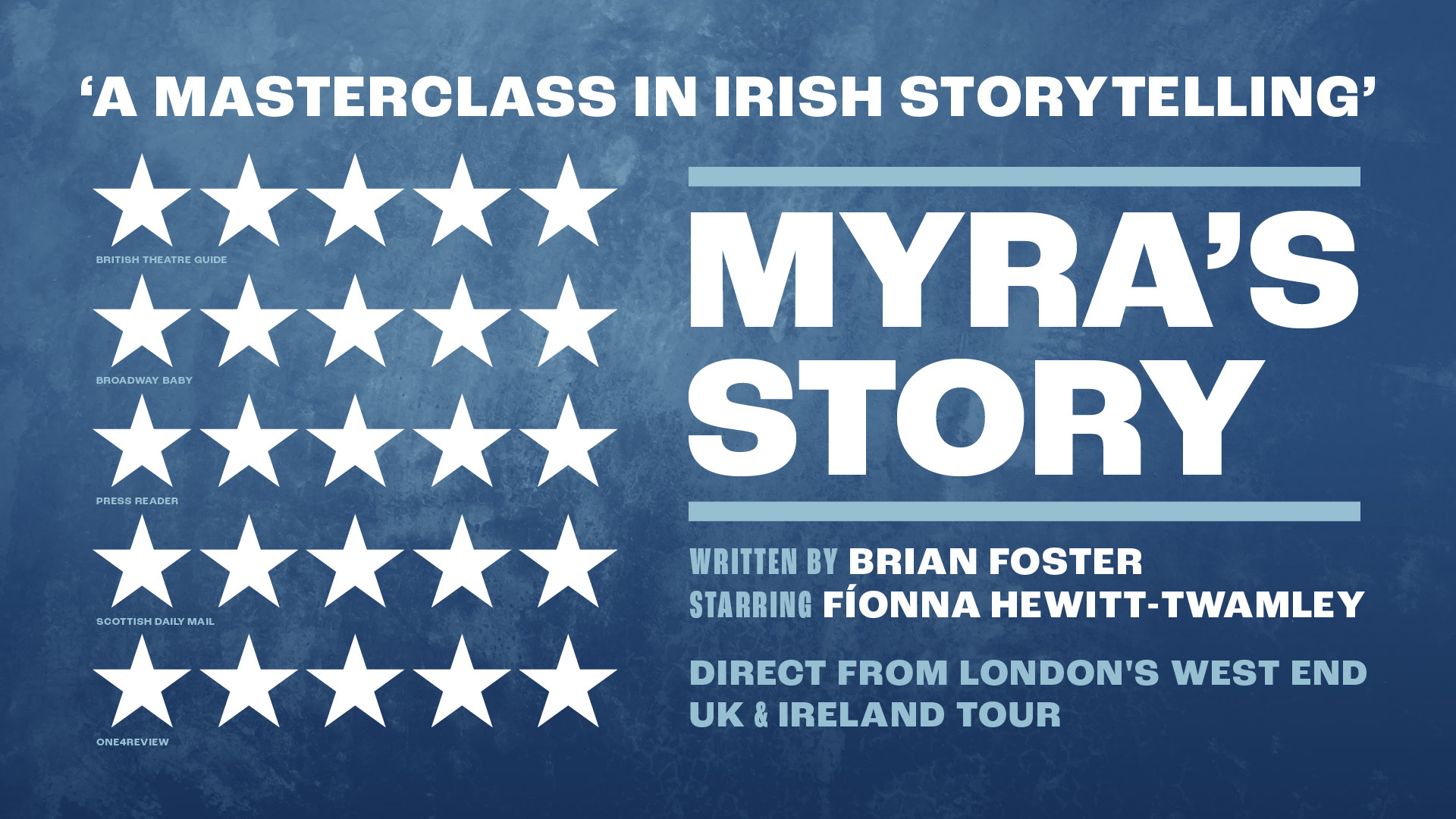
Play Collaborates with Charity. Direct from London’s West End and the four-time smash-hit at the Edinburgh Fringe, Myra’s Story will visit the Wyvern Theatre on Tuesday 4 th February 2025 and is partnering up on the night with local Swindon charity Big Breakfast Plus to raise funds and awareness.
Big Breakfast Plus
Big Breakfast Plus is a small local organisation run by volunteers and assisted by three part-time staff. They serve freshly-cooked breakfasts for those who are homeless, those without cooking facilities, those suffering from food poverty and/or food insecurity and those in distress whether through addiction, health, or other need. The guests are often isolated, because they often exist on the margins of society. There is no referral system. The service is open to all every morning between 7.30am and 9am in the centre of Swindon.
Volunteers from Big Breakfast Plus will be available before and after the show at the Wyvern Theatre. They’ll speak with audience members, provide information about the charity’s initiative and offer insights to how individuals can get involved. The volunteers will be conducting a bucket collection at the end of the performance to raise funds for the charity.
Charlotte Mannion one of the charity’s trustees says: ‘We offer old fashioned hospitality to everyone who needs it. Our values guide us. We’re non-judgemental, we respect human dignity and demonstrate acceptance in all that we do.’
Everyone who walks through our door should feel as if they’re in a normal community café, the only difference being that no money changes hands. We are open every morning with breakfasts cooked to order, table service and friendly volunteers. We offer this to provide a choice for those who often don’t get to choose in any other environment.’
Myra’s Story tells the unforgettable tale of a middle-aged homeless alcoholic struggling to survive on the streets of Dublin as she begs from passers-by on the famous Ha’penny Bridge. Written by Irish playwright Brian Foster and starring acclaimed actor Fíonna Hewitt-Twamley in her “vivid, virtuoso performance” (WhatsOnStage) as Myra who through her gripping performance plays a variety of larger-than-life Dublin characters, in this turbulent piece.
Visual PR Creates Bespoke Studio at new offices. The company uses an innovative approach to help businesses and organisations engage with their audiences with more authenticity. To aid them with this approach they’ve moved to new premises to create a bespoke studio for filming, recording and editing.
The company, founded in 2023 by professional motorsports commentator and public speaking trainer Chris Dawes, has taken over office space on the top floor of accountancy and law firm Optimum Professional Services’ premises at Vicarage Court in Stratton, Swindon.
Chris said the move was another step in the evolution of Visual PR. The business has fast expanded its services beyond its original offering of creating talk or panel show-style broadcasts for clients. Live-streamed or prerecorded they’re available to view and interact with via YouTube and social media channels.
‘Moving to the Optimum building gives us more than triple the space we had before. It’s given us the opportunity to create our own studio for the first time,’ said Chris.
‘Optimum are both our accountants and client. So it’s great to be in the same building. It shows they believe in us and want to help us take the business to the next level.’
Visual PR Creates Bespoke Studio – the Visual PR team, Chris Dawes and Tom Cottam
One thing led to another
Visual PR’s branded programmes, including Optimum’s regular ‘Optimum Live!’, have led on to a whole raft of other marketing services.
The shows themselves, all unscripted and using an engaging and natural interview style, help bring brands to life. They show authenticity and and aren’t overtly promotional. Thus they drive deeper engagement with audiences.
Visual PR used their virtual studio to make the first shows. Now it’s possible to make them on site with a multi-camera setup. Or at at Visual PR’s new studio. And a further option is a hybridwith on-location filming and other guests beamed in remotely.
Choices
‘While we can still go out to our clients to film on-location, they now have the choice to come to us. Then they can take advantage of a purpose-built, dressed space, with comfortable seating,’ said Chris.
‘We’re installing decorative soundproofing which will look good. Much better than the eggbox foam-style product people tend to see. We will also add furniture and decorations to make it look nice, and a media wall, which can display their branding.’
Clients can use videos from the shows for social media posts. Visual PR’s software can edit transcripts to turn them into blogposts and/or copy for social media.
The software can also add captions to the videos and create and send out emails to promote episodes in advance. All this as well as post-show newsletters summarising each episode.
Podcasts
Companies wanting a venue for recording podcasts are also using Visual PR’s new studio.
Chris added: ‘We have scope to take over more space in the building. And that gives us the opportunity to expand further. We have a unique proposition, that more and more organisations are wanting to tap into.’
Visual PR plans to start creating further branded material. That’ll include training videos, webinars and induction videos for new recruits. All to make content more engaging and effective.
Working with Chris in the business is video editor and producer, Tom Cottam, who joined last spring. Chris hopes to recruit more team members during 2025.
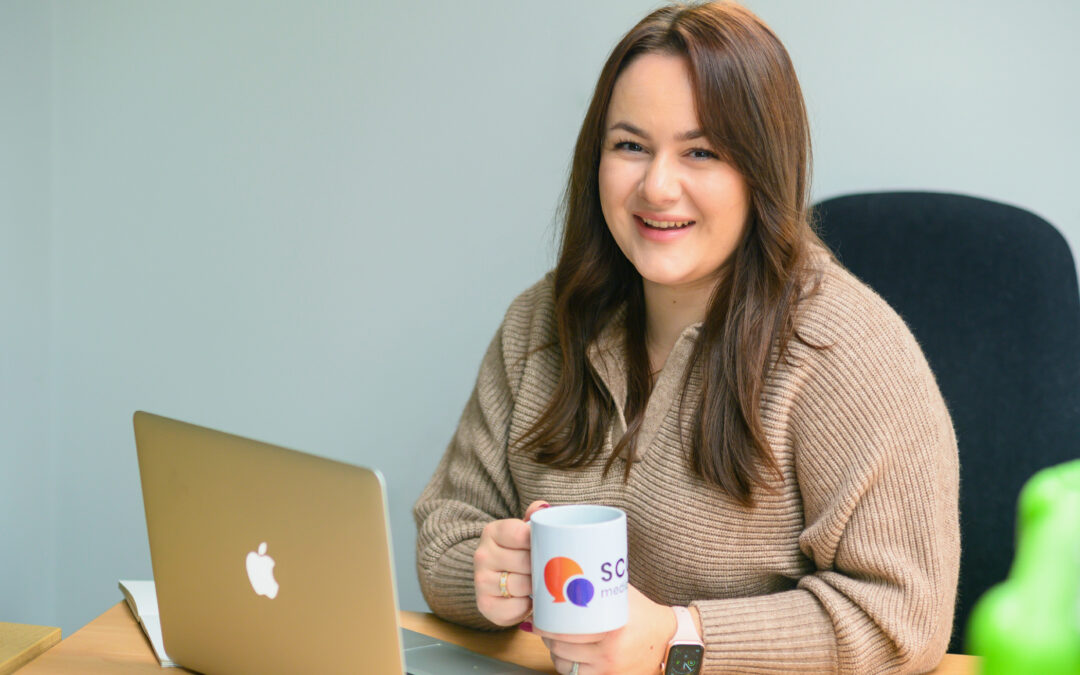
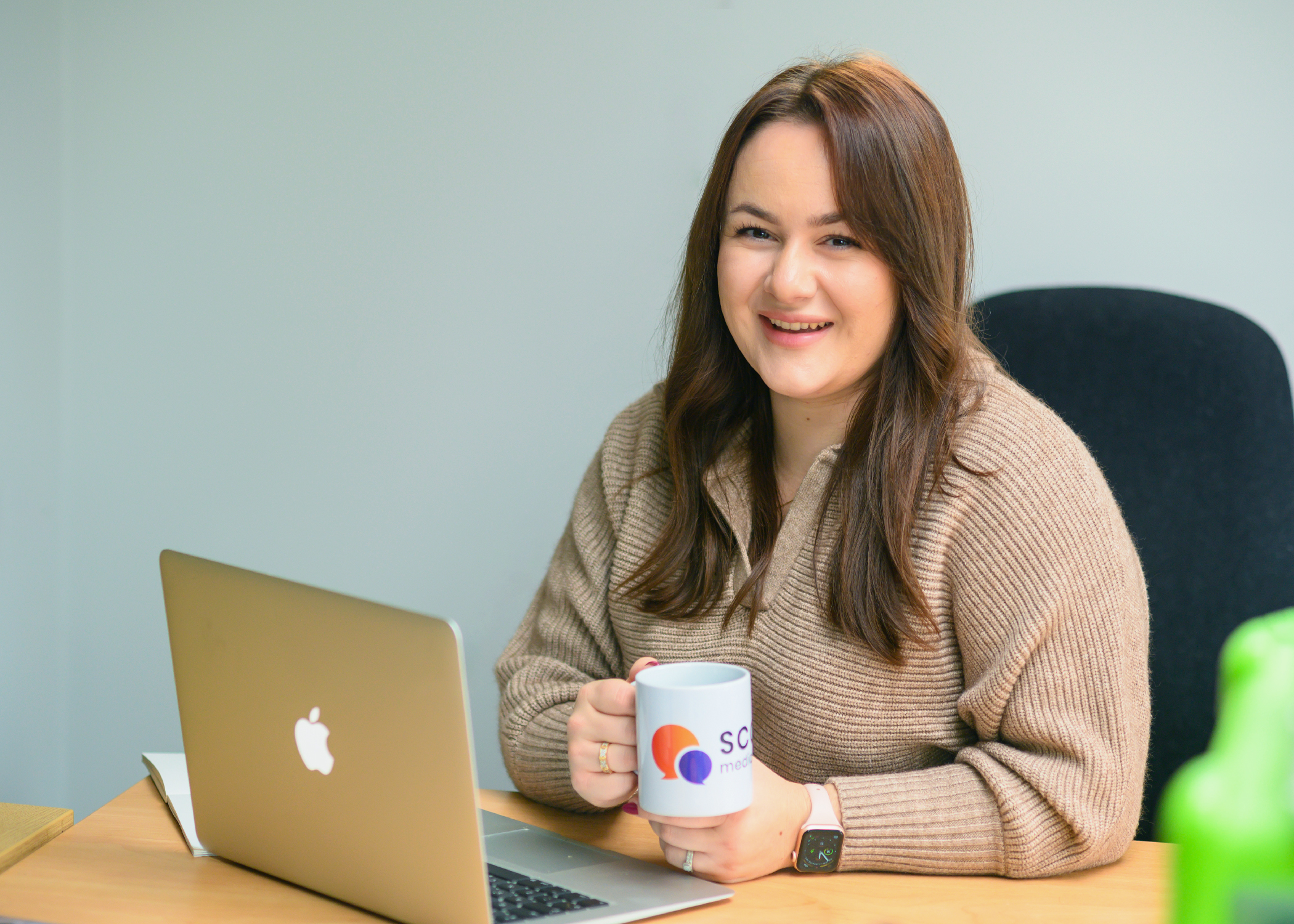
1 Year Milestone for Lauren. Media consultant Lauren Roberts is marking a year since she changed careers and joined her stepmother at Swindon-based Scott Media.
Lauren, who began working with media expert Fiona Scott on a part-time basis, helping to manage an ever-increasing workload in the business, has already expanded her hours.
As well as assisting Fiona with the day-to-day workload, she’s helped launched Scott Media Speakers. That’s a platform to give clients another way of raising their profile, through speaking engagements. She also supports Fiona with events. Including such things as next month’s No BS PR summit in Swindon, giving delegates access to national journalists.
1 Year Milestone for Lauren – lauren roberts
Flexing muscles
The move to PR has enabled Lauren, who worked in credit control, to flex her creative muscles, after taking time out to have a baby. So far, she’s loving it!
I’m amazed at how fast paced it is, and the year has been a whirlwind,’ said Lauren. “I’ve discovered that PR is more than getting a headline or shouting the loudest. It’s about telling a story that actually connects with people. I’ve learned how powerful it is to craft something authentic that resonates.
And I’ve learnt to pause and celebrate wins, whether it’s landing a great piece of coverage or launching a new project. It’s easy to move straight to the next thing, but those moments of recognition – big or small – are what keep us motivated.’
Lauren has also found working with her stepmother surprisingly easy. ‘Fiona has been an incredible mentor, and I’ve learned so much from her, with so much more to learn. Plus, there’s an extra layer of trust and comfort when you’re working alongside someone you know so well.’
Lauren’s confidence has grown so much that she’s now an ambassador for the networking group Business Buzz, in Chippenham.
‘Fiona came to our meeting in December. It was the first time we’ve networked together and I so enjoyed it.’
Fiona added: ‘Lauren has made a great start in PR and is an invaluable addition to Scott Media. I’ve enjoyed watching her progress and working alongside her. And I know she’s going to thrive in this very fast-paced industry.’
Scott Media specialises in supporting businesses and entrepreneurs with their PR and works with organisations across the UK. For more about Scott Media visit https://scottmedia.uk/
Swindon Theatres is proud to announce the launch of a brand-new community initiative, the Memory Project. It’s sponsored by Arts Council England. The Memory Project will run alongside their popular Memory Cafe, Memory Cinema and Memory Sing sessions. They occur every month at both the Wyvern Theatre and Swindon Arts Centre.
The Memory Project will consist of a year of free, weekly drama workshops for people living with dementia. And also their core carer and local young artists using live music and storytelling.
Oli Webb, Creative Learning Manager and Chair of the Swindon Dementia Action Alliance said ‘We consulted with:
30 families with lived experience
The Swindon Dementia Action Alliance, and other needs groups in Swindon.
With them we discussed the idea of creating a piece of theatre to use the real experiences of people in Swindon living with dementia. There’s lots of research around the use of art, music and dance being beneficial to those living with Dementia. But, it’s notable that there’s much less around drama and theatre. We hope this year of workshops will add to the evidence pool and help other groups create something new.’
Swindon Theatres launches Memory Project
About the sessions
The free sessions will use drama, clowning, storytelling, and verbatim exercises to explore the relationships between three key communities – people living with dementia, carers, and young artists. The young artists will work with people most likely to be much older than them. This will create intergenerational connections and help the project have relevance to all ages.