A Swindon primary school is celebrating a successful first year of working with Revolution Performing Arts (RPA).The collaboration gives pupils the opportunity to build confidence and express themselves through singing, dancing and drama.
RPA began delivering weekly sessions at Gorse Hill Primary School in October 2025. And around 20 children now attend the hour-long class each week.
Founder Fi Da Silva-Adams has watched the group grow in confidence over the last 12 months. All culminating in the children performing alongside other RPA groups at Swindon’s Wyvern Theatre in July.
‘We have some little ones who wouldn’t sing in front of their friends at first. So, we’d find ways to make it feel less daunting while still giving them their moment in the spotlight,’ said Fi.
‘Over time we’ve watched that confidence grow and they’ve started to love performing. They’re such an expressive group of young people. And seeing them discover what they’re capable of has been glorious.’
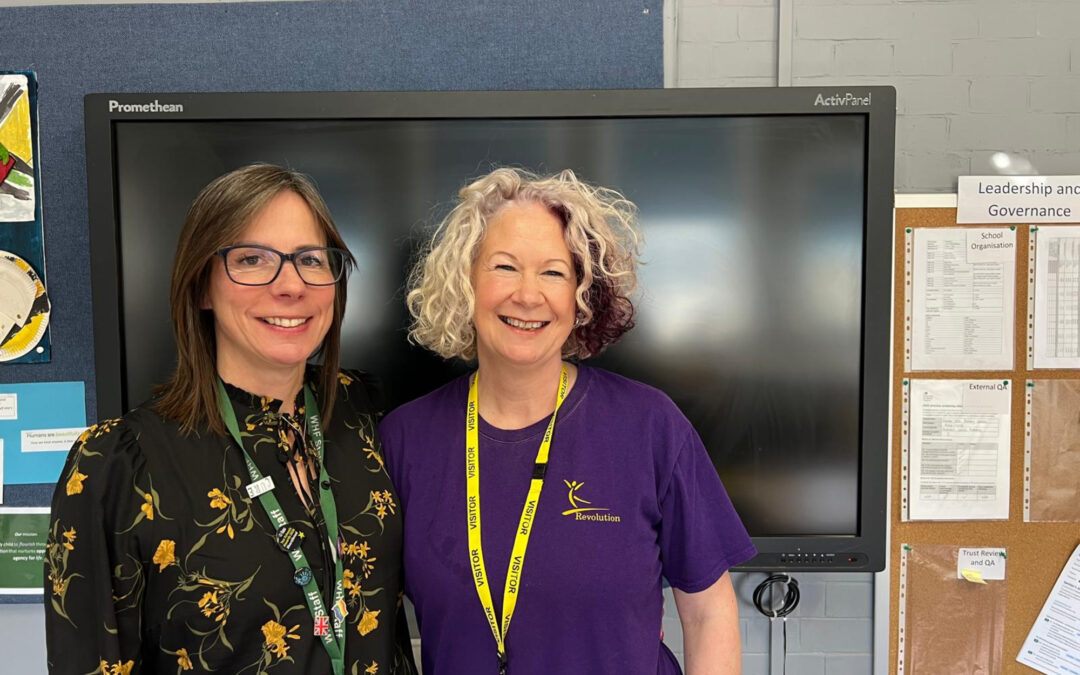
Swindon School Performing Arts Partnership – Fiona Da Silva Adams and Candida Hutchinson
Leading the sessions
RPA leader Angel, supported by assistant Eris, led the sessions. They offered pupils an alternative to some of the school’s more sports-focused extracurricular activities.
Gorse Hill headteacher Candida Hutchinson said the number of children taking part has increased during the year. And she’s seen the difference the sessions have made.
‘Lots of the clubs we have are sports-linked, and not every child is sporty. We wanted to offer something different. An opportunity for children to shine in another way,’ she said.
‘Seeing them perform at the Wyvern was super special. Having the opportunity to perform on a stage like that is a fantastic experience for the children.
‘As a school, we’re very much about supporting children to have high aspirations. And see that anything is available to them, and that they also have a lot to give.’
Candida said the RPA sessions have also attracted a particularly diverse group of pupils. They’re among the school’s clubs most representative of its wider school community.
A long-standing relationship
Fi and Candida first met while working Saturday jobs together at the Swiss Chalet in Swindon’s Brunel shopping centre. And their professional paths have crossed several times since.
‘I love the relationship we have with Gorse Hill and the energy in the school. It’s so warm and welcoming,’ said Fi. “Watching the partnership grow and knowing we’re helping more young people experience performing arts is so special.’
The children are now preparing for a Christmas sharing for their families before beginning work towards their next RPA show on May 23, 2027.
RPA is keen to hear from other schools interested in introducing performing arts opportunities for their pupils.
‘Working with schools allows us to reach children who might never think about joining a performing arts class outside school,’ said Fi. “We’d love to work with more schools. And give more young people the chance to sing, dance, act and find something they love.’
Founded in 2007 by Fi Da Silva-Adams, Revolution Performing Arts delivers more than 1,200 performing arts sessions every year across Swindon, North Wiltshire, Oxfordshire and Gloucestershire. Through its:
weekly classes
school partnerships and …
holiday provision … RPA helps children and young people build confidence through singing, dancing and drama.
The Wyvern Theatre has climbed up the beanstalk and welcomed their ‘Giant’ 2026 Panto cast to Swindon. All for the official launch of Jack and the Beanstalk. And it was all the fun of the farm as cast members gathered at the local, family-run Roves Farm for a photoshoot and day full of pantomime mischief.
Panto Launches at Roves Farm
Set against the backdrop of the beautiful Wiltshire countryside, the cast, including this year’s stars:
Richie Anderson
Jamie Leahey
Finlay McKillop
Mia Jae
Rachael Kendall Brown
and Richard Foster King embraced everything the farm had to offer. They donned their colourful costumes and embraced everything the farm had to offer.
Down on the farm
No visit would be complete without meeting the animals. And the cast managed to get up close to Roves Farm’s newest and tiniest arrival, a one-day-old calf! Meanwhile, Jamie Leahey and Chuck the Chicken were particularly keen to make some new feathered friends. So they paid a visit to the chickens and got into the full farmyard spirit.
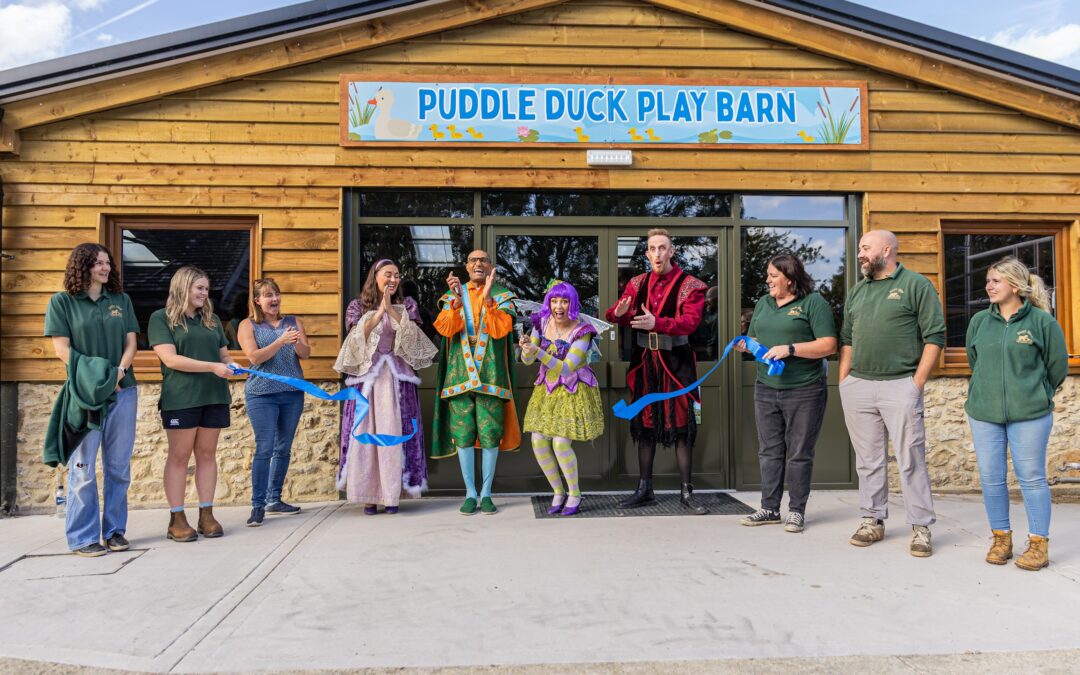
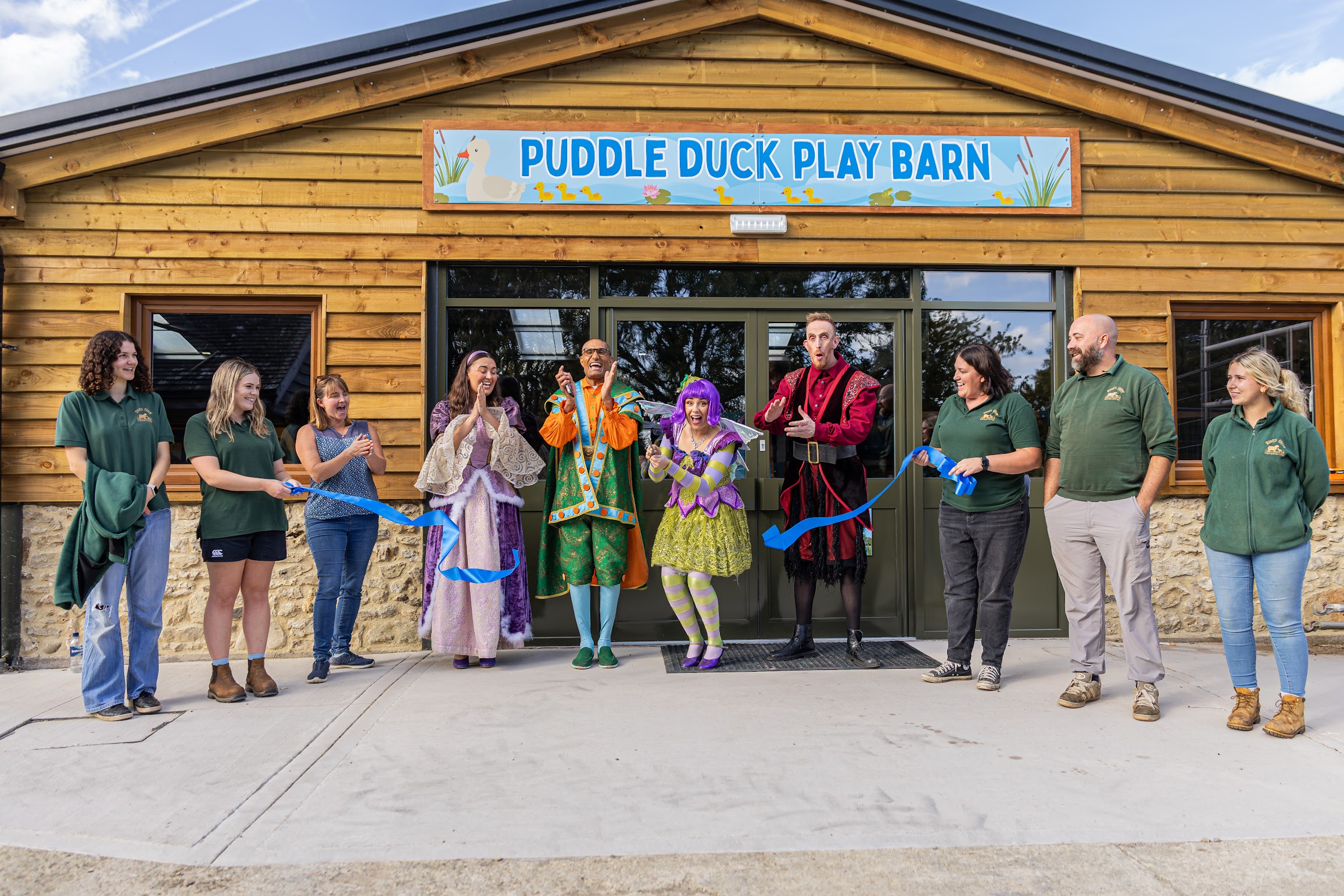
The cast and some unsuspecting members of the public then hopped aboard a tractor for a scenic ride around the farm. They took in the sights and enjoyed plenty of laughs along the way. The day then continued with a ribbon cutting as the cast performed the official opening of the brand-new Puddle Duck Play Barn. Adding to the excitement, the cast also climbed aboard the iconic green Barnes Coach for their journey to and from the farm. Travelling in true Swindon style for their giant day out!
The Wyvern theatre panto 2026 cast at Roves Farm
An epic journey
This Christmas, join brave young Jack as he swaps his cow for a handful of magic beans. Thus sparking an epic journey to the land of giants. Expect dazzling sets, show-stopping songs, plenty of audience participation, and more panto magic than you can shake a bean at! Starring BBC Radio 2’s Richie Anderson, Britain’s Got Talent’s Jamie Leahey and Swindon’s favourite panto dame David Ashley.
This year’s pantomime promises to be bigger, bolder, and funnier than ever. Whether you’re a panto regular or brand new to the tradition, this is the festive treat you won’t want to miss. Book your tickets now for this ‘moo-vellous’ family friendly panto which will leave everyone aged 4 to 104 feeling full of ‘beans’!
Imagine Theatre are the producers of Jack and the Beanstalk. And the production is sponsored by national pantomime sponsor Stagecoach. Find out more about Stagecoach here: https://www.stagecoach.co.uk/
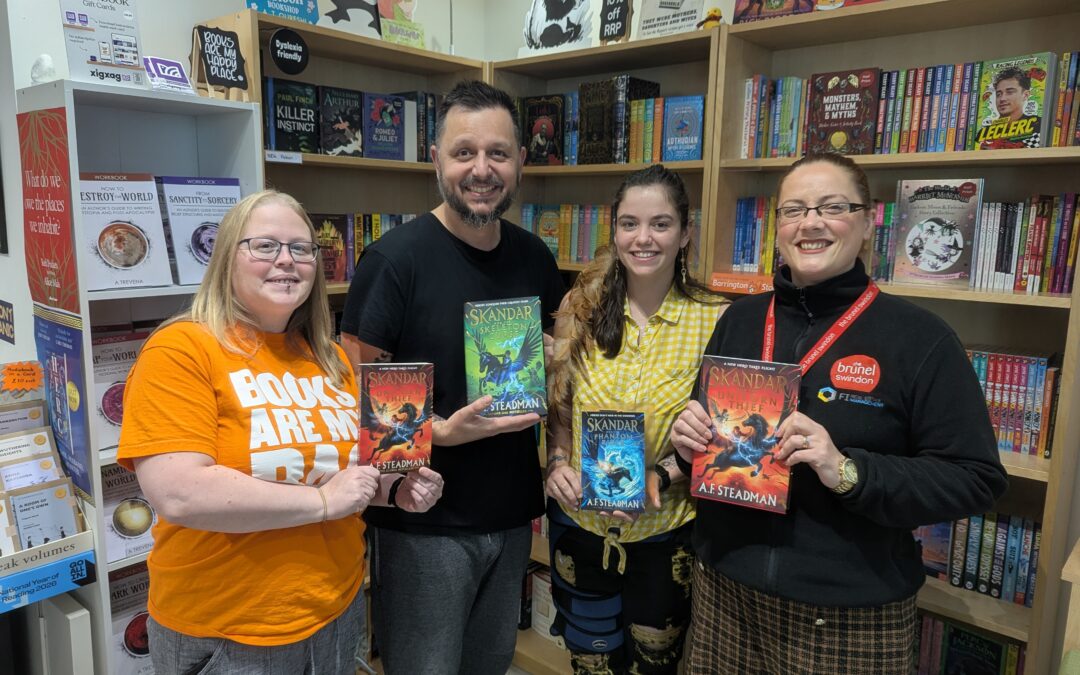
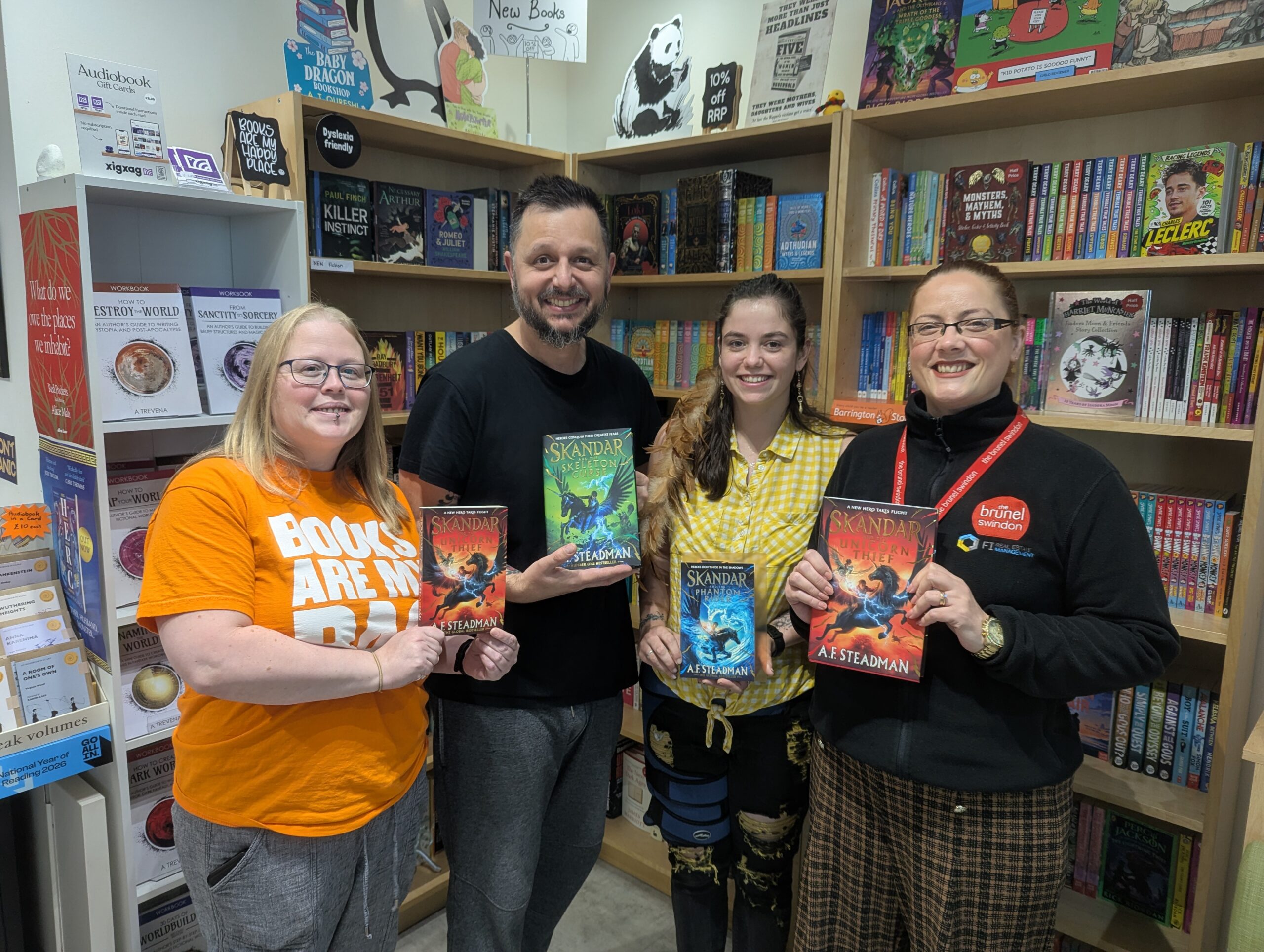
Half-term Skandar book trail launches at The Brunel Swindon.
Calling all young adventurers! Unleash your elemental magic with a thrilling Skandar trail this October half-term at The Brunel Swindon!
The shopping centre is gearing up for action-packed holiday fun from Saturday 24 October to Sunday 1 November 2026. It’s teaming up with Swindon Story Shed and the National Literacy Trust to stage an immersive, fantasy-inspired quest. It’s all based on the bestselling book series by A.F. Steadman.
About the event
The event’s aimed at fantasy book lovers and fans of the Skandar series. The interactive trail around The Brunel invites young readers and aspiring heroes to step into the magical, high-stakes world of Steadman’s stories.
The trail kicks off at the Swindon Story Shed, upstairs in the Brunel. There youngsters will be tasked to solve a riddle linked to one of the five core elements. Each time a riddle gets solved, the participants receive a card. And, once all five cards have been collected, trail hunters will return to the Swindon Story Shed. There they’ll claim their well-earned prize: a copy of one of the Skandar books or a super stationery pack*.
We’re thrilled to partner with Swindon Story Shed and the National Literacy Trust. Together we’re bringing an imaginative and exciting experience to The Brunel this October half-term,’ said a spokesperson for The Brunel Swindon. ‘The Skandar series has captured the hearts and minds of so many young readers. And we cannot wait to see families explore the centre, solve the riddles and dive into a world of elemental magic. Then reap the reward of a great prize.’
Debi Phillips, of Swindon Story Shed, said: ‘The team have loved the Skandar series since the very first publisher proof of book one. With all its colourful characters, elemental magic, and bloodthirsty unicorns – the island was definitely calling us! We’re so excited to be part of this unique quest. And we look forward to meeting all the new unicorn riders this October half term.’
Half-term Skandar book trail launches at the Brunel Centre
The Skander series
The Skandar series, published by Simon & Schuster Children’s Books follows the journey of the young, eponymous hero. He dreams of becoming a rider to fierce, winged, and bloodthirsty unicorns. Riders wield magic linked to Fire, Water, Air, or Earth. That’s until Skandar discovers his unicorn is secretly bound to a forbidden fifth element: Spirit. Launched in 2022, this bestselling series has captivated young readers. And many adults too, worldwide.
kandar’s publishers, Simon & Schuster Children’s Books, and the author Annabel Steadman herself are also excited about the planned quest.
Annabel commented: ‘What an absolute joy to see the world of Skandar brought to life in Swindon this half-term. It’s so important to meet children where they are. And with the incredible dream-team of:
Swindon Story Shed
the National Literacy Trust
and S&S Children’s Books – alongside the enthusiasm of Brunel Shopping Centre, this treasure trail will inspire so many new readers in the area.’
More info
Since first hitting shelves in 2022, Steadman’s blockbusting Skandar series has sold 650,000 copies in the UK (TCM) and over 1.5m copies across the globe.
Translate into 48 languages, the series has won and been on shortlists for awards around the world. And in 2026 A.F. Steadman found herself named Author of the Year at the British Book Awards.
Earlier this year Simon & Schuster donated 30,000 Skandar books to the National Literacy Trust. And created new editions of the full Skandar series with new character-led Go All In covers to support the National Year of Reading.
*Prizes are first come, first served, while stocks last.
Victoria Jenkins, author, designer, fashion expert and entrepreneur is one of two keynote speakers at The Care Show Swindon, taking place this month.
The Care Show Swindon is the South West’s premier health and social care expo. It’s the place where care industry professionals, suppliers, and service providers gather to share their insights and expertise. This all-day event brings information and knowledge to relevant businesses and members of the public.
The afternoon speaker
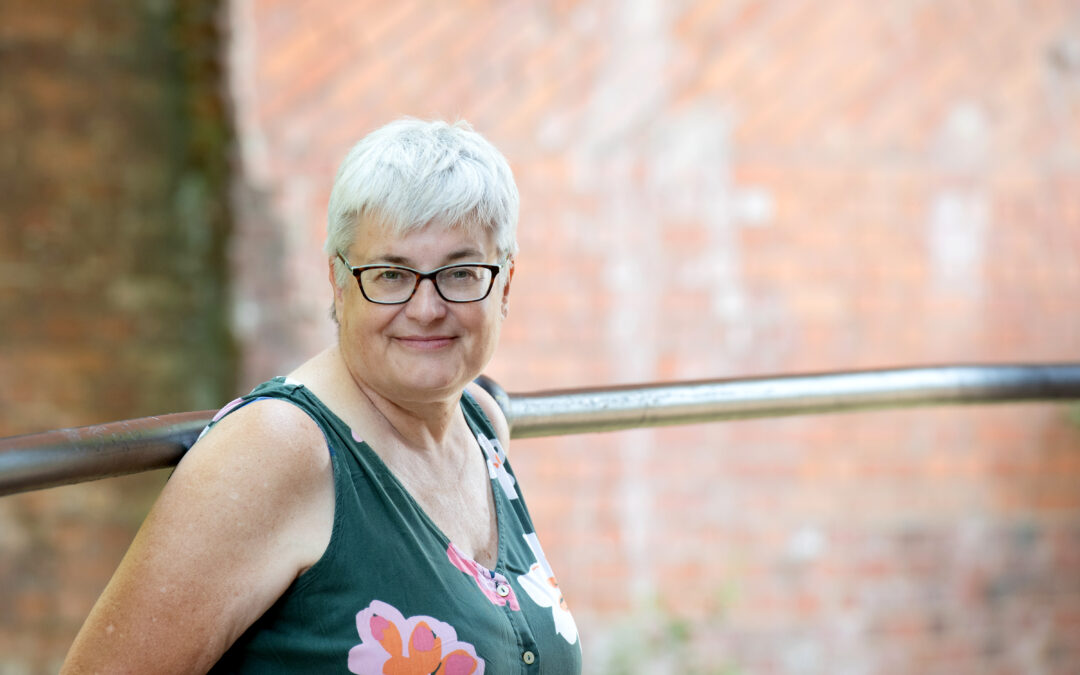
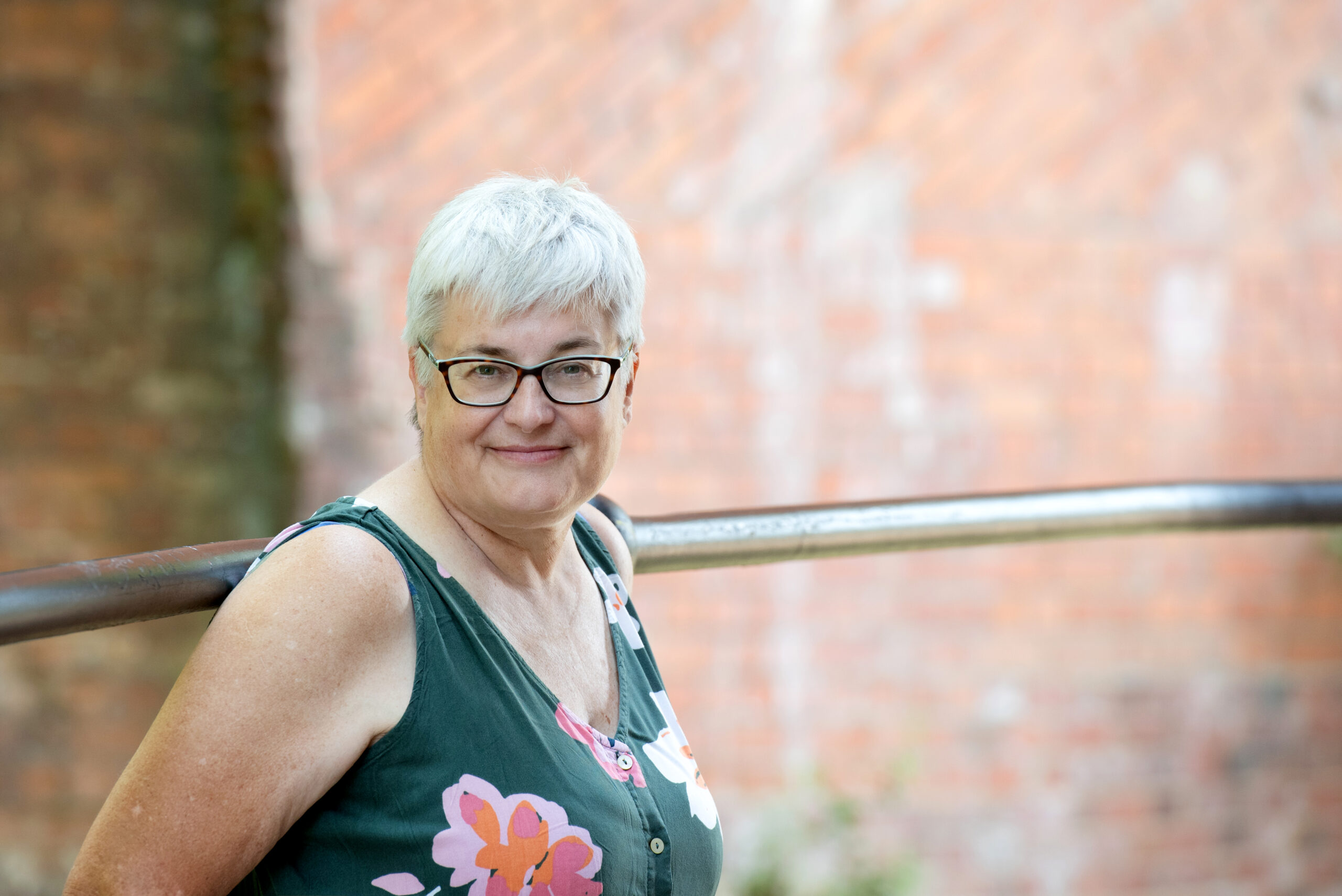
Victoria Jenkins, founder of Unhidden, is the afternoon keynote speaker at The Care Show 2026. Victoria (40) has a paralysed stomach, diseased intestines and has chronic pain.
As a disabled person, Victoria found it difficult to find clothes that fit her, so, she made them. Unhidden is now an award-winning adaptive and universally designed fashion brand. It became the first adaptive brand to gain membership at the British Fashion Council.
For Victoria, it’s important to speak at The Care Show.
‘Before I even launched Unhidden, I realised I needed to be creative in reaching people. As well as getting industry people on side. I realized I had to do it by demonstrating the demand for adaptive products and what steps they can take to include us,’ she said.
Victoria has been speaking about adaptive fashion and disability inclusion since 2020. At the Care Show she’ll talk about adaptive fashion, how it can help a range of disabilities, and her journey to creating Unhidden.
I’ve followed Victoria for a while. I admired the hard work she does to make sure that inclusion and accessibility are a part of everyone’s everyday life,’ said Hannah Edwards, co-owner of The Care Show.
‘I love her work and commitment to adaptability. It was a no-brainer to invite her to speak to The Care Show. Fashion is often seen as an inaccessible industry.’
Adaptability on Show at Care Show – Victoria Jenkins
Long experience
Victoria has sixteen-years’ experience in the fashion industry and is on a mission to normalise inclusive design. In 2023, she achieved recognition as one of Vogue’s twenty-five most influential Powerhouse Women. She’s appeared as a guest judge on:
The Great British Sewing Bee
expert presenting on C4’s Unique Boutique
and Dragon’s Den.
Victoria’s urges The Care Show attendees, looking for support and facing adversity, to find community.
‘Whether that’s online or in person, there are all sorts of groups and resources,’ she said. ‘Don’t keep it all in and to yourself. There are individuals who care about supporting people and advocating for a better future. It’s a matter of taking that first step. You’re not alone.’
Victoria Jenkins will join Becky Wall BEM, co-owner of the Loo of the Year Awards, as The Care Show’s keynote speakers.
‘Her attendance is special. It’s a pleasure to welcome her to The Care Show. We can’t wait to raise awareness of her work, and her inspiring journey from hospital to successful entrepreneur,’ concluded Hannah.
The Care Show Swindon takes place on Saturday 10th October 2026 at New College Swindon, Queens Drive from 10am to 2pm. To book your attendance for free, visit: https://www.thecareshow.co.uk/
Leading PR agency Scott Media has announced the launch of ‘PR Unpacked’. It’s a new series of four hands-on workshops designed to help business owners master the fundamentals of public relations.
Led by PR expert Fiona Scott, she’s tailored the interactive sessions for individuals who want to:
take control of their own PR
better understand how the media operates
and learn what high-impact PR looks like in practice.
When and where
The programme will run in Royal Wootton Bassett in January and February 2027.It’s open to any businesses, from sole traders and start-ups to established organisations, and even marketing professionals looking to elevate their brand profile.
Workshops Shine Spotlight on PR – Fiona Scott
‘Public relations can often feel like a mystery to many business owners. But anyone can learn how to tell their story in an effective way if they know where to start,’ said Fiona Scott. ‘I created the PR Unpacked series to give entrepreneurs and marketers the practical tools, confidence, and knowledge they need to handle their own PR. And to do it with successful and build lasting credibility.’
The workshop schedule begins with ‘Find Your Stories’. This segment focuses on:
identifying newsworthy angles within a business
understanding what journalists actually want
and aligning PR efforts with overarching business goals.
Workshop two, ‘Write Your Stories’, explains how to craft compelling press releases and pitches while avoiding common pitfalls that cause journalists to hit delete.
Following that is ‘Send Your Stories’. This section covers:
media outreach strategies
finding and contacting journalists across print, radio, TV, and podcasts
and building an effective media list.
The series concludes with ‘Work Your Stories’. Here, delegates will explore how to leverage earned coverage to build credibility, amplify PR across websites and social media channels, and maintain long-term momentum.
There’s a limit of six persons in each group. Attendees can choose individual workshops or book on for all four. Each workshop is £99 plus VAT, while booking all four is available at £300 plus VAT.
The workshops run from 9.30am-12.30pm, followed by a light lunch.