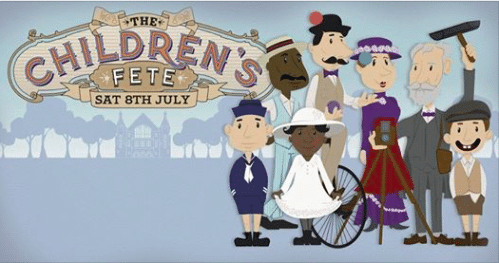
‘The Children’s Fete is Swindon’s oldest summer event, dating back to 1866. Organised by the Mechanics’ Institution, it ran until 1939 with the outbreak of the Second World War. The tradition was revived by the Mechanics’ Institution Trust in 2003 and has run since.
The most popular tradition was the cutting of the cake, a tradition which the Trust still maintains by providing a free piece of cake to all children on the day.
The event has become a popular and recognisable part of Swindon’s calendar once again.’
In 2106, as part of Swindon’s 175 Celebrations, the MIT staged an AWESOME Children’s Fete
And they want to stage it again this year – 2017. But they need your help. This is taken from the Facebook event:
‘After a very special 150th Anniversary event in 2016, which coincided with the 175th Anniversary of ‘New Swindon’ and had over 8,000 people attending, the Mechanics’ Institution Trust, Swindon is pleased to announce that Swindon’s oldest community and cultural event is taking place again for 2017!
THE CHILDREN’S FETE 2017 ‘A Community Celebration of Swindon’s Culture & Heritage’
Saturday 8th July from 12pm to 8pm
The event will take place in the GWR Park on Faringdon Road where various amusements will take place for the entertainment of young and old.
INCLUDING: Circus entertainment by Falding’s Fandangos Arts and Crafts by Artsite Kidz
Dance from the Global Group of Unity
Live Music by Swindon Shuffle
PLUS LOTS OF OTHER ENTERTAINMENT INCLUDING SPORTS, FUNFAIR AND OTHER FUN.
Cake will be given out to the children and refreshments provided at moderate charges.
This is a FREE town-wide event for all ages… Please share this with your friends and family.’
Dig deep
As I’m sure you can imagine fetes like this cost a lot of money to put on. This year they need £15,000. 8-10,00 people attended last year’s. If everyone one of those people donated just £1 that would go a long way. £2 each and job done! Or if only 500 people give £10 each that’s also job done.
It’s important that this event is free to attend so that children from all backgrounds can enjoy this town-wide celebration, therefore we can’t rely on ticket sales to cover our costs.
Costs of holding the event (things like toilets, security, insurance, first aid cover etc) have gone up significantly in recent years meaning the event now costs thousands of pounds every year to take place. We’ve were fortunate in receiving a grant from the Big Lottery last year which covered most of the main costs, but we are unable to apply two years running. ‘
After last year’s fete one little boy said it had been the best day of his life! How fantastic is that?
So please, help make the 2017 children’s fete the best day of another child’s life and contribute was you can. As a well-known supermarket says: ‘Every little helps.’
When I first started this blog I was familiar with the work of Ken White. As time went by, and due entirely to Katie Hopkins (it’s a long story which I’m prepared to dine out on. 😉 ) I came across David Bent.
Since then I’ve got to know Caroline Day, Susan Carr and Terry Humphries, the lovely people at Artiste and the Post Modern and Tim Carroll. Most of them have been represented on this blog with the exception of Tim Carroll. And that situation must be adressed soon.
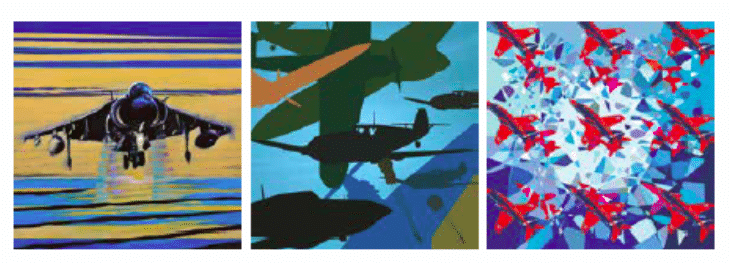
This post though features David Bent. Because I wanted to mention that he’s exhibiting at London’s RAF Club during July and August 2017.
I must stress that this exhibition is hosted by the RAF club for their members. But don’t despair! Many of the pieces can be seen in Swindon – the Swindon Open Studios event is a perfect opportunity. Indeed a number of the originals can be seen at Open Studios – something that David has taken part in since 2002.
Aside from the that private visits can be arranged to David’s studio or there’s his website: http://davidbentstudio.com
David’s had lots of local exhibitions including: The Great Western Hospital , Open Studios, Radnor Street Chapel and Artsite. Not that this is the first time he’s gone beyond the SBC boundary! 😉
This painting was also included in the exhibition at the RAF Museum , London 2012 – 2013 that David and his lovely wife took 60 kids from Churchfields Academy too … & introduced them to the Red Arrows. Lucky them!
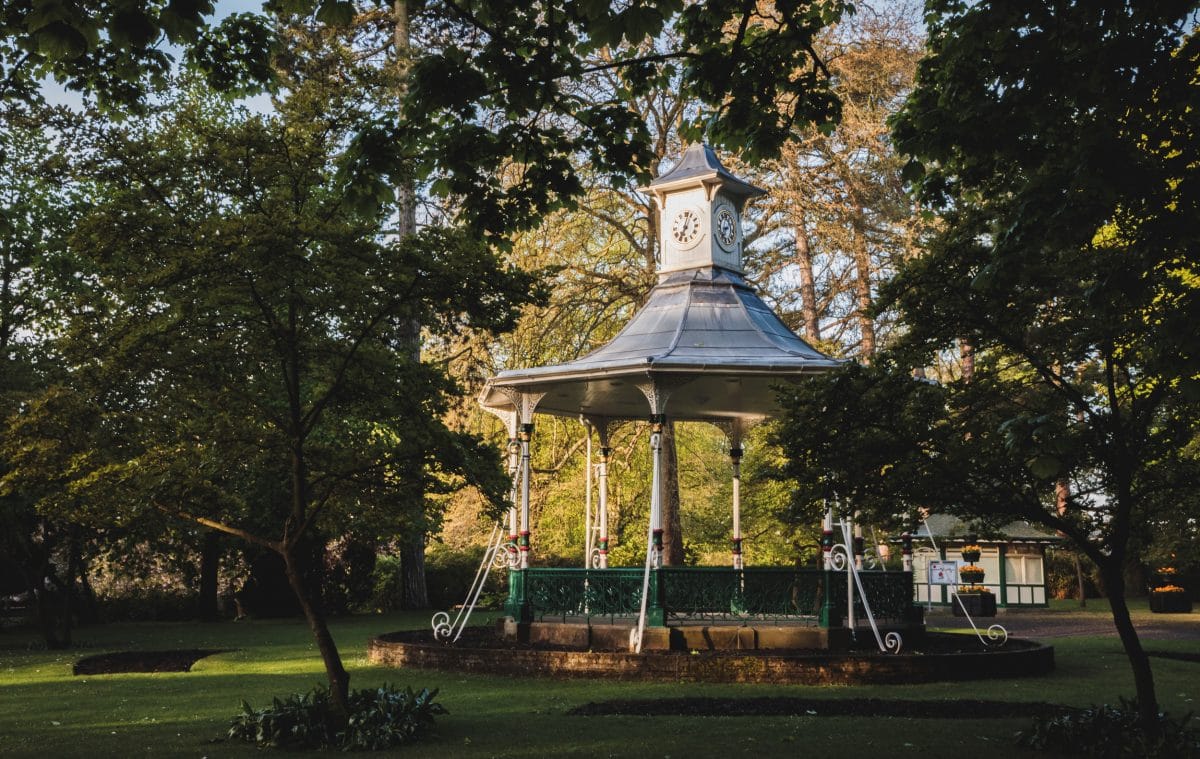
The Grade II listed bandstand in Town Gardens – its history goes back to 1894. It was made in the Elmbank Foundry in Glasgow.The pavilion kiosk cafe in Swindon town gardens
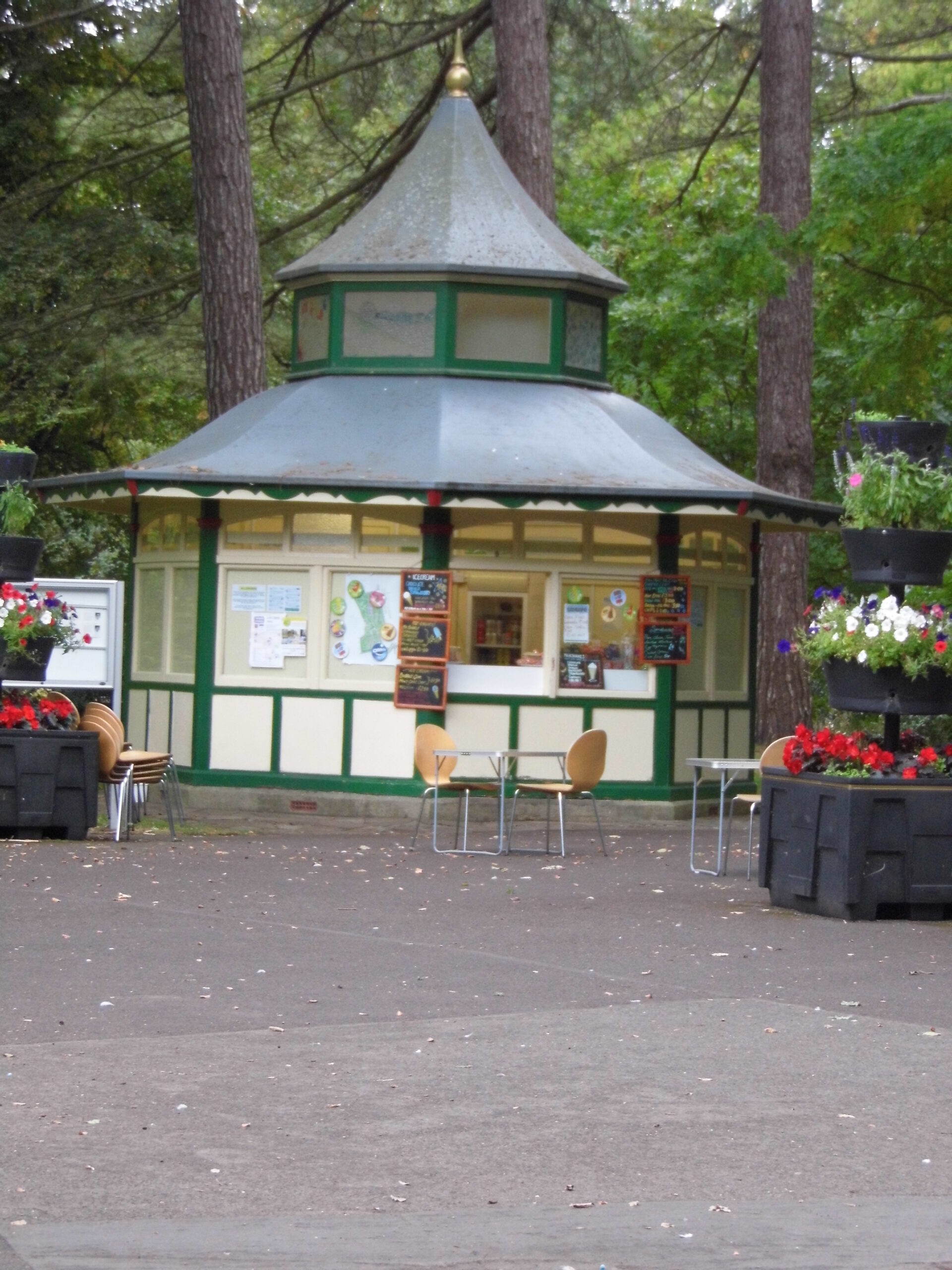
There’s an interesting chunk of history attached to the cafe in Town Gardens. Made in the Works, in 1914, this small octagonal structure began life as as advertising trade stand. As such it appeared in many large agricultural shows and exhibitions up and down the land. Easy to erect it could be carried in a normal railway wagon.
In 1942, after lying unused for many years in the GWR stores, Swindon Borough Council bought it and erected it in Town Gardens as a cafe.
Thus this structure serves as a physical link between the New Swindon and the old.
A bounty of beautiful green spaces
As I’ve mentioned on this blog more than once – Swindon is blessed with some wonderful green spaces. The Swindon Town Gardens up in Old Town being one of them.
So what can we say about the gardens? Well, according to Parks and Gardens.Org our Town Gardens ‘were laid out in the late-19th and early-20th centuries on the undulating Okus Field. The site of old stone quarries once owned by the Goddard family. Long before the arrival of the GWR, the quarries had given Swindon (old Swindon) an important industry with its stone of superior quality.*
In 1893, the Old Swindon local board bought the quarries.
In May 1894, a Mr W Reynolds, Chairman of the Board, declared the gardens open. 1902 saw the northern area of the gardens with a maze, a shelter and rustic bridges and seats. All to a design submitted by Mr A John Gilbert. Improvements came in the mid-20th century including the creation of a rose garden (where the maze used to be) and bandstand with arena.’
*After the Great Fire of London in 1666, stone from Swindon’s quarries was in great demand for paving the newly-built streets of London.
Historic England
The Historic England websitetells us that the gardens are ‘registered under the Historic Buildings and Ancient Monuments Act 1953, within the Register of Historic Parks and Gardens by English Heritage, for its special historic interest.’
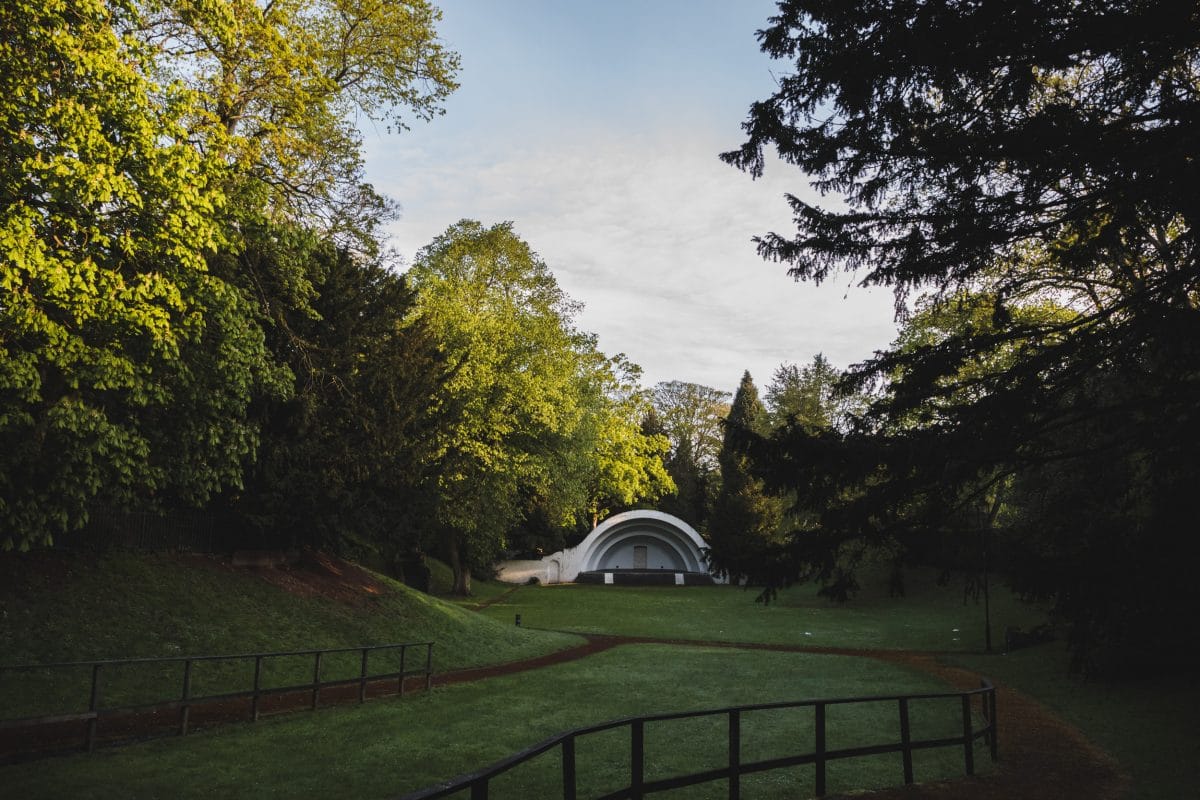
It goes on to inform that along the northern boundary of the rectangular garden there lies an entrance porch with iron turnstiles and brick pillars leading to a domed Art Deco concert bowl in the valley below. According to them one J BL Thompson designed both bowl and entrance in 1934. Swindon’s mayor at the time formally opened music bowl on 6th May 1936.
The Concert Bowl, referred to in Thompson’s drawings as ‘Bandstand and Arena’, and in Civic News, July 1963, as ‘a concert bowl and shell’, stands 65m south of the north-eastern entrance. It’s approached from the south along a lawn at the bottom of the steep grass-banked valley, with mature trees to the north, west, and east….’
Meanwhile theGreat British Gardens website exhorts us to: ‘Step back in time to this Victorian garden set in an old quarry which used to produce Portland stone.’
Lots to see
You do get the sense, from all these entries, of the things to see at every turn. The concert bowl here, the aviary there, a sculpture of Peter Pan, a Victory in Europe memorial and of course, the fabulous bandstand. Oh – and of course the aviary – that appeared in 1928.
Of the concert bowl, Geography.org features a nice photo of the bowl and says: ‘The Bowl is pre-war and might be modelled on the rather larger Hollywood Bowl of the 1920s.’ Over on SBC’s website you’ll find this: ‘The Old Town Bowl opened in 1936. It’s one of only a handful built in this county. The 1990s saw restoration of the bowl.
The bowl sits in a valley formed by the former quarry area. It’s one of only a handful built in this country in this style.
Bench plaques
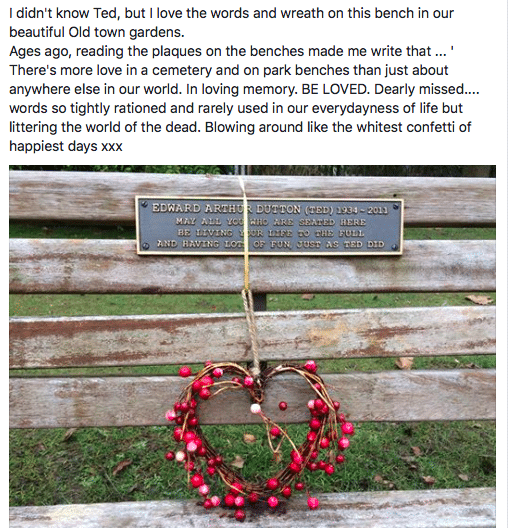
On a wander around Swindon Town Gardens earlier this year some of the plaques on the benches caught my eye. It’s my suspicion that there’s more entertainment and intrigue to be found there if you look hard enough. I first saw the plaque in the first image on Facebook – just as it appears here – with words by my friend Carole Bent.
I assume a family member tied the heart-shaped wreath to this bench. It was still there when I was in the gardens. Lovely words from Carole and lovely words from whom so ever it was that put the plaque on the bench. Wonderfully profound in its way is this next one – which made me smile I have to say.
And finally this one is rather lovely because it commemorates Harold – a gardener in Town Gardens for 38 years. Good work Harold. Good work!
Something that always makes me think of Trumpton and the band concerts – the bandstand.
Peter Pan
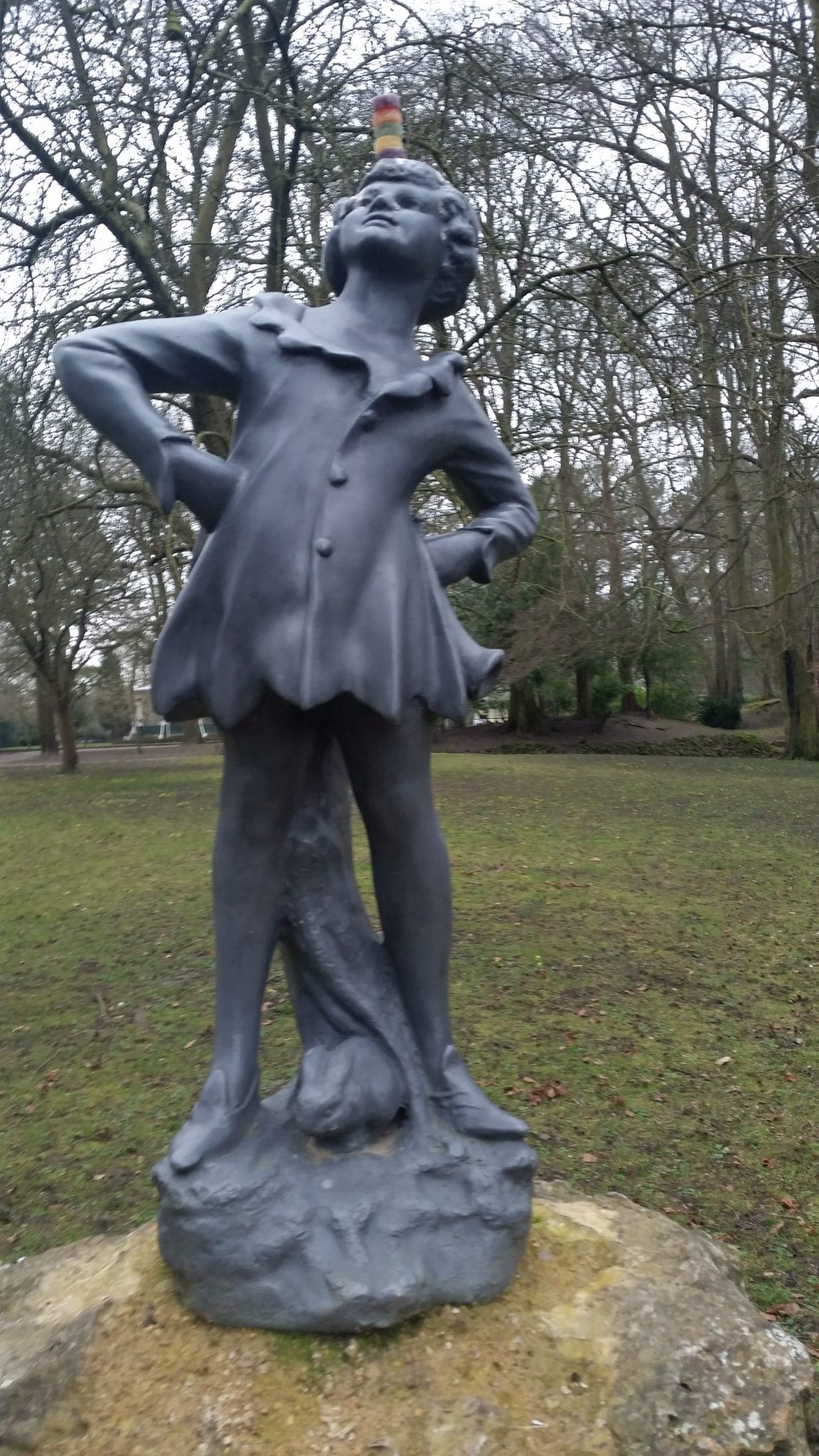
Below you see Peter Pan. Sporting not only his head but some pastilles on his head! I mention this because back in 2011 the statue suffered a beheading. ThisBBC News article has the full story.
‘Someone stole the original statue, in place since World War I, in 2004. After recovery and restoration it went into storage with a fibre-glass replica going back into the gardens. The 2ft statue sits on a stone cairn.’
And a couple of better shots from Justin Smythe:
The VE monument
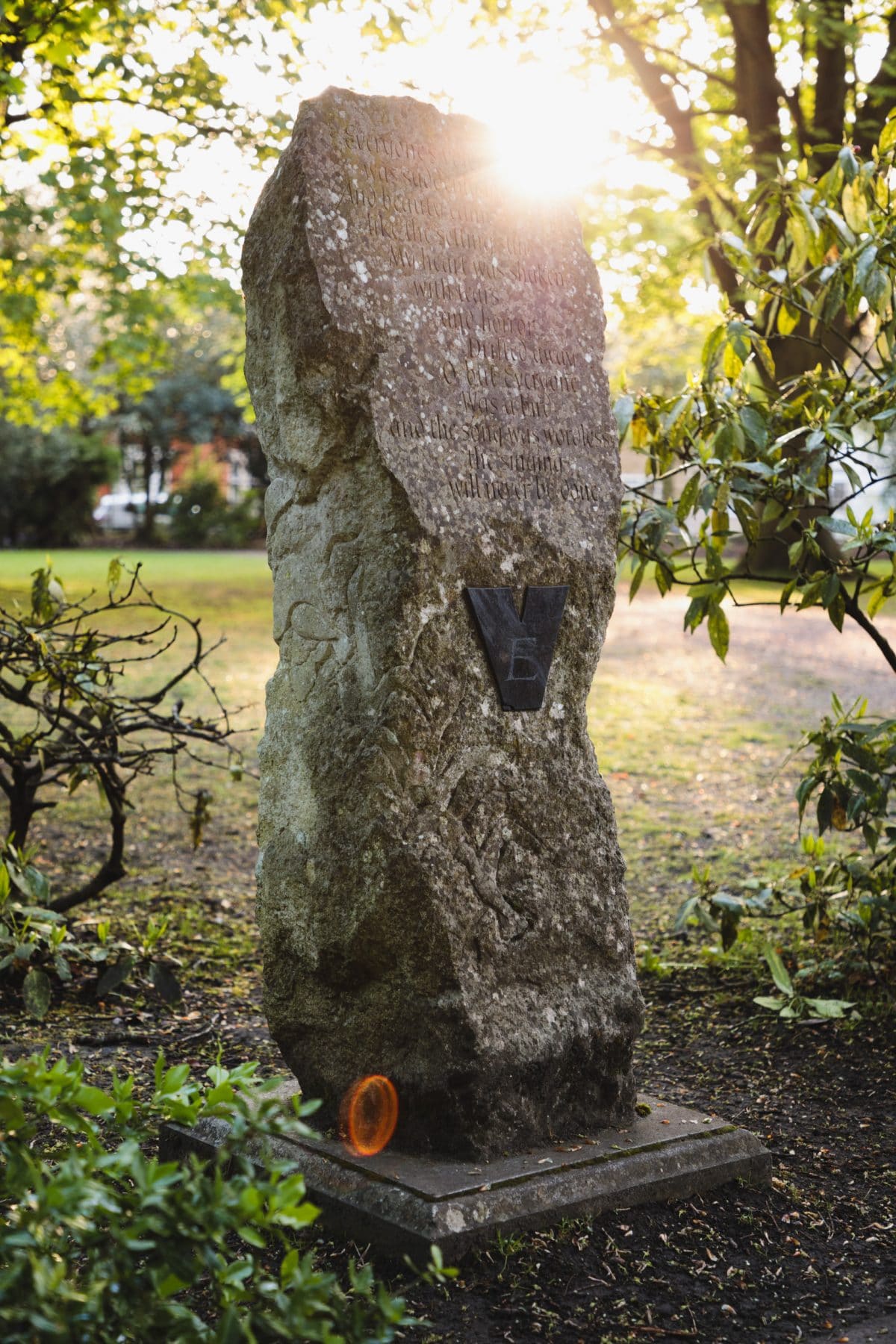
And the Victory in Europe memorial. Two pics are mine and one is from Justin Smythe. This has had a clean-up of late.
But this is the poem – or extract of – that is on the stone. It’s from Siegfried Sassoon’s 1919 poem ‘Everyone Sang’: ‘Everyone suddenly burst out singing; And I was filled with such delight As prisoned birds must find in freedom, Winging wildly across the white Orchards and dark-green fields; on–on–and out of sight …’
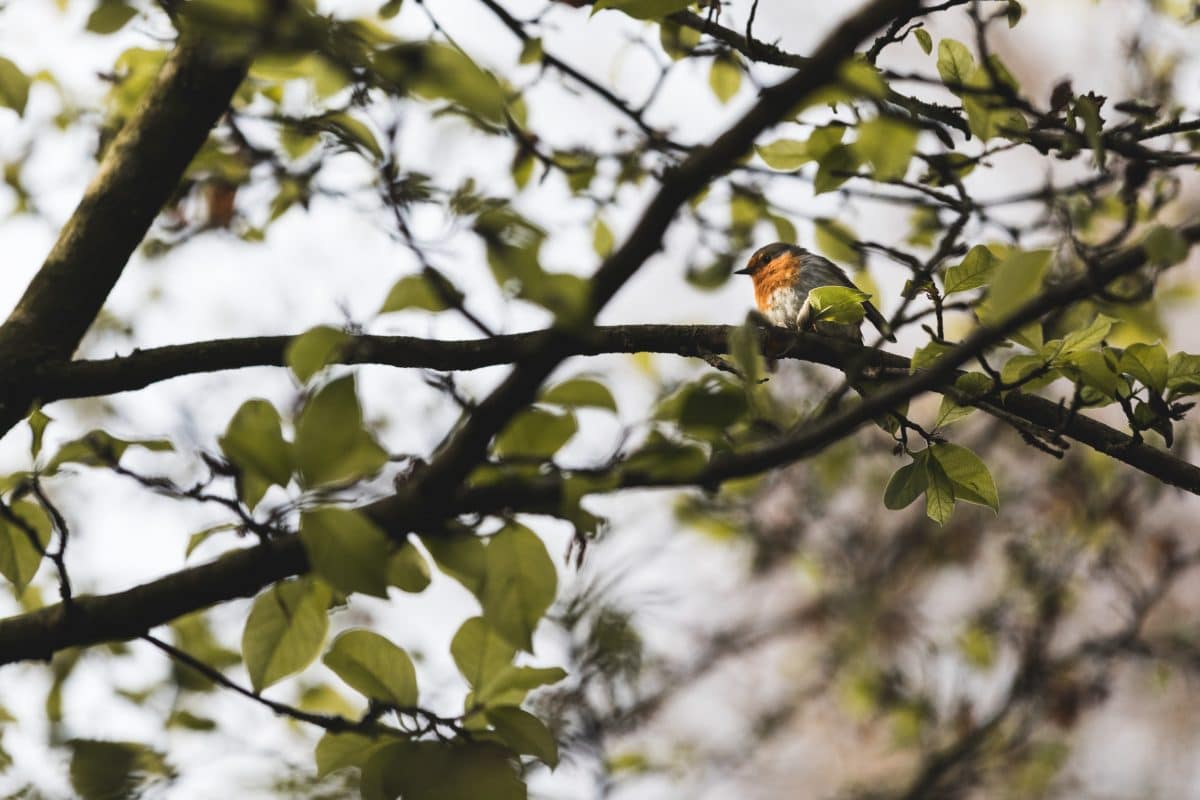
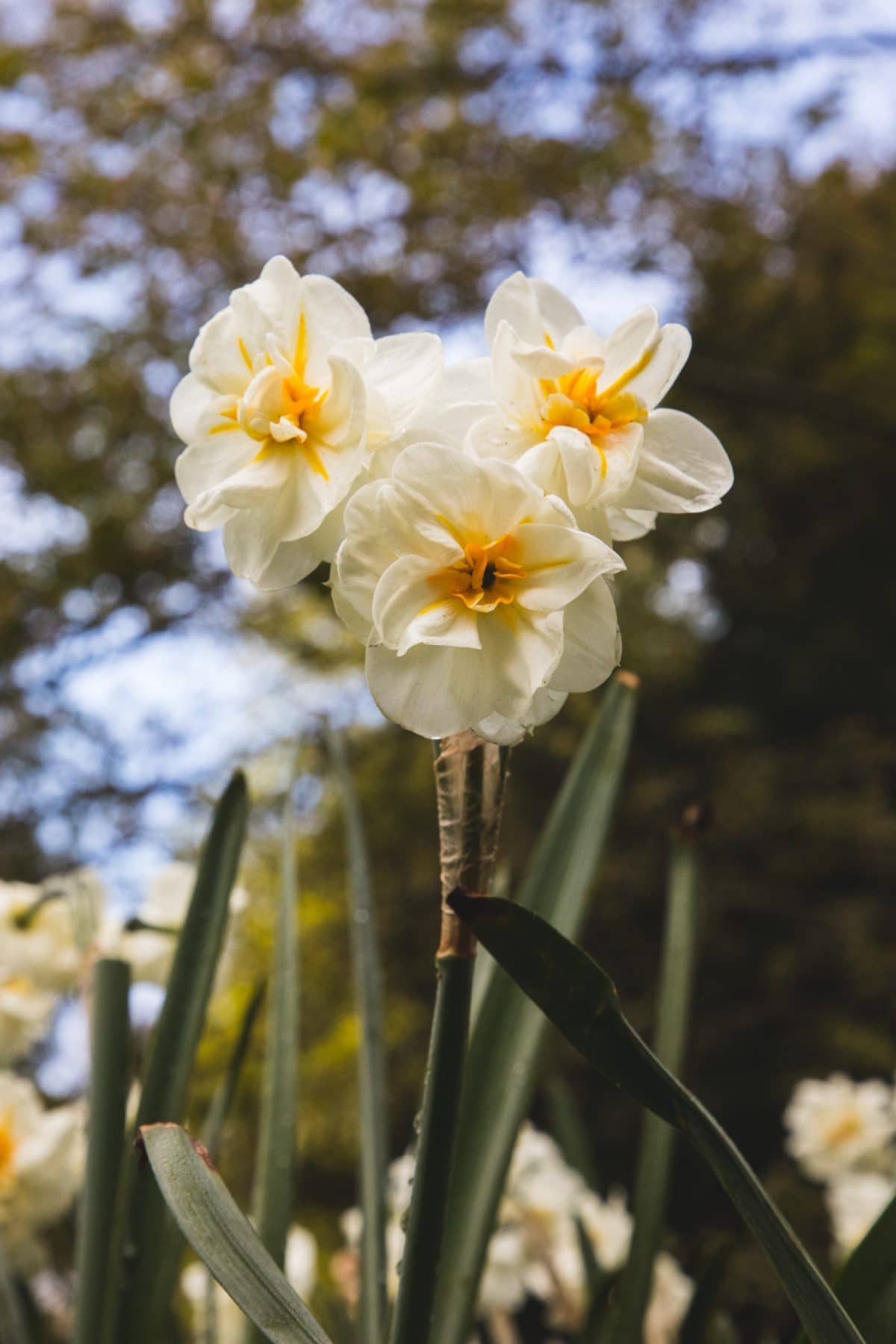
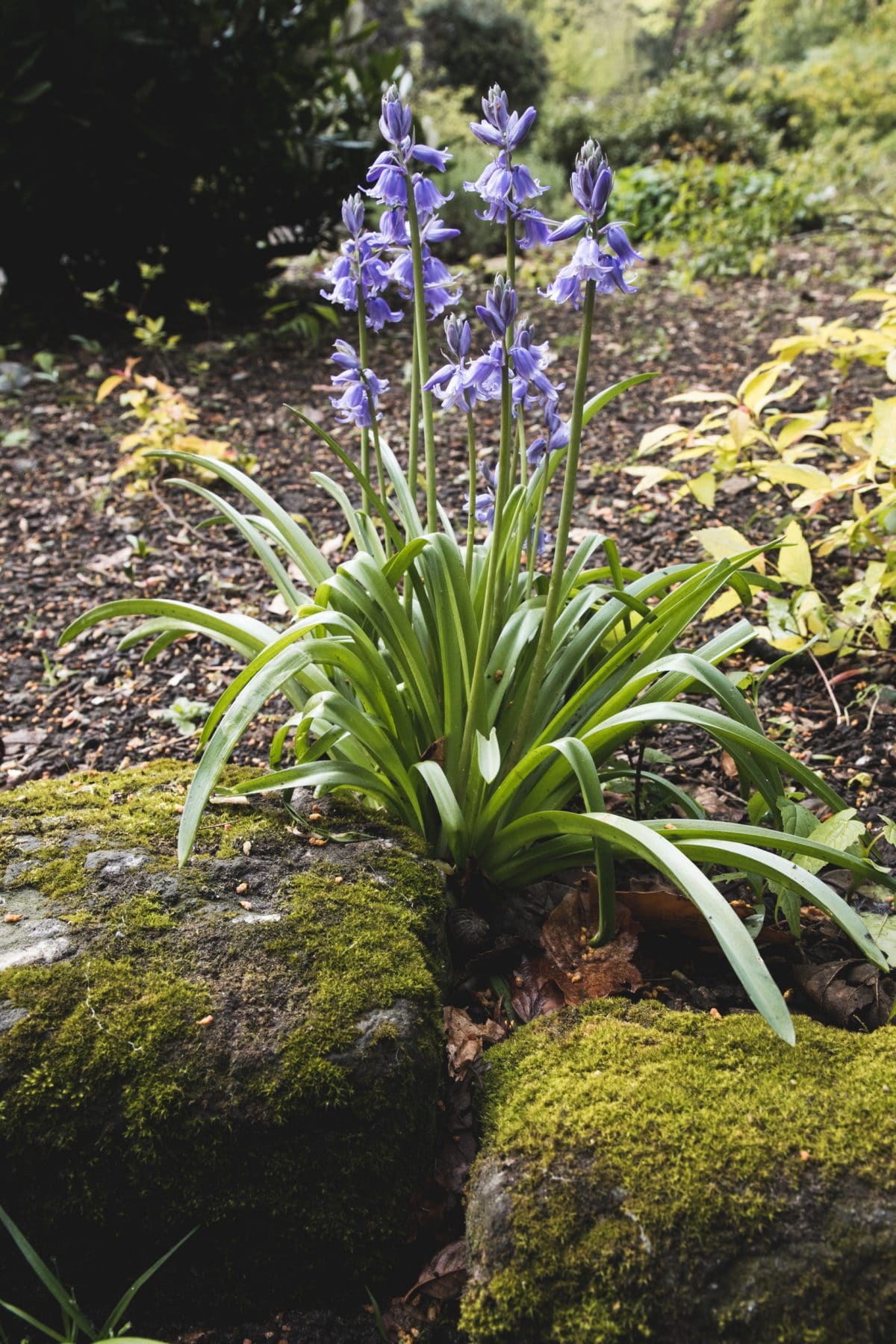
Finally, because we can, some lovely shots of Town Gardens wildlife from Justin Smythe:
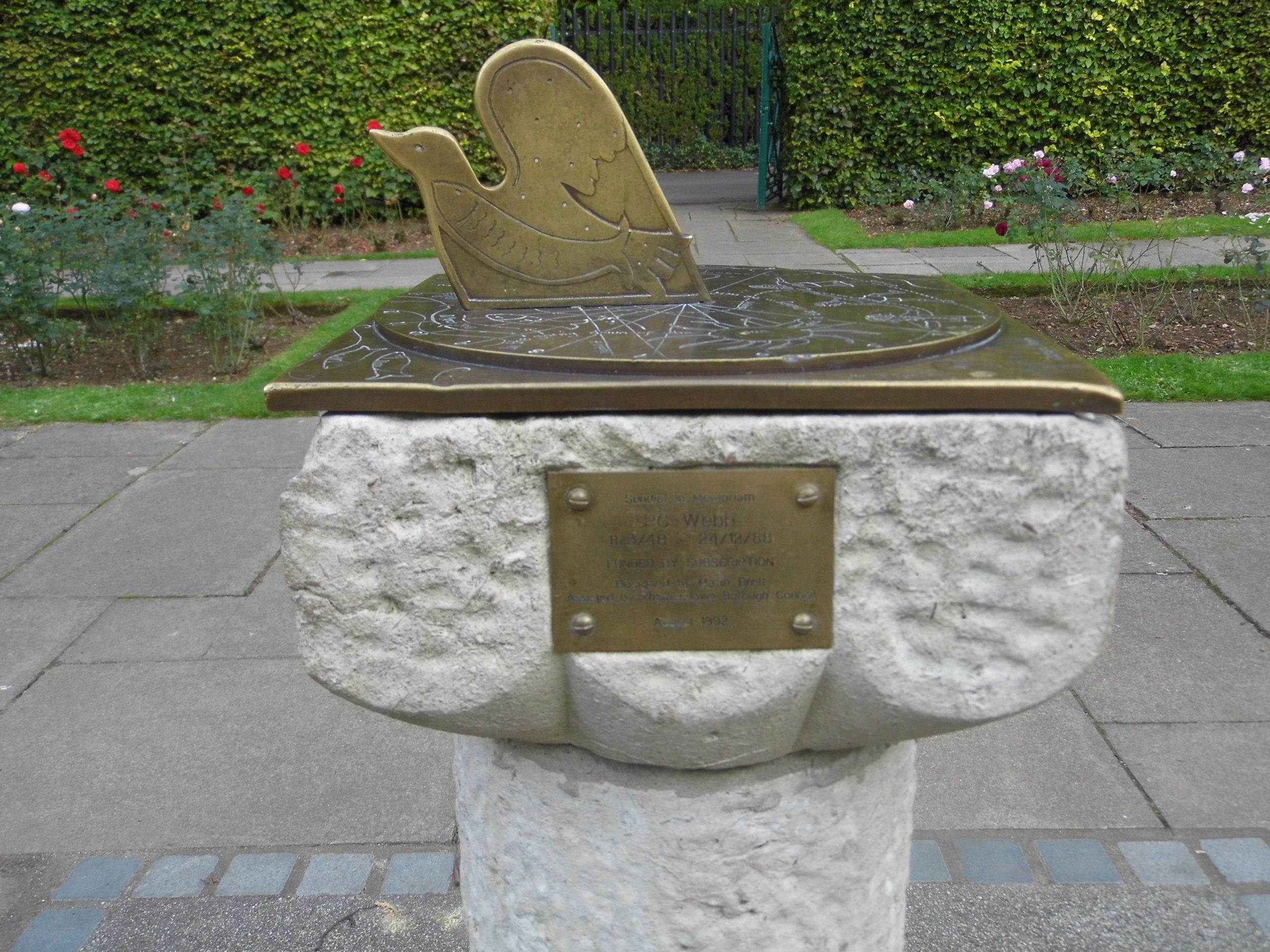
The sundial you see in the image above has, in recent months, had a refurb. So thanks to Chris Eley for these photos of it:
And to round things off – as mentioned in my Born Again Swindonian’s guide book – the ammonite fossils tucked away in town gardens. Do you know where they are?
Well! Here’s a how-do-you do listeners! A post in the ‘This sporting life’ section of the blog. And, even more bizarrely, written by moi. Who’d a thunk it?
I put that category on the blog because I wanted Born again Swindonian to represent all aspects of Swindon life and culture and so forth. Even if a thing is not MY thing I wanted it represented on the blog. The problem with anything sport related being – I HATE sport. So unless I can manage to get a guest blog post it doesn’t happen.
So how come I’m sat here tapping on my MacBook writing about a sporting event?! Good question. The short answer to which is that the opportunity came along for a Business Village jolly to see the Swindon Wildcats and I thought to myself: ‘Why not?’
Sally Price who does marketing and PR type stuff for the team comes to Business Village and kindly offered to organise us a visit. How cool. Did you see what I did there? 😉 I’ll try to keep the skating/ice related puns to a minimum. Or we’ll be skating on thin ice …
When I texted my daughter to give her this information, back came the reply ‘It’s called a puck Mother’. Bloody cheek. I do know somethings! And surely knowing that the slippery rubber thing the players chase round the ice is called a puck counts as general knowledge? Doh! I’m not sure how she thinks I’ve got to the age I have.
So anyway, chopsy daughters aside, a happy band of us Business Village networkers met up at the Link Centre last week (I think) to enjoy the corporate viewing lounge and the stands too and soak up some Wildcats action.
Two of our party are seasoned ice-hockey fans and Wildcats supporters. So they offered some explanations as to what was going on. Though for the most part I decided not to bother trying to take that in and to just enjoy the action and the friendly atmosphere. Ergo there’s not much point me trying to say anything about the game as I don’t actually have a clue. *embarrassed face*
It was good to see families there – albeit it finishes rather late. It was way past my bed time! The hot dogs were disgusting (as indeed is only right and proper), there was a drum (loved the drum) and some good natured chanting and stamping when goals were scored. In short all you need for a good evening or Saturday afternoon.
So, I’ll say this much: it was all great fun and I would go again – if only for the ice maintenance team cabaret. Those guys should be on TV. So I reckon this ought to be a fixture in the BV extra curricular calendar.
Here we are at the end of the match – sadly Swindon lost – on the red carpet with the entire team. Get us!
Business Village and the Swindon Wildcats
Hugest thanks to Sally for organising it for us. We all had a fab evening.
See their promo video on YouTube – A Day in the Skates
I am the mural man, I come from far away and I can paint – yes I can paint. What can you paint – I can paint murals!
‘It’s a small world’. A cliché? Yup. But true. And listeners it doesn’t get much truer than this!
In the early days of this blog I devised a list of things to celebrate about Swindon. And on that list I placed Ken White. A son of Swindon, Ken has made his mark on the world literally and figuratively with his artistic talent.
Now, at the time I was writing about Ken I knew nothing of the existence in Swindon of David Bent. Had I done I would certainly have included him and his art on my celebratory list.
David is a Born again Swindonian like me – funnily enough I think we’ve both been here around the same number of years.
I’m fortunate in recent years to have got to know David, and his fabulous wife Carole, very well. And it was on a recent visit to David’s studio -that I learned that he too had been a mural painter when he was a much younger man.
Symmetry
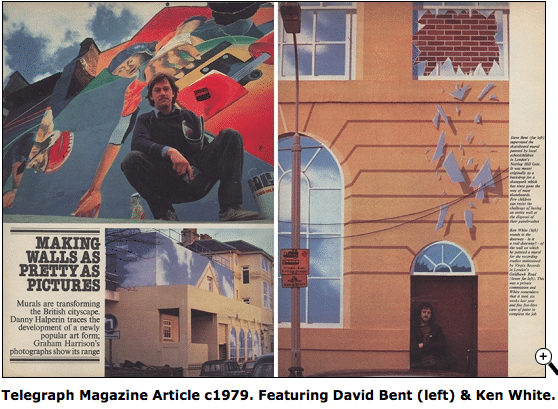
In a wonderful bit of symmetry that life, the universe and everything (42) is full of it turns out there was a time when, unknown and unbeknownst to each other, they were painting murals in London with only a street or two between them. David was working as a youth worker specialising in art project work and Ken was working on one of his famous commissions for Richard Branson – he of the Virgin empire. As Carole herself said, it’s not impossible that they drank in the same pubs.
And now here they are, living in the same town, still painting. Though no muriels sadly. That said – if anyone is offering I’ve got a garden wall crying out…
The image below shows an article in a 1979 issue of The Telegraph featuring both David Bent and Ken White painting their murals in London at the same time. Like I said – it’s a small world. Albeit with big murals. And pots and pots of pots of paint.