ANGLO SAXON ART IN WILTSHIRE, INTERLACEMENTS AND VINES by Rebecca Davies BSc (Hons).
We call it Celtic. Though it’s also Pictish, Viking, or Anglo Saxon. We call it Interlaced though it can be freeform, zoomorphic, spirals or tessellated. What am I talking about? I’m referring to the genre known as Insular art. (Some of which comes from the Mainland…) (Bain 1977).
But, whatever it is – we know it when we see it.
Man and Monster
I don’t have a speciality subject in archaeology but for many years now I’ve had an interest in Early Medieval Christianity. I’ve travelled all over Britain to see antiquities of that period. Thus, I’m now particularly familiar with the collection on the Isle of Man, doubly interesting as it consists of Viking as well as Celtic examples. (Kermode 1994).
Thowarlds Cross
A Lonan Cross
In which your scribe enters the Early Medieval Scriptorium
Celtic art is ideal for someone like me who is no artist but can do technical drawing. Yet it requires consistency and an awful lot of patience. Some examples are infamously intricate.
Recently I went on a course to further my knowledge of this art form. On the course I learned about parchment and how to cut quill pens. It also covered marking out the geometry using a compass and straight edge, and the traditional pigments. This was as close to texts such as the Book of Kells and the Lindisfarne Gospels as anyone is going to get these days.
The course was in Cromarty (a little north of Inverness) so this was a rather long journey – worth it though.
This art form is often associated with the West of Britain and so I wanted to know if there were any examples of it here in Wiltshire. (Wiltshire is only in the West Country if the inhabitants feel like it). Well, as it turns out, there are quite a lot of pieces, all produced in the Anglo-Saxon period (Circa 500-1066 A.D.)
The Anglo-Saxons were skilled in many different media, though not enthusiastic builders in stone. Thus they’d have made most buildings from timber. That said, there are stone churches. We’re so fortunate in Wiltshire to have one of the finest and most unaltered Saxon churches – that of St Lawrence in Bradford upon Avon. And a great many more contain elements of Anglo-Saxon carvings.
Artistic cues for Anglo Saxon Art in Wiltshire
The artists took their cues from both Celtic knotwork and Norse gripping beasts. Athough a favourite design element of their own was the foliate element, and so we see examples of all these concepts in Wiltshire. (Meehan 1995). Countering that are more classical figures and tessellated design elements.
Some examples of Anglo Saxon Art in Wiltshire now follow – Not an exhaustive list!
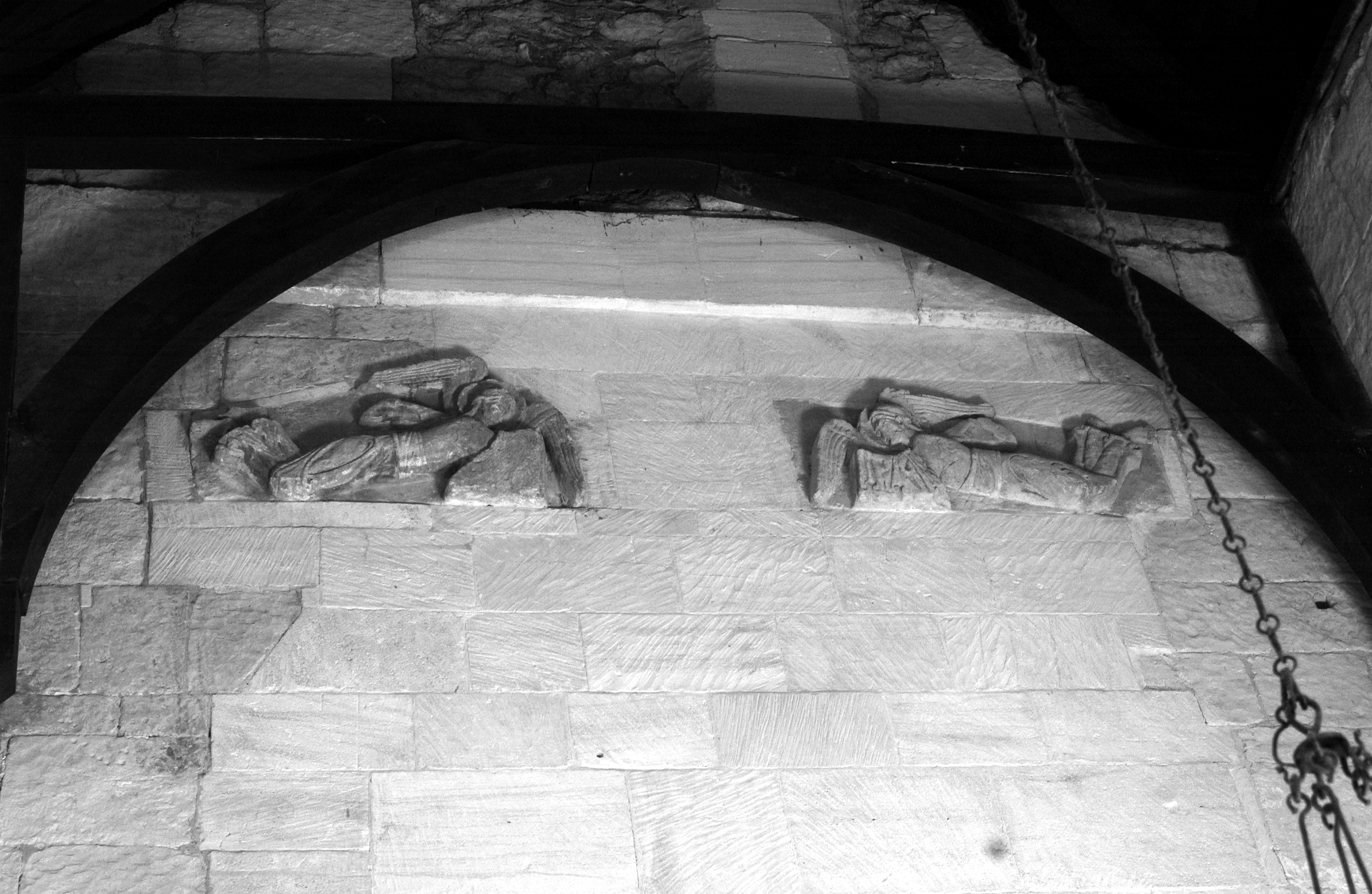
BRADFORD UPON AVON
St Lawrence’s church is famed for this magnificent pair of angels. (St Lawrence’s church website).
BRITFORD
BROAD CHALKE
Broad Chalk 1 (JC)
CODFORD ST PETER
Much has been made of this fellow’s posture. I reckon it’s a mere ploy to get him into the space in a tidy fashion.
COLERNE
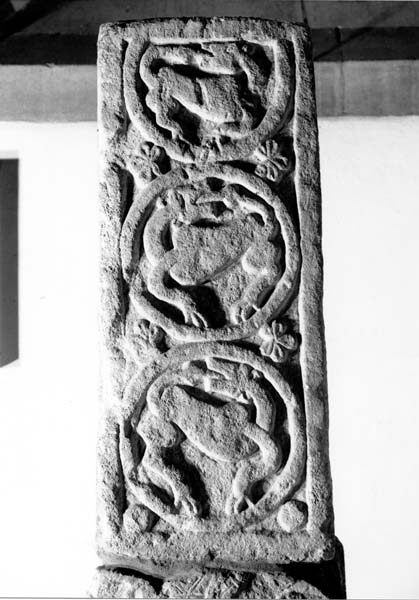
I’m much more sympathetic to the monsters found in churches, rather than the angels – being a monster myself. Here are two Norse dragons.
CRICKLADE
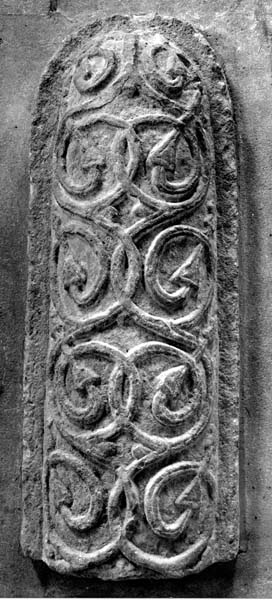
Cricklade church is famous for its tower – visible for miles around. In the north porch are two much older carvings – part of a cross shaft and a grave cover respectively.
EYSEY
Eysey is a deserted village north of the Thames at Cricklade with its church demolished in 1953. Found in the river, these pieces are now in the museum. (Cricklade Museum website).
KNOOK
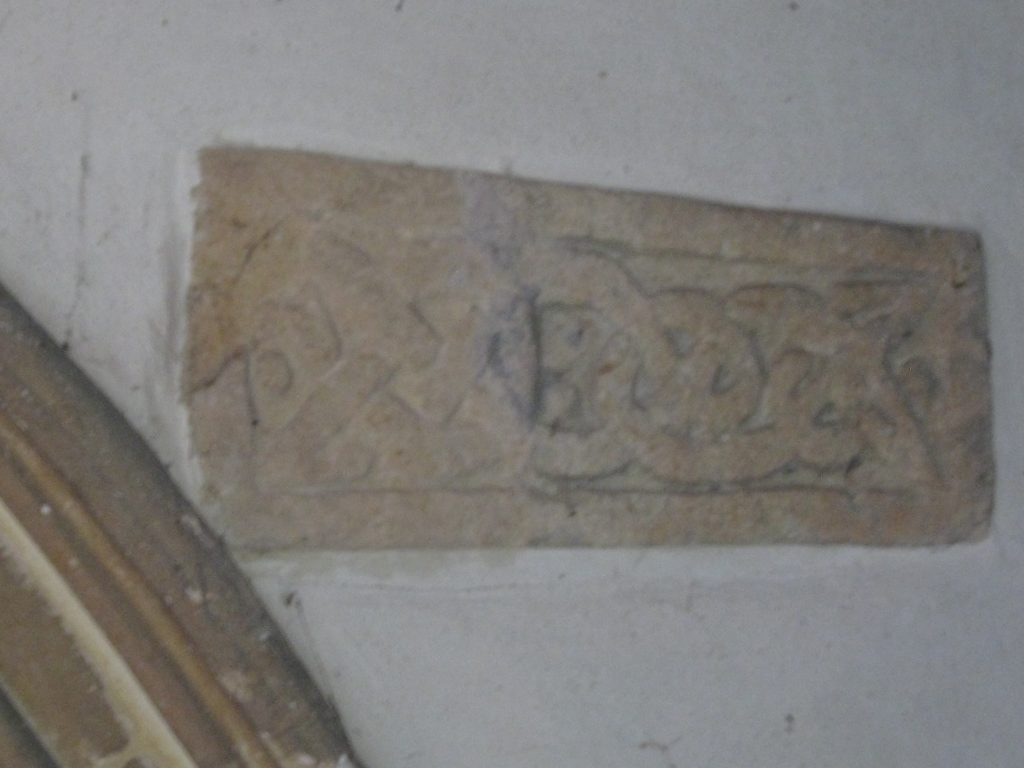
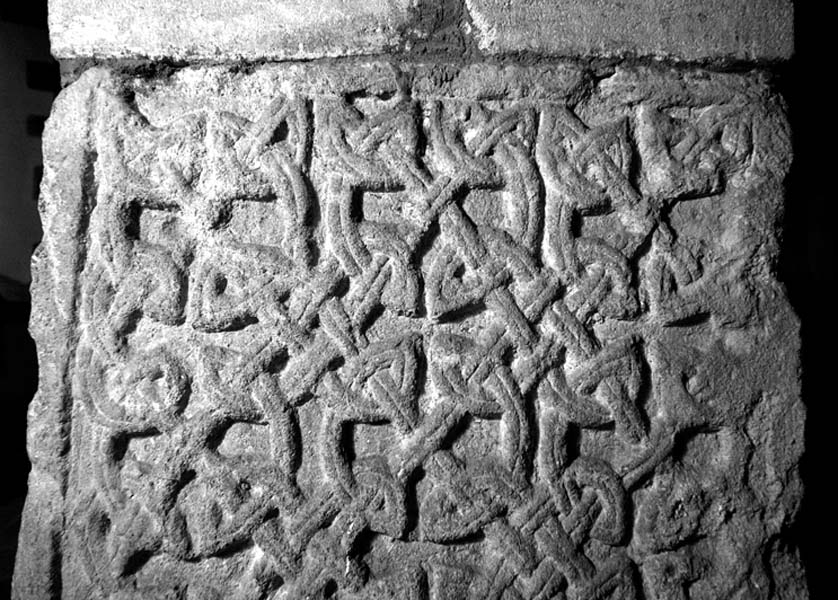
Knook has this grand example of a knotwork border and a Norse style tympanum.
Knotwork border
Norse style tympanum
RAMSBURY
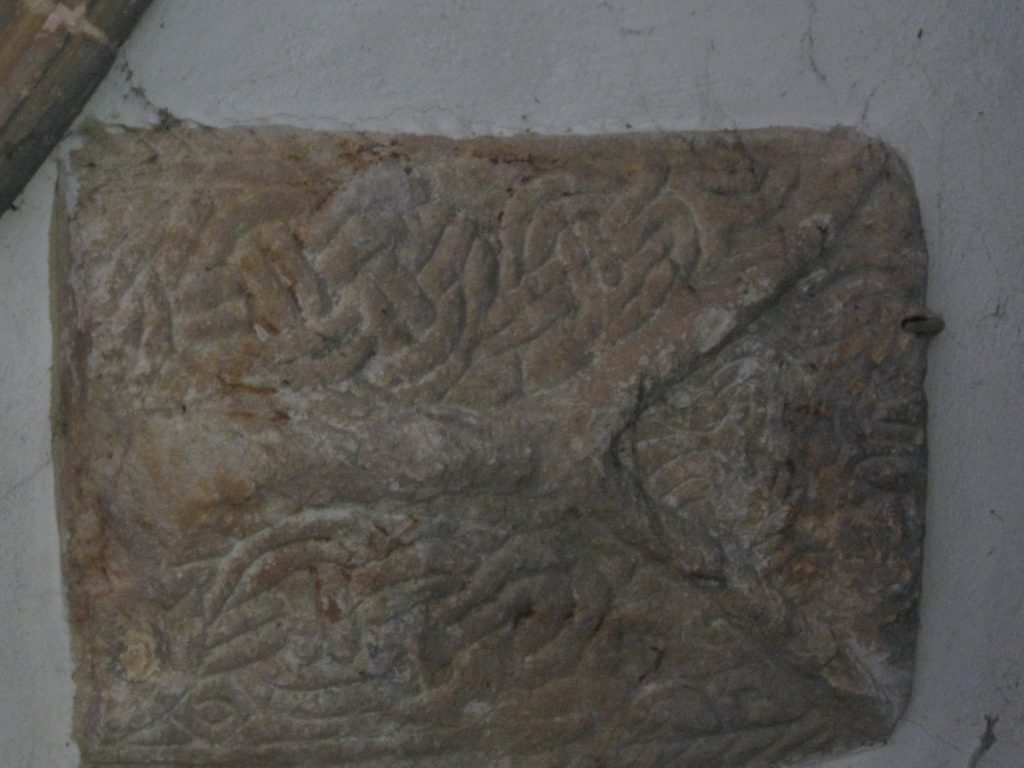
According to the very helpful website `Corpus of Anglo-Saxon Stone Sculpture`, there are no less than nine examples of this art in Ramsbury church. Here are three of them.
A grave cover – Ramsbury 5A (JC)
A cross fragment
Another cross fragement
RODBOURNE CHENEY
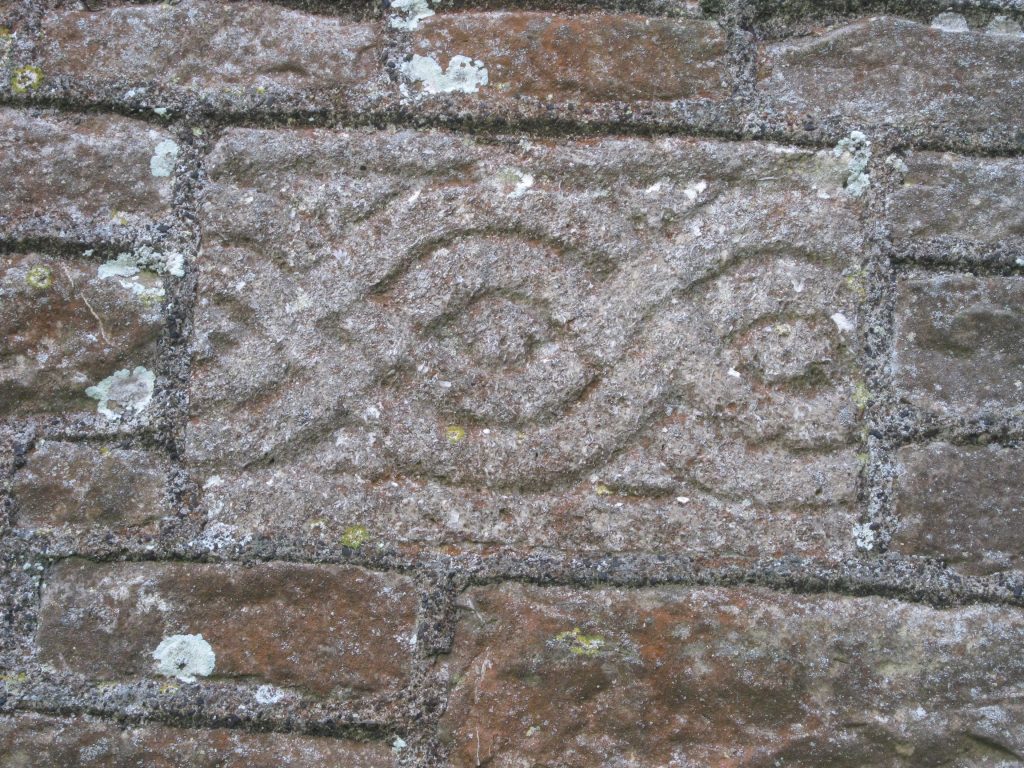
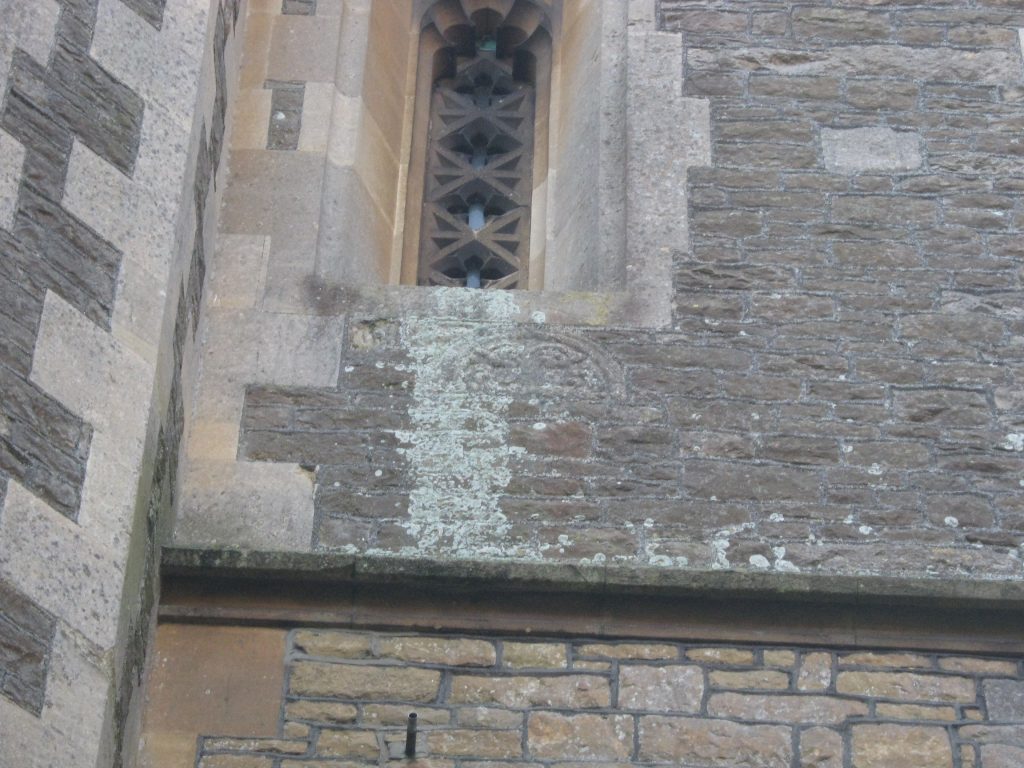
St Mary’s church at Rodbourne Cheney church is old and indeed has a couple of carving fragments.
My conclusion
To begin with I assumed that examples of this art were only found in the Celtic (i.e. western) parts of the country. I was very wrong, as you can see. Which goes to show how important research is. But, I enjoy researching new things very much…
Swindon Equality Coalition Gets the Conversation Going. How? By marking this year’s International Day of Tolerance with a new public engagement programme.
From their website:
‘The United Nations is committed to strengthening tolerance by fostering mutual understanding among cultures and peoples … ‘
Swindon Equality – Let’s Talk
Under the banner ‘Swindon Equality – Let’s Talk‘, the coalition wants to reach into the town’s diverse communities. The aim is to provoke discussion and ideas about equality, inclusion and discrimination.
Everyone is welcome to join the conversation and have their say through one of several channels:
1. Email 2. By post 3. Via Facebook 4. Instagram 5. Twitter and .. 6. … old school telephone call.
‘Swindon is a wonderful, diverse town” says coalition chair Michelle Howard. “We want to hear about the positives in the town and about progress and great examples. It’s important too that we hear about what needs to improve.’
A decade long initiative
The Swindon Equality Coalition, along with the Equality Act, celebrates its 10th birthday this year. The coalition came into being to support that act.
‘The coalition brings together people and voices from across Swindon’s diverse communities’, says Pam Webb, CEO at VAS.
“During these unprecedented times, it’s extra important to celebrate diversity and address inequality. That way, we’ll ensure that everyone in Swindon has an equal voice and access to support.’
“A simple email to equality@vas-swindon.org is enough to become a member or find out more” she added.
Having your say and getting in touch
Get in touch with the coalition or have your say via one of these channels:
The Wilts & Berks Canal Trust has a grand ambition. And that’s the restoration of the Wilts & Berks canal to link the English northern and southern waterway systems. But a cloud of uncertainty has, for many years, cast a shadow over this dream. The cause of this uncertainty? The obtaining of a crossing across the M4. But rejoice! The cloud is on the verge of lifting. For the canal trust is awarded feasibility funding.
Highways England,the company responsible for England’s motorways and major A roads, has awarded over £42,000 towards the Trust’s feasibility studies. The money comes via its Environment and wellbeing fund. This fund is one of four standalone – or designated – funds which the organisation uses to support certain initiatives. That’s the sort of initiatives that deliver lasting benefits for:
1. Road users 2. The environment and … 3. … communities across England.
Gordon Olson, Chief Executive of the Wilts & Berks Canal Trust, said: “We’re grateful to Highways England for their generous award. We look forward to working in partnership to deliver this important feasibility study.
“The M4 is the biggest barrier to a full restoration of the canal and linking England’s northern and southern waterways networks. So the results could be the key to unlocking the potential of the entire project.
Hoped for canal crossing over the M4 motorway
Short term result
“In the short term it would allow us to connect the existing stretch in the Wichelstowe housing development to the north of the motorway. That stretch is currently under restoration as far as the M4. With the line towards Royal Wootton Bassett to the south, such restoration would more than double the length of canal in water in Swindon and provide a valuable new amenity for the local community.
Longer term
“In the longer term we hope it would also help to show the benefits of restoration to other towns along the historic route. Such towns as Melksham, Chippenham, Calne, Cricklade and Wantage thus attracting new funding to finally start connecting up all the stretches.
“The Wilts & Berks Canal, with its towpath and blue-green corridor, could at length provide an important new source of local employment, tourism and recreation. What’s more it would establish vital new habitats for local wildlife.”
Highways England Project Manager Ian Cole said: “We’re delighted to support the Wilts & Berks Canal Trust with funding to scope out this exciting waterways project.
“The long-term initiative to restore the canal could further realise a great walking and cycling route and environmental improvements. All of which will attract more visitors to the area, and so help the local economy.
“We’re investing in the environment and communities surrounding our road network, as well as the people travelling and working on it, to make a positive difference to people’s lives. Our aim is to address social and environmental issues and add real value to society.”
Championing the canal
It’s so great to hear some positive news like this about the canal. It’s a Swindon feature that I’ve highlighted both inSecret Swindon and in my new publication – Swindon: A Born Again Swindonian’s Guide. And, of course, on this blog:
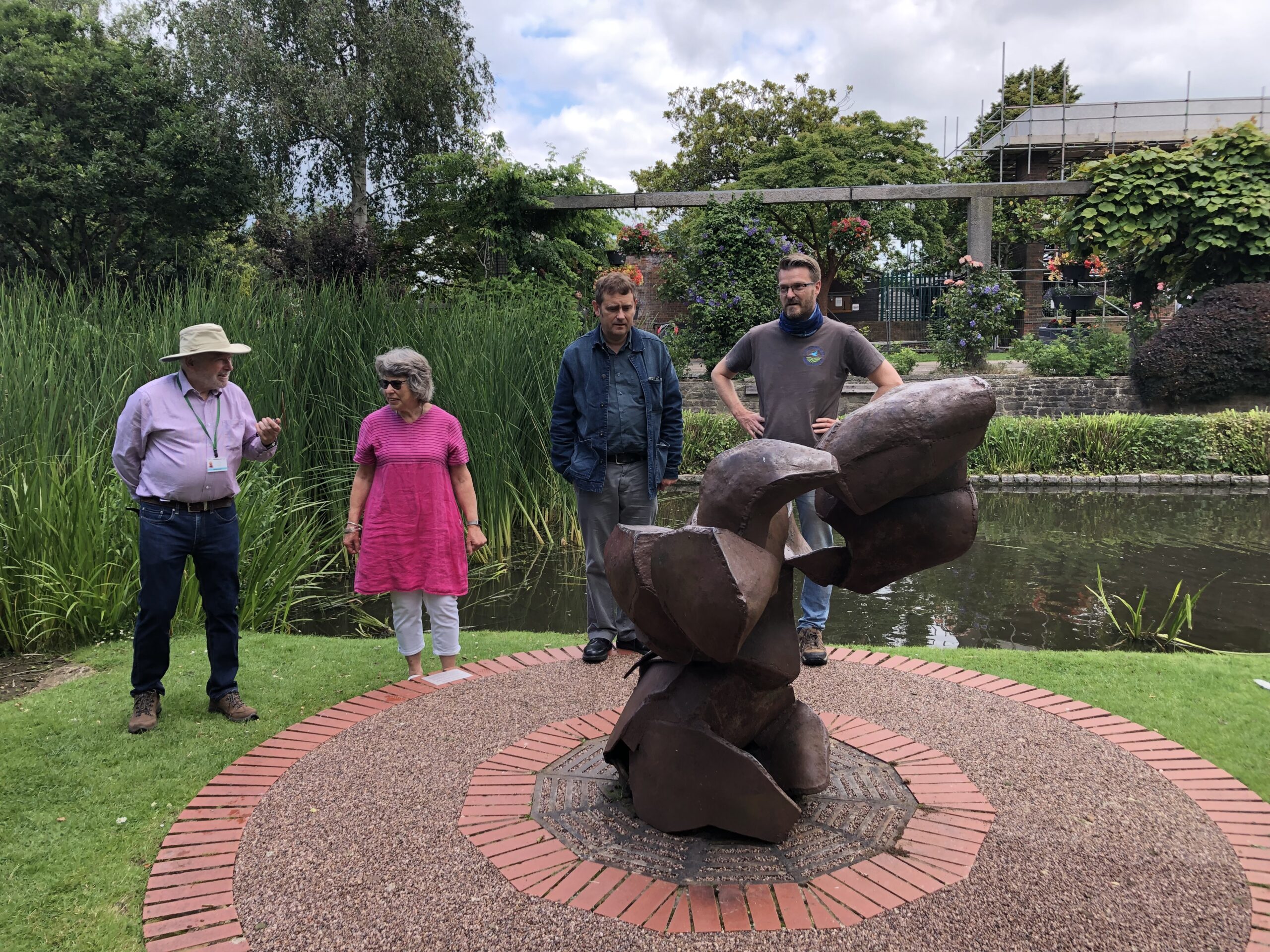
So a week or so ago I watched a super talk, via the ubiquitous Zoom, arranged by the Friends of Museum and Art Swindon* The speaker was a sculptor by the name of Joseph Ingleby. His name might not mean anything to you but a piece of his work will. For Joseph is the creator of the Turtle Storm sculpture that resides in Queen’s Park.
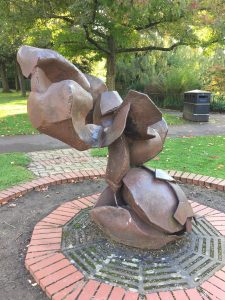
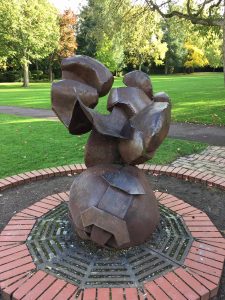
This post though focuses on Turtle Storm – the sculpture.
About the Turtle StormSculpture
Joe created Turtle Storm back in the 1980s for his degree show. Indeed, June 1986 saw Turtle Storm exhibited for the first time in Farnham. The sculpture is a response to the effects on a turtle colony from nuclear testing in the Pacific in the 1980s. It’s composed of irregular natural forms including turtle shells, making an abstract work.
Below are two of Joes’s sketches of the sculpture that he drew in November 1985.
The sculpture has an interesting back story. Here it is in bullets:
1986-88 – After Joe’s degree show the West Surrey College of Art and Design in Farnham, exhibited Turtle Storm outside the entrance to the college.
1988 – 89 – The sculpture enjoyed a tenure outside Waverley Borough Council in Godalming, Surrey
1989 – 94 – A.R Dufty, the former head of the Armouries at the Tower of London bought the piece, in his capacity as curator at Kelmscott Manor in Oxfordshire. So for five years, Turtle Storm lived in the grounds of the home of William Morris. NB: NOT the Swindon Advertiser William Morris. That’s a common misconception.
1994 – Upon A.R. Dufty’s death, the curatorship of Kelmscott Manor passed to the William Morris Trust in Walthamstow. They decided not to exhibit anything there made outside of Morris’s lifetime (1834-96). As a result the Dufty family gave the sculpture to then Thamesdown Council in Swindon. They stored it while a new base of the council’s design was built for it in Queen’s Park.
1995 – present – The sculpture is sited in Queen’s Park in September 1995 with some collaboration and guidance from the artist.
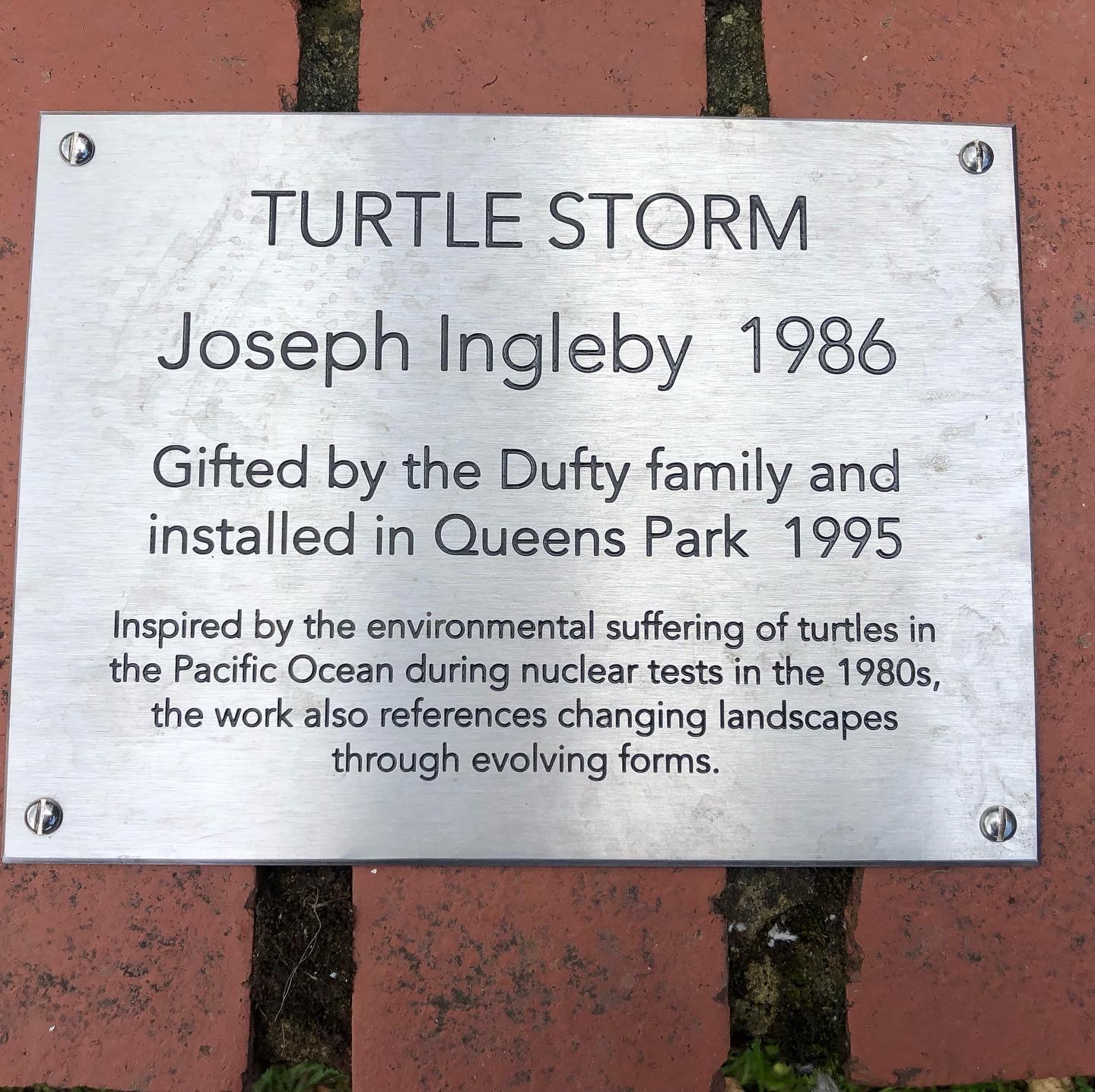
The mayor of the time unveiled the work in a small ceremony. There was a small plaque installed at the time but that disappeared. But, in 2021 South Swindon Parish Council installed a new plaque. Joseph visited and some of the Friends of Museum and Art Swindon attended the unveiling.
Neil Hopkins, Linda Kasmaty, Joseph Ingleby and Chris Watts with Turtle Storm Sculpture SwindonThe new plaque on the Turtle Storm sculpture in Queen’s Park, Swindon – installed by South Swindon Parish Council.
*If you’ve any interest at all – even one as passing as mine ( I don’t profess to be ‘heavily’ into art) then the Friends of Museum and Art Swindon are worth joining. Since the onset of the pandemic they’ve been offering talks via Zoom. These are free but they welcome donations. There’s a link in the top paragraph to their website.
SARSEN STONES: THE OLD ONES OF THE DOWNS, By Rebecca Davies BSc (Hons)
Introduction to Wiltshire’s Sarsen Stones
Wiltshire’s Sarsen Stones
A Canadian friend came to stay and, since they were a Neo-pagan, I decided to show them Avebury stone circle, a favourite place of mine. This didn’t go exactly to plan. For a start they were most upset because some Early Medieval people had decided to build their village on a sacred site.
To my perplexment and sadness my visitors found this was quite unacceptable. But then I’ve found that neo-pagans can be perplexing and saddening.
I once showed another new-ager Studio Ghibli’s Spirited Away, a stirring Shinto tale, and they were most horrified. But then, explaining that the world’s most technologically advanced society is pagan often doesn’t work out well.
I thought better of trying to explain that Avebury was not a sacred site to the Saxons and, after pacifying them with a pint of cider at the Red Lion, took them up the byway leading to Fyfield Down.
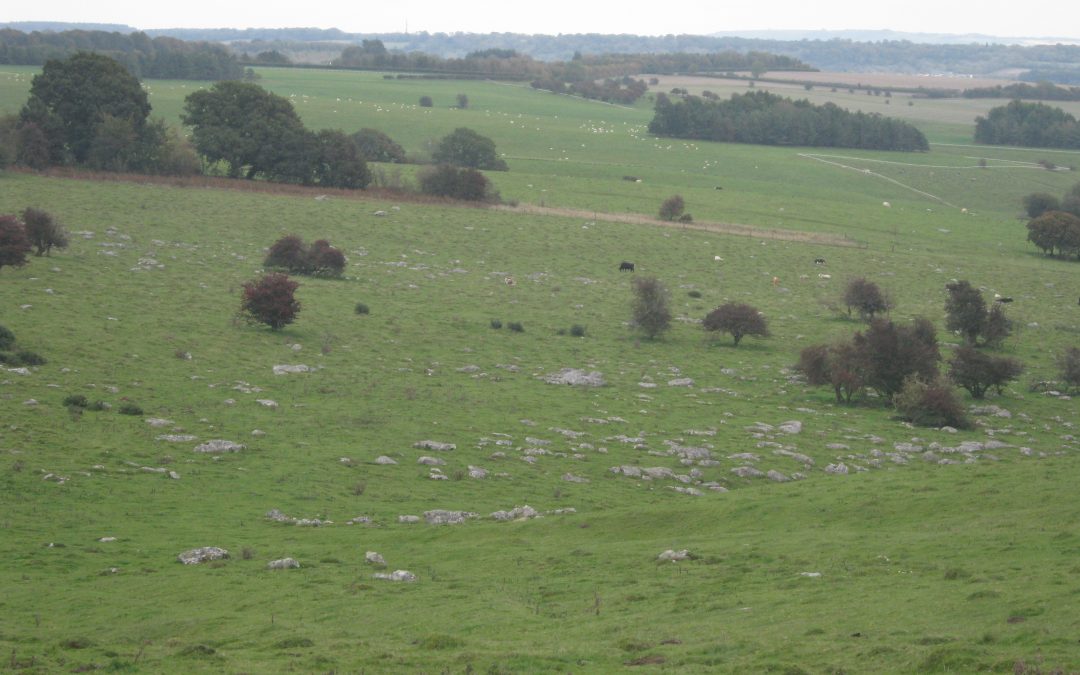
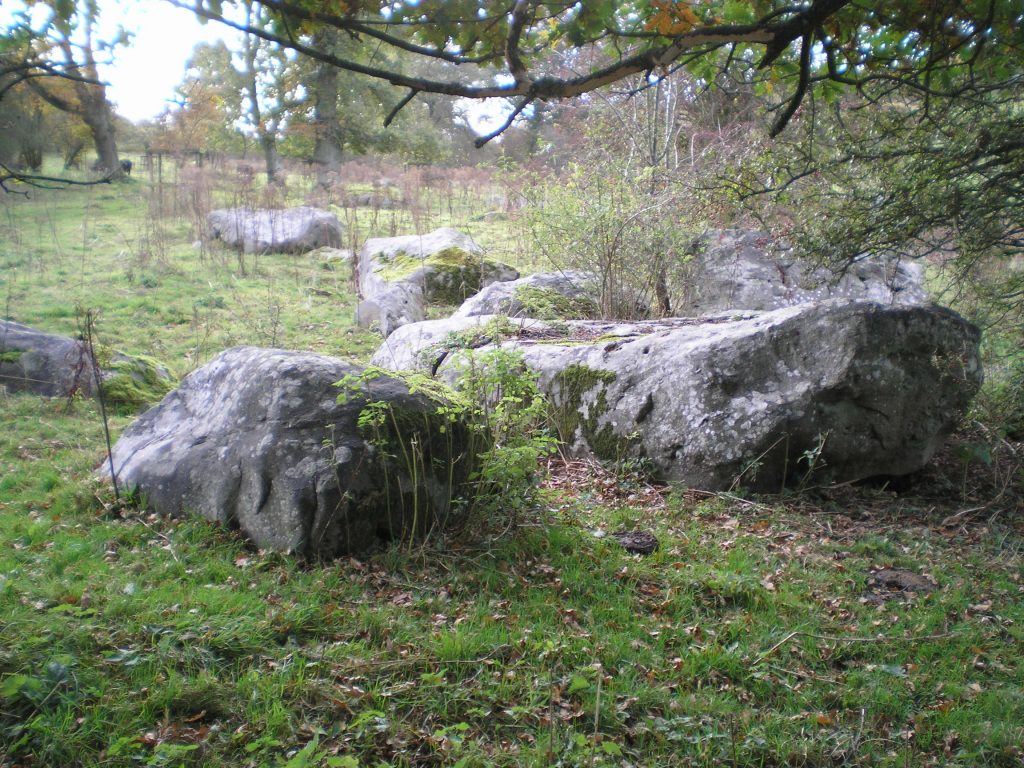
This was to show them wild sarsens in their natural habitat.
I am gratified to say that they enjoyed this trip very much.
Origins of the names of Wiltshire’s Sarsen Stones
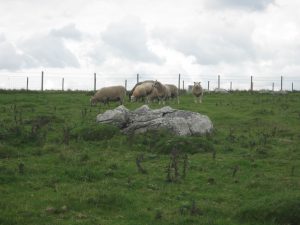
t’s probable that the stones themselves got their names from the Knights Templar who had a Preceptory at Rockley. (Blackwell & Fowler). They called them Saracen stones because they’re alien to the soft chalk. Their other name, Grey Wethers derives from the way they look like a flock of sheep, particularly on a misty morning. (Delorme).
“I shall conclude with the stones called the Grey Wethers; which lye scattered all over the downes about Marleborough, and incumber the ground for at least seven miles diameter; and in many places they are, as it were, sown so thick, that travellers in the twylight at a distance take them to be flocks of sheep (wethers) from whence they have their name.” (Aubrey)
Formation and geology
Sarsens are the remains of a tough overlay of the chalk, now eroded away, formed of silicate cemented sand and are a very dense rock; one cubic foot weighs 150 lb. (Delorme).
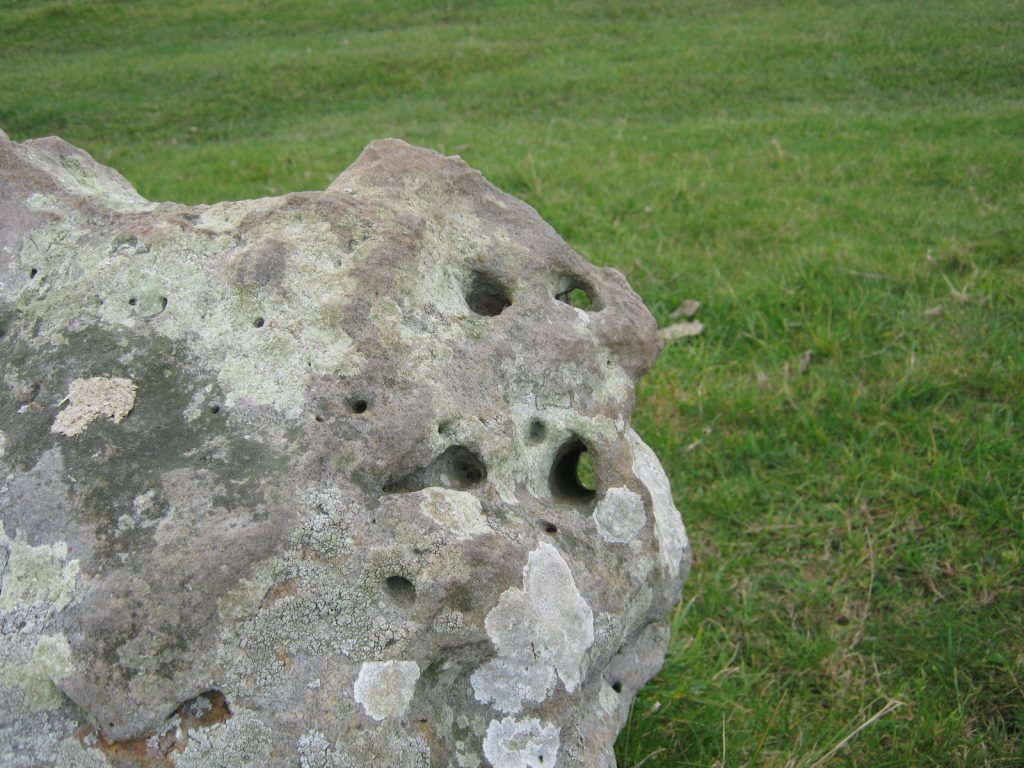
These rocks are the survivors of sandy islands in the Cretaceous seas, Many sarsens have holes in them formed by the roots of tropical trees. They’re relics of a more fanciful time. (Hungerford Virtual Museum).
Later the stones were part of a periglacial landscape, redistributed by meltwater. Fyfield downs contain many examples of this climatic era for the geological student to seek out. (Hungerford Virtual Museum).
Sarsens are always found on chalk downs. Yet it’s not inevitable that chalk downs harbour sarsens. You can find them from Kent to Suffolk and across the channel on the French chalklands around Dieppe. Oddly though they seem to be absent from the Isle of Wight. (Delorme).
Nor are they exactly plentiful on Salisbury plain. They are common on the Marlborough downs, both in fields and in the forest.
West Wood is today famed for its bluebells. But in the past there was a considerable extractive industry in these woods including sarsens. There are the remains of sarsen crushing machines and plenty of loose cut stone.(Archaeology Data Service.)
Recently it was proven that this is the source of the sarsen component of Stonehenge. (BBC News).
The usage of sarsens
Over the millennia the sarsens have had many uses. In the first instance they were erected as part of megalithic monuments such as Avebury stone circle and Stonehenge. Then later their superior strength lent form to Windsor castle. (Delorme).
The Cove, Avebury
Inside the West Kennet long barrow
Exploring the village of Winterbourne Monkton I saw sarsens at every turn.
Encountering sarsens
Sarsens are tactile, they invite touching and climbing upon. They come in a variety of colours, greys, creams, oranges and browns. Sarsens are well worth visiting.
The best place to see sarsens today is Fyfield Down. But there’s also a small National Trust estate at Lockeridge Dene and Piggledene which are a bit more accessible. All three places are Geological Sites of Special Scientific Interest. (National Trust).
But yet, there are many sarsens round and about Swindon, mostly upon the east side. (Hidden Swindon).
Pretty much all parks have them. You may well have seen them without actually noticing them.
Rebecca Davies is a private Researcher. Coming from the antiquity rich county of Wiltshire it was only natural for her to become aware of our ancestors and ancient landscapes. In her early forties, quite by accident, she left her home town of Swindon and travelled to Cornwall to study Archaeology. This has enabled her to develop special interests in Early Medieval Christianity, Industrial History, Vikings and Experimental Archaeology. (Though really she is fascinated by anything curious she might grab at).
She would describe herself as apart from University, mostly self-educated. Her interests are “eclectic” ranging from Bushcraft to Local history to Classic Cars. She does not think Swindon to be boring at all.
Her ambition is to have even more adventures in Heritage.