Though it may appear that nothing is happening, a great deal of work is being planned behind the scenes to build up a programme of work that ticks all the boxes.
Towards the end of the year we’re hoping to hold some involvement events. In the meantime we will endeavour to keep you informed. If you have any comments, questions or suggestions we would love to hear from you.
Starting this month we will be showcasing a different feature of the Hydro in each newsletter. This time we would like to highlight the stained glass windows in the building.
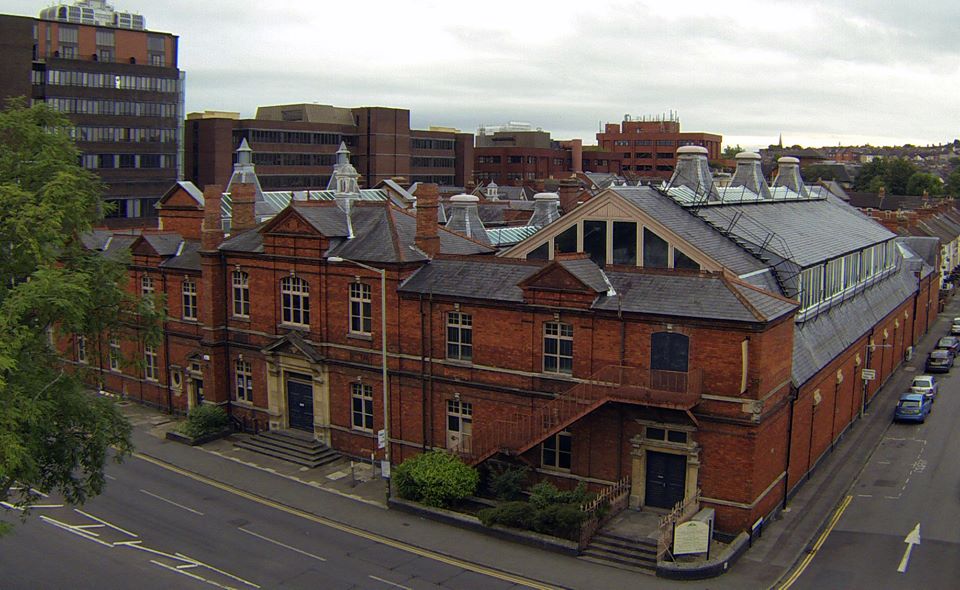
You do not need to visit a church to see some truly magnificent stained glass windows in Swindon, just take a walk around the Health Hydro.
The windows were all made in the GWR works by Mr T Rice and his team of highly skilled craftsmen. What this tells us, beyond the skill of the men and the obvious beauty of the stained glass panels they created, is that the workers had enormous pride in their work, crafting things of beauty for this utilitarian building. The windows look as magnificent today as they did when they were installed nearly 130 years ago.
A featured article from a health hydro supporter
Recent years have seen significant progress with regard to the Swindon Baths and former Medical Fund Society medical centre in Milton Road. But now we must all keep our eye on the ball to ensure that the prospective ‘renovation’ achieves what Swindon deserves for the future. By that I mean something which Swindon people aspire to today. Something that builds on the physical heritage as well as the social achievement of past generations of Swindonians. Recent steps forward include:
1. The Friends of Swindon Health Hydro group has formed to champion the building.
2. The Friends proposed the recently awarded (by Historic England) heritage listing upgrade to Grade 2* (from 2)thus affording the building extra protection.
4. Swindon Borough Council (SBC) have budgeted £1.5 million for building ‘repairs and maintenance’.
5. Significantly, £5million has been awarded as part of the government’s Towns Fund, applied for by SBC.
People could be forgiven for thinking the Baths are safe, but a close eye is needed on the future. A few months ago the Adver ran a piece that suggested the Swindon Baths as ‘the town’s very own Bath Spa’. That facility isn’t a project to aspire to. It ran massively over its projected budget and provides ‘high end’ expensive facilities in a town with a very different population to Swindon. One with significant international tourist appeal visiting a range of nearby heritage attractions like the Roman Baths. The Milton Road Baths has a unique character that deserves appreciation for what it is and for what it means to the people of Swindon. Swindonians who have so long lobbied to have their railway heritage properly understood and appreciated.
Window above the dispensary
What should we be looking for?
The recent Conservation Report outlined the key features which merited the grade 2* listing. One of these is the Small Pool. Right up until four years ago this pool saw crocodiles of school children enjoying their weekly swimming lessons. This opportunity was not only one experienced by local railway children since 1896. Newcomers to Swindon shared this pleasure too. That pool is one of the unifying features of life in Swindon before and after 1986, when the Works closed. The Small Pool should be a top priority for repair and re-opening. Why should we have less provision for children that we did in 1896? (NB: ditto the Oasis – says me – Born Again Swindonian)
The expressed aspiration by the Council for a wider health and well-being provision echoes even more recent innovation. Innovation lost in the thirty-four years since 1986. It’s a function downplayed at the time as the Council emptied the premises of the range of voluntary organisations housed there. The objective being to clear the premises for lease to a privatised ‘leisure operator’. A policy driven by the government policy of cutting local government funding.
The Swindon card
Who remembers the Swindon Card? It supported widespread access to leisure for Borough residents with limited income, in the interests of improving health? From 1986, the £300,000 put aside for renovation of the Mechanics’ Institution*, got spent in the next two years to fix the Bath’s roof and replace the boiler. Altogether, there was an investment of £750,000 or so in modernising the services on offer, including the swimming pools and Turkish Baths. The re-naming as the ‘Health Hydro’ reflected the long understanding in Swindon that bathing formed a key aspect of health and well-being.
*Before the Council declined to take it one for £1
Practitioners such as osteopaths and a well-woman centre developed by local charity volunteers were developed too.
These services and therapies replaced the doctors’ surgeries. They saw re-location to Carfax Street (and recently again to Islington Street). We easily forget how quickly things have changed in Swindon as the town has expanded.
So, the first objective should be to restore to Swindonians the level of provision that they long enjoyed and paid for themselves. Once renovated, wider promotion in the modern town should provide the income needed to provide for programmed maintenance in the future. Thus this level of deterioration should never occur again.
Now seems a good idea to bring together past users and community organisations to engage in discussions and review ideas for future use of this massive complex of three buildings. The future must belong to the people of Swindon, not only today’s Council or GLL.
The Friends of the Milton Road Baths will need support – so if you’re so inclined get in touch with them!
Between them the small pool at MRB and the Oasis, form touchstones of many Swindonian’s lives. Are we going to have a generation of children in Swindon that don’t learn to swim for lack of facilities?!
Other things in need of support
I only wish that Milton Road baths were the only thing needing support. But sadly there’s a growing list: the Oasis, the museum and art gallery – let’s not forget the Mechanics’.
Indeed it’s easier to list what doesn’t need supporting/saving in Swindon these days. There’s a depressing thought!
Follow up survey GWR Park Vision for GWR Park 14th – 30th July
News from the GWR Railway Village Heritage Action Zone
GWR Park Follow-Up Survey ‘We had a fantastic response to our survey about GWR Park. Over 400 people told us why the park is important and what needs to change. Landscape architects Cookson and Ticknerhave prepared a draft conservation management plan. That plan that takes on board these views and sets out the park’s future management.
Go to www.swindon.gov.uk/gwrparksurvey to see how people responded and view the vision and the draft Plan. (That collates a wealth of historical information and images)
That done please do then complete our short survey by following the link above.
This project has been made possible by the Heritage Action Zone. Through which the Council is being supported by Historic England to deliver a range of projects aimed at revitalising the Railway Village.
GWR Park Follow-Up Survey
About the consultants – Cookson & Tickner:
‘Cookson & Tickner Ltd is a landscape architecture practice with a wealth of expertise in landscape planning, design and management. Our services range from countryside planning and strategies for green infrastructure and woodland through to the management and design of parks and gardens. We are specialists in the conservation, restoration and management of historic landscapes.
We provide advice to public, private and charitable organisations throughout the UK. Also, we work at a variety of scales, from county and district wide landscape assessments through to detailed design and site supervision.’
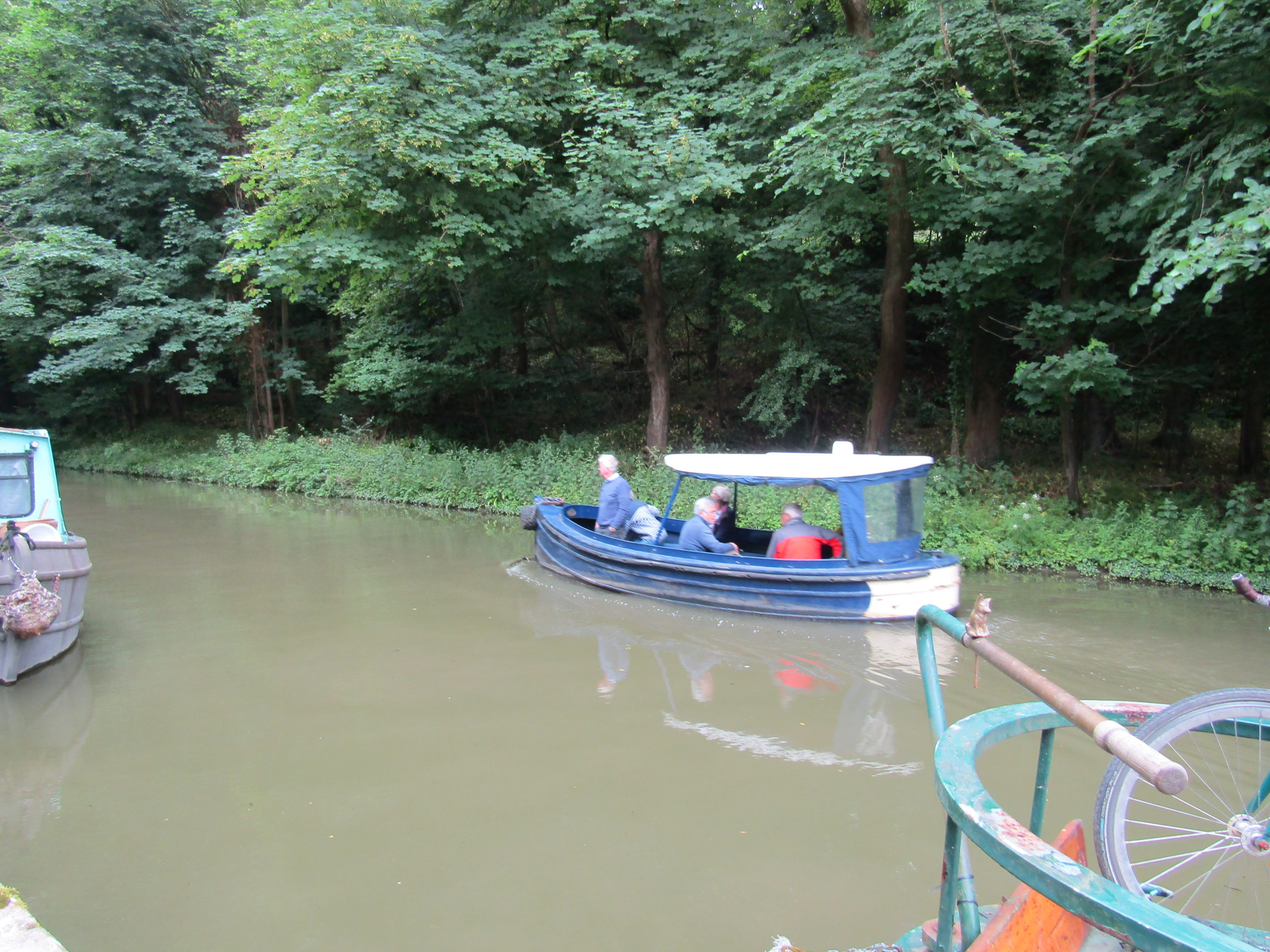
A Journey through the Heart of Wiltshire without getting your feet wet: the Kennet and Avon Canal By Rebecca Davies Bsc. (Hons).
A Kennet and Avon Canal Journey
Introduction
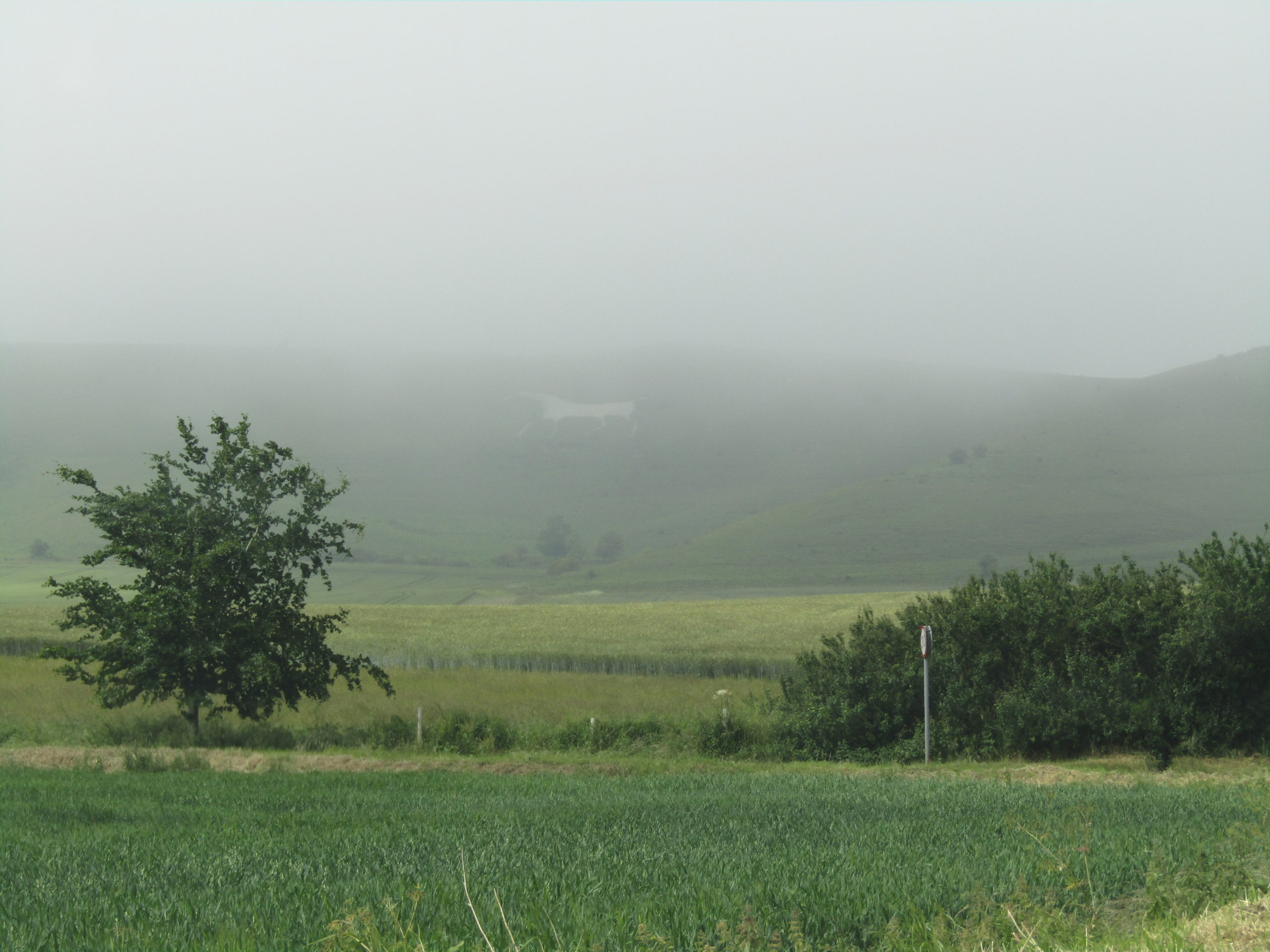
Wiltshire is the finest county, with a great many things to see and do, and good access to London and Bristol. If, like me you’re interested in the past, there is, what appears to be, an endless supply of antiquities to study. Such as the Alton Barnes white horse that you see in the image below.
But! One big snag in Wiltshire life – no coastline. Nor are there are many navigable rivers or lakes in the county. And so few opportunities for boats.
The spring at Limpley Stoke
So…we need to dig a canal…
In around 1373 the Dutch invented the pound lock. That being a simple system for getting boats over different water levels, on a river, below the weir to above the weir, and on a canal allowing it to cross over a hill rather than having to go around it.
This is, of course, a Eurocentric version of the story; the Chinese had pound locks on their canal as early as 984 AD.
Description
The Kennet and Avon (K&A) canal is in many ways a typical English waterway. It opened in the late 18th century, enjoyed profitable use until the coming of the railway. And then suffered a slow decline until closure. Now, in recent decades, it’s re-watered as a tourist attraction.
John Rennie, in 1794-181, built this canal. The canalised part is 57 miles (93km) long. including the canalised sections of the Kennet and Bristol Avon it is 87 miles (140km) in total. There are 105 locks and the last barge through came through in 1948.
The Kennet & Avon Canal Trust was one of the first organisations to fight for the preservation and restoration of the canal system for the benefit of the leisure industry. This idea took a while to absorb, given the negative vision of canals as nasty stagnant places full of rubbish winding without purpose through drab urban slums.
The K&A canal opened fully once more in 1991.
Wiltshire Features – Travelling from Avoncliff to Little Bedwyn
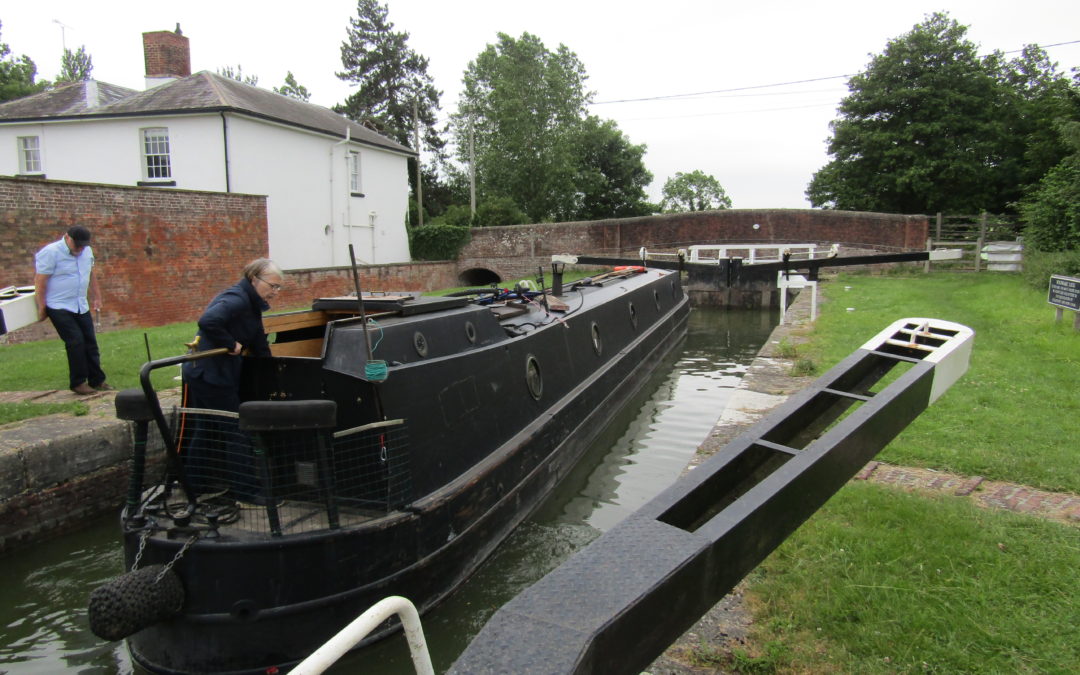
Caen Hill Locks (Lock numbers 22-50) – How do you get a barge up a hill? With a great deal of patience and one of England’s longest flights of locks.
It takes 5-6 hours to navigate by boat, though people say that a Newbury trader, J. T. Ferris, worked up the flight in 2.5 hours. This was the last part of the canal to see completion with the locks opened in 1810.
Caen Hill locks
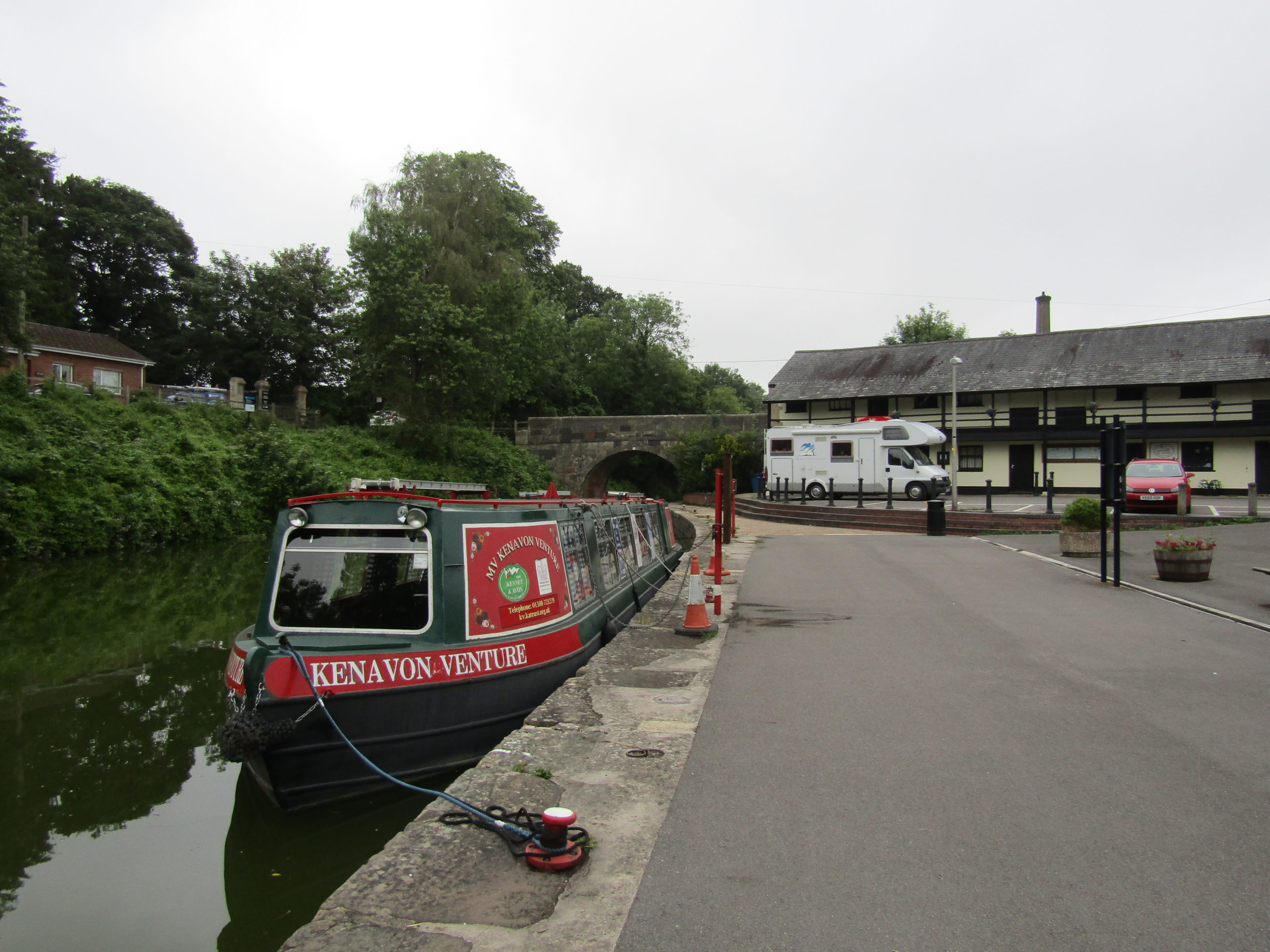
K&A Canal Museum. The museum of the K&A is at Devizes, run by the K&A Trust. This is the location of their headquarters and the shop. They do cruises in the summer months.
Honey Street Wharf – Roughly the half way point of the canal, Honey Street wharf was the main boatbuilding yard on the K&A. It’s known for its famous pub, The Barge.
Gates to Honey Street Wharf
Wilcot Wide Water– Environmental concerns amid industrial envelopment are not new things. Lady Wroughton, unlike some landowners, was not against the idea of a canal. But she cannily insisted it should be in the form of an ornamental lake. `Wilcot Wide Water`. The bridge at the end is especially decorative.
Wilcot Wide Water
Lady Bridge
The Bruce Tunnel – Thomas Brudenell-Bruce did not like the idea of a canal cutting upon his land, so a tunnel, (502 yards 459m) got built instead. Since there were no towpaths, the unpowered boats became drawn along by a chain.
Crofton pumping station
Crofton Pumping Station – This is the summit pound of the canal meaning that everywhere else is downhill – or stream. Using locks loses water and so needs topping up. This happens via a reservoir (as we see at Coate Water, near Swindon). Or pumped up from lower levels. There are both methods used at Crofton.
The `Number One` 1812 Boulton and Watt engine is the world’s oldest steam engine still in its original location. And it’s still able to do the job it first was fitted for. It’s accompanied by the `Number Two` engine, built by Harveys of Hayle, in 1846. This is the high point of the canal in more than mere altitude.
Crofton pumping station
In conclusion
Water Adds Value` the Canal and River trust tell us. A canal is a haven for wildlife which one might otherwise not find in the dry county of Wiltshire. It\s a place for industrial archaeology, a throughway for the waterway traveller, and a dwelling place for boat people,. And lastly it is part of flood prevention systems.
The Kennet and Avon is one of England’s most beautiful canals, being free of dowdy industrial or urban stretches. Yet, due to the significant number of locks, (105) it is more for the dedicated boat traveller rather than the cruising holidaymaker. Though you can hire holiday boats!
And, incidentally, you can enjoy the canal on foot or by bicycle as well as by boat.
PERFORMING ARTS COMPANY OFFERS SUMMER FUN FOR ALL CHILDREN – INCLUDING THOSE ON LOW INCOME
RPA arts fun for ALL The team at Revolution Performing Arts have joined the national HAF initiative. It’s backed by England footballer Marcus Rashford MBE.
This Holiday Activities & Food project, supported by government funding, is encouraging organisations across the UK to offer free places to children on low income. Families who wouldn’t be able to attend summer camps and sessions if their families had to pay.
Often these families have no spare income and cannot send their children to ‘summer schools’. Sometimes they cannot even afford to feed them. Eligible organisations offering places must commit to provide each child with a delicious meal every day. The places are for any child who receives free school meals.
Commercial, PR portrait of Fiona Da Silva-Adams owner of Revolution Performing Arts based in Swindon, Wiltshire. Images taken by Barbara Leatham Photography on July 22nd 2020.
HAF places in the borough and beyond
RPA founder Fi Da Silva Adams, signed up for the project via Swindon Council. She’ll offer HAF places in all RPA’s summer activities in Swindon, Wroughton and Shrivenham.
‘Our ethos at RPA is one of inclusivity. Poverty/low income shouldn’t exclude anyone from something they enjoy. I know what that feels like. I was one of those children who had free school meals and who had to take my ‘token’ and hand it over to get food. Because of that I know what that sense of exclusion and disadvantage feels like.
These places mean that those children who wouldn’t have been able to join us before due to lack of funds now can.
Summer fun sessions
RPA is staging summer fun sessions for children aged four to 11 years. The sessions will offer them opportunities to dance, sing and act across Swindon, Wiltshire, Gloucestershire and Oxfordshire. The HAF places are available for children who live in the Swindon Council area who are currently receiving free school meals.
The HAF project runs from July 26 to August 31 across the UK. It relates to activities provided by registered organisations recognised by their local authorities as offering credible summer activities for children from four years up to age 18. RPA’s activities are available for children aged four to 11.
‘Children have lost so much over the last year,’ Fi said. ‘Children need to meet and they need to have fun. We’ve designed every session with care to include green spaces so we can enjoy activities indoors and outdoors in safety.’
RPA will run sessions in singing, dancing, acting, song writing, theatre, arts & crafts, den building, outdoor water fun and more.
The sessions begin on July 26 to August 27 at four venues:
1. Lower Shaw Farm, West Swindon 2. Pineholt Village Centre, Hucclecotte, Gloucester 3. Legge House, Wroughton 4. Shrivenham Memorial Hall
Any parent who wishes to apply for a HAF placement for their child at the Swindon, Wroughton or Shrivenham venues can do it by applying via this link: www.swindon.gov.uk/HAF
Fi founded Revolution Performing Arts in 2007. Thee team have been running online sessions throughout all lockdowns. All RPA teachers are DBS checked, trained in first aid and receive training in safeguarding protocols.
RPA specialises in empowering young people to celebrate their individuality through the power of performing arts. For more information visit https://revolutionpa.co.uk
Quite how one might have a city in possession of an art collection of national importance yet nowhere to see it is a mystery to me. But then so much of what SBC does is a mystery to me. This is the unfunniest of jokes.
As a good friend said:
‘8 Years of limiting access to the collection except via outreach projects seems inadequate & reputationally damaging for a growing town seeking city status. I am reminded of the importance of the arts to so many throughout the ages, including Prime Minister Winston Churchill & his statement of the importance of investing in the arts for the good of the nation.His sister repeatedly stated the importance of the arts for his wellbeing too, especially in helping him to deal with the ‘ black dog ‘ of depression and how painting & access to the arts enabled him to ‘ keep going‘ when times were tougher than ever.’
The CMDB
The Cabinet Member Decision Notice from 29th June 2021 does not make for an edifying read. So much is wrong with this whole thing I don’t where to start. Luckily for me, I don’t have to. Here’s some initial thoughts on the matter from one of the Friends of the museum and art gallery on the matter and I’m repeating them here. Edited only for the purposes of all the SEO stuff.
Aspley House
Extracts from the cultural quarter prospectus
Here’s some extracts from Swindon’s cultural quarter investment prospectus.
‘The town’s Art Collection is a superb, international quality celebration of painting and studio ceramics. Much of it among the very best work of British artists at work in the mid-twentieth century. The collection is loved and cherished but deserves for more people to see it. And for the collection to be form a visitor destination in its own right.
To achieve this, the cultural quarter will feature a new and dramatic pavilion at the heart of the new public park in the Kimmerfields development. A permanent home for the display of the collection and its appreciation through permanent and changing displays of art and ceramics. All in a landmark ‘jewel-box’ of a building. And that set in a public realm that will itself be a place for public art and for outdoor and informal performance’.
‘The town’s museum collections tell important stories about how Swindon came to be. And about the lives of its communities down the centuries. For new communities, and for young people growing up in Swindon, the museum collection is important in defining what it means to be a ‘Swindonian.’
AND THIS PROPOSAL WILL DENY A WHOLE GENERATION OF SWINDON’S YOUNG THAT VERY THING.
To ensure the widest possible access to, and enjoyment of these collections and stories, the quarter will extend to an imaginative project to consider their redisplay at the Town Hall. From which Swindon Dance will move to the new Dance Centre, linked with the town’s Central Library, at the Regent Circus southern end of the quarter’
Page 59 – The route to realisation and Page 60 Organising the delivery plan
‘This programme is indicative at this stage’
Timeline for new Art Gallery at Kimmerfields
If the Museum is going to move to the old Town Hall, following building of the new dance centre, these indicative timelines would apply:
So no museum and art gallery for around a decade?! Assuming that the cultural quarter (God I loathe that term – everything’s a quarter. Shudder) ever happens.
As much as it might be a nice thing I suspect it’s about as real as fairies at the bottom of the garden and the lost city of Atlantis. Not that I’m cynical.
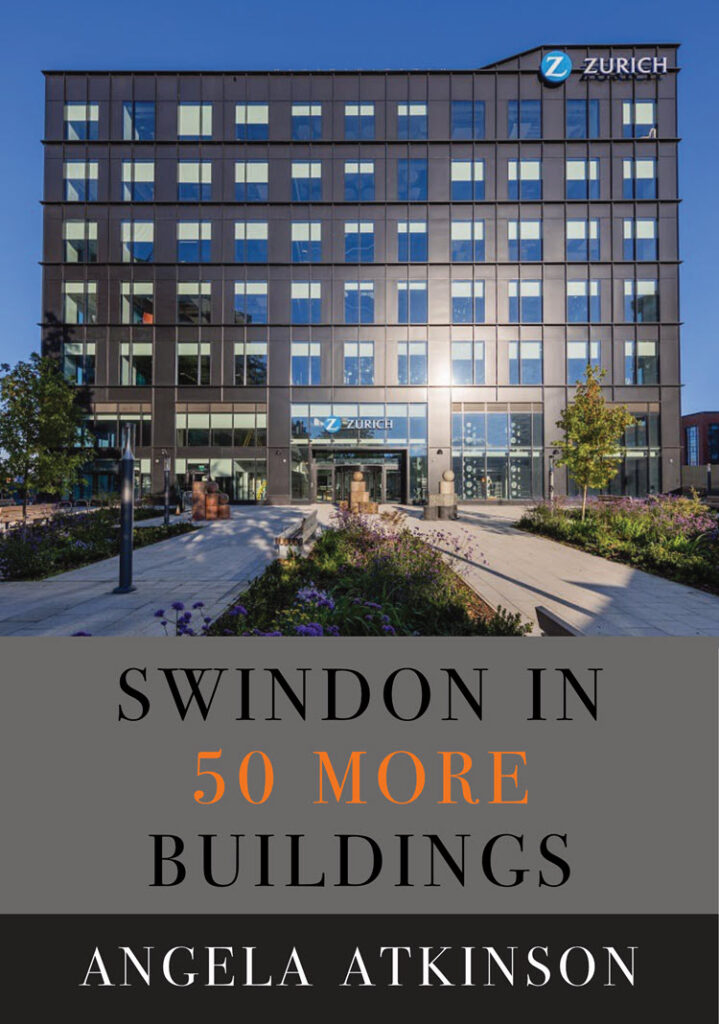
Just … NO! This is simply absurd! It’s a disaster – in no small part because the museum and it’s contents feature in Secret Swindon and Swindon in 50 Buildings!
Thoughts on the closure of Apsley House
Many points to ponder and ask here!
1. How can Swindon apply for city status when it’s considering shutting down the Museum and Art Gallery for several years?
2. Are there covenants on the collections, which mean that they have to be made available for the residents of Swindon?
3. If Apsley House must remain closed then then the council must find a new permanent location. At once and within Swindon Town Centre for the display of parts of the SMAG Collections until the new facilities are opened.
4. The proposals for the new cultural quarter should include detailed arrangements for the storage, care and security of all the SMAG collections. All with an undertaking that no items are disposed of in any way.
5. The proposals for the new cultural quarter should include provision for specifically dedicated staff to be in charge of the SMAG collections throughout the whole of the transition period.
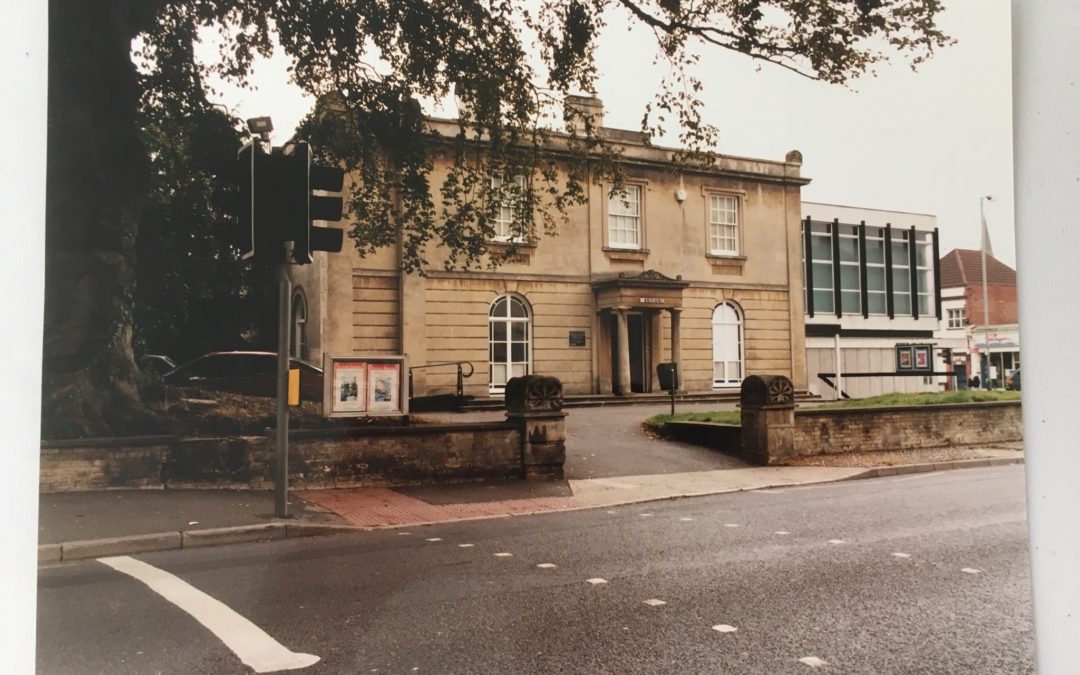
Apsley House and adjoining Gallery extension
How did SBC acquire the house?
Are there any covenants on its use?
If Apsley House is sold is there any way of ensuring that the proceeds go towards maintaining the SMAG collections?
Have SBC submitted an expression of interest in the Museum Estate and Development Fund? Through that grants of £50k to £5m are available? If not – why not?
A package
The house and Gallery extension might be difficult to sell together. Apsley House has Grade II listing.
The upper floors of Apsley House are not accessible at present for all visitors because of the short stair flights. But the ground floor rooms are accessible. And the Gallery is accessible via the existing lift. Is there any room for the addition of toilets on the ground floor or at the gallery level?
Is it possible to keep the gallery as a separate building with provision of accessible toilet and staff accommodation?
And below a link to further comments from Cllr Jane Milner Barry
If people are so moved here are some useful email addreses:
Robert Buckland: robert.buckland.mp@parliament.uk Cllr Renard: DRenard@swindon.gov.uk SBC CEO: ceoffice@swindon.gov.uk Editor of the Swindon Advertiser: pete.gavan@wiltshire.newsquest.co.uk