Swindon Art Club Competition. SWINDON’S largest children’s visual arts organisation announces a summer art competition and exhibition for children across the town.
Let’s Create Art Club, founded by artist Rachel Bray, allows children to explore painting, drawing, sculpture and design in a safe, fun, and pressure-free environment. It does so through after-school clubs and holiday art camps for children aged four to twelve.
To mark this summer like no other, Let’s Create Art Club are launching their town-wide art competition: ‘Let’s Create Swindon Summer Art Competition’.
‘Over the years I’ve run a few competitions in the schools in which we have our clubs but nothing on this scale. I want to include and exhibit as many local children as I can’ said Rachel. ‘Plus, they have the chance to win some fantastic prizes!’
Swindon Art Club Competition – Rachel Bray
The competition theme
The theme for the competition is ‘My Imagination’. And KS1 and KS2 aged children who attend any Swindon primary school can take part.
‘I chose the theme of ‘My Imagination’ because it was broad. And it’ll allow children to embrace their creative ideas and have them shine through in their artwork,’ said Rachel.
They can use any artistic medium to create their pieces as long as they are A4-sized, 2D, dry and hard copies (not photograph copies or digital art) when submitting.
‘Competitions like these are about far more than prizes. They give children confidence, time to express themselves and see that their ideas have value. To have an exhibition of children’s artwork at the end of the competition and the start of the summer holidays is going to be so exciting for them,’ she said.
To submit their artwork, students will hand their completed pieces into their school office where it will be collected after the deadline. Rachel is inviting all Swindon schools to take part. Should your child’s school decide not to take part, get in touch with Let’s Create Art Club to submit directly.
The deadline for entries is Monday 6th July.
Announcements and exhibitions
Rachel will announce winner, runners-ups and highly commended submissions the week commencing Monday 13th July.
The variety of prizes available for the lucky winner and runners up of the ‘Let’s Create Swindon Summer Art Competition’, comprise art hampers and days at summer Art Camp. Also Amazon and Hobby Craft gift vouchers.
From the end of July, selected artwork will go on show at the Let’s Create Art Club’s summer exhibition at the Richard Jefferies Museum, next to Coate Water Country Park in South Swindon. Children and families will be able to visit the museum and see their work in a gallery setting.
‘By exhibiting selected entries and sharing their work we are showing children their creativity matters and deserves going on show. I hope they will feel so proud when they see their work exhibited in a museum!’
Let’s Create Art Club is a member of the Institute of Children’s Activity Providers (ICAP), ensuring the club meets high standards for safety, inclusion and engagement.
Employers across the South West are being reminded that rising temperatures bring important health and safety responsibilities. In these circumstances it’s a requirement of businesses to assess and manage hot weather risks in the workplace.
Andrew Wilkinson, founder of Secure Safety Solutions in Swindon, urges employers not to underestimate the effect of high temperatures on workers. In particular as summer temperatures continue to rise across the UK.
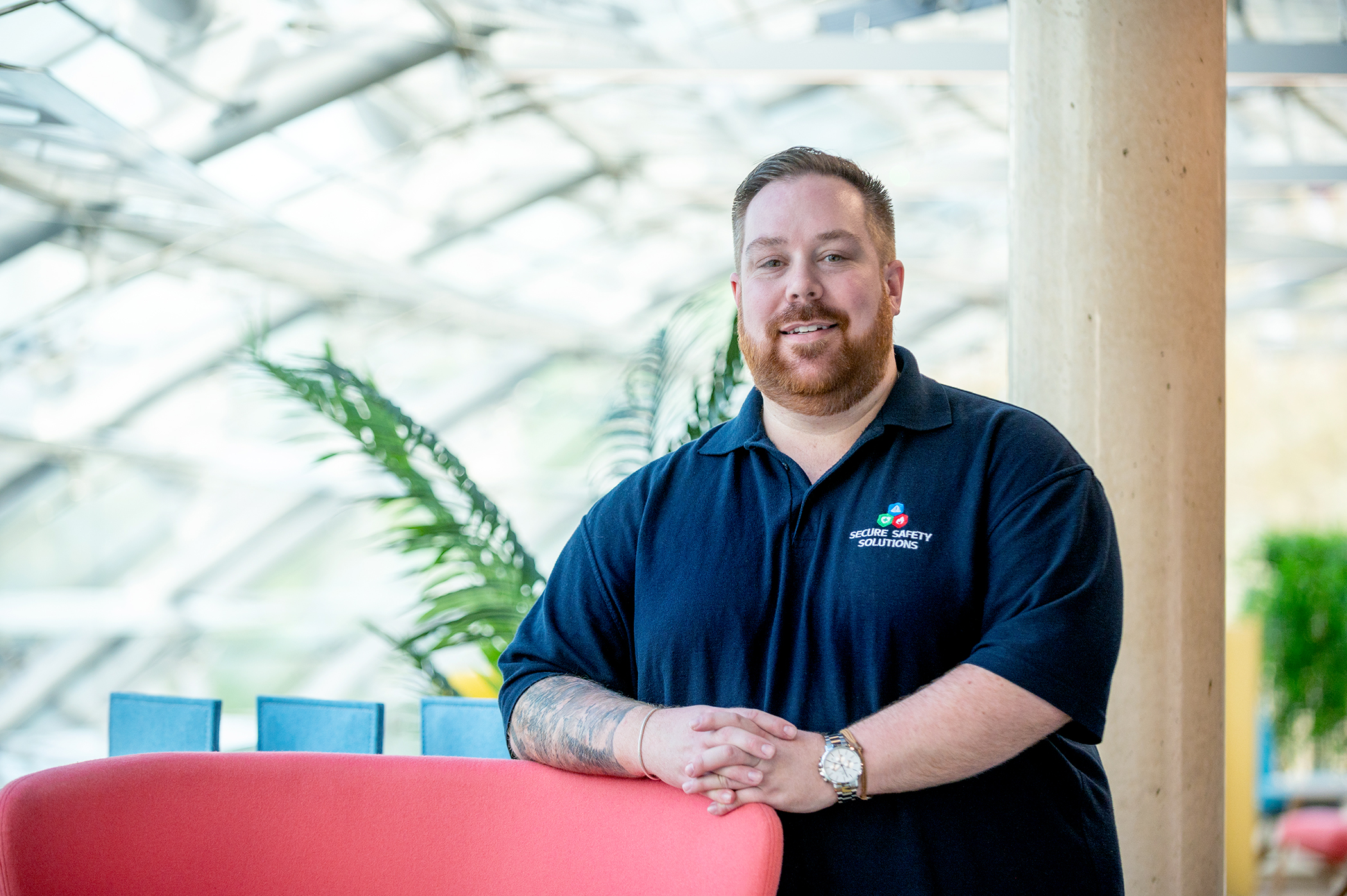
Employer Responsibilities in Heatwaves – Andrew Wilkinson of Secure Safety Solutions
Minimum and maximum
He said: ‘There’s no legal maximum workplace temperature in the UK. But employers have a duty under health and safety legislation to protect workers from heat-related risks. The workplace (health, safety and welfare) regulations expect employers to provide a reasonable indoor temperature. While the management of health and safety at work regulations requires businesses to assess workplace risks and put suitable controls in place.’
For construction companies, the construction (design and management) regulations expects reasonable temperatures in indoor working areas. And appropriate protection from adverse weather for those working outdoors. Employers must maintain site welfare facilities at a suitable temperature.
‘It surprises many employers to learn that there’s no maximum legal workplace temperature in the UK,’ said Andrew who is a health and safety expert with 20 years’ experience.
Yet, that does not mean businesses can ignore the issue. Heat’s recognised as a workplace hazard like any other risk. And employers have a legal duty to assess it and take reasonable steps to protect staff.’
Effects of high temperatures
High temperatures can:
affect concentration
increase fatigue and…
lead to dehydration, heat exhaustion and, in extreme cases, heat stroke.
Workers in physically demanding roles, outdoor environments, warehouses, kitchens and factories can be particularly vulnerable during heatwaves.
Andrew advises businesses to carry out heat-related risk assessments. And consult employees on practical measures that can help reduce the effects of high temperatures. These might include:
Increasing access to drinking water
Introducing extra rest breaks
Improving ventilation
adjusting working hours and providing shaded areas for outdoor workers.
‘Heat stress can develop fast and often goes unnoticed until someone becomes unwell,’ Andrew said. ‘Simple measures such as:
encouraging hydration
rotating physically demanding tasks …
and allowing more frequent breaks can make a significant difference.
Employers should also ensure managers understand the signs and symptoms of heat stroke so that intervention can happen early.’
Symptoms of heat stroke can include:
confusion, slurred speech
hot, red, dry skin and changes in ‘normal’ sweating
racing heart beat or shallow breathing
headaches, dizziness
nausea and/or vomiting.
Code of practice
The Health and Safety Executive’s Approved Code of Practice suggests a minimum workplace temperature of 16°C for indoor work. Or 13°C where the work involves rigorous physical effort. But, when there’s a significant rise in temperatures, employers must determine what’s reasonable based on the nature of the work, the environment and the needs of their workforce.
Andrew believes employers who take a proactive approach not only reduce legal risks but also improve productivity and staff wellbeing.
‘Businesses that look after their people tend to see better morale, lower absenteeism and improved performance,’ he said. ‘As periods of extreme weather become more common, organisations need to think about heat management as part of their overall health and safety strategy. Rather than something that only becomes important during a heatwave.’
Secure Safety Solutions provides health and safety consultancy, risk assessments, fire safety advice and compliance support to organisations across the UK. Based in Swindon, the company works with businesses of all sizes to help them create safer and more compliant workplaces.
The next open studios at Mulberry Gardens, on Friday 26th June 2026 from 2-7pm, explores the way artists and writers use words for inspiration. The free entry includes various activities such as a writing workshop and an open mic from 6-7pm. Refreshments are available and art will be for sale.
After the success of the last event in May, the team have booked the same lovely weather (:-)). So everyone can enjoy chatting with artists and writers in the beautiful gardens.
Artists Helen Savin and Komic will display their poetry-inspired work. Incorporating their own haiku verses into handmade and hand-altered books. They are exploring different methods in their art practices to make the books a mix of words and images. Joining them in the potting shed is Zozo Thomas, author and illustrator, offering a chance to have a go at calligraphy or try illuminating some letters.
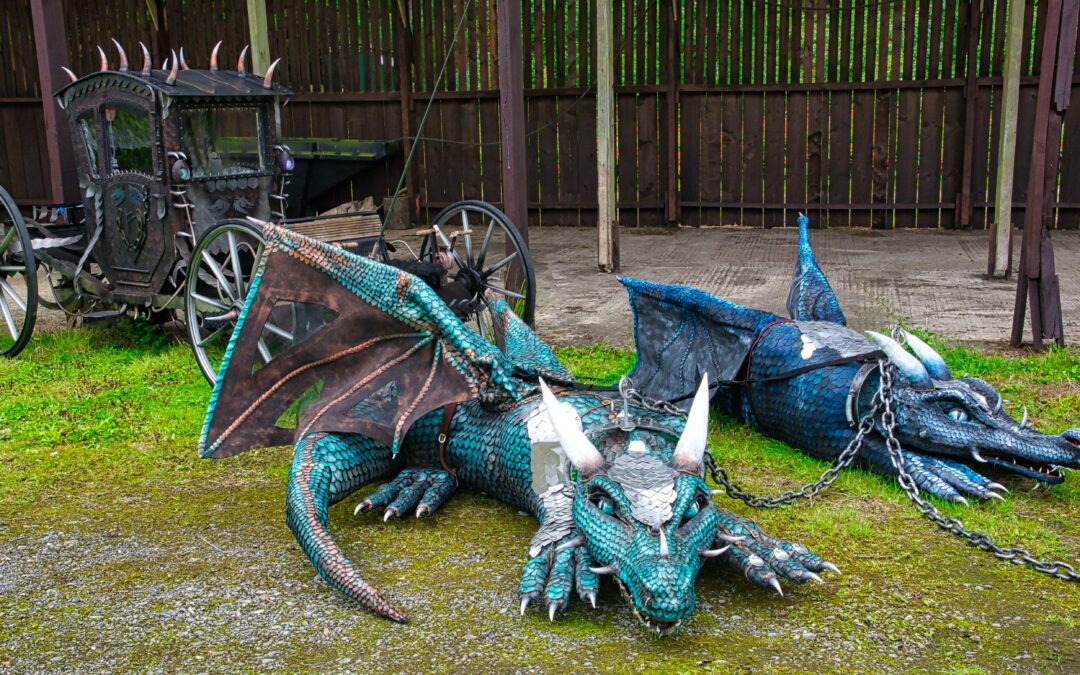
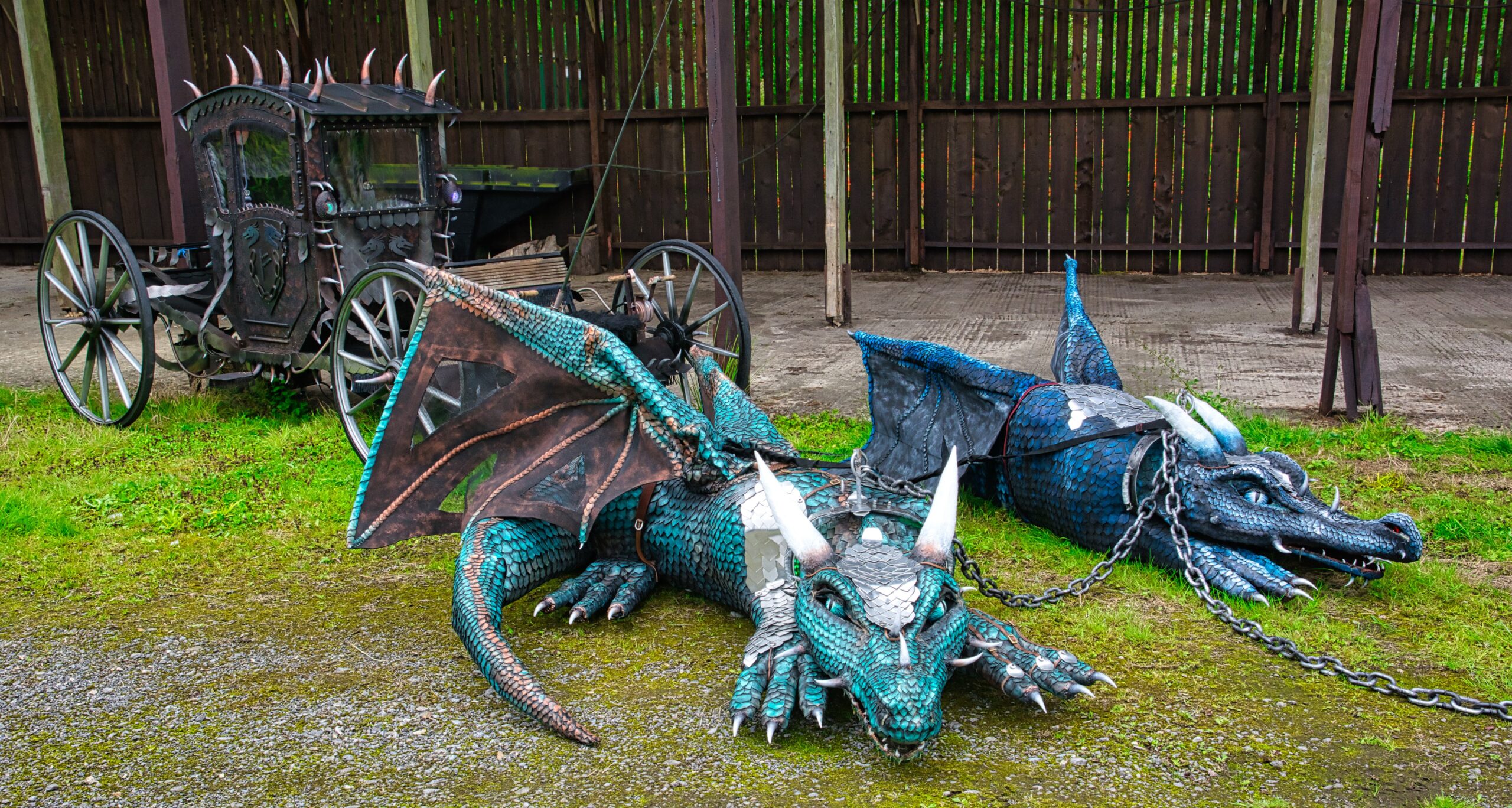
Podpadstudios will be showing their animatronic coach and dragons. And telling the fearsome origin story of the ‘baby’ (5’ long) dragons Stardust and Steel. Come along to find out how the wicked witch, Fortuna, stole them as eggs. And has been manipulating them ever since. Maybe you can finish their story, as there will be a dragon-based story writing activity.
Words on Whitworth – Podpad studios baby dragons and coach
Writing workshop
Joining us too is author Judith Cranswick. Judith writes cosy travel mysteries which all take place during a holiday. Her books will take you on a vicarious journey to foreign parts. She’ll be running 2 workshops. At 2:30pm she will be talking about her writing life, from writing short stories to travel mysteries, how she became a published novelist. Then at 3:30pm, Judith will be running a writing workshop – Everyone Can Write so why not come along and have a go!?
Open mic
At the end of the evening there’ll be an open mic run By Peter Pod Poet, from 6-7pm. Anyone can take part, reading prose or poems, of up to 3 minutes long, either their own work or something by another writer. Slots are allocated on a first come first served basis, see details below. Please bring your own picnic chair or rug to watch the open mic.
More details
Why not bring the family, get inspired and entertained! The event is from 2-7pm on Friday, 26th June 2026, at 225 Whitworth Road Swindon SN25 3BX. Entrance to the open studios is free. But donations towards the upkeep of the garden we accept with grateful thanks. It’s advisable to book so that the organisers can get an idea of numbers.
If you would like to appear on the open mic, slots will be booked on a first come first served basis, to register: email peterpod74@gmail.com or Whats App 07754 194670.
2:00pm studios open Any time:General activities: Dragon story writing activity, calligraphy, illuminating letters. 2:30pm: Judith Cranswick talks about how she became a published novelist. 3:30pm: Judith Cranswick writing workshop – Everyone Can Write 6:00pm: Open Mic: run by Peter Pod Poet 7:00pm Studios close
Podpad studios …
… makes creations for film, TV and exhibitions and has a considerable catalogue of props for hire. It is a family business based in Swindon, run by husband and wife team, Anna and Mark Enright, who share a passion for prop making. Both directors have alter egos; catch up with Master Maker and Mrs Breaker on their YouTube Channel …. with over one million views across their social media platforms, no one is safe!
Zozo ThomasAuthor and Illustrator, Zozo Thomas has collaborated with Podpadstudios for open studios, for many years, as they are both based in the Rodbourne Cheney area of Swindon. Her illustrated children’s books, based on the plants and animals in a fictional version of her own garden, are fun for all the family.
Swindon Open Studios. The ever-popular Open Studios event is run entirely by volunteers. Artists all over Swindon open their studios or exhibit at other venues during the last two weekends of September. https://www.swindonopenstudios.org/
Financial Planning Firm Rewarded for their supportive workplace.
The team at Southby & Co. Financial Planning, based in Wroughton, has received a ‘Highly Commended’ award in several categories in prestigious national awards. Awards that recognise financial services firms building strong and supportive working environments for their teams.
The Swindon firm found themselves named ‘Highly Commended’ in both the Women’s Equality Champion category and the Mental Health Advocacy category at the Workplace Excellence Awards 2026, run by FT Adviser.
These awards, now in their eighth year, highlight businesses across the UK. Businesses that are making a real effort in how they support their people. That’s from day to day culture through to wider inclusion and development.
Founder Dave Southby said ‘Being acknowledged for creating a workplace where people feel supported, valued, and empowered is something we’re so proud of. These recognitions reflect the culture we’ve worked hard to build and, above all, the fantastic people who make Southby & Co. what it is.’
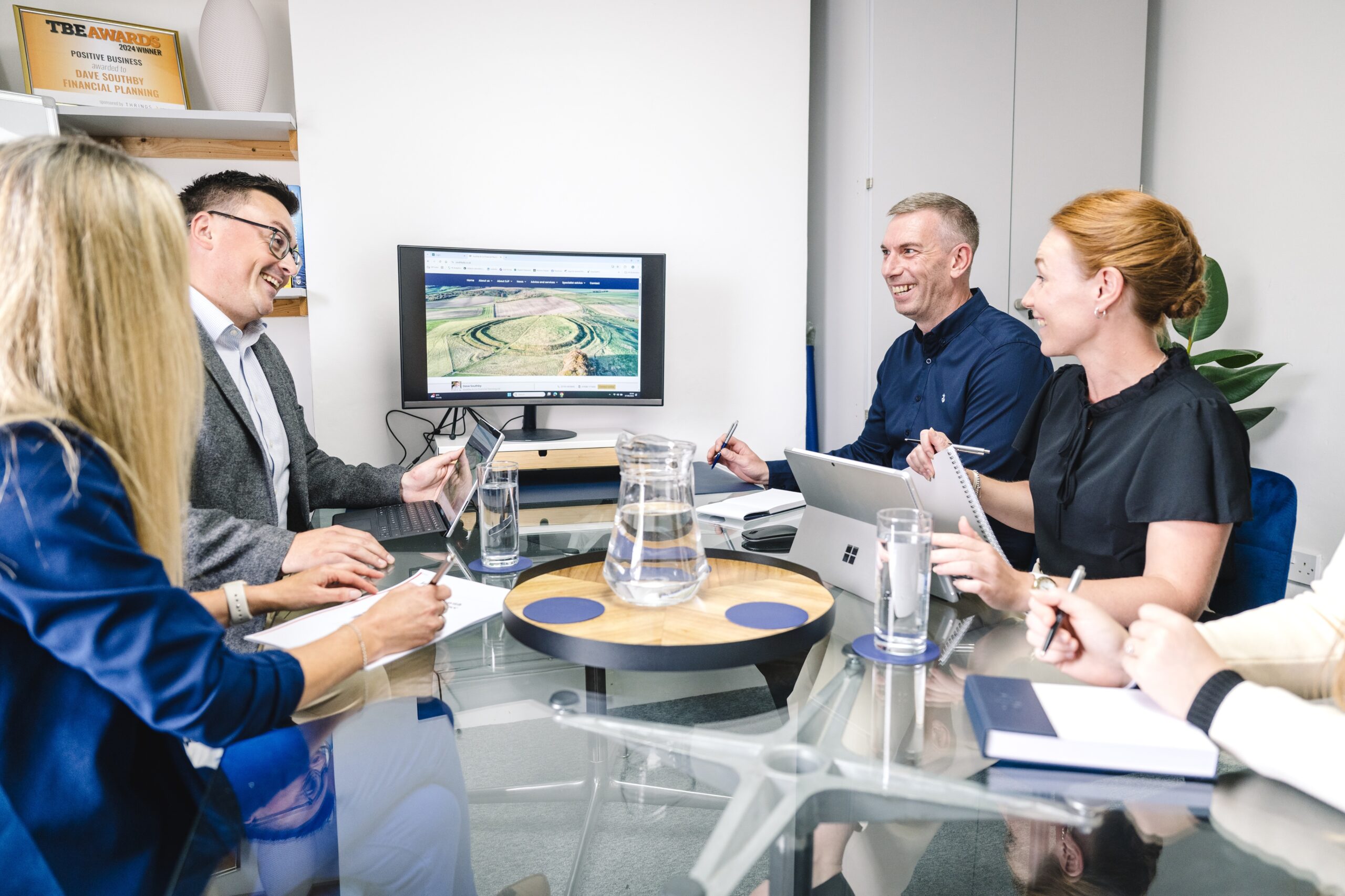
Financial Planning Firm Rewarded – members of the team at Southby & Co Financial Planning
About the awards
These awards, now in their eighth year, highlight businesses across the UK. Businesses that are making a real effort in how they support their people. That’s from day to day culture through to wider inclusion and development.
Founder Dave Southby said ‘Being acknowledged for creating a workplace where people feel supported, valued, and empowered is something we’re so proud of. These recognitions reflect the culture we’ve worked hard to build and, above all, the fantastic people who make Southby & Co. what it is.’
The awards recognise firms for what they are actually doing for their people, rather than what’s written in policies. Being awarded as ‘Highly Commended’ for the mental health advocacy award is an honour for the team.
‘When it comes to financial support and advice, putting mental health first is essential. And it starts within our team and out to our clients,’ said Dave.
‘Being recognised at the Workplace Excellence Awards for our efforts towards mental health awareness and support is fantastic and it fuels us to keep going.’
Getting this award in the Women’s Equality Champion category is particularly important to financial adviser, Jenny Ashfield.
Southby & Co. has built a small team working with clients across Swindon and North Wiltshire. As the business approaches its fifth anniversary and continues to grow, the team is six-strong and far from its early days of being a one-person operation.
Reflecting on this journey, Dave said: ‘Southby & Co. would be nothing without its hard-working team. I wanted to say a huge thank you to them for their continued commitment, care, and dedication every day.
‘This recognition belongs to you all’.
Southby & Co. works with individuals, families and business owners across Swindon and North Wiltshire. The firm helps them manage their finances and plan for the future.
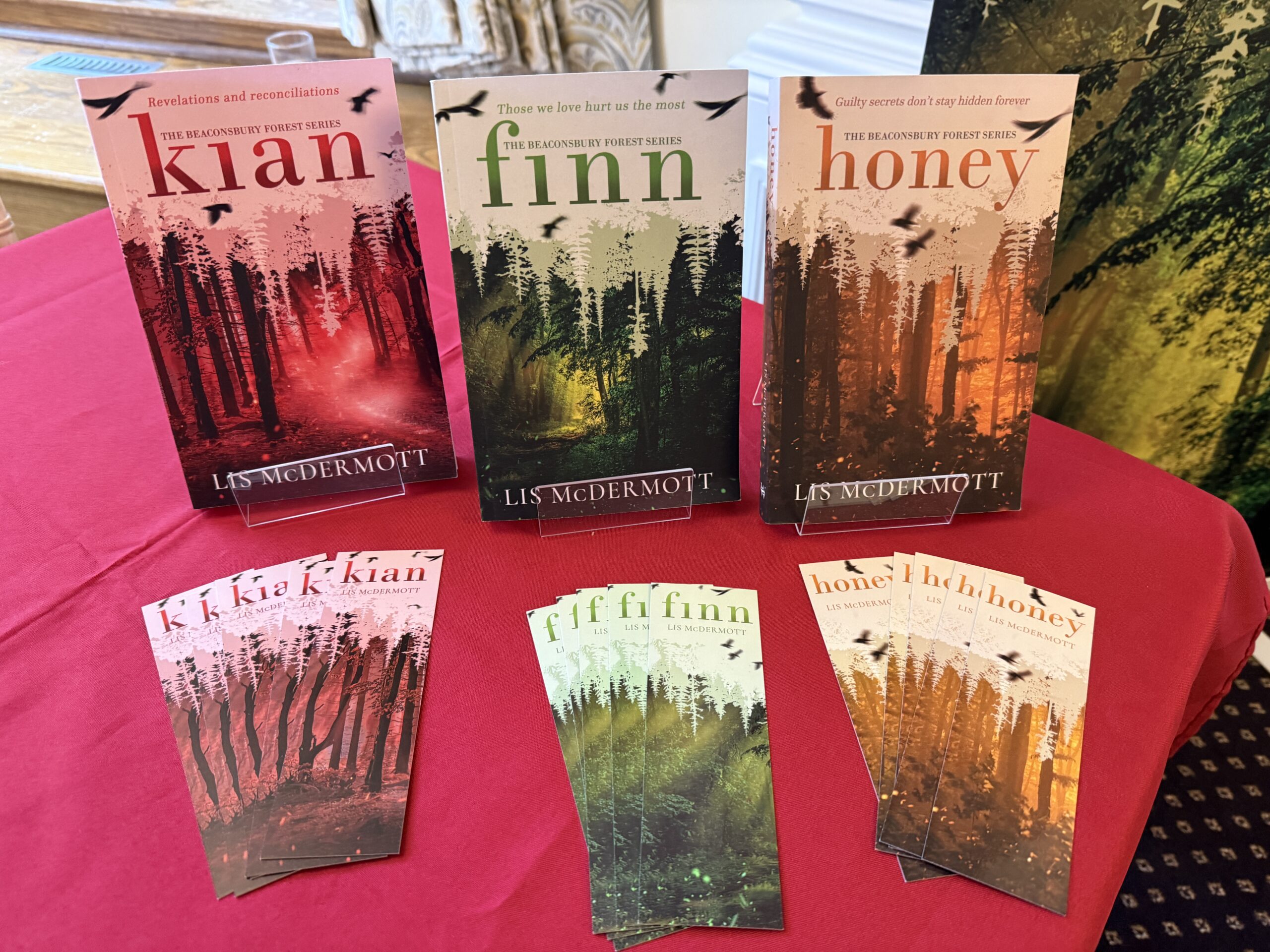
Wiltshire Author Celebrates New Book hitting the shelves. Lis McDermott, author and writing mentor, has released Kian the last book in her first trilogy, The Beaconsbury Forest Series.
Kian, released on Wednesday 17th June, concludes the mysterious and family saga series set in the fictional Beaconsbury Forest. All three draw heavy inspiration from the Forest of Dean.
‘It’s hard to say a lot about Kian without giving things away. Being the final one in the series it has many revelations, and reconciliations too. Book 1, Honey, and Book 2, Finn, are each written from the point of view of the character in the book’s title,’ she said.
‘This last book moves between the points of view of Honey, Finn and Kian as they react to the revelations in the storyline. The readers will get their questions answered, and they may feel shocked!’
Lis, who lives in Royal Wootton Bassett, celebrated the release of Kian, her 6th novel, by hosting a book launch at Stanton House Hotel near Swindon.
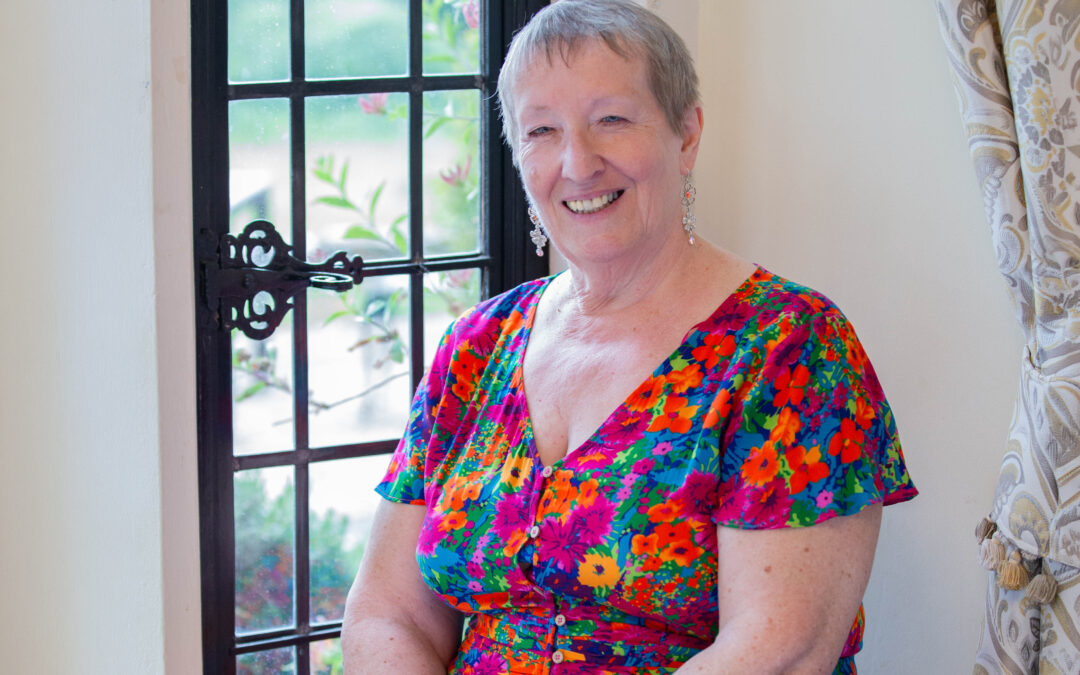
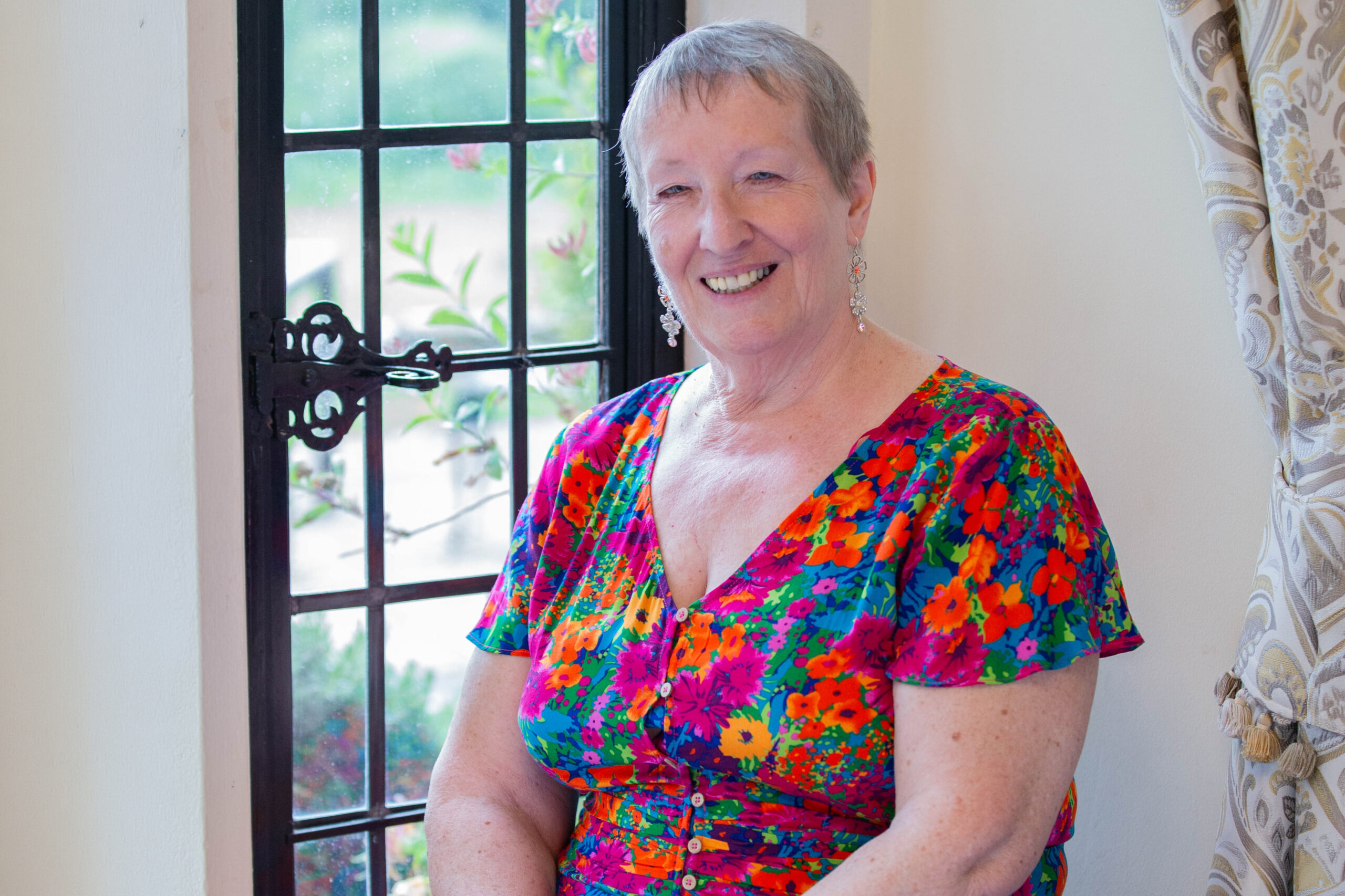
Wiltshire Author Celebrates New Book – Lis McDermott
The launch
‘The book launch was wonderful. I love being able to share my latest book with readers, and I’m lucky to have built up a following of people who have come along to support me,’ she said.
‘This time I was lucky enough to have Fiona Scott interview me. She asked some brilliant questions, and made me think hard.
‘Plus, I always like to involve the audience, so usually have a short quiz – which caused a great amount of laughter.’
First trilogy
Having written 17 mixed-genre books in her career, from non-fiction, to fiction, and poetry, this is Lis’ first trilogy.
‘Writing a trilogy has been very different to writing standalone books,’ she said. I found that I wrote the three books far quicker than I’d expected to. But part of that was that I wanted to get the story out and pull it together.
‘I’m so proud of myself and have enjoyed creating the community and multigenerational characters involved in the three books.
‘I’m not sure I’ll write another trilogy. But I’m working on an idea for another series and I’m still exploring what genre the books will be…’
After the release of Kian, Lis is focussing on re-writing her released autobiography, Mixed Feelings. In it she shares her and her husband’s love story. ‘I’m bringing it up to date and also correcting the many mistakes I’ve found because of my lack of experience at the time. It’s exciting and reflective work which I’m super passionate about!’