Radnor Street Old Town: 1877. In the main, I’ve included Radnor Street within these Swindon in 25 Streets pages because of the presence upon it, of the iconic Radnor Street cemetery. It being a special and much-loved Swindon site. But more on that later.
But of course, there’s more to say about this street than that – not least of which is that it didn’t always go under its current name. Frances Bevan, writing for the much-missed Swindon Heritage magazine asks what became of Redcross Street – the original name. She describes how, at an 1881 meeting of the New Swindon local board, a proposal was put forward to change Redcross Street to Radnor Street. Though no record exists of the reason for the change.
What’s in a name?
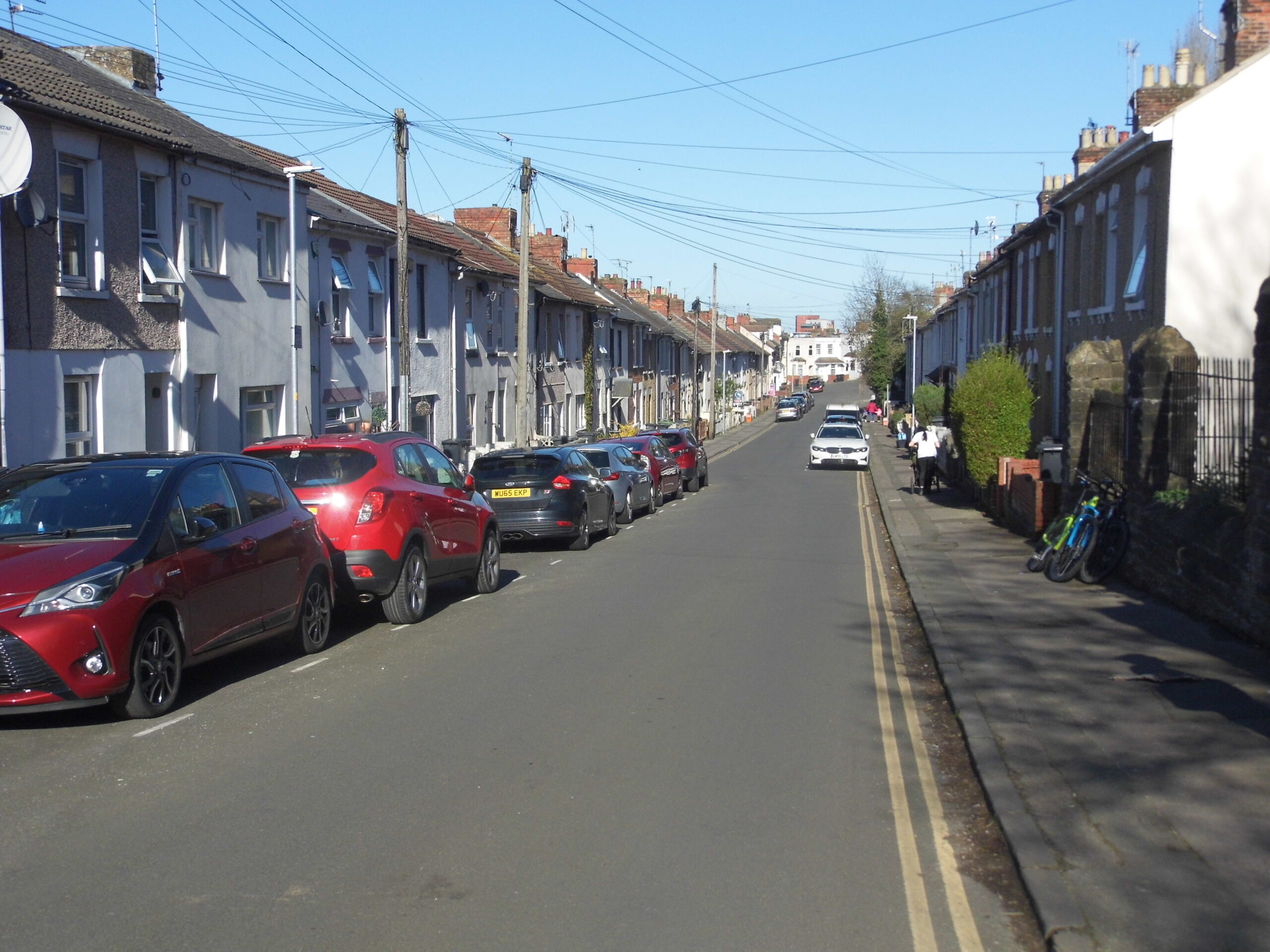
Radnor Street then takes its name from William-Pleydell Bouverie (1841-1900), 5th Earl of Radnor and one-time MP for south Wiltshire. Nowadays it extends from Cambria Bridge Road to Stanmore Street. And, as Frances states, a complex of nineteen flats and houses named Redcross Place is the only reminder of this street’s original name.
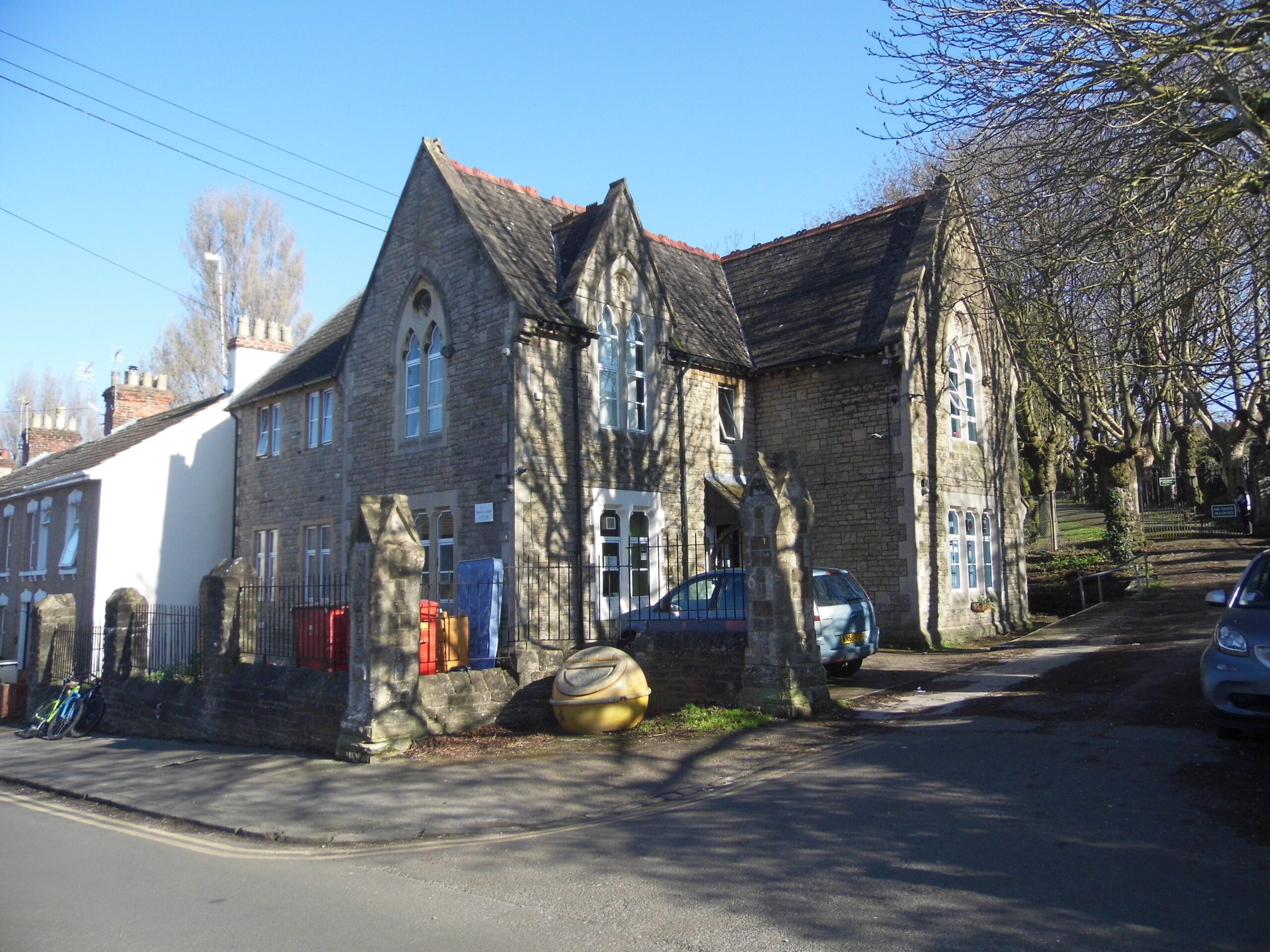
The gospel according to Mark Child states that, by 1885, the street featured a terrace of thirty-three properties on its north side. And a run of twenty on the south side, plus a lodge at the Radnor Street entrance to the cemetery – laid out 1880-1881. Now a youth hostel, it first served as a home for the cemetery caretaker.
Describing the street, Frances explains that the houses on the northern side are often larger than they appear. Thanks to the steep hill down to William Street several of them are two-storeyed at the front but three-storeyed at the back. And often with sizable cellars too.
At length, Radnor Street extended towards the south-west with Clifton Street being inserted between Radnor Street and William Street. Come 1900, Radnor Street boasted fifty-five properties.
Commercial and social activity on Radnor Street
Radnor Street’s rich history has included a number of businesses. Of most note, it’s arguable, was the Kingshill Co-operative Bakery and stables at 54 Radnor Street. There was too, amongst other things, a corner shop, the Radnor Stores, at the junction with Cambria Bridge Road – long since a private house. And also the Clifton Model Dairy.
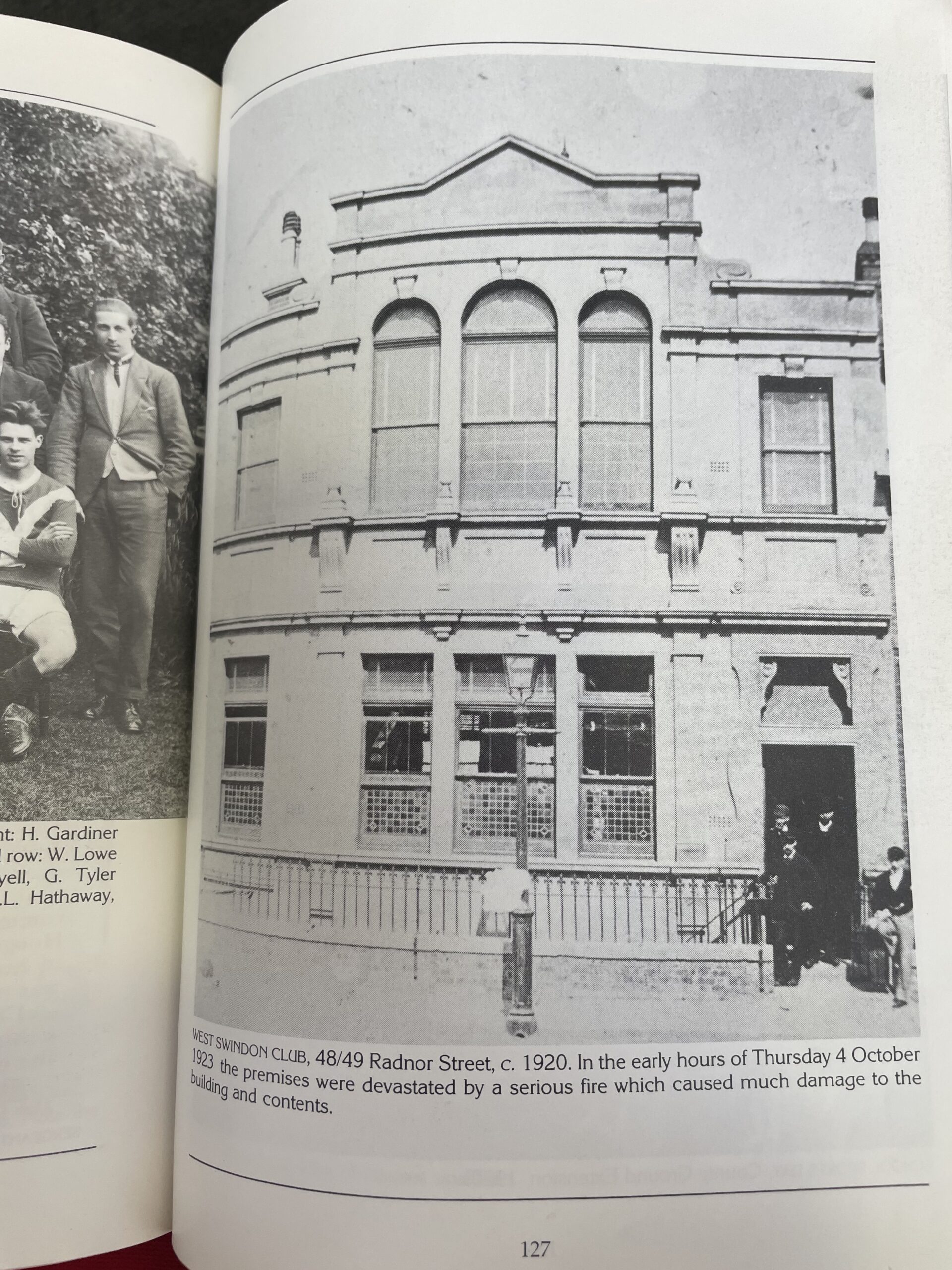
Circa 1885 and to provide a social outlet for Radnor Street residents, there came a CIU affiliated working men’s club. The West Swindon Club – one of the oldest in the town. Sadly, this building met a fiery end on 4thOctober 1923. Bad news for its 700 members. As for it being named the West Swindon club –it was so-called because, at its founding, Radnor Street was classed as being West Swindon at this time. . Nothing west of Westcott had yet been built. That’s the theory anyway
The street’s population
When digging around I came across this Heritage Calling blog.It asserts that, in 1981, most of Radnor Street’s residents weren’t Swindon born. Rather they were a diverse bunch hailing from many areas of the country including as far away as Scotland.
Radnor Street cemetery
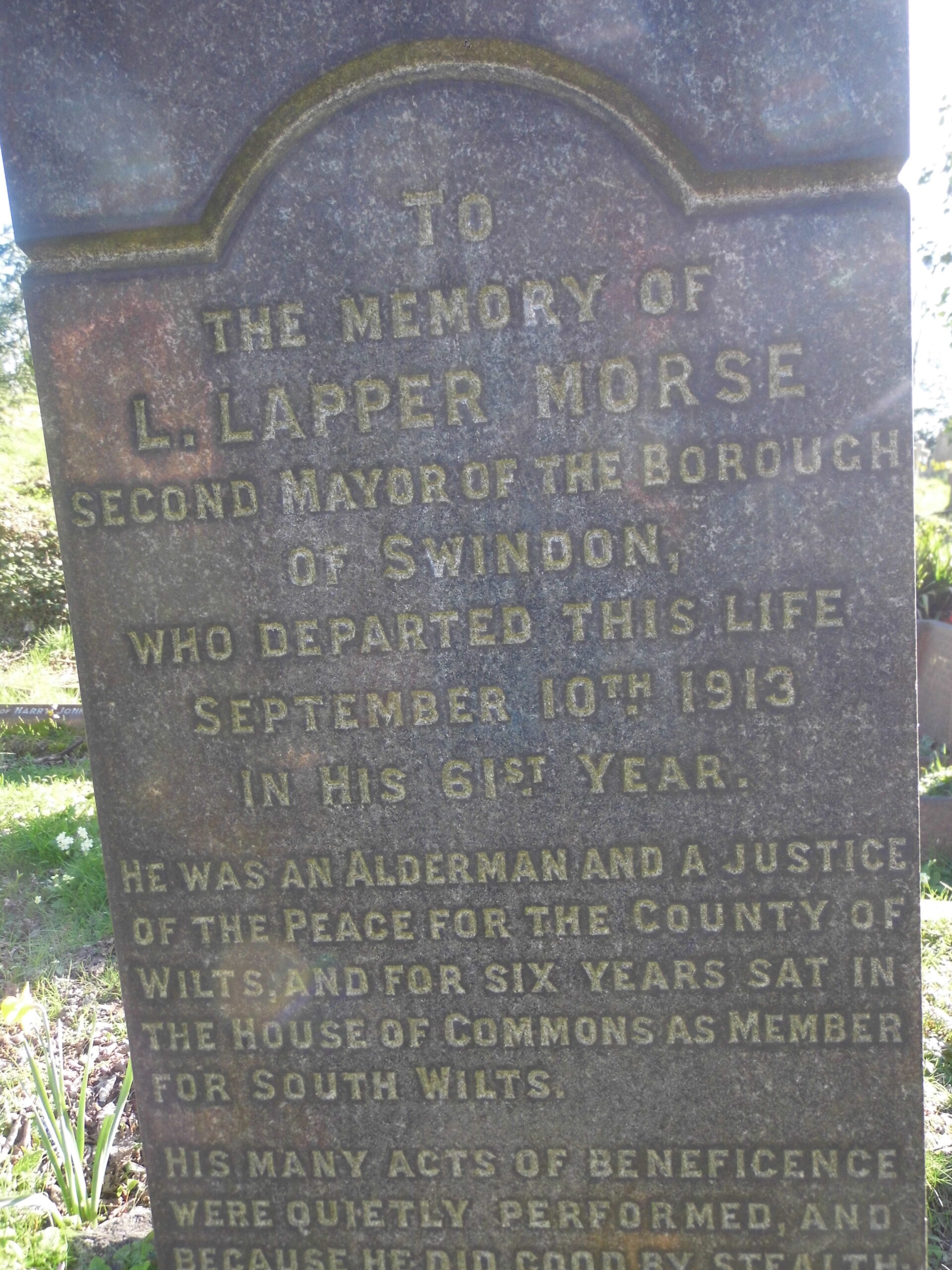
Measuring 11.5 acres, this cemetery cum designated local nature reserve holds 33,000 graves. Although closed to new internments back in the 1970s, there are still burials in existing family plots. It’s also a Commonwealth War Graves Cemetery with graves of 104 casualties across both world wars. Among the Swindon notables buried there we have Levi Lapper Morse (2nd mayor of the borough), Raggy Powell.
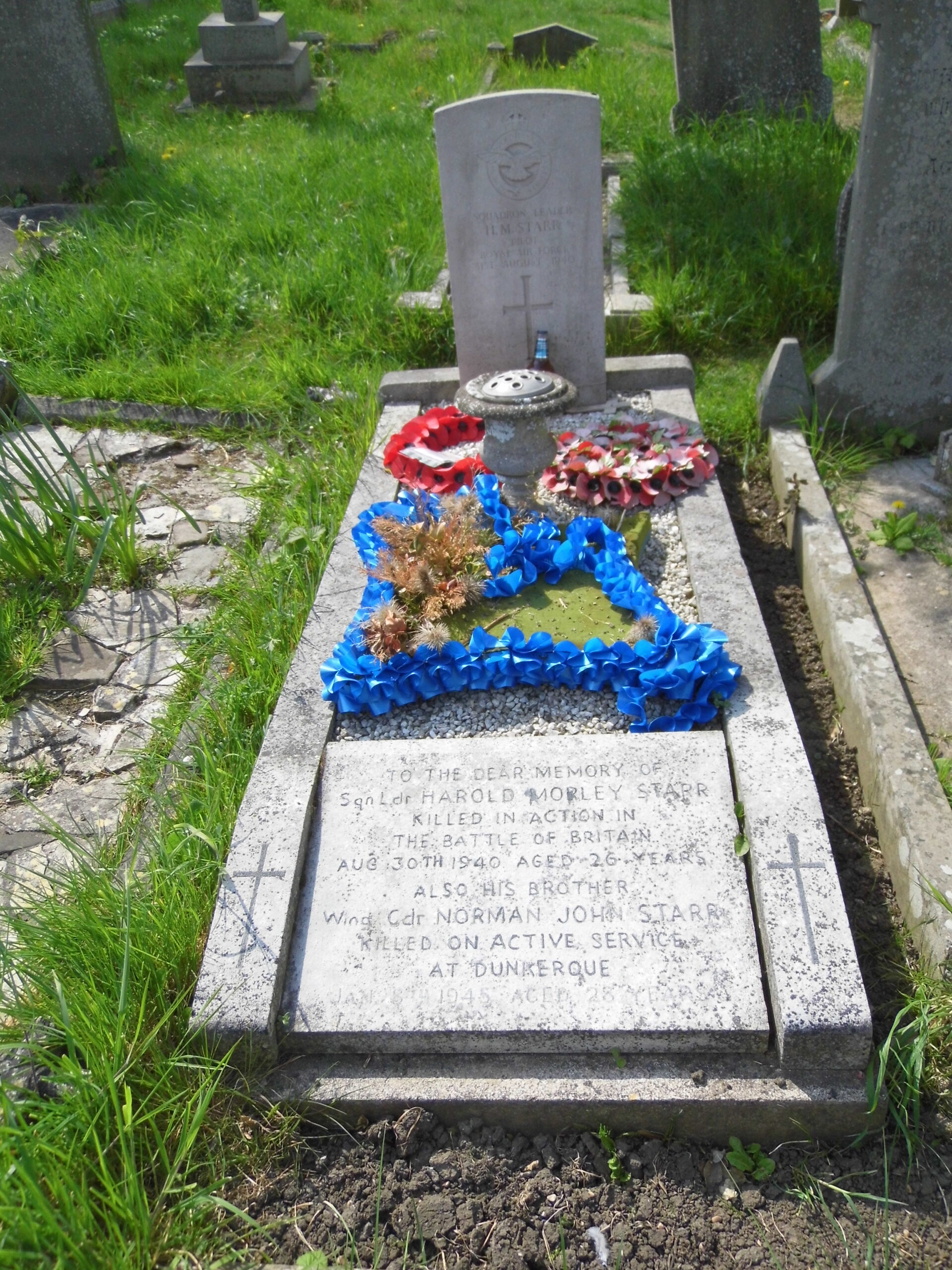
And someone with whom I share a birthday,Harold Morley Starr. His fate it was to be machine-gunned by WWII enemy aircraft as he baled out over Hammill brickworks in Eastry, Kent.
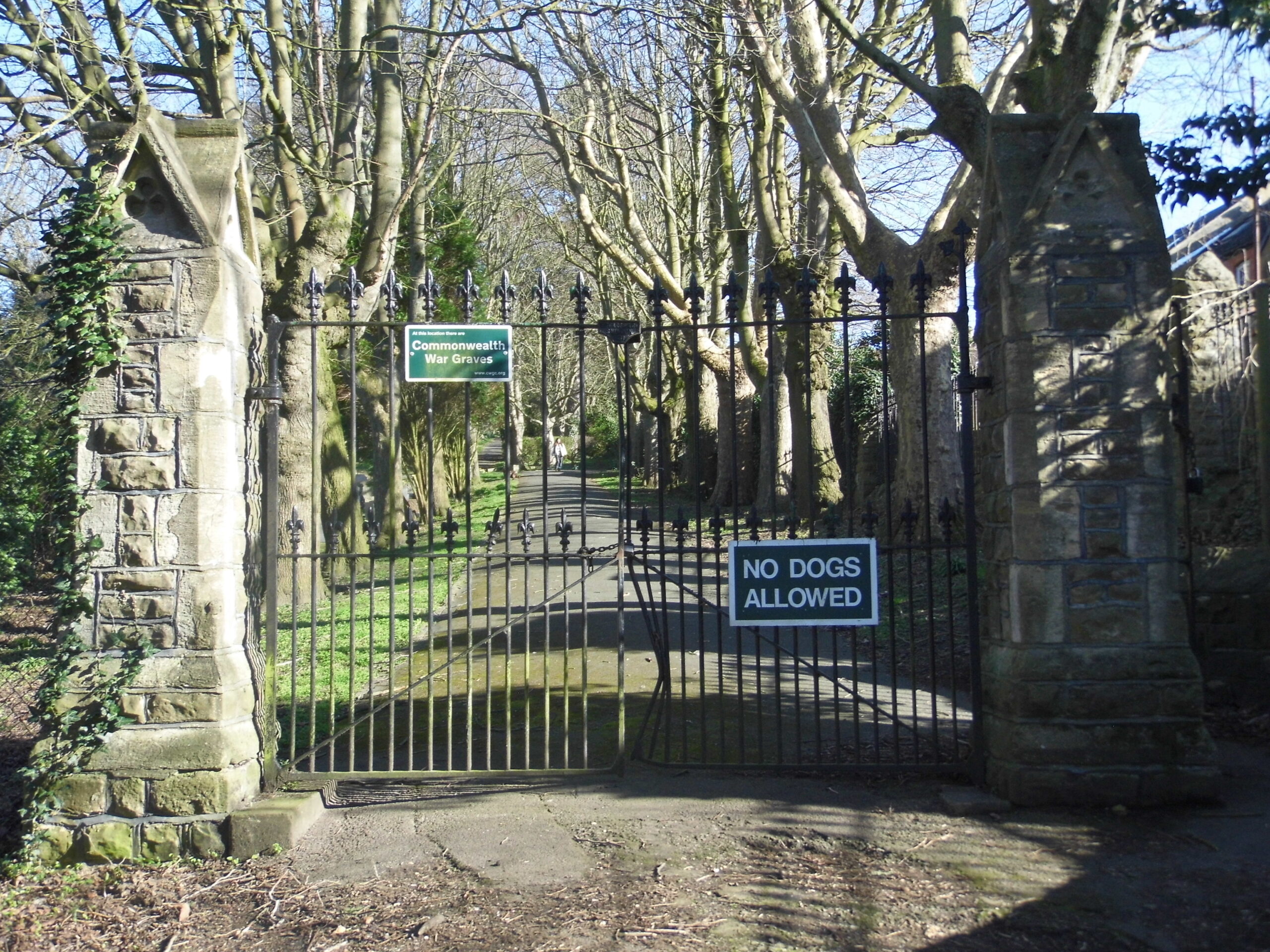
Designed by Swindon architect, William Henry Read, the grounds include an 1881 chapel built in the Gothic revivalist style
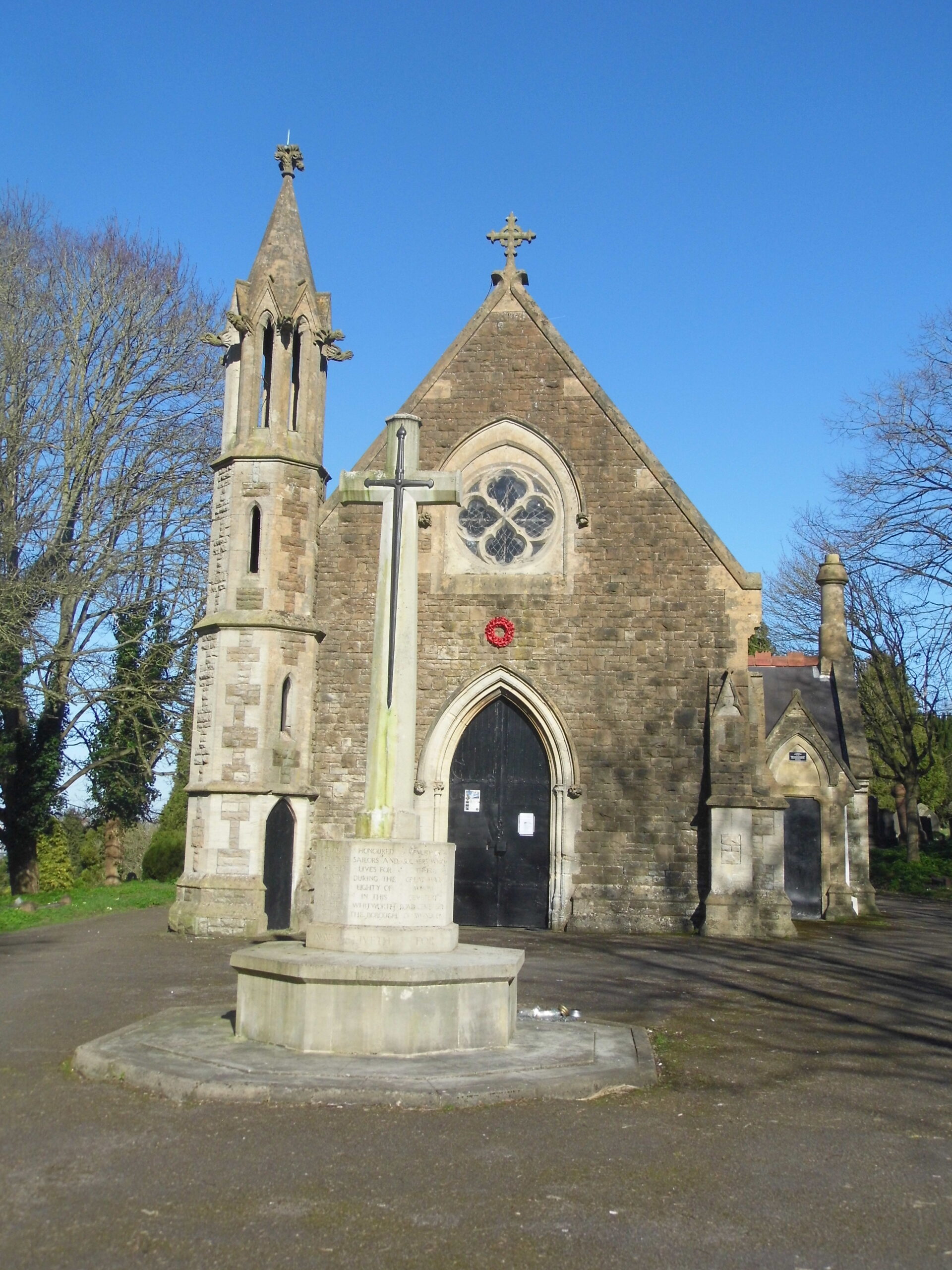
In recent years, with much thanks to the efforts of the late historian Mark Sutton, the chapel has become a sort of treasure trove of artefacts. It’s now home to memorials and plaques that no longer have a home elsewhere. Prime examples being the RAFA propeller and the war memorial from Sanford Street School.