Prospect Place Old Town. Well, Prospect Place and Prospect Hill to be precise. For the purposes of this piece I’ve lumped them together and I’m starting with Prospect Hill.
Prospect Hill, built circa 1876 onwards warrants mention for two good reasons. It’s the home of the Beehive pub – a hostelry with legendary status in Swindon as a music venue and art gallery. And the recently-deceased, Swindon artist Ken White, featured both the hill and the pub in his paintings.
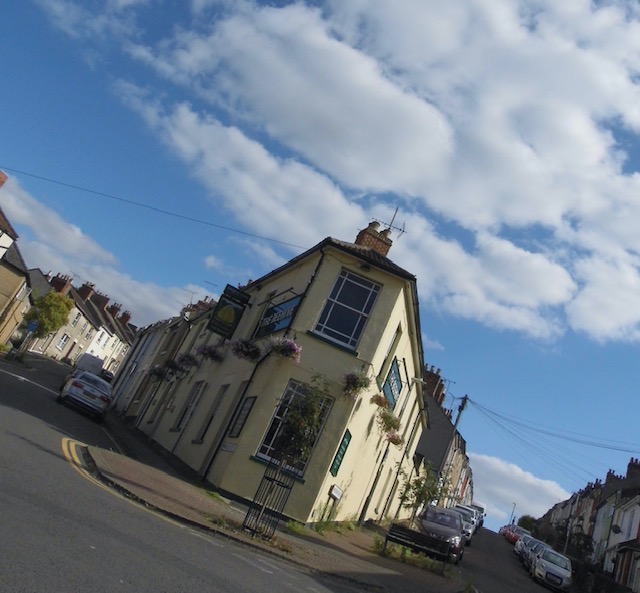
That aside, Sheldon and Tomkins Roadways, says of Prospect Hill: ‘Near to Prospect Place, so named because of the view from this point.’ Prospect Road, formerly Prospect Lane, had been known to locals as Balch’s Lane or Toomer’s Lane after the dairy and coal yard of the same names.
Prior to the 1870s building of Victoria Road, the main thoroughfare between New and Old Swindon went through Prospect. They mention that Frederick Large (author of A Swindon Retrospect 1855-1930) recalled the days when pedestrians from New Swindon had to climb the narrow path through Prospect to Old Town, crossing two stiles to complete their journey. These were the days before New Swindon had any shopping facilities to speak of. Thus, almost the entire population had to wend its way up the hill to obtain provisions – no easy task.
Prospect Place
Prospect Place, is a conservation area historically part of Old Town yet with an individual/separate designation (June 1990). It covers a mainly residential area, adjacent to the western end of the Old Town conservation area. It lies north of Bath Road, abutting the Old Town and Town Gardens conservation areas. The drawing of the boundary included streets built during the first half of the 19th century. All before the arrival of the Great Western Railway and the ensuing expansion of Old Town and the development of New Swindon.
By 1841, the date of the GWR Works’ foundation, twenty-one houses existed in this area – by then known as Prospect. Sheldon and Tomkins state that the earliest reference to PP (that they found) is in the 1830 Pigot’s National Commercial Directory, shortly after the first houses were built.
Historical Development
The pre-railway origins of Prospect give it special interest. The area has a distinct character and appearance from the red-brick terraces that, after c1850, became the standard for this type of urban housing.
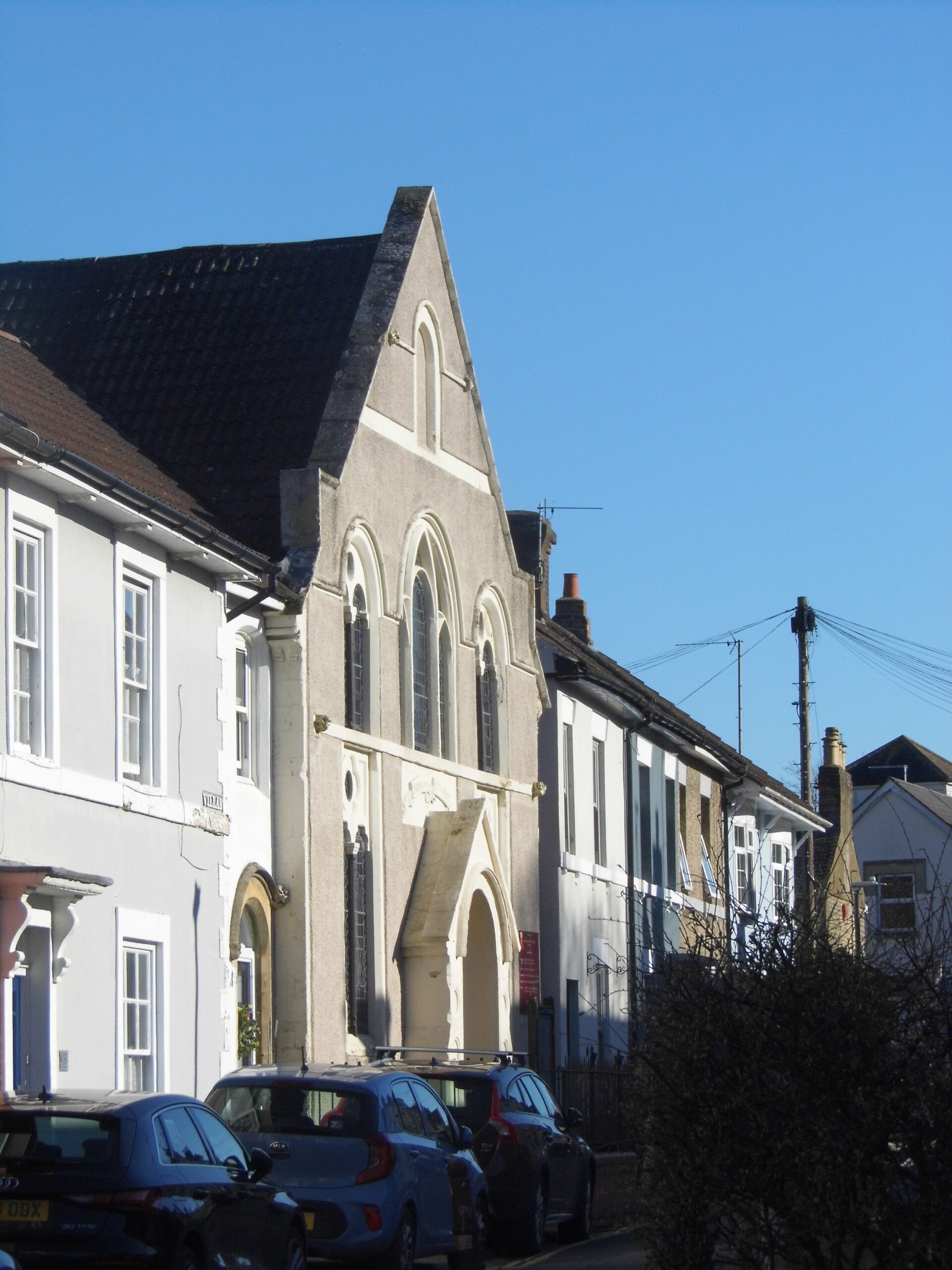
Underway by 1830, the area’s earliest terraces, such as 44-49 Prospect Place or 7-13 North Street were built by the 1840s. The early houses in Prospect Place are of fine, cut stone. They make a marked contrast to the random rubble walling used in some of the lower status cottages the area has. Many of the South Street properties are rendered or painted. The various light-coloured exteriors, though not original, add some variety to the streetscape.
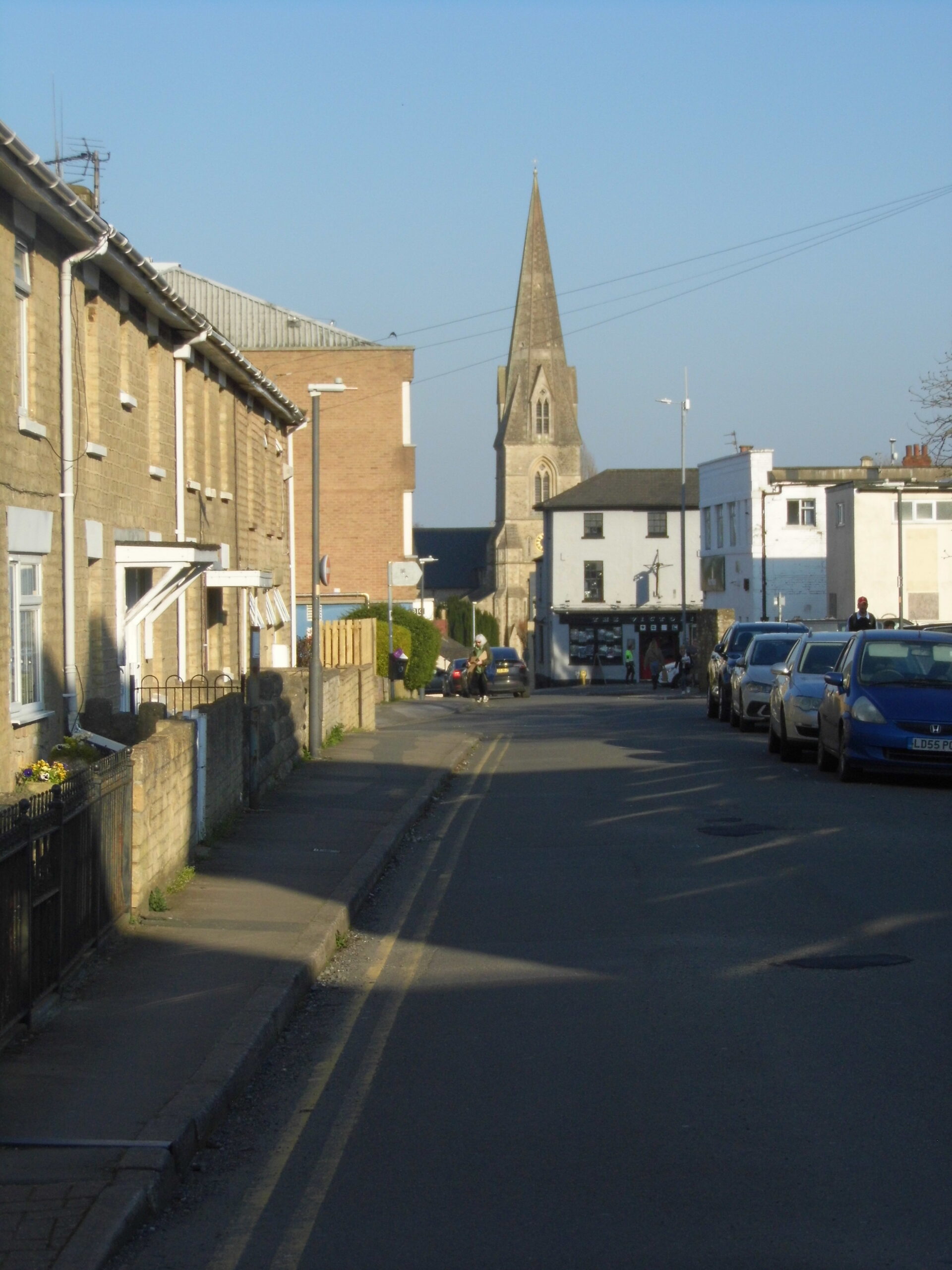
The streets around Prospect are narrow – Union Street in particular. Prospect Place features a sharp bend where it turns towards Victoria Road.
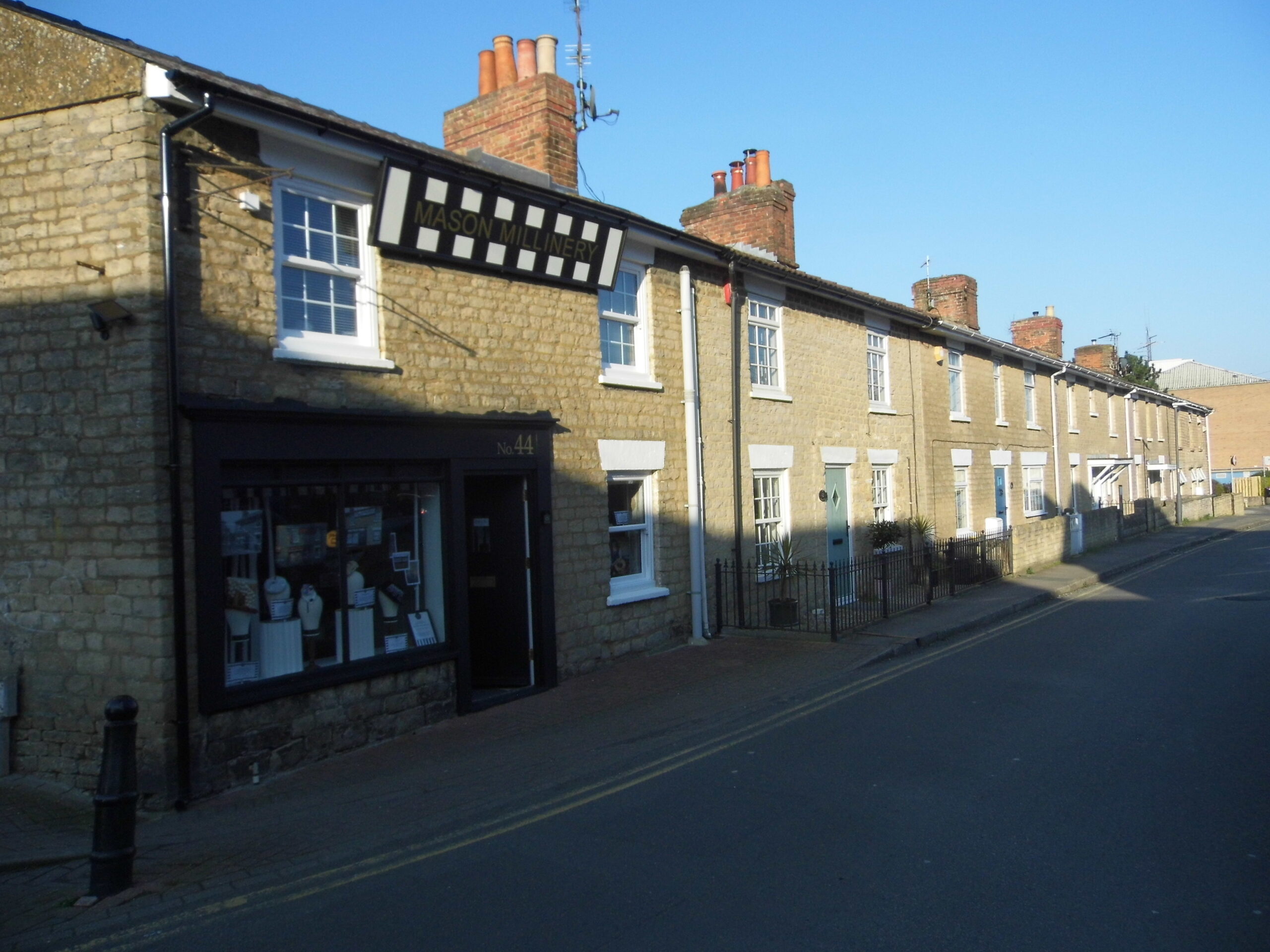
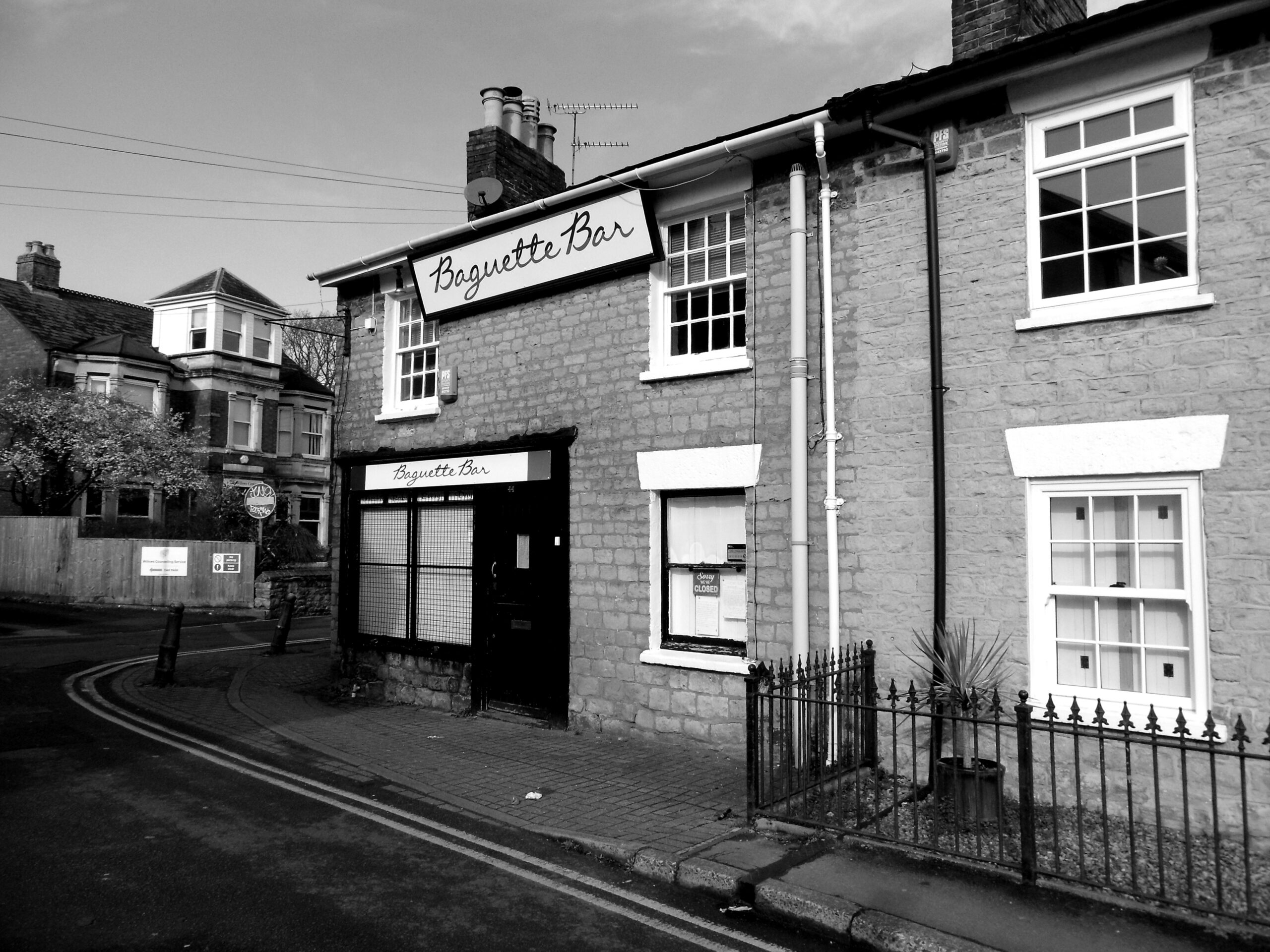
In talking about Prospect Place, I must mention, for the sake of nostalgia, two businesses lost. One, at end of Prospect Place, was the legendary Workman’s grocery store. It opened in 1946 and closed its doors after fifty-seven years of business. It had a position on one corner of Prospect Place. And on the other sat another legendary business: the Baguette Bar. Before it was that it was a general store/newsagent. And before that it was an Arkell’s off-licence. The Baguette Bar closed in recent months. But I’m happy to report that a divine, bespoke millinery shop, Mason Millinery, has taken over the premises.
Prospect Terrace: 1845 – 1846
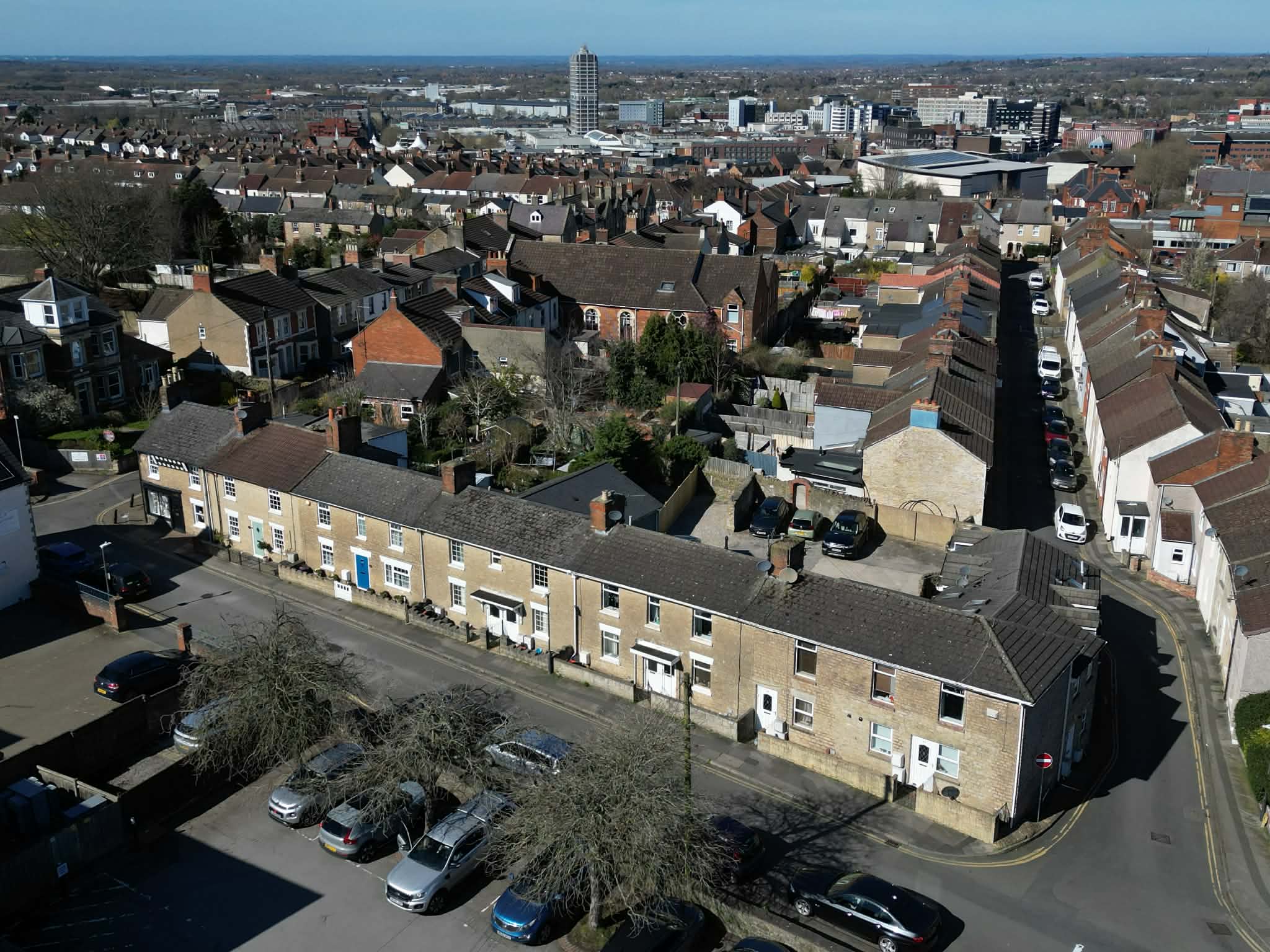
Within the Prospect area is a row of houses deserving of special mention: Prospect Terrace.
Once benefitting from listed building designation, this unique heritage asset in Swindon suffered demotion to conservation area status. That loss of ranking, combined with lack of knowledge about the houses has led, over time, to some unfortunate and unsympathetic alterations and lack of maintenance.
Situated on the north side of Old Swindon (Old Town) and originally numbered 1-8 Prospect Terrace, the houses are today known as 21-27 Prospect Place.
Built as a speculative venture for the burgeoning middle-class market between 1845-6, the terrace comprises eight houses. Sadly, for George Major the builder, the houses went on sale as the recession of 1847 began. In 1850 he handed the terrace to the County of Gloucester Bank to clear loans secured back in 1816. His loss turned into the bank’s gain – doesn’t it ever? They rented out the houses until the housing market recovered in 1862, and sold them at a profit.
Local architect Sampson Sage is the likely designer of the terrace using local sandstone (possibly dug out of the site to form the cellars) in a rustic Old English style. The sandstone he fashioned into a rock-like appearance with Bath stone dressings. Later copied in the 1860s in a series of housing developments at Westcott, the terrace is the earliest example in Swindon of this architectural style.
Of course, this singular housing terrace wasn’t always surrounded by a sea of red brick housing as it is now. Prospect Place once formed part of the Manor of Nethercott, Eastcott and Westlecott until, at length, it was divided into Upper Eastcott and Lower Eastcott farms and Court Knapps. Being the flattest patch of land on Swindon Hill it got the nickname the Bowling Green.
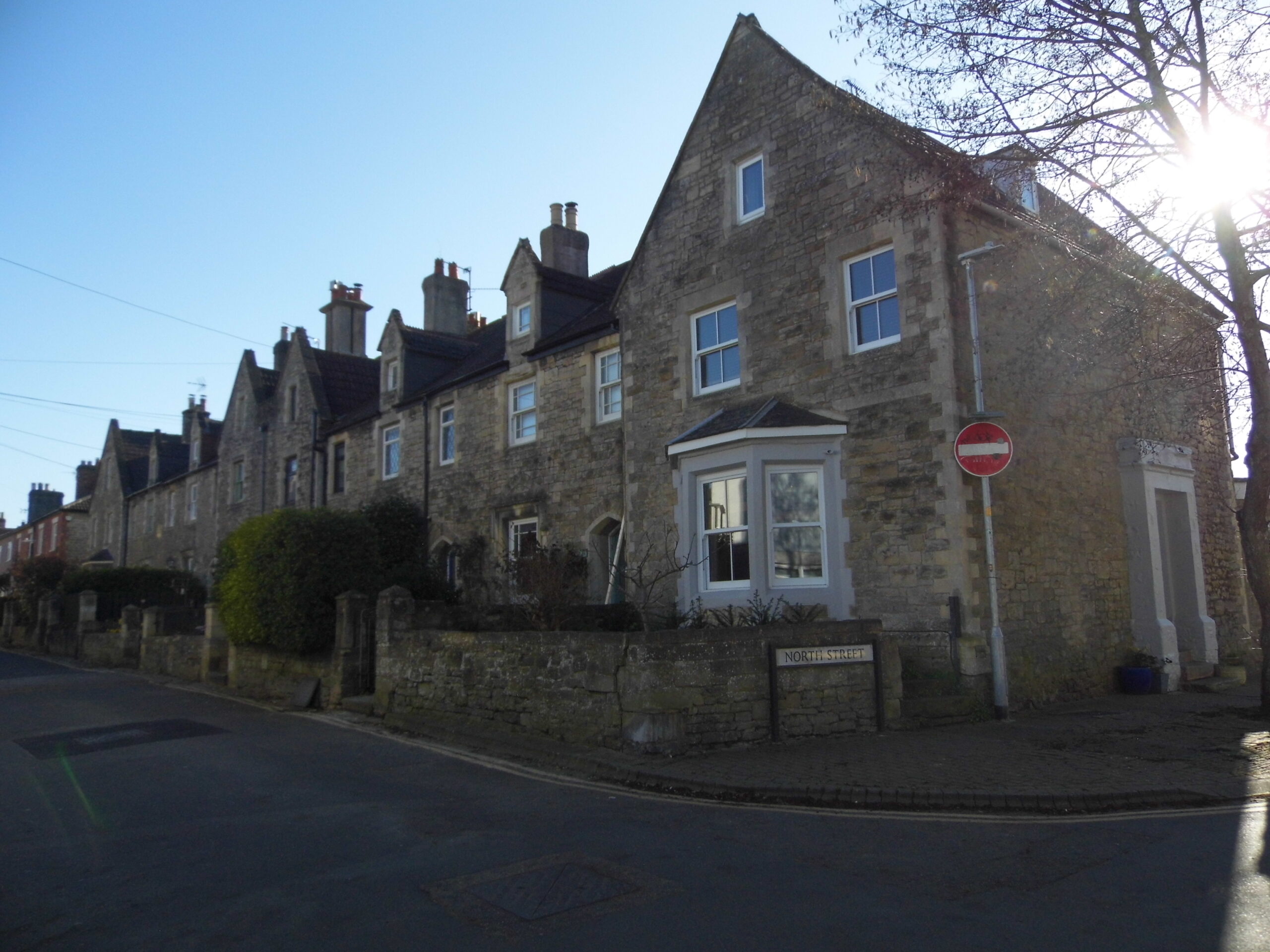
All pics in this post courtesy of my excellent chum, Chris Eley. With the exception of the overhead view of Prospect Terrace by Jason Spickett of Swindon from the Air.