St Saviour’s Church, Ashford Road: 1890.
To talk about St Saviour’s we need firs to talk about Swindon’s railway churches.

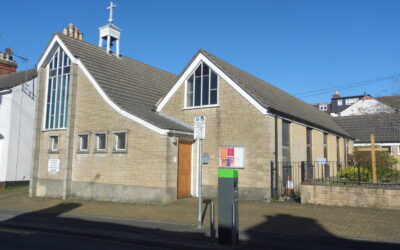
St Saviour’s Church, Ashford Road: 1890.
To talk about St Saviour’s we need firs to talk about Swindon’s railway churches.
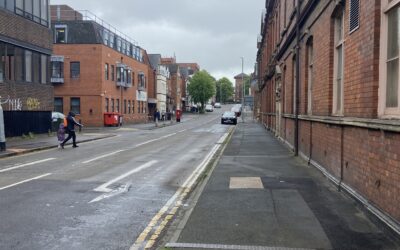
Milton Road 1895.
If Commercial Road comprises part of the link between the new Swindon and the old, then Milton Road is the other part. It takes you down to Faringdon road, where, before you, is the GWR railway village.
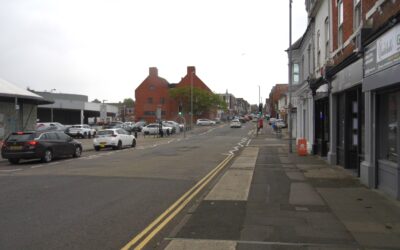
Commercial Road 1888-1890.
Before I say anything much about Commercial Road and the area around it, it’s pertinent to say something about the Rolleston estate. This estate comprised areas of land lying, in particular, according to Mark Child, to the south, south-west and south east of the railway village. And they were key to the development of Swindon – in that they comprised a physical link between the new town and the old.
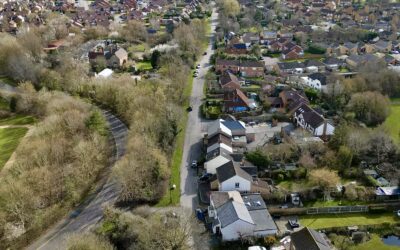
Old Shaw Lane West Swindon.
As I’ve said elsewhere, I have a tendency think of Old Shaw Lane as a little bit of Swindon’s yesteryear. But of course, it’s not. Because it wasn’t Swindon at all – Swindon as we know it now, didn’t exist over that side of town at all. But it’s a survivor of the 1980s western expansion development all around it and that’s one good reason for featuring it here.
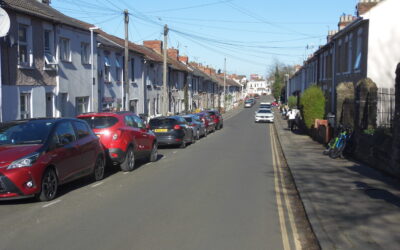
Radnor Street Old Town: 1877. In the main, I’ve included Radnor Street within these Swindon in 25 Streets pages because of the presence upon it, of the iconic Radnor Street cemetery – it being a special and much-loved Swindon site. But more on that later.
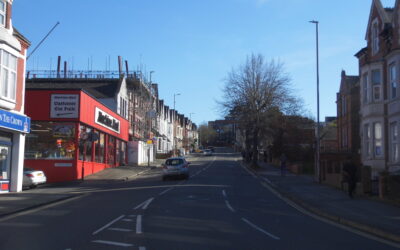
Victoria Road Swindon. As with so much else in the 19th century, this link between the old and new Swindons takes its name from HRH Queen Victoria.
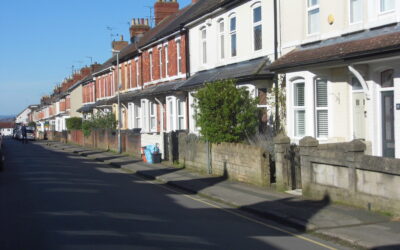
Kent Road Old Town – 1890-1910.
A street that served as the birthplace of that world-famous siren of stage and screen, Diana Dors, (aka Diana Fluck 1931-1984) comprised a ‘must include’ in this book for no other reason than that. I mean – Diana Dors – y’know? I grew up watching her on TV and in films. And I’m just a little star struck to now live in the town of her birth – so that on its own would have sufficed for me. But anyway!
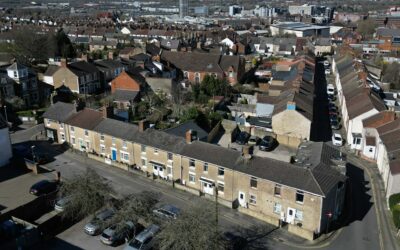
Prospect Place Old Town. Well Prospect Place and Prospect Hill to be precise. For the purposes of this piece I’ve lumped them together and I’m starting with Prospect Hill.

The Planks and Market Square Old Town.
I’m planning on arranging the Old Town section of the forthcoming Swindon in 25 Streets book in something of the order one might walk them. Hence: Before we walk along High Street and round onto Wood Street we’ll take a wee detour to Market Square and The Planks. As you can see from the map below, the Planks leads off from Market Square – from 1866 part of the walkway from Market Place was beside the Corn Exchange.

Little London Old Town, Swindon.
Back in 2010, historian Frances Bevan wrote for the Swindon Advertiser, how Old Town once enjoyed a level of depravity and notoriety. Not the whole of Old Town you understand – but a notorious, nefarious, neighbourhood of Swindon’s Old Town.
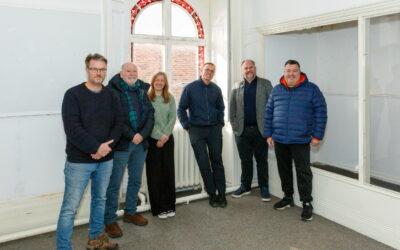
Work Begins on Apsley House. Work has begun on the redevelopment of Apsley House in Swindon’s Old Town. And that marks a major step forward in bringing the former museum and art gallery back into active use after six years standing empty.

Newport Street Old Town. And we’re off on another stroll down Swindon in 25 Streets.
Looking for old when it comes to Swindon’s streets? Newport Street is it. This one is a chart topper. Well ok, if we’re going to be pedantic, it’s clear that the Roman road, Ermin Street, over in Stratton, is older. But what’s key here is that Newport Street is the oldest named thoroughfare in a town whose street pattern was established by the 13th century.