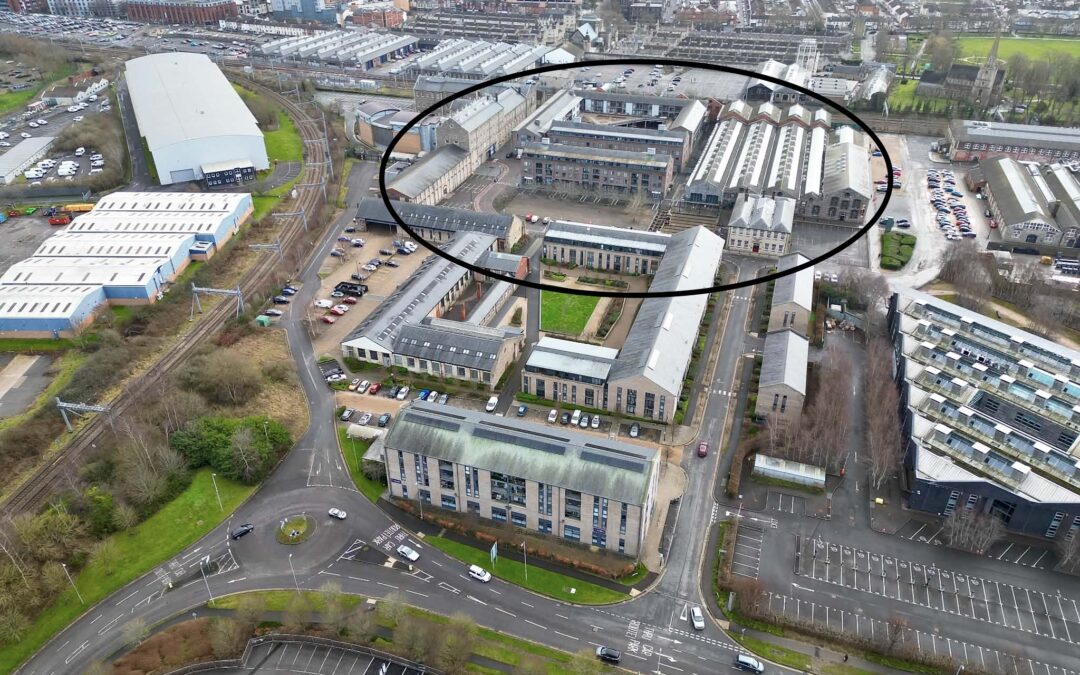
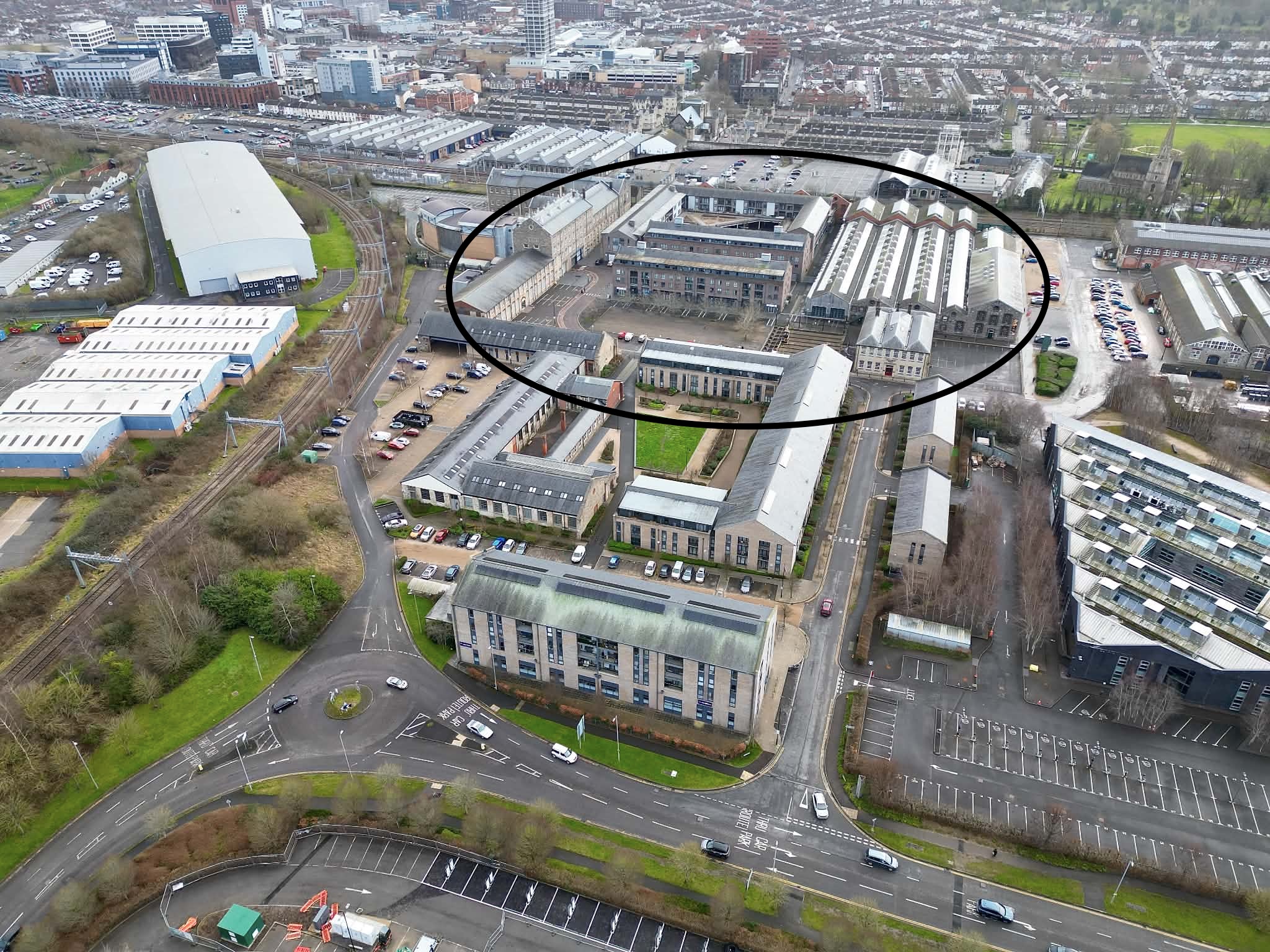
Aerial photo of Firefly Avenue from Swindon from the Air.
Circled are Isambard House, the engine house, the traverser, STEAM and Churchward House.
The building bottom right is Heelis, the HQ of the National Trust.
It’s a bit of an odd one is this. As in it’s less a broad tree-lined street down which one might saunter whistling a happy tune and more an open space with flats around it and behind it filling a gap created when parts of the GWR Works were demolished.
As such it represents aspects of Swindon’s story. The closure of the Works in the 1980s and regeneration of some of it into the Outlet Centre and STEAM museum. Then of course the retaining and repurposing of Churchward House and Isambard House.
The flats on Firefly Avenue arrived from around 2017 onwards.
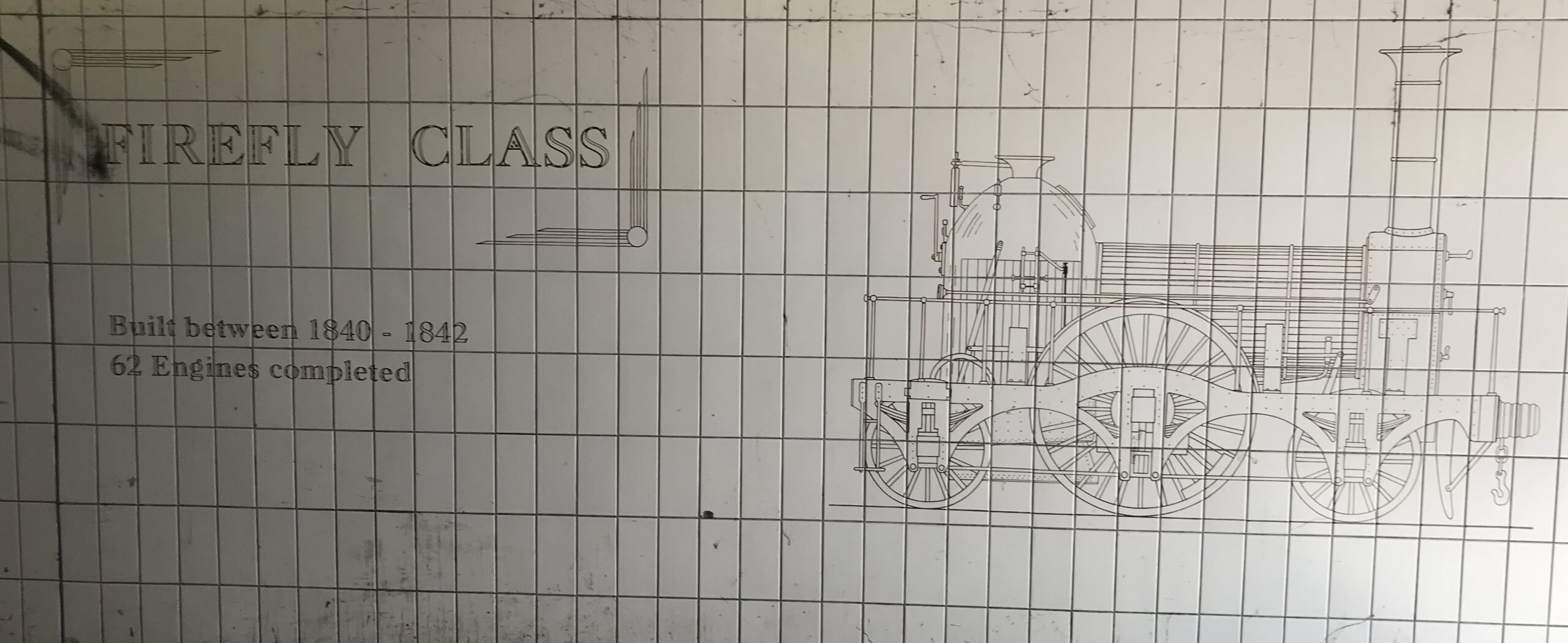
Mosaic of Firefly that used to be in the now-gone underpass between Fleming Way and the Parade
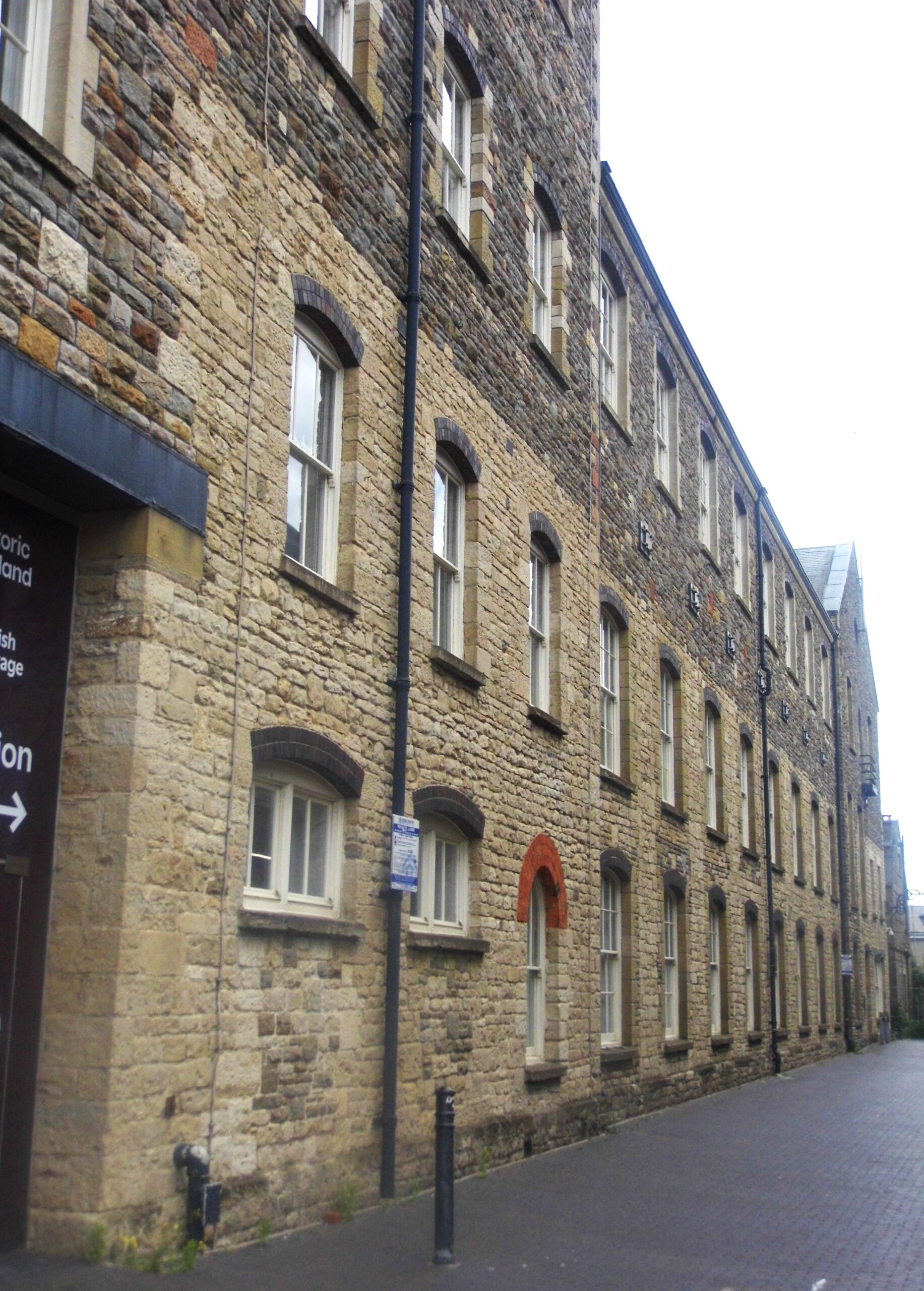
Historic buildings on Firefly Avenue
Churchward House – Churchward House, now housing offices, is named for George Jackson Churchward CBE (1857-1933). He served as the GWR’s mechanical engineer from 1902-1922.
The Engine House – this building now houses Historic England and English Heritage. It dates from the 1840s when it served as the drawing office and office for the GWR’s chief mechanical engineer. It underwent extension in the 1870s and 1903-08.
Isambard House – designed by the famous Victorian engineer Isambard Kingdom Brunel between 1841 and 1842 this building served as a ‘wheel machine-shop’. It was converted to offices in 2000.
STEAM – otherwise known as STEAM – the museum of the Great Western Railway.The structure now containing STEAM is ‘a complex piece of industrial archaeology’ that comprises several buildings built over a long period. The earliest of these buildings is the 1846 machine and fitting shop -part of Brunel’s original Works complex. Once known as the scraggery* this area now houses the museum’s entrance hall and public facilities.
The engine house on Fire Fly Avenue
Other items of interest
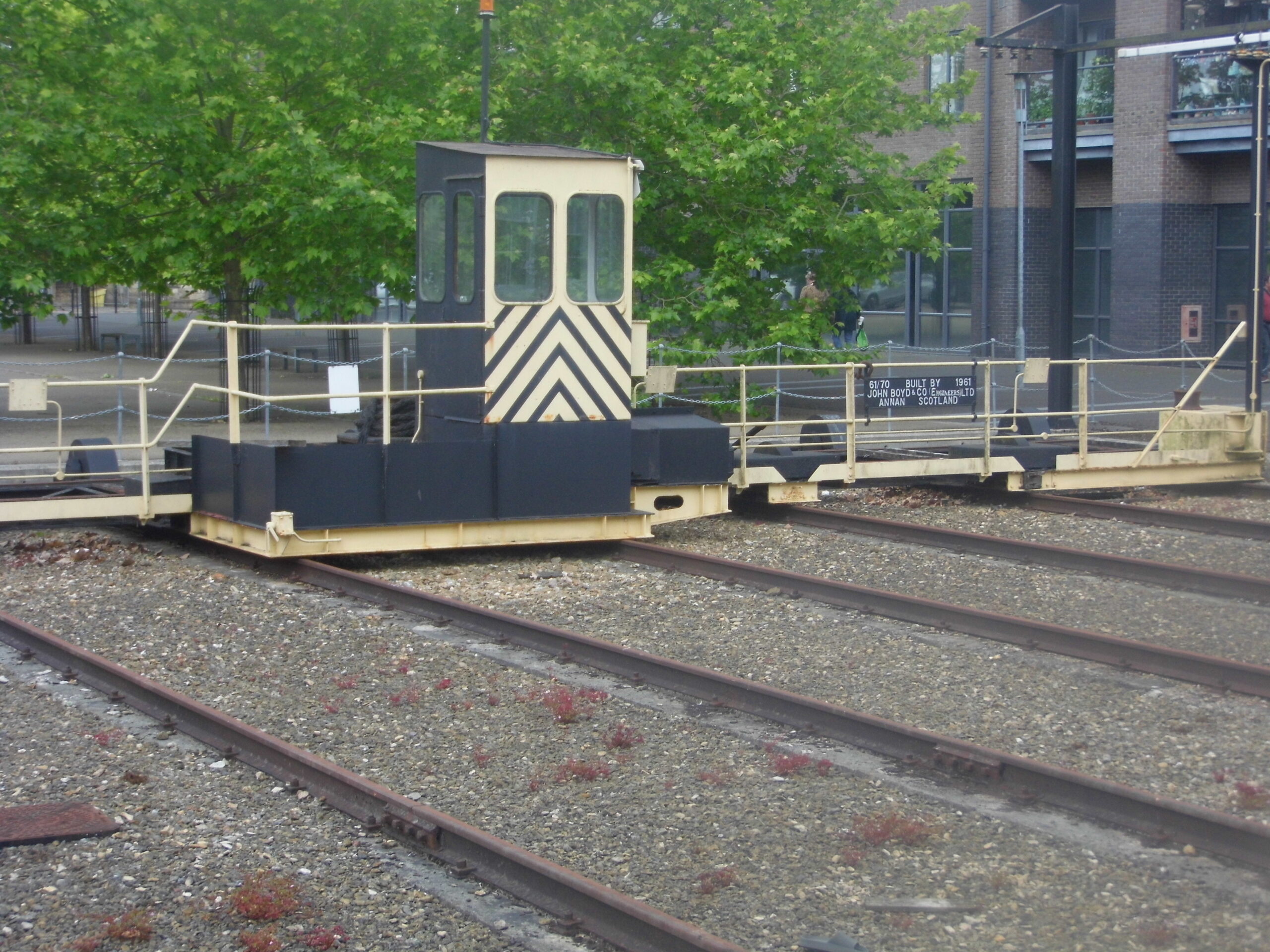
The traverser – look out for the historic traverser outside STEAM. This large, moving platform transferred locomotives and rolling stock laterally between parallel tracks inside the Works. Unlike a turntable that rotated the engines the traverser moved the locomotives sideways to save valuable space.
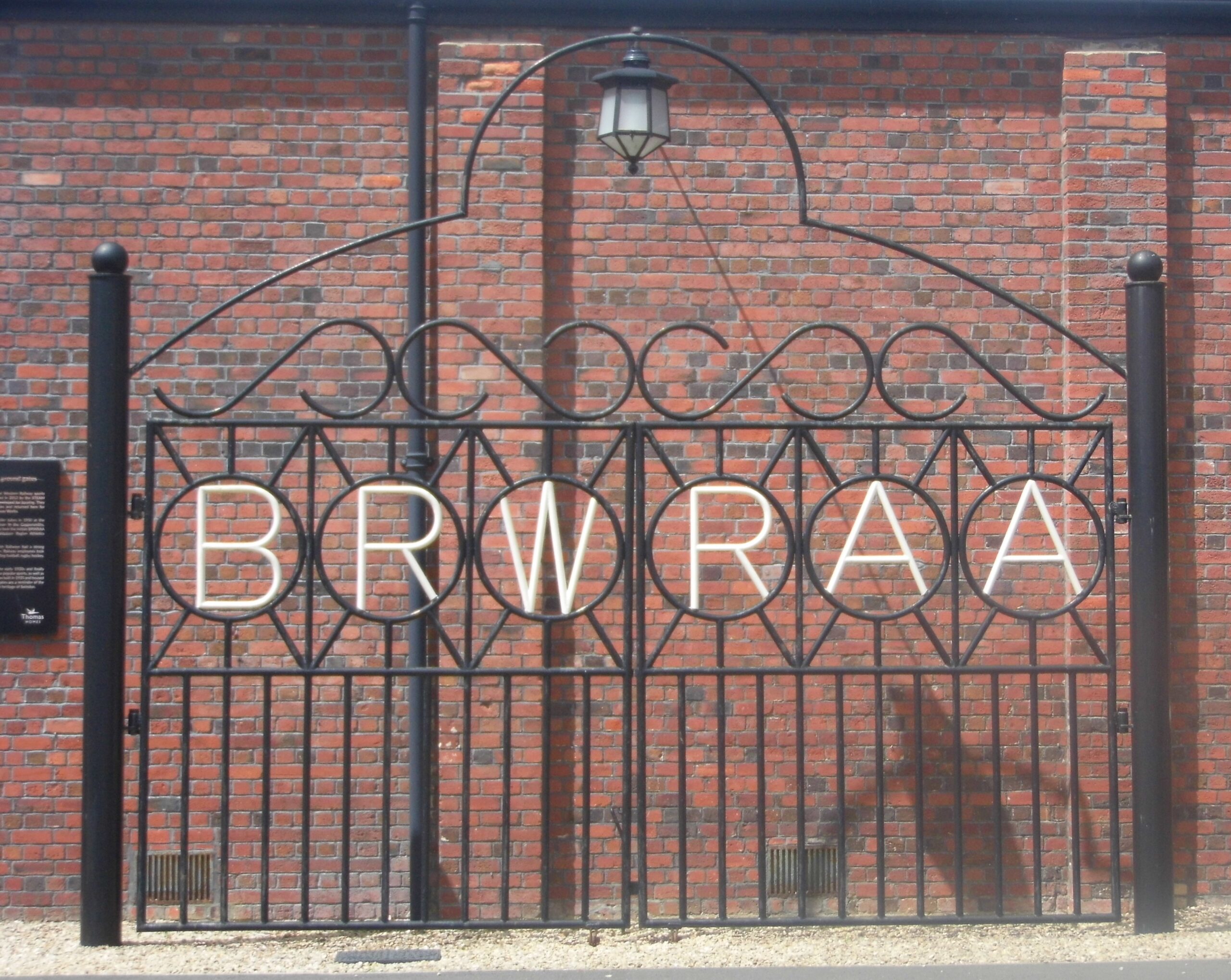
Sports club gates – this restored set of 12ft iron gates are one of two sets that stood at the entrances to the former GWR sports ground that stood off Shrivenham Road. The ground served as the home of sports clubs for GWR workers and ex-workers from the early 1930s until the site’s closure in 2005. Now they stand on Firefly Avenue as a monument to the sporting prowess of Swindon’s railway workers.
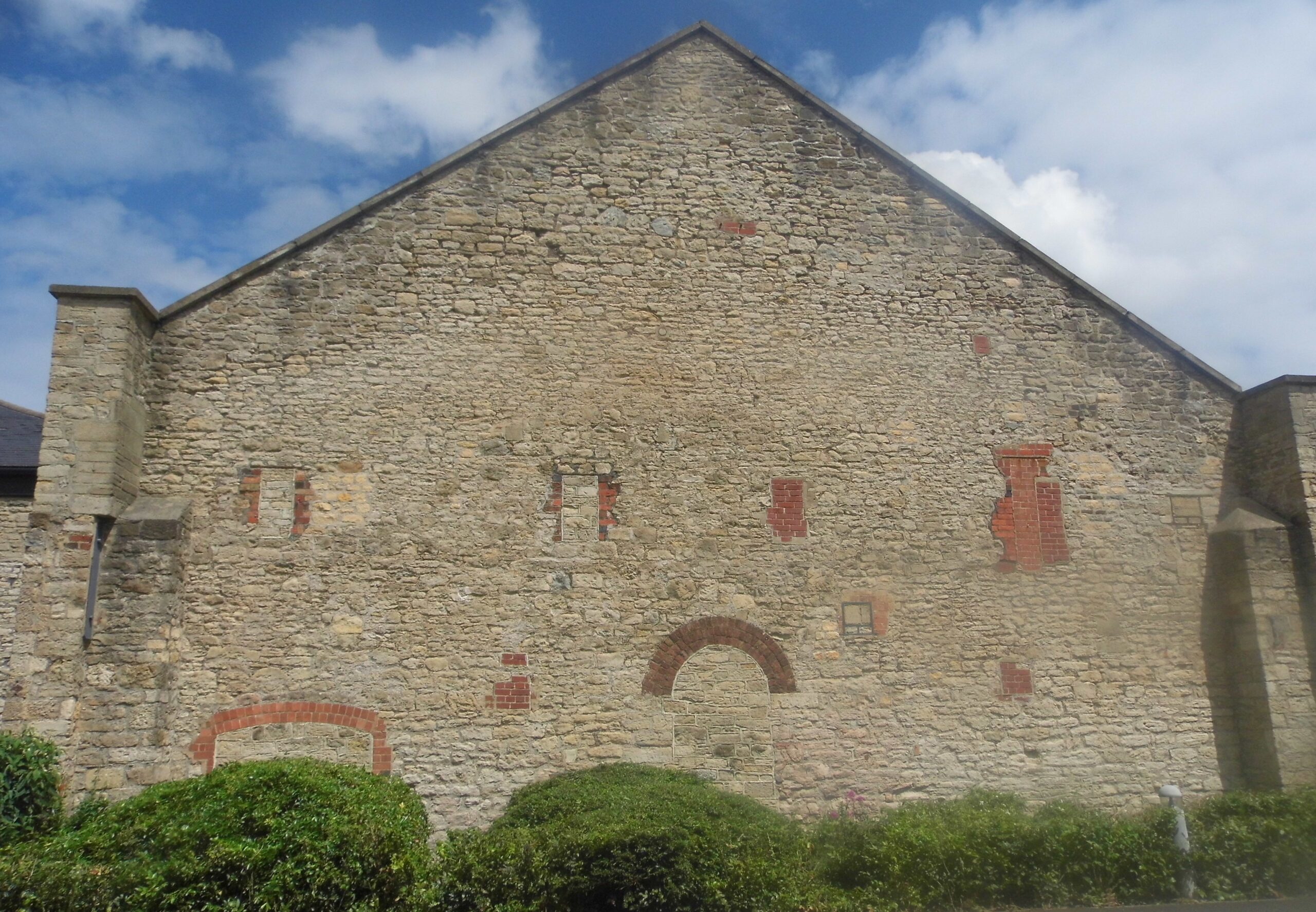
The wall – to the right of the gates is a wall that must have so many stories to tell – bearing as it does numerous bricked up apertures of a variety of shapes and sizes. I find it just fascinating.
The traverser in front of STEAM and alongside Churchward HouseThe restored British Rail social club gates The curious wall of many bricked up apertures
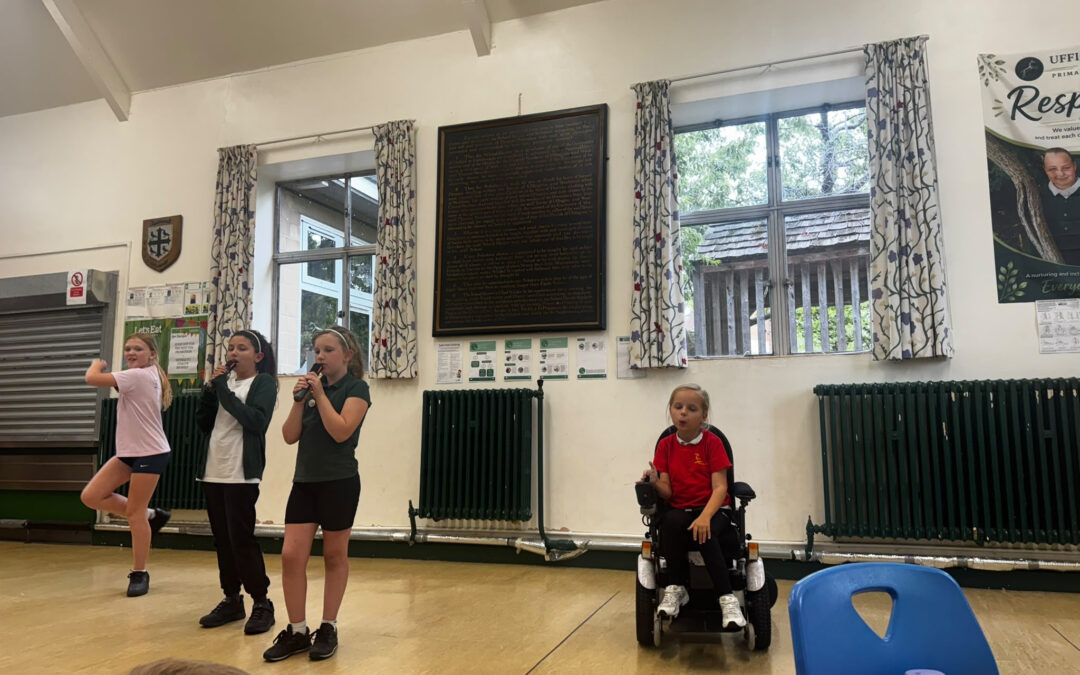
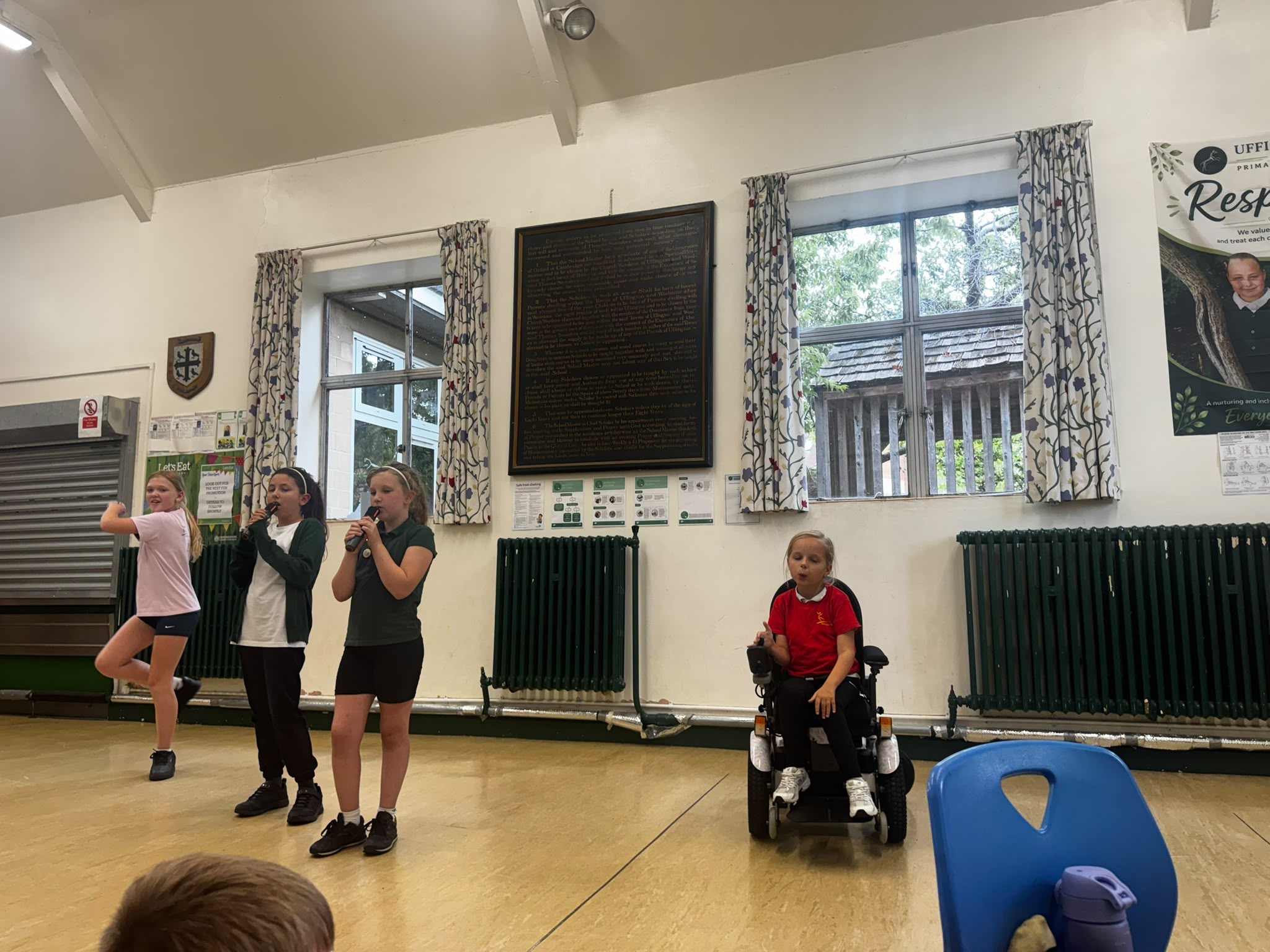
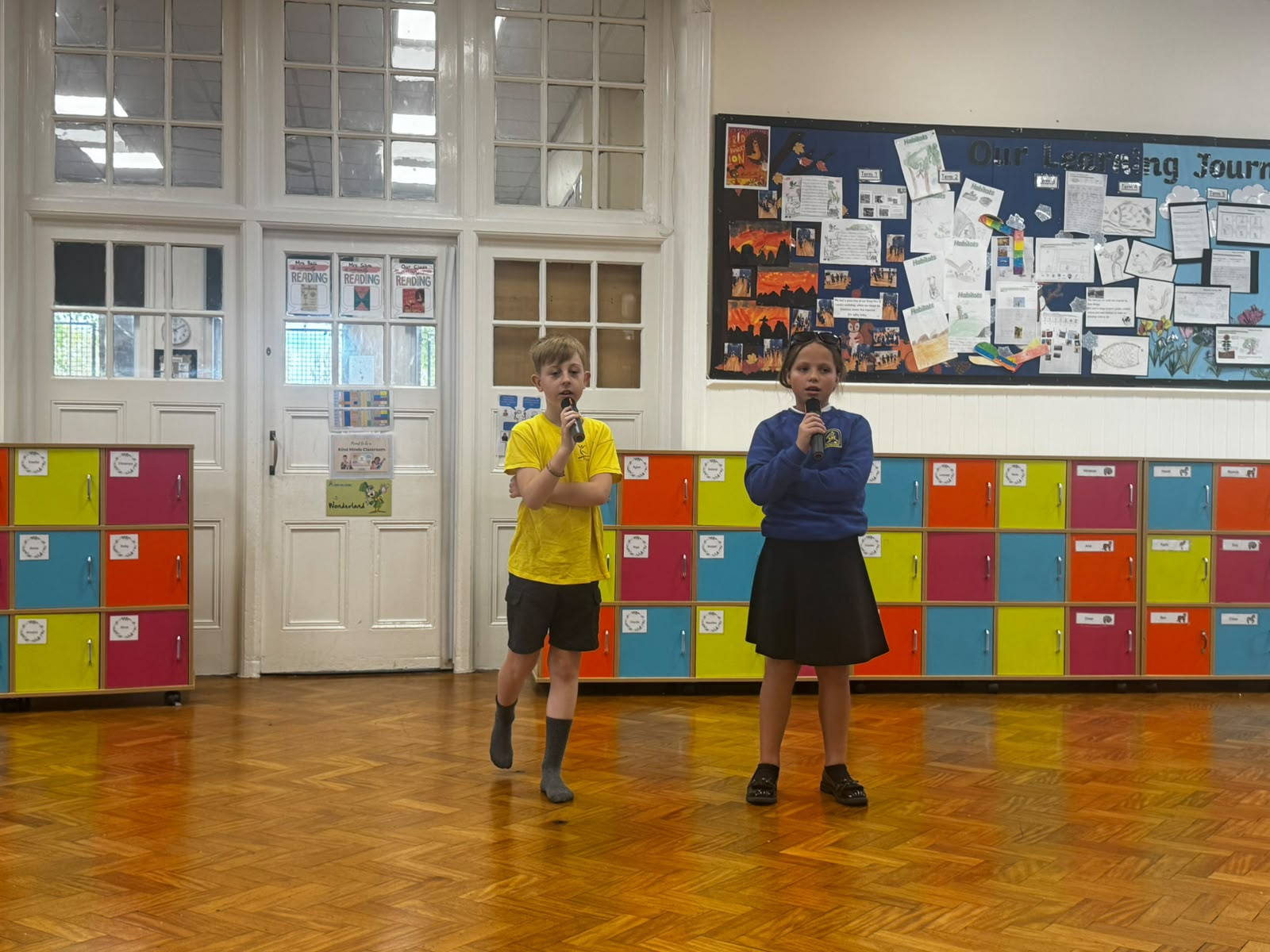
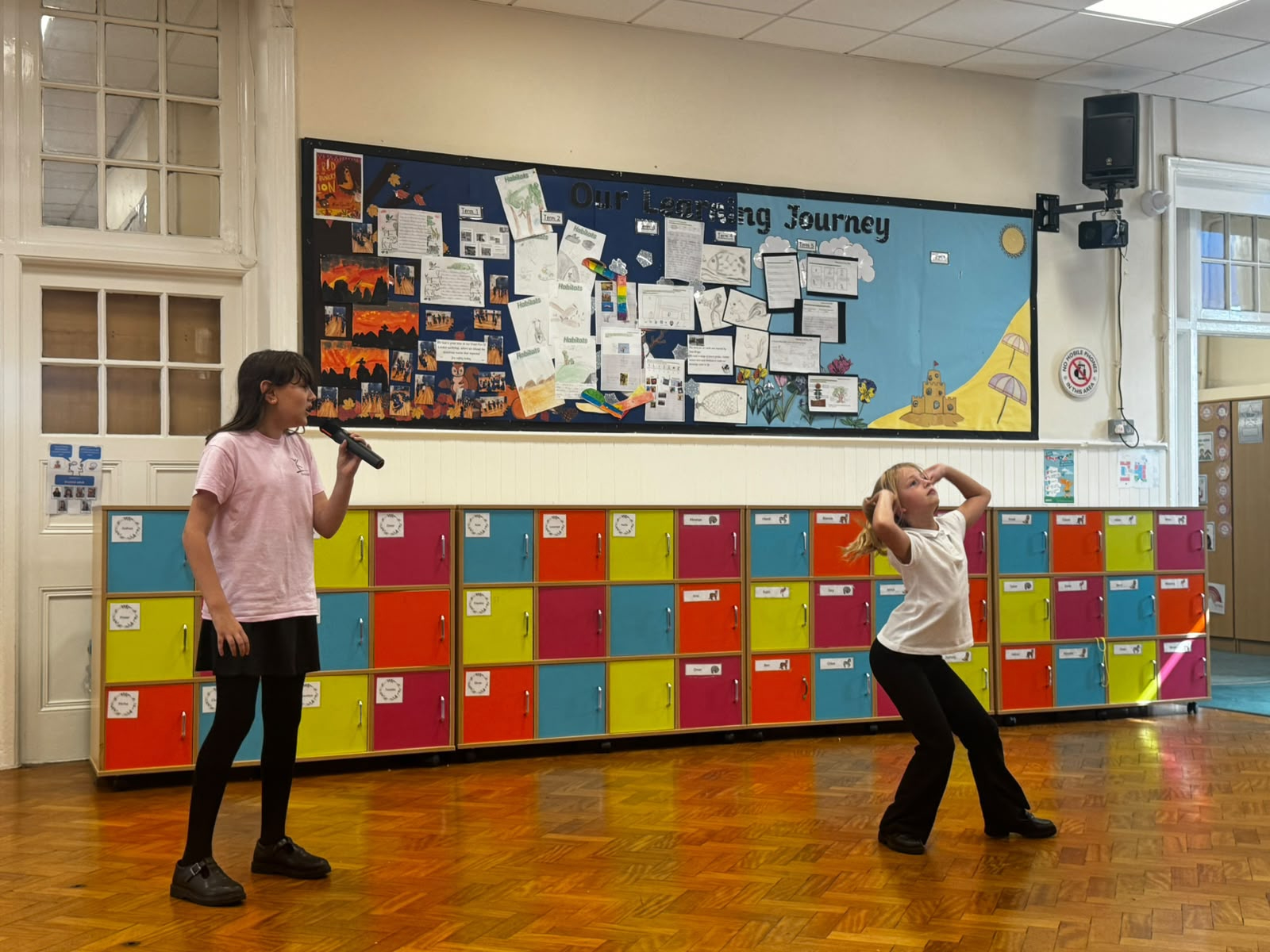
Hundreds of children have spent their summer singing, dancing, making friends and trying new activities at holiday clubs run by Swindon-based Revolution Performing Arts (RPA).
RPA welcomed around 450 children across 12 days of summer holiday activities in Swindon. All supported by a team of 27 leaders and assistants working across its Swindon and Wiltshire programmes.
What they did
The children enjoyed singing, dancing and acting alongside fashion shows, arts and crafts and nutrition workshops. And plenty of outdoor play during some of the hottest weeks of the year.
For Founder Fi Da Silva-Adams, some of the biggest highlights came from watching children who arrived feeling nervous find their feet, make friends and get involved.
We want the children to have loads of fun, but it’s also lovely to see what happens as they become more comfortable,’ said Fi.
‘We had children who were very unsure when they first arrived. But, by the end, they were joining in, performing in front of other people and making new friends.
‘Those might seem like little things. But for some children they’re huge achievements, and seeing how proud they are of themselves is so special.’
Swindon Children Enjoy Summer Fun with RPA – summer 2026
Programme design
The design of the summer programme gave children plenty of choices. They had opportunities to perform as well as quieter creative activities including painting mugs and water bottles, making keyrings and designing fans.
The team also adapted activities throughout the summer to cope with the hot weather. And make sure children could continue enjoying their days in safety.
Fi said one of her favourite parts of the summer was seeing communities develop around the individual clubs, including through WhatsApp groups set up for parents.
‘If a child couldn’t attend, parents would pop a message into the group and other families would ask if they could take the space,’ she said.
‘I didn’t need to manage it. The parents were talking to each other and making sure places weren’t going to waste. That sense of community was lovely to see.
Team work
‘I’m also super proud of our team. They worked so hard throughout the summer, particularly in the heat, to make sure the children were safe, happy and having a brilliant time.’
Feedback from families has already shown how keen many of the children are to return.
One parent said her daughter had struggled in the past to find somewhere she felt comfortable attending on a regular basis. But after trying RPA she was already ‘counting down’ to her next session.
Another dad, whose four children attended the Croft holiday club, said: ‘All four of my children have so loved their time at Croft this summer.
‘As a dad, it means so much to know that they are happy, safe and so well cared for. We’re so grateful for all the love, kindness and fun you’ve given our children.’
RPA is now looking ahead to its winter holiday clubs, with both funded and privately booked places expected to be available.
Revolution Performing Arts delivers more than 1,200 performing arts sessions every year across Swindon, North Wiltshire, Oxfordshire and Gloucestershire. Alongside its weekly classes, RPA runs holiday clubs with both funded and privately booked places. All helping children and young people enjoy singing, dancing, drama and creative activities during the school holidays. To find out more visit www.revolutionpa.co.uk
Wiltshire Wellness Retreat Returning. A sold-out Wiltshire wellbeing retreat which brought people together to mark the peak of the Lion’s gate portal will return for a third year in 2027.
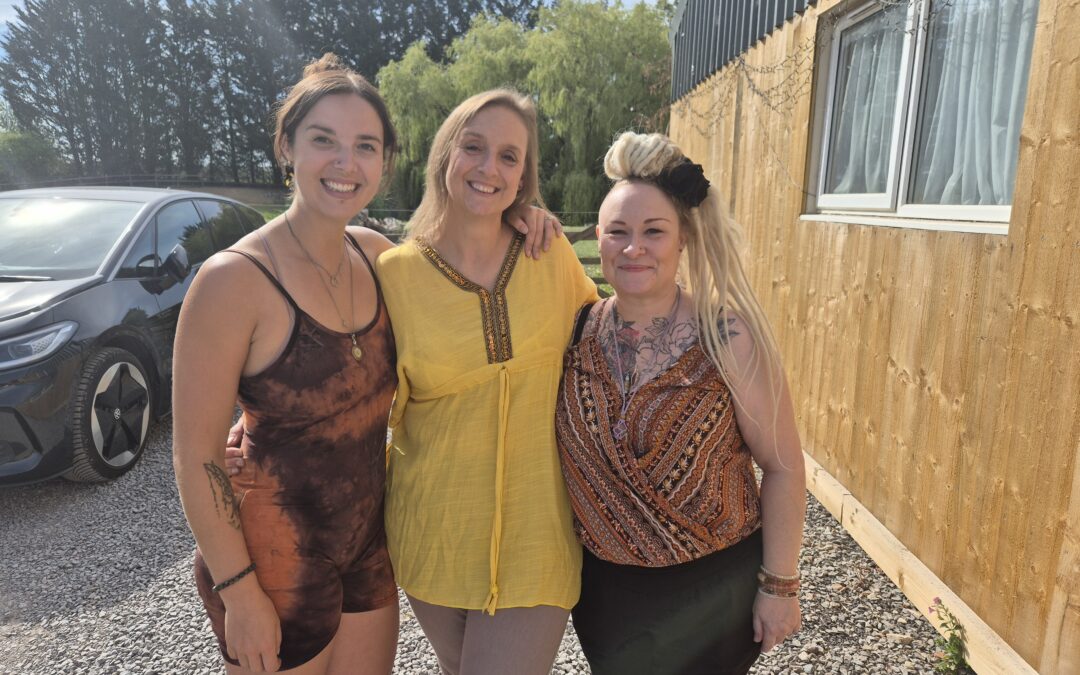
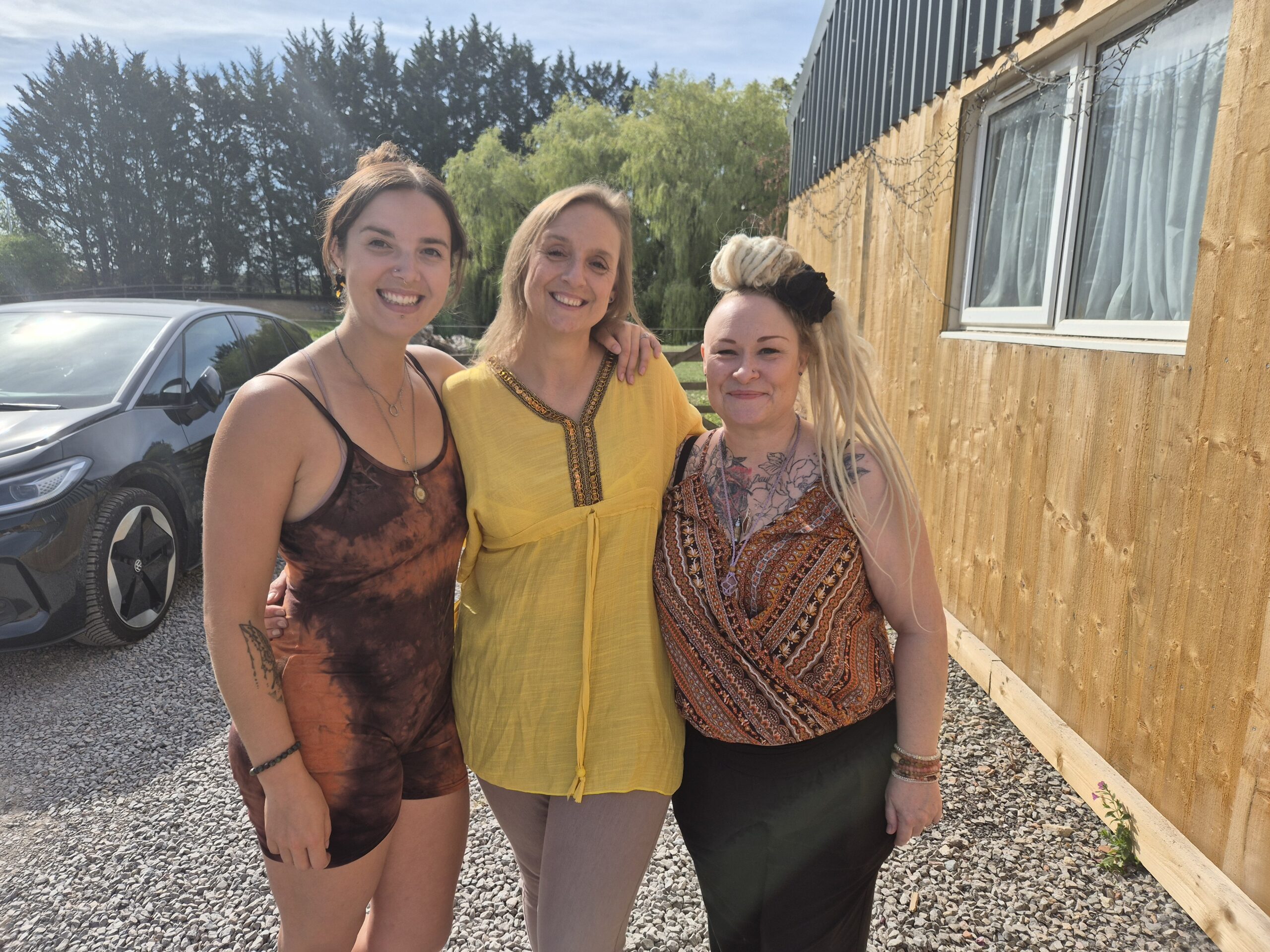
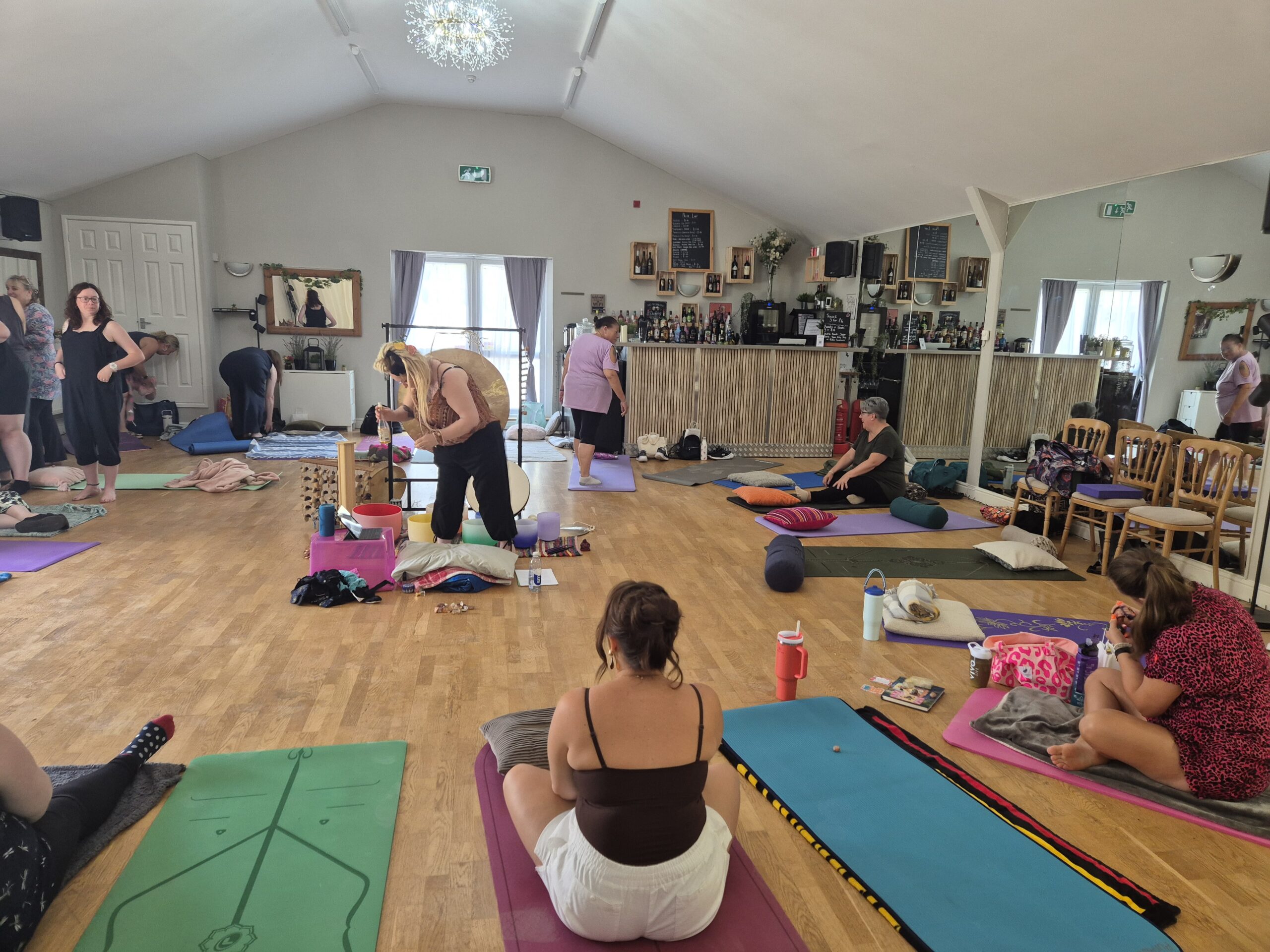
Louise Muir-Sage, Reiki practitioner and founder of Something Kind of Woo in Royal Wootton Bassett, welcomed 28 people to The Barn at Great Moorleaze Farm in Wanborough on Saturday 8 August for her second annual Lion’s gate retreat.
The day gave people the chance to step away from everyday life. We had a guided meditation from Sam SoulSong, Yin Flow and a sound bath with MindBodySoul with Jazz. Guests could also have henna tattoos and tarot card readings. And Louise brought Something Kind of Woo to the event with a pop-up shop.
‘I was so thrilled to sell out for the second year,’ said Louise. ‘When you plan something like this, you have an idea in your head of how you want people to feel. But seeing everyone there, taking part and giving themselves permission to switch off was super special.’
Retreat Returning – Jazz, Lou & Sam
The Lion’s gate portal
The Lion’s gate Portal is recognised within spiritual practices each year. It reaches its peak around 8 August. Louise created the retreat to give people a welcoming space to explore the occasion through meditation, movement, reflection and spending time with others.
This was the second year Louise has run the retreat, following the success of the first event in 2025.
‘There was such a lovely atmosphere throughout the day,’ she said. ‘Some people came with friends, others came on their own and there were completely different levels of experience. You don’t have to know anything about spirituality to come along. You can be completely new to it and enjoy having some time for yourself.’
Attendee Ami Thompson said ‘It was a beautiful day where I could switch off and relax. I loved learning about the Sunstone crystal and have carried it with me since. The meditation and sound bath felt amazing, and the day inspired me to take action with my own business too.’
The success of this year’s event means plans are already underway for its return on 7 August 2027. 10 people who attended this year have already secured their place.
‘For people to finish the day and tell me they want to come back next year is about the biggest compliment I could receive,’ said Louise. ‘This was only our second Lion’s gate retreat. So to know we’ll be coming back for a third year and already have people booked feels amazing.
‘I’ve got plenty of ideas for next year. I want to keep the parts people have enjoyed, but also make sure there’s something different to experience each time.’
Places for the 2027 Lion’s gate retreat are on sale now. To secure your place, or to find out more about other upcoming Something Kind of Woo events, visit https://somethingkindofwoo.co.uk/events/.
Following two previous sell-out evenings, a host of well-known comedy names will come together again at Swindon’s Wyvern Theatre. It’s happening this Tuesday for a special evening of live comedy raising support for local charity The Harbour Project.
Local comedian Ivo Graham will host MaybeYou’re The Same As Me: A Night of Comedy in Support of The Harbour Project at the Wyvern Theatre on Tuesday 15 September. Joining him are:
The special event brings together an exciting mix of comedy talent for an evening of stand-up. All whilst supporting the work of The Harbour Project and its support for refugees and asylum seekers in Swindon.
The Harbour Project works with refugees and asylum seekers across the local community. It provides practical support, advice, advocacy, friendship and opportunities to help people settle and build new lives in the area.
MaybeYou’re The Same As Me is at the Wyvern Theatre, Swindon, on Tuesday 15 September 2026.
Fleet Street and Fleet Square in Swindon town centre.
Way back in Swindon’s pre-history, before the completion of Brunel’s railway village, speculative builders began erecting houses just outside it. At first, these houses for the GWR workers stood in close comfort to the railway village along and just off a track known as Fleetway or Fletway – a term derived from Old and Middle English. Fleet/Flet meaning, amongst other things, a slow-moving watercourse and way, from Old English, is what you’d suppose – a road, path or track.
But this street, like so many, had an earlier name: Bleat/Bleet Lane. Local Studies inform me that Bleat/Bleet Lane may only have applied to part of the street because there’s records that show it as both Fleet Street and Fleetway all around the same time – the early 1800s. Thus, their best guess is that Bleat Lane and Fleetway were early names for parts of pre-existing streets before the bridge went across and extended/connected all the streets. Fleet Street then became all one run but the sections continued being referred to by those names until, at length, it all became Fleet Street.
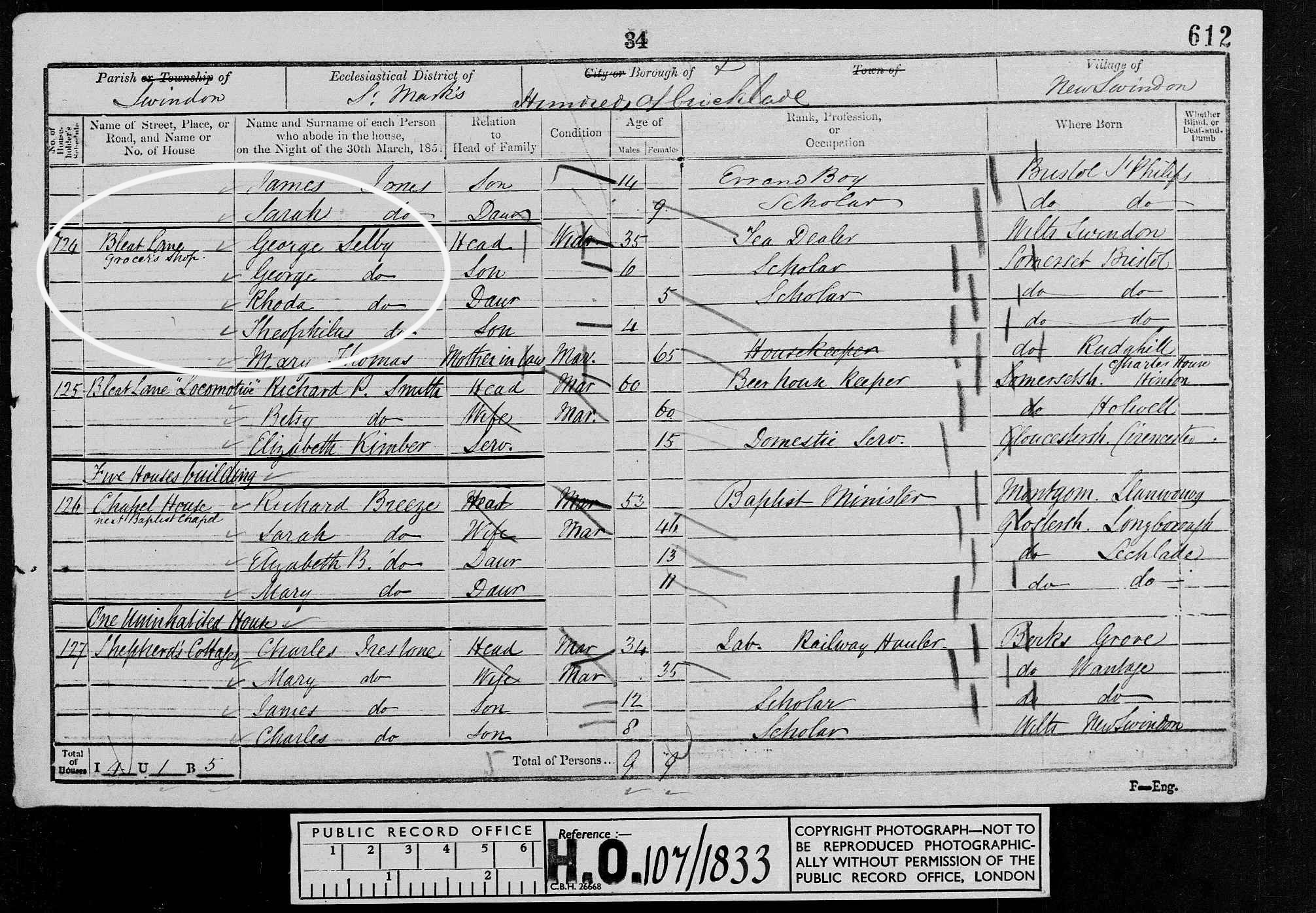
The 1851 census showing Fleet Street as Bleat Lane
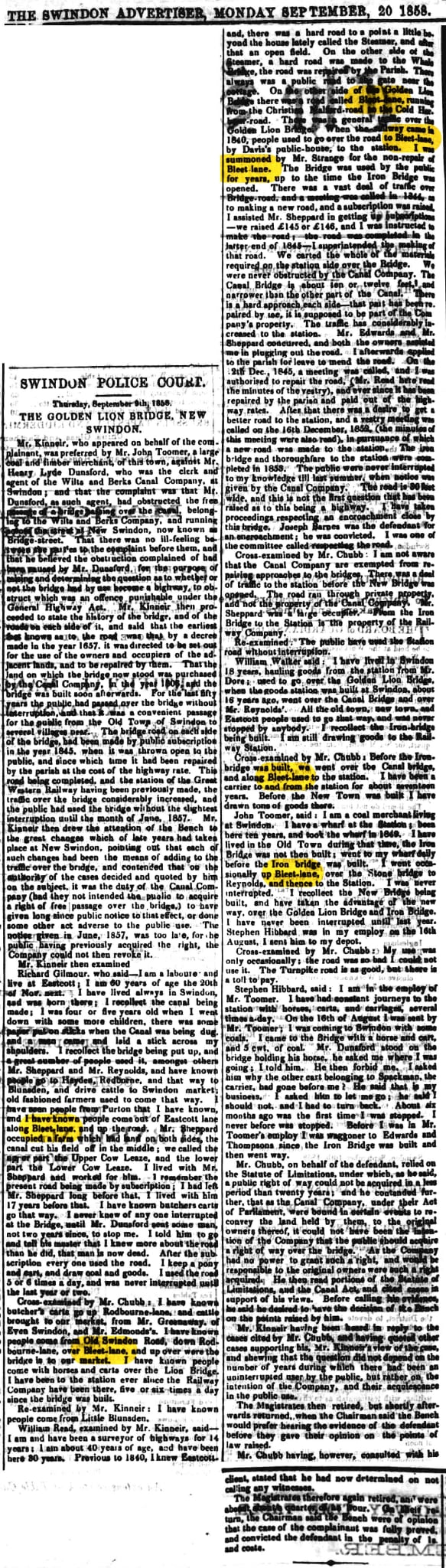
Not only were street names variable, spellings were too. Thus this 1858 Swindon Advertiser article has it as Bleet Lane.
Today we know this ancient track as Westcott Place, Faringdon Road and Fleet Street. Small settlements became established on them as early as 1845.
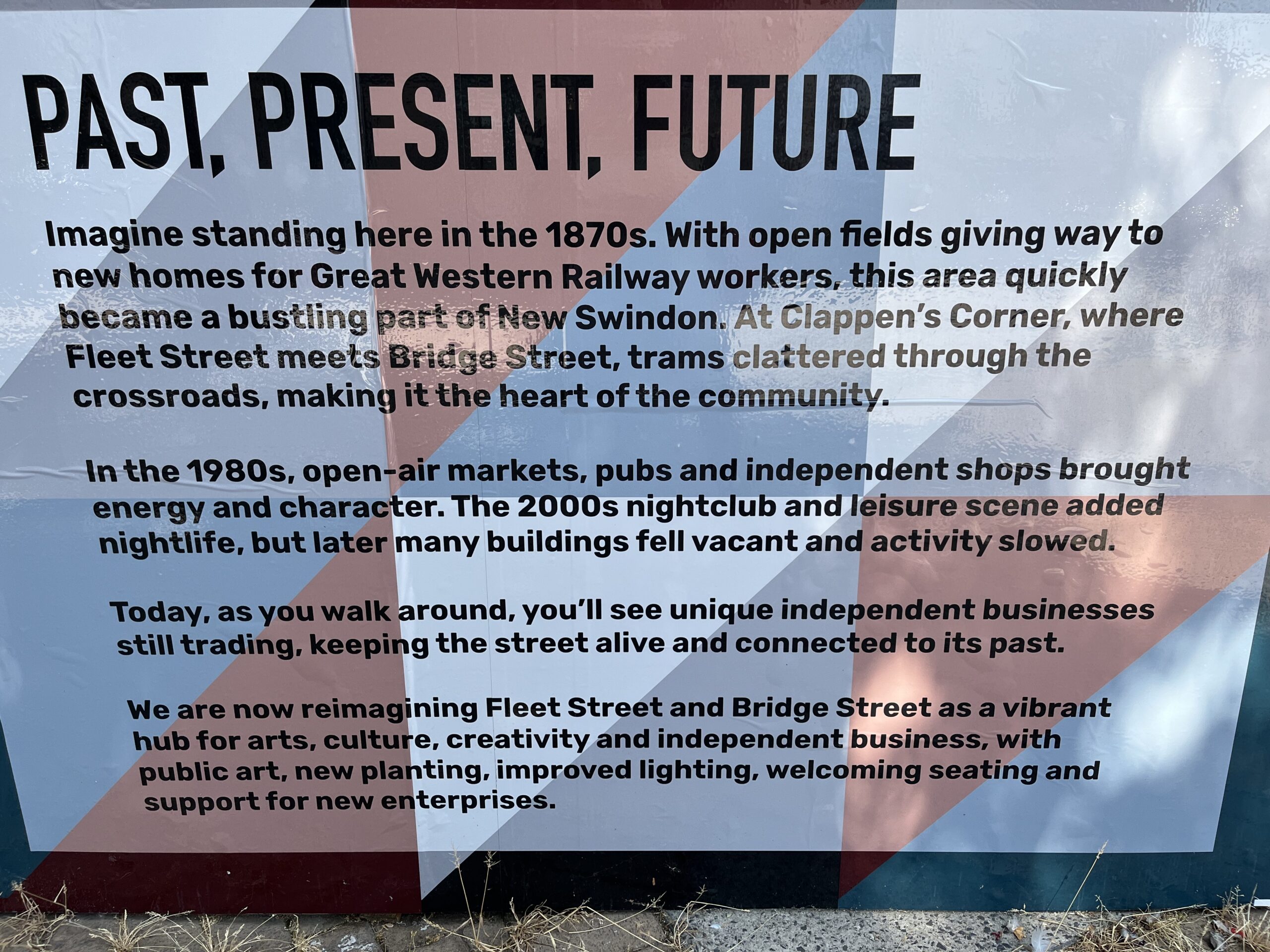
Thus, as a green field site gave way to these new homes the area soon became a bustling part of New Swindon. When the railway village outgrew its shopping facilities (see Emlyn Square) this area had further retail offerings shoehorned into it – the potential for trade in Regent Street hadn’t yet been fully explored.
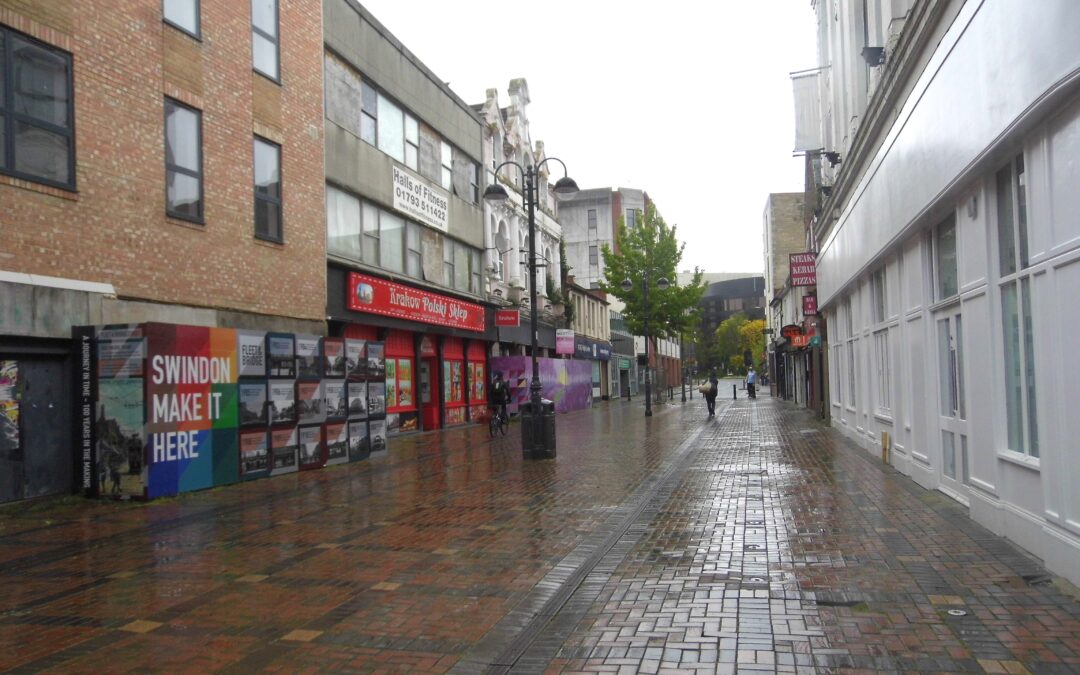
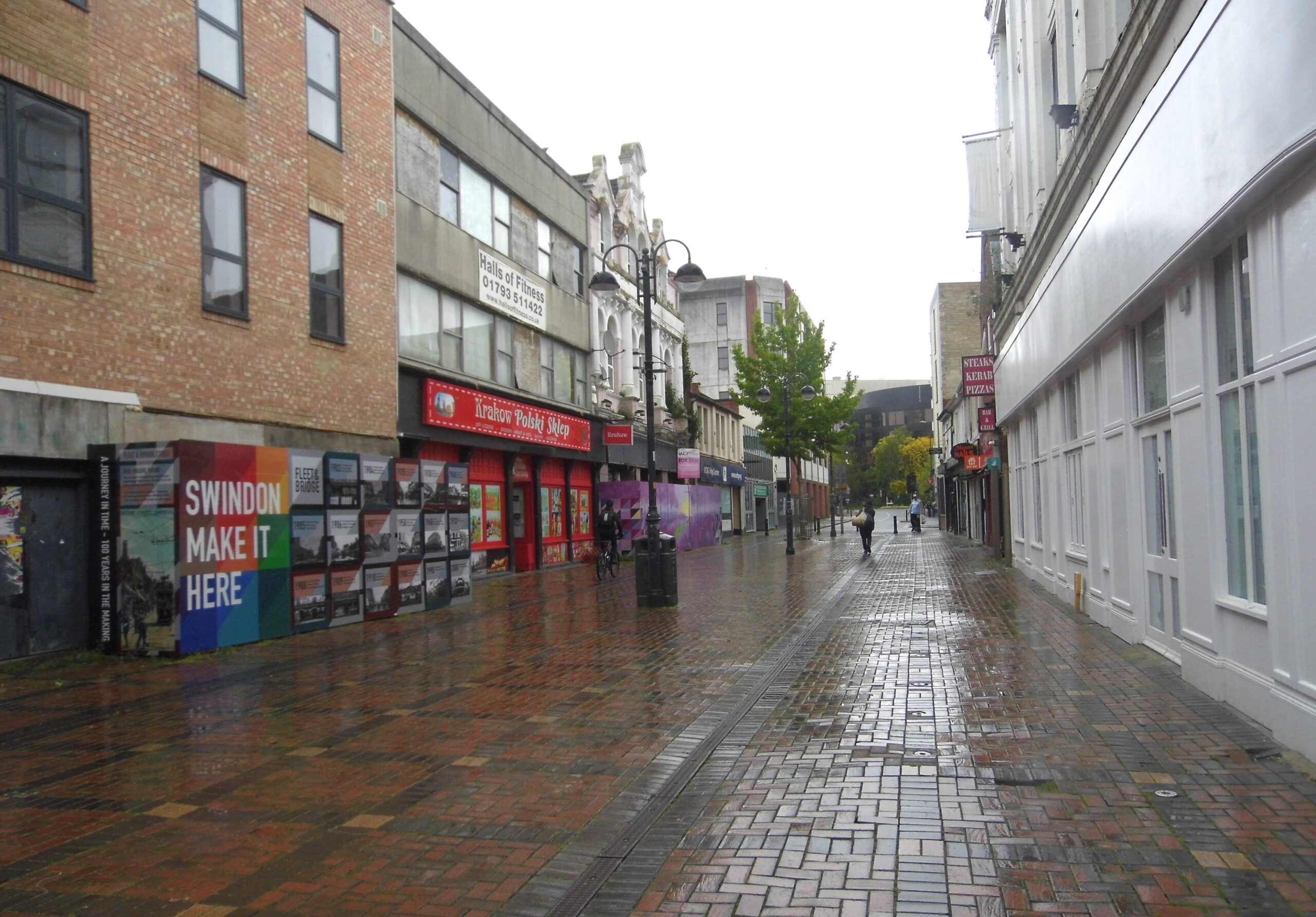
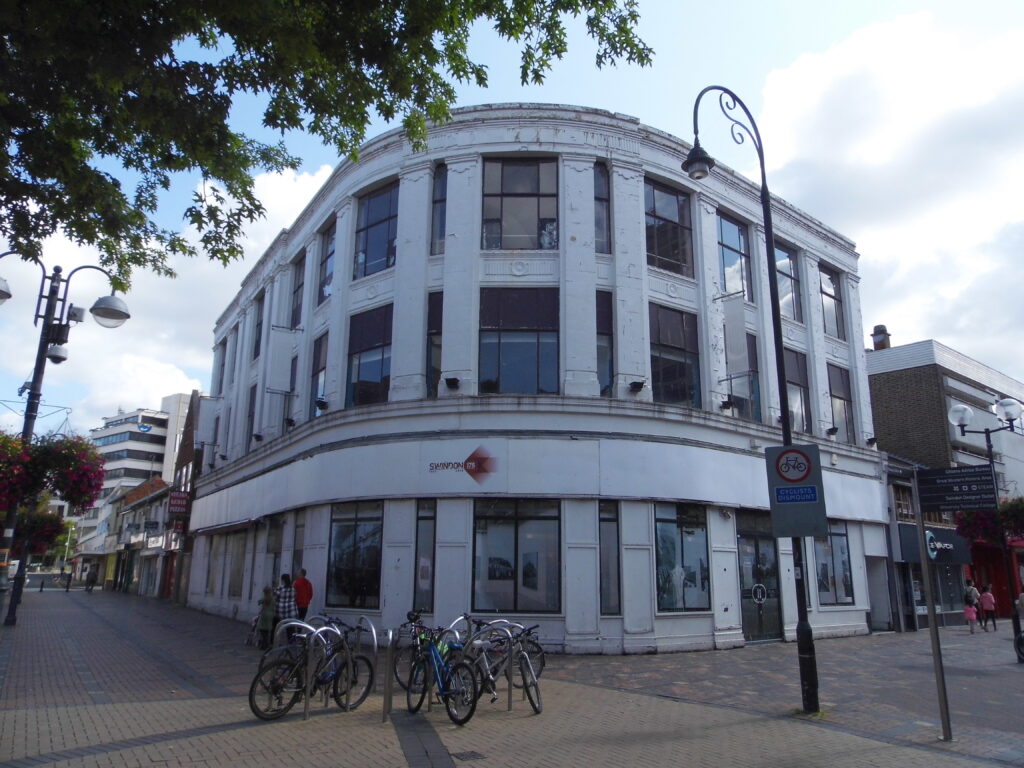
Fleet Street and Fleet Square – a view down a wet Fleet Street towards the railway station and Fleming Way. The white building on the right is the Burton building.
Tramlines
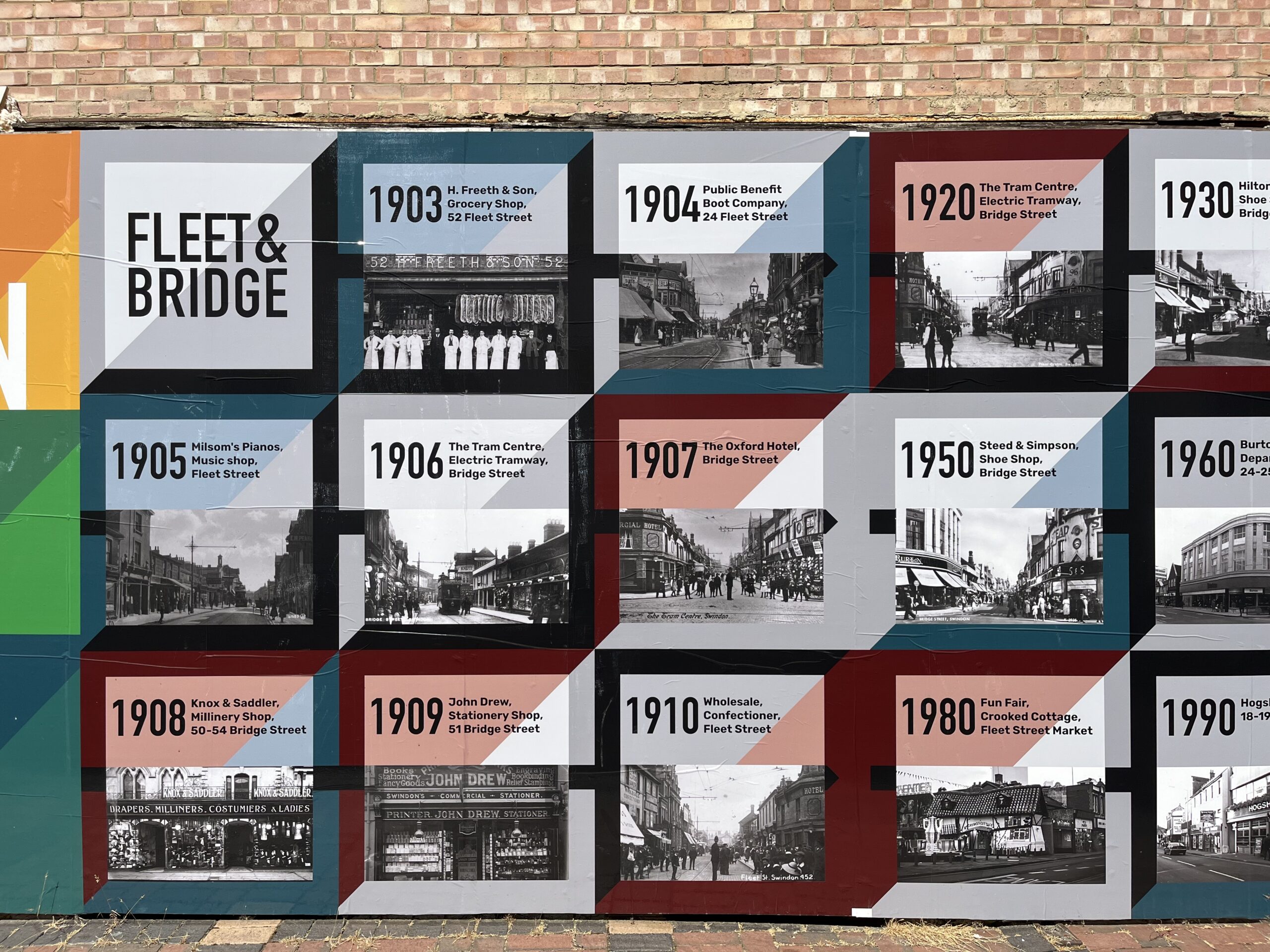
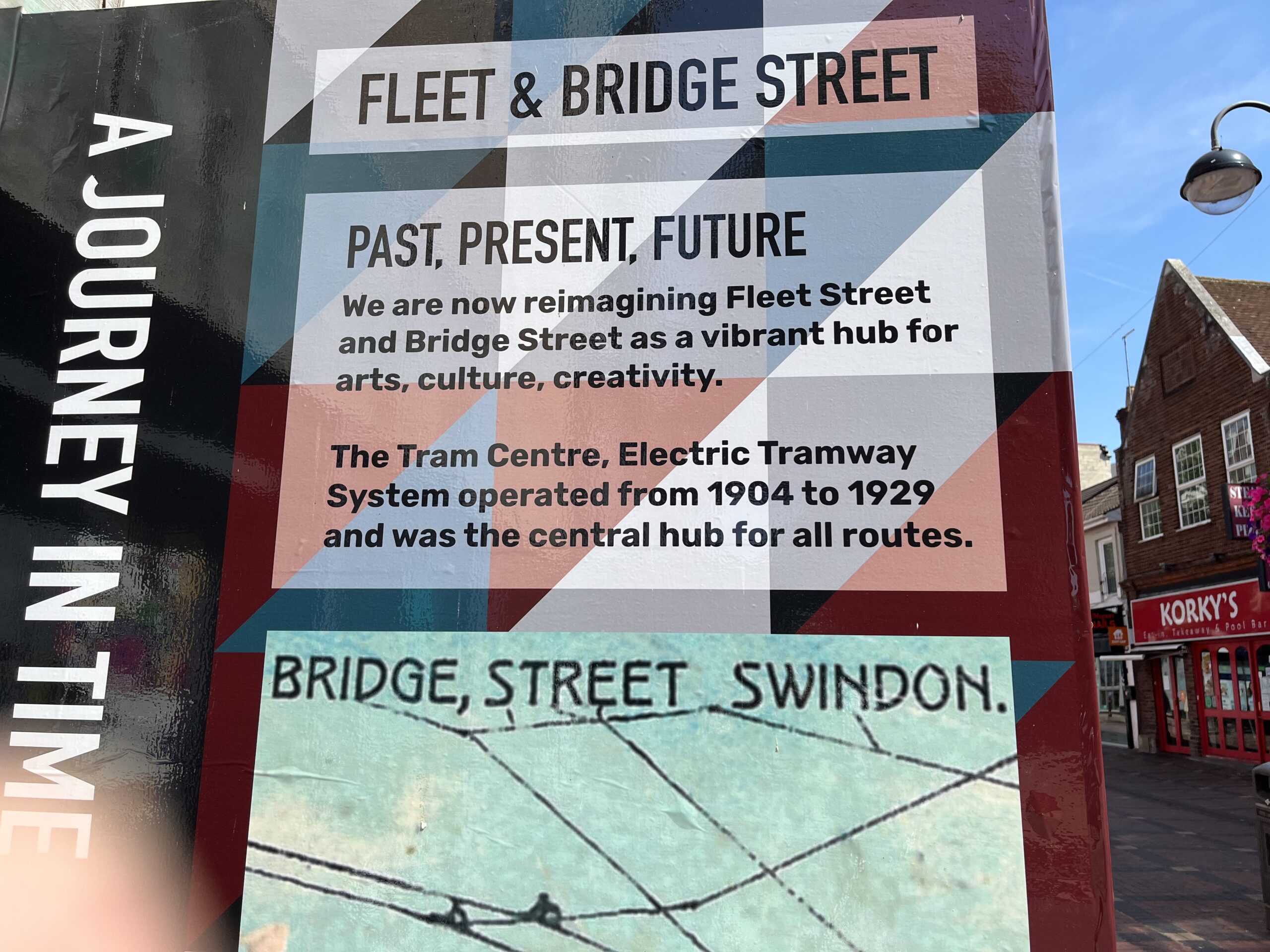
A distinguishing feature of the Fleet Street/Bridge Street junction was its function as the heart of Swindon’s tramways. The tramway opened on September 22, 1904 and had a depot in Corporation Street. A mere twenty-five years later they were phased out and it’s as if they never existed at all, so completely were they swept away by the new fangled omnibus.
Known variously as the tram centre, the centre or *Clappen’s Corner, from here one could take a tramcar to one of three destinations.
… the far end of Rodbourne Road near the Bruce Street railway bridge.
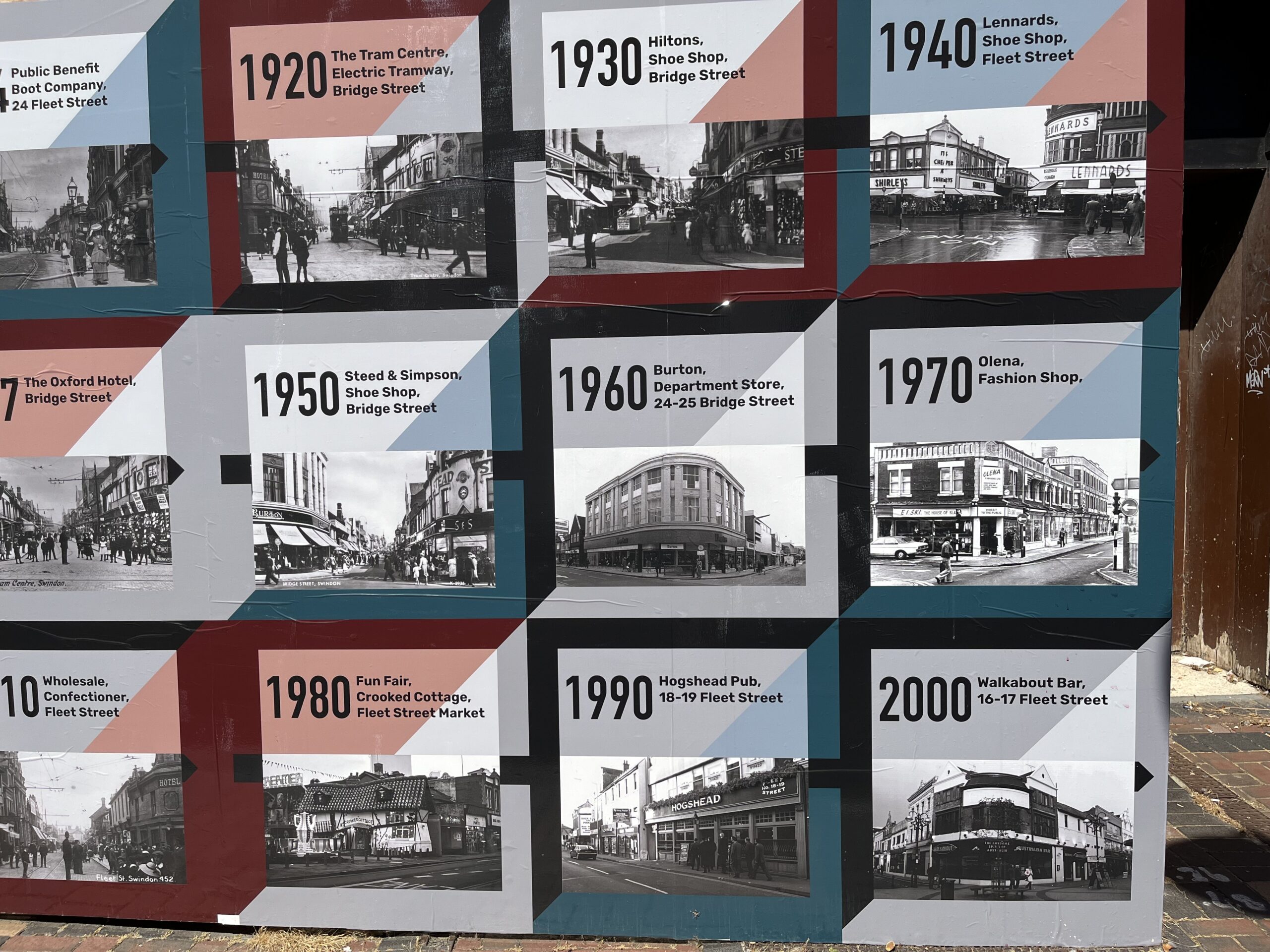
The name Clappen’s Corner came from one William Clappen who ran a prominent clothing and millinery store on the right-hand corner of Fleet Street/Bridge Street. From 1905 to the early nineties the site became a Stead & Simpson shoe shop. This structure later had a date with the wrecking ball and Wilkinson’s (Wilko) built a purpose-built store there – it’s now vacated.
Referencing that ancient Fletway track, this modern building bears the name, Fleetway House.
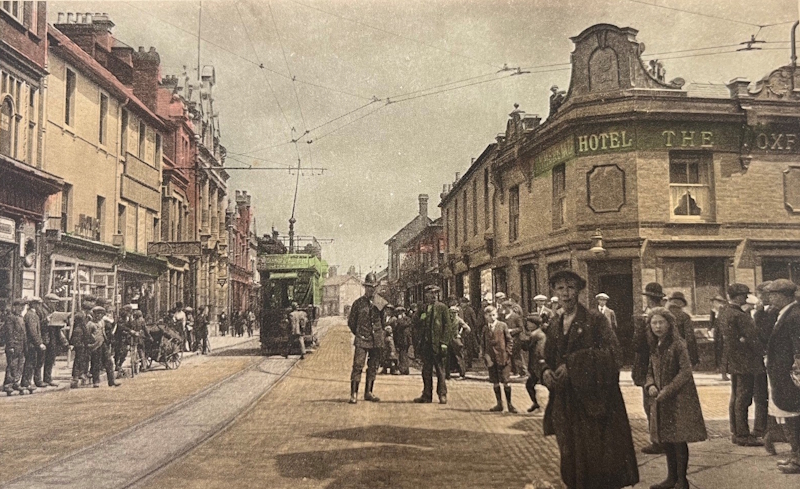
Below is the same view of Fleet Street. The left hand image from Local Studies is dated 1912 approx. The one on the right early 2000s.
Fleet Street in 1912. Looking eastwards towards the tram centre it shows the Oxford Hotel on the right-hand corner of the image. Before becoming the Oxford it had spent four decades as the Volunteer. Image courtesy of Local Studies.The same view as the 1912 image. The Burton building (in somewhat better days) stands on the same spot as the erstwhile Oxford Hotel.
Fleet Street today
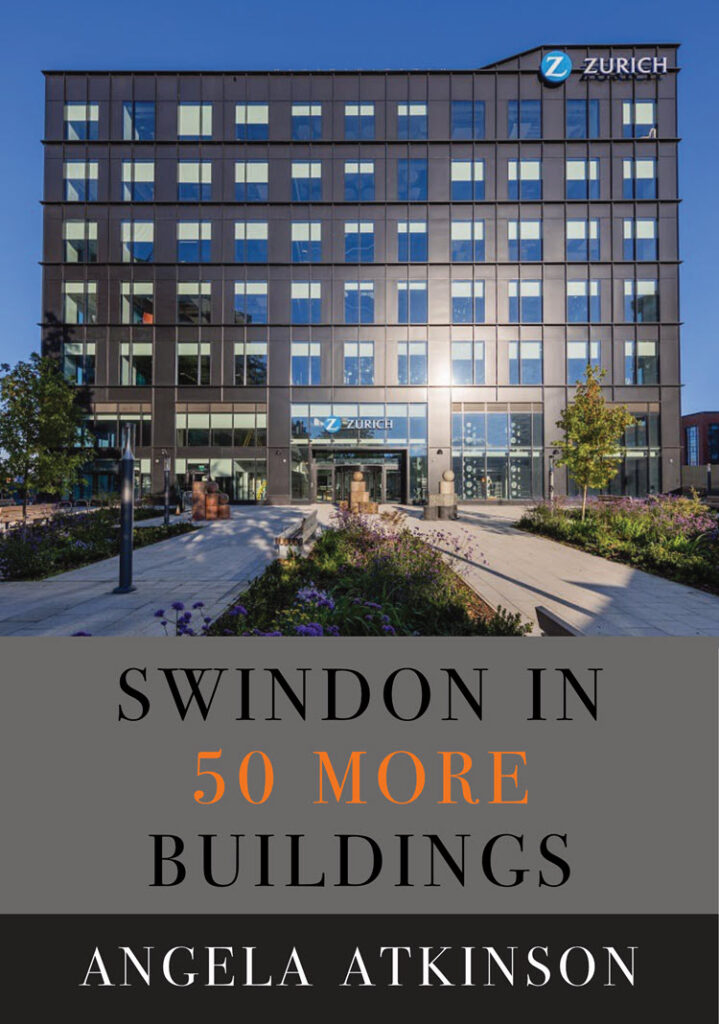
Over the years the area has housed a busy outdoor market and numerous drinking establishments. There’s no pretending though that it hasn’t, let’s say, lost its shine, in recent years. Indeed, Fleet Street and Bridge Street are two bits of Swindon that make me sad. Though that’s not to say they’re not worth visiting. Indeed, in Swindon in 50 More Buildings I highlighted three buildings on Fleet Street that I felt worthy of mention. In the first instance because they’re interesting and in the second because the state of them concerned me. They are:
No 24 Fleet Street Swindon also known as The Public Benefit Boot Company. Scan of a 1908 postcard from Local Studies image collection.: 30th April 1908, East
Murals
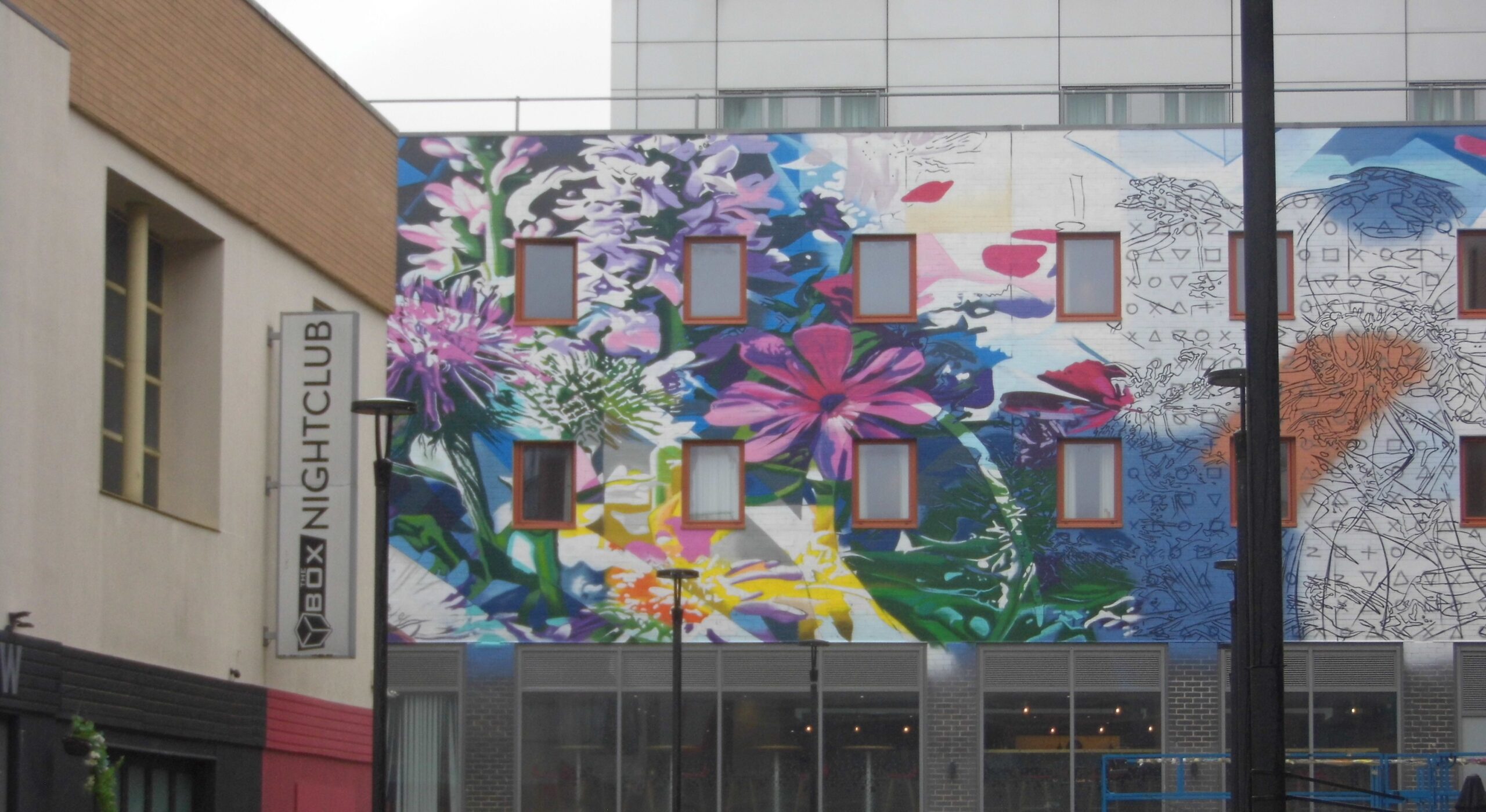
Brightening the area we now have some large-scale mural action. This rather gorgeous creation brings life and colour to Fleet Square – a small area between the Sir Daniel (Wetherspoons) on one side and the Drink Valley, an independent micro brewery on the other.
The Fleet Square mural by Ed Poster covers a prominent wall between the Ibis Hotel and the Holiday Inn.
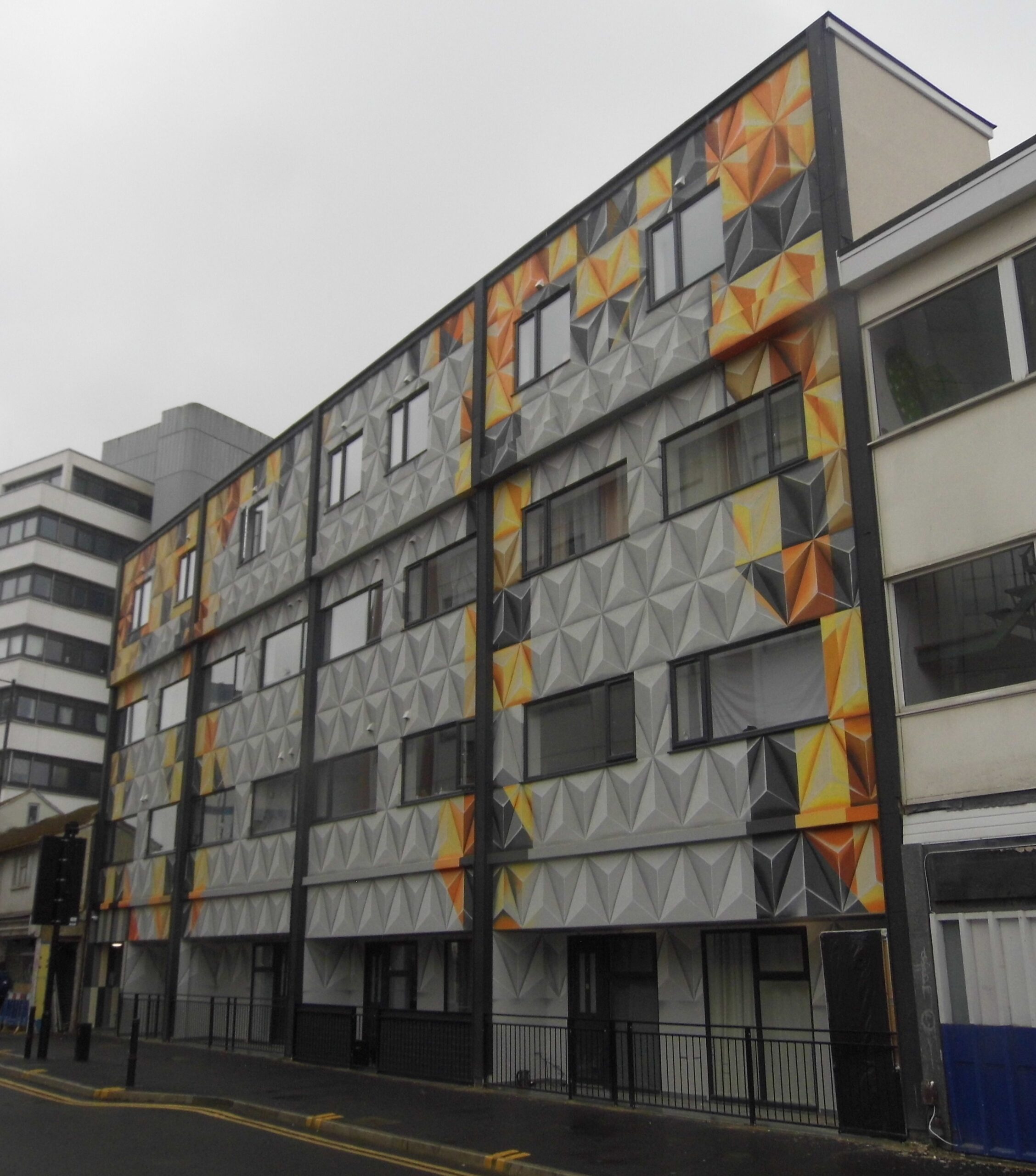
The vibrant striking British wildlife corridor design features native wildflowers and a dragonfly, symbolising biodiversity. It also references the historic Wilts & Berks canal, part of which once ran through Swindon town centre.’Also, lower down Fleet Street, closer to Fleming Way, an entire building has been given an artistic, geometric design overhaul by Ed Poster.
Having visited Fleet Street we now make our way to: