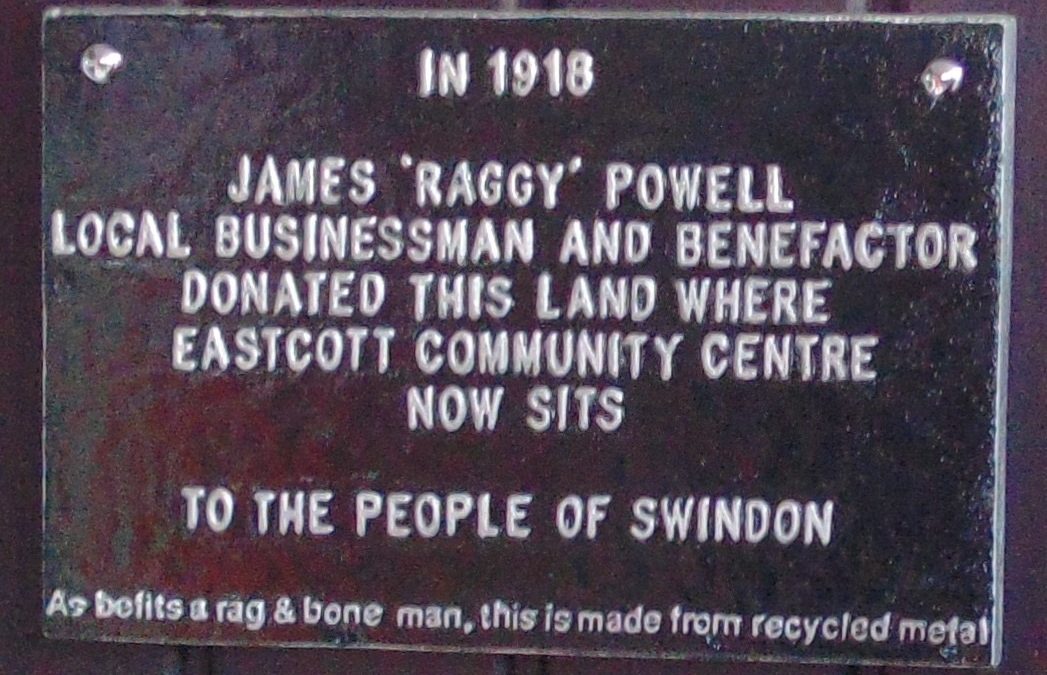
So yesterday afternoon, I spent the most delightful time at Eastcott community centre, in readiness for the unveiling of the James ‘Raggy’ Powell plaque.
Eastcott community centre is truly one of Swindon’s gems. Not only is it a place and site with tons of historical and social history, it’s a thriving and well-run community centre.
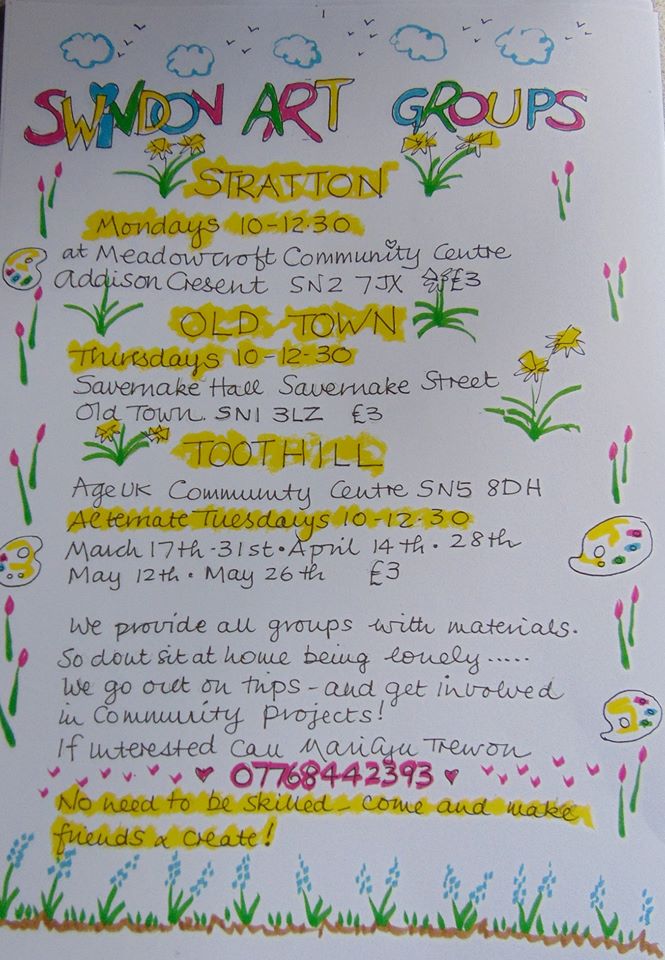
There’s an art group run by Marilyn Trew. Then there’s repair cafes, Sunday afternoon music and all the other activities you associate with a community centre. In recent years they’ve done so much fab stuff up there and by them.
They put on a heritage exhibition at the museum and art gallery. And not long back published a book: The Legacy of a Rag and Bone Man. And listeners, that rag and bone man is what yesterday’s events were all about.
As Graham says: ‘If you don’t know his story: he was nicknamed Raggy because he was a rag-and-bone man. Yet, he was good enough at it to become rich and obtain various artworks, which he was only too happy to share with the people of Swindon.’
He gave a large statue of Charlotte Corday, which still stands in the foyer of the Town Hall. And many other objects that eventually formed the basis of Swindon Museum. No wonder he was made a Freeman of the Borough.
During his lifetime this extraordinary man even gave a plot of land on which Eastcott Community Centre now stands – which is where you will find the new plaque, posthumously thanking him for his immense generosity.’
James Powell: Rag and bone man turned Alderman.
The James’ Raggy’ Powell Plaque at Eastecott Community Centre
The recycled metal mentioned on the plaque came from old fryng pans donated by Ash Mistry of Eggelicious. No finer material!
From left: Andy Binks (Swindon Society, Cllr Kevin Parry (Mayor), Caroline David-Khan, Graham Carter, Noel Beauchamp, Angela Atkinson (Born again Swindonian) and Toby Robson – he who made the plaque!
Marilyn Trew’s art groups
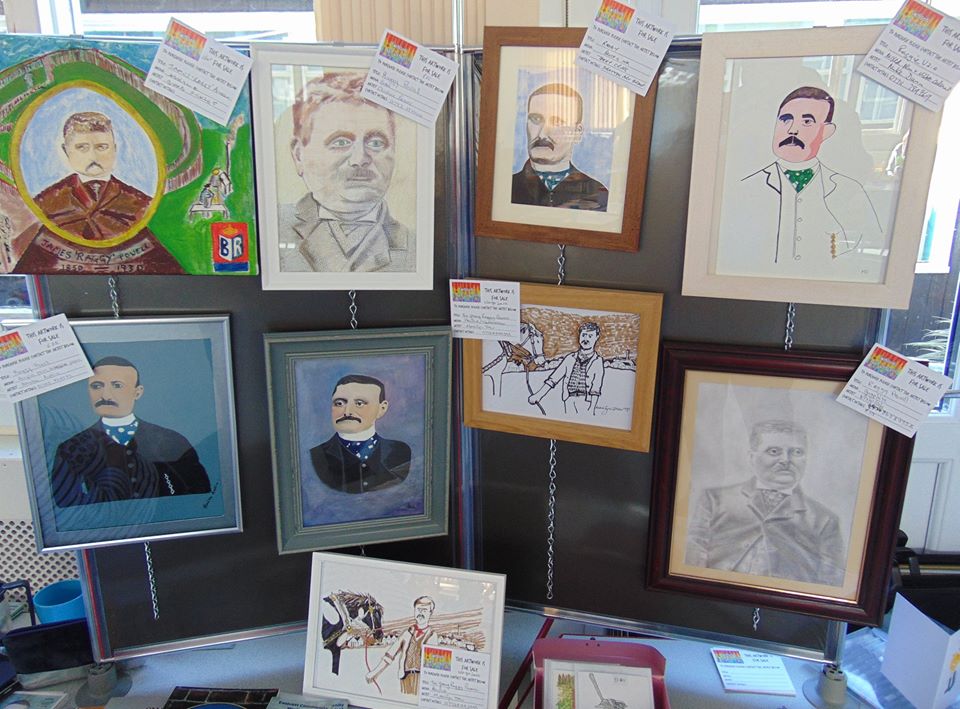
Work done by the art group at Eastcott community centre
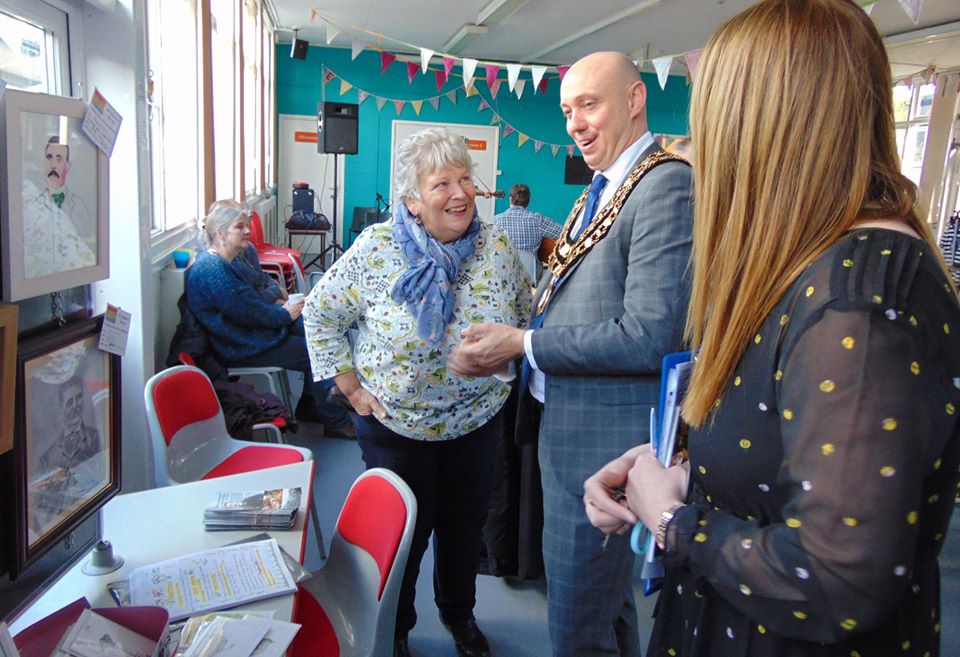
Marilyn Trew chats to the Mayor
Toby Robson and the Mayor, Cllr. Kevin Parry, cut the ribbon on the plaque
Congratulations to Eastcott Community Centre on doing this. Well done guys! Great work as ever! A more fabulous and fitting to Raggy Powell it’s impossible to conceive.
Swindon and your community were so lucky to have first him, and now you.
Local author and writing mentor, Lis McDermott launches her latest book in aid of Jessie May
6th March 2020
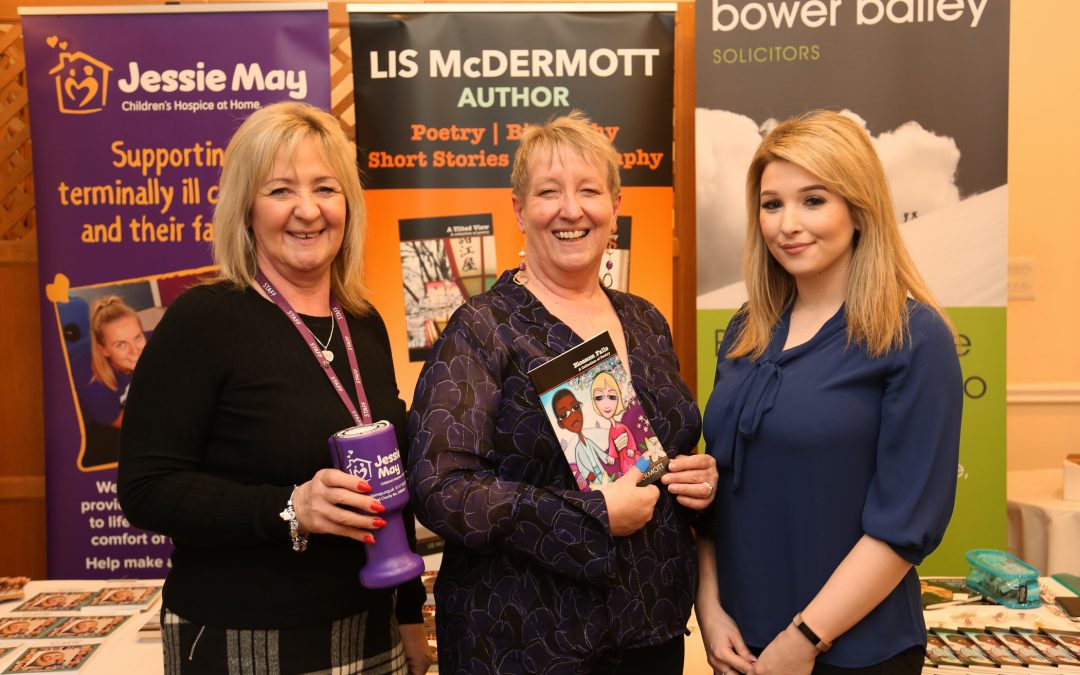
Author and writing mentor Lis McDermott launched her latest book of poems, Blossoms Fall, at a charity event in Highworth yesterday.
Author’s Book Launch Supports Jessie May
Friends joined her at the book launch where she read some of her poetry. The event raised money for Lis’s chosen charity Jessie May, which provides ‘hospice at home’ care for terminally ill children. The charity is currently supporting 35 families across Swindon and Wiltshire.
AUTHOR LIS MCDERMOTT AT THE LAUNCH OF HER LATEST POETRY BOOK ‘BLOSSOM FALLS’ (centre). With her are Debbie Clark of Jessie May (camera left) and Lauren Webb of Bower & Bailey.
“We had a lovely evening,” Lis said. “I’d like to thank everyone who came, everyone bought a ticket to attend and also bought raffle tickets on the night. In the end we raised £325 for Jessie May.
“I’d like to thank Wrag Barn for their support by donating their venue to host my book launch. Also Bower & Bailey Solicitors for sponsoring the welcome drinks and to every business who gave raffle prizes.”
Simon Smith, Managing Partner of Bower Bailey Solicitors said, “Jessie May do sterling work assisting children and their families in Swindon and Wiltshire. We’re pleased to be able to sponsor this event in support of Jessie May.”
About Jessie May
Jessie May, Children’s Hospice at Home provides hospice at home care for terminally ill children in Bristol, Swindon, and Wiltshire. The dedicated nurses provide care to children and families during a child’s life and after their death. A four-hour family respite session with a Jessie May nurse costs £300. Moreover the nurses support bereaved families for up to five years after the death of their child.
Lis McDermott – Author’s Book Launch Supports Jessie May
This is Lis’ second poetry collection. ‘Blossom Falls’, continues to explore similar themes to her first collection ‘A Tilted View’. Lis writes about life; the unfathomable issues of racial prejudice in society; her thoughts on Brexit, and some funny takes on her view of things around her.
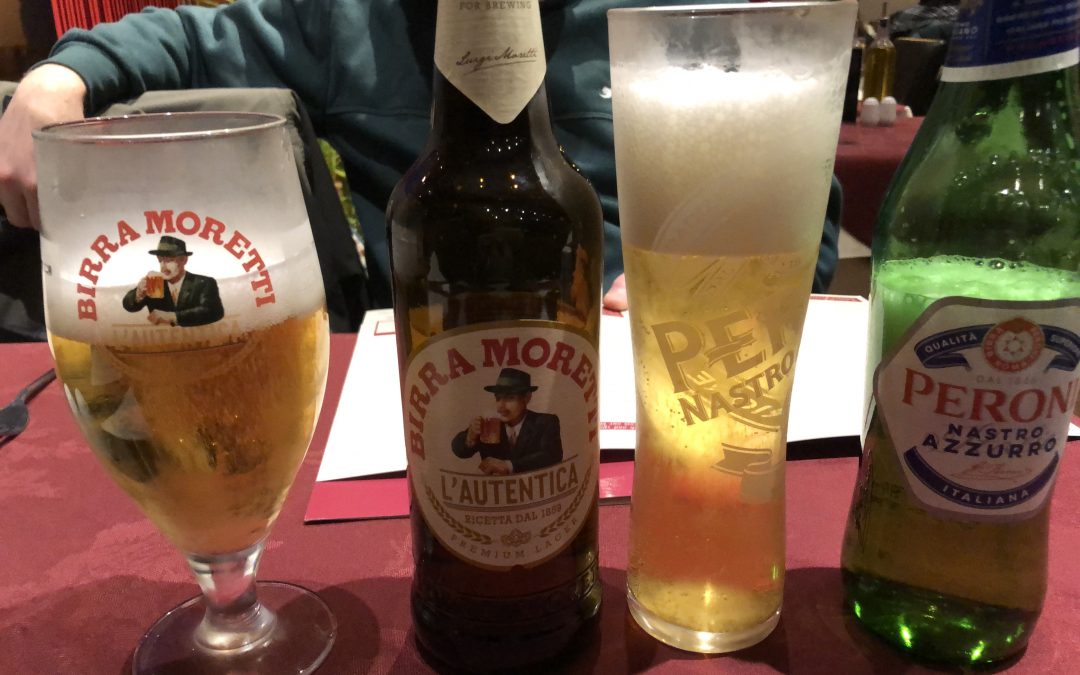
From thePeroni official website we learn that the Peroni family conceived this beer in 1963. A beer to embody Italian values of quality and craftsmanship. They describe the beer as being brewed through three generations of master brewers. According to them: ‘Peroni Nastro Azzurro uses only the finest ingredients, including our exclusive Nostrano dell’Isola maize.’
Thus, they say, they deliver a beer that is crisp and refreshing with a delicate balance of bitterness, citrus and spicy aromas with a fast, clean finish. I have no sense of smell so can’t comment on the aroma part.
THE NOSTRANO DELL’ISOLA MAIZE
The maize used by Peroni they obtain from the small town of Bergamo in northern Italy. The town produces the maize only for Peroni.
Lying in the Lombardy region is a fertile plain, between the rivers of Adda and Brembo, known by the locals as the ‘island earth’. Here are perfect conditions for growing maize. An absence of frost, the cilmate and the soil – irrigated by melted snow from the Alps – creates this ideal environment.
The Peroni Brewery
To learn about the Peroni Brewery visit Beer and Brewing.ComThey say: ‘Peroni Brewery, founded as the Birra Peroni Brewery in 1846 by the Peroni family in Vigevano, Italy. In 1864 Giovanni Peroni moved the brewery to Rome, where it soon began to prosper. The first advertising for Peroni beer appeared in 1910 and helped popularize the brand …
… The second largest brand is Nastro Azzurro, meaning “Blue Ribbon” in Italian. Nastro Azzuro is a premium lager at 5.1% ABV launched in 1963.
Birra Moretti
First brewed in 1859, this beer is made with a blend of quality ingredients and a barely-changed brewing process. According to the Beers of Europe website what you can expect from this beer is a delicate citrus hop base and a top note of wholemeal bread. All I know is that it’s a tasty and refreshing 4.6%.
Heineken bought the company in 1996. Nothing is what it seems eh?
As for the label on the bottle: It appears that, in 1942, Moretti’s nephew noticed a dapper chap in a restaurant in Udine. He asked if he could take the man’s picture. The diner said ‘yes’ in exchange for another beer. From that day to this he adorns every bottle of Moretti beer.
The Da Vinci Restaurant and Pizzeria
These Swindon in 50 drinks posts are more about the drink than the venue. But I have to say, I have a soft spot for this place. The food is good and good value. The staff are friendly. And – you get a tablecloth and linen napkin. A rare treat these days. If you’ve not been then give them a try.
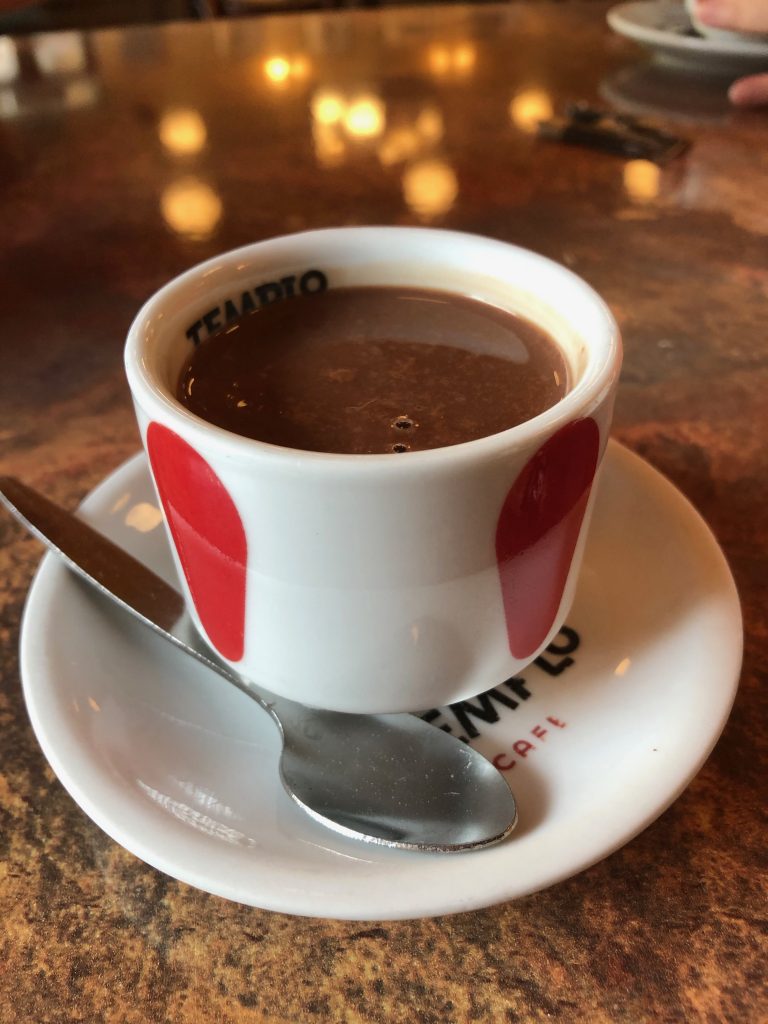
A blustery Saturday morning, in a series of seemingly endless blustery/gale force/wet days in early 2020, saw four female friends gather for coffee, a warm chocolate drink, churros and chat.
Hot Chocolate History
Drinking chocolate is a delight almost as old as the sun itself. It certainly dates back to The People of the Sun – the Aztecs.
They gave high-regard to cocoa beans for their culinary pleasures and traded in them too – using them as currency. During cultural festivities and ceremonies, they exchanged cocoa beans as gifts.
The Aztecs began roasting fresh cocoa beans and making a chocolate drink from it. But their recipe is miles apart from the drink we know today.
The Aztecs took their chocolate drink cold and blended it with chill peppers and even mulled wine. Indeed, chocolate with chill in it has become popular in recent years.
HOW DRINKING CHOCOLATE ARRIVED IN EUROPE
Back in the early part of the 15th century, the explorer Cortez, discovered chocolate and introduced it to Europe. In Spain they took the chocolate as a hot beverage, sweetened and without the spicy additions. For over a century the Spanish protected their drinking chocolate recipe.
The superiority of chocolate (hot chocolate), both for health and nourishment, will soon give it the same preference over tea and coffee in America which it has in Spain.” — Thomas Jefferson
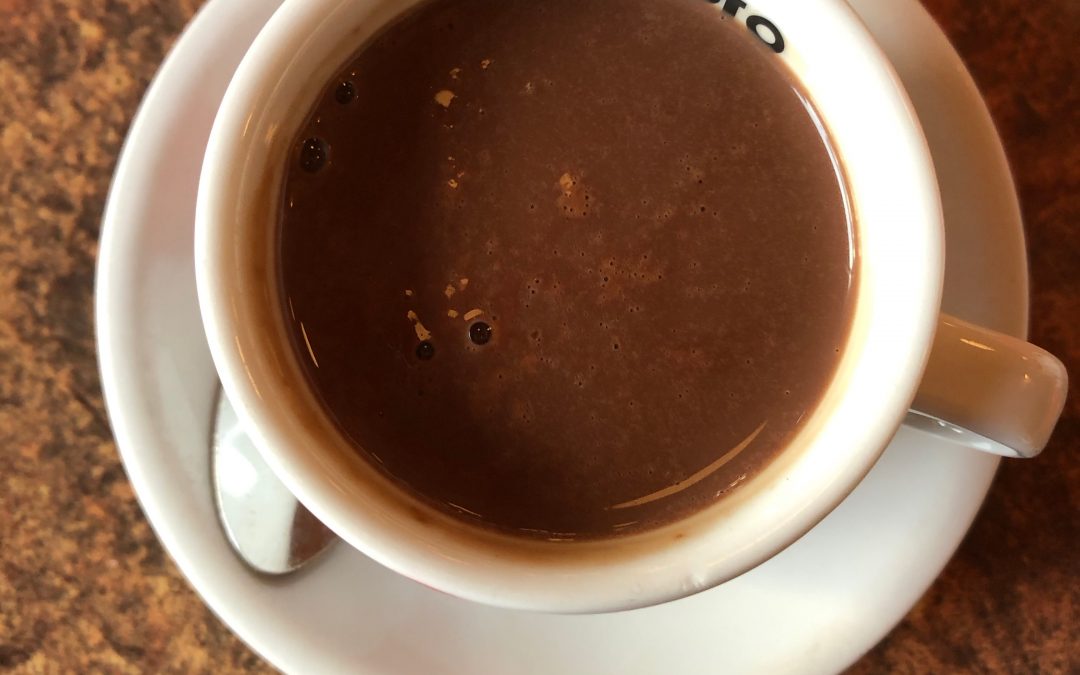
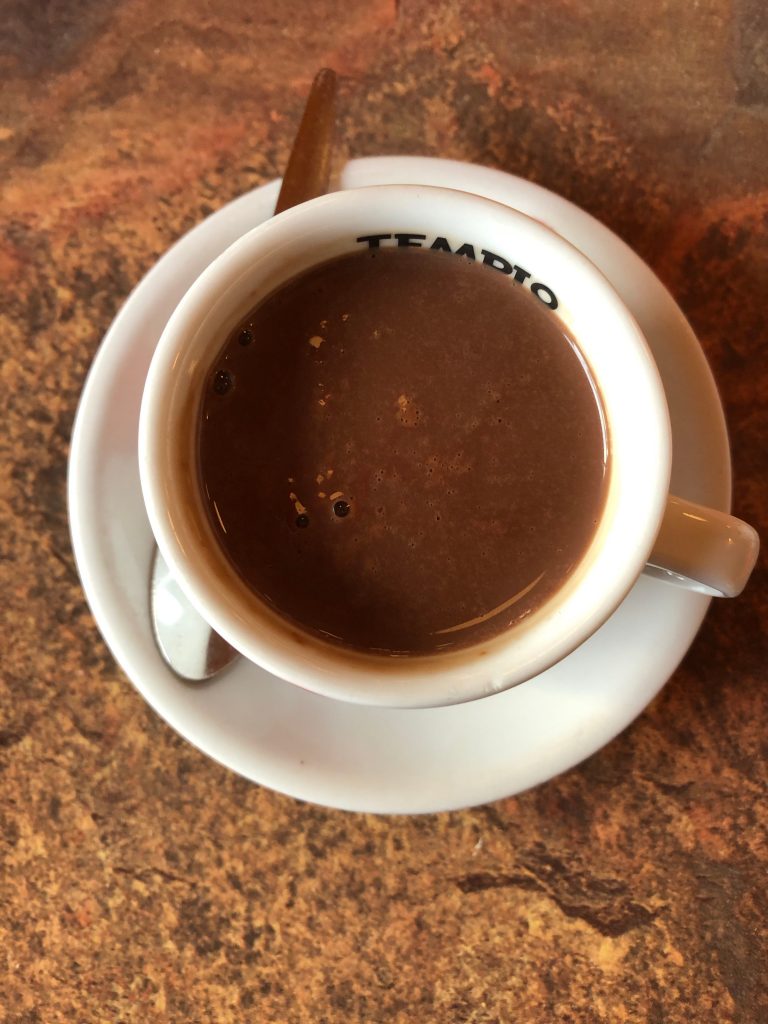
Hot Chocolate at Los Gatos
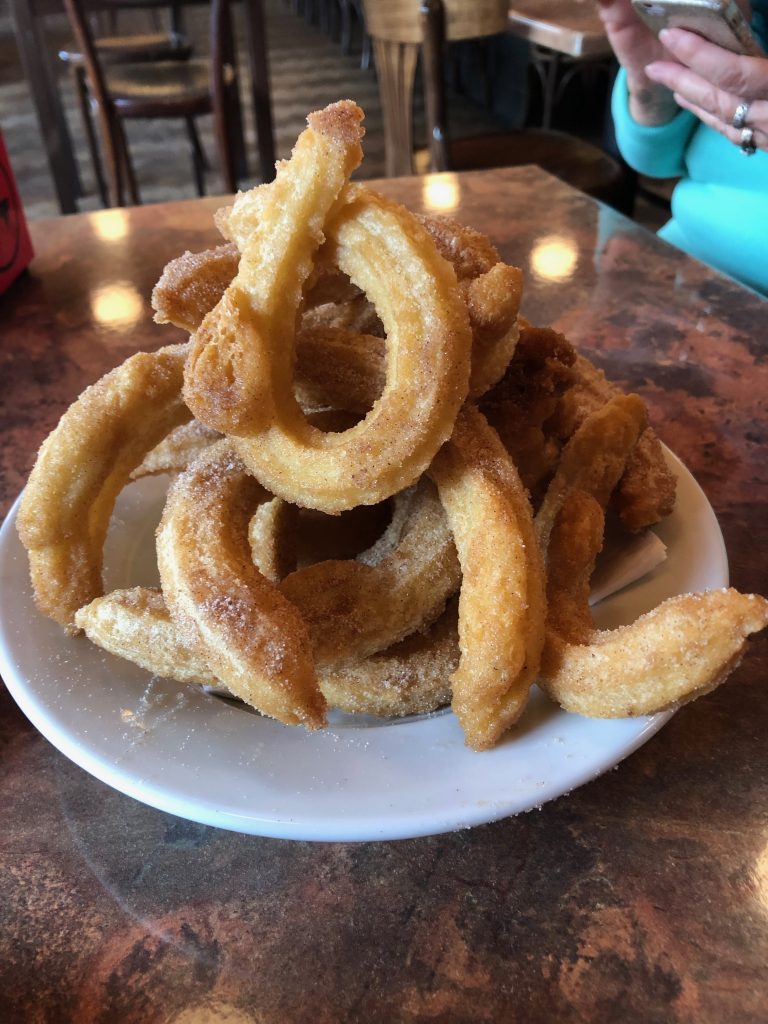
Churros at Los Gatos
NB: Los Gatos serve churro (one churro – multiple churros) on Saturday mornings from 10am – to about 11.30 am I think. After that it’s lunches. Dipped into a cup of hot chocolate, this Spanish spin on doughnuts is divine. It gets busy so go early.
And this piece from The Londonist details the history of drinking chocolate in London.
According to them, Samuel Pepys infamous diary holds an early record of drinking chocolate. He writes, after the 1661 coronation of King Charles II, he used drinking chocolate as a stomach settler following his liberal libations of the previous night.
‘Drinking chocolate was also available in the new-fangled coffee houses (coffee only arrived in London around five years previously), but this was often an inferior, watered-down version. Plus, most coffee house visitors were there for the caffeine, which cocoa didn’t offer in such quantities.’
Curiouser: A dance adventure for 3-6 yr olds – Swindon Dance
Flexer & Sandiland (UK) & dybwikdans (Norway) bring Curiouser: A dance adventure – a delightful dance and digital show to Swindon Dance: 22 February at 10.30am and 1.30pm.
In this show, children and adults embark on a delightful journey of curiosity and wonder. Guided by two friendly dance-performers, you’ll delve into magical caves, explore leafy forests, soar through starry night skies, and meet playful characters. All loosely inspired by the children’s classic Alice in Wonderland.
This is an interactive performance. One where you can choose to sit back and watch. Or you can get up and get-involved. Incorporating animated hand-drawn projection, dance, sound, text and interactive digital objects, Curiouser immerses and surrounds the audience to create an intimate yet spectacular experience. The show invites curiosity about what it might mean to view the world from a different perspective.
Adults become little and children become great in this interactive imaginary world of ever changing proportions.
Treat your little ones to an adventure with award-winning dance & digital artists Flexer & Sandiland and Norwegian company dybwikdans, both companies renowned for their intimate immersive works for young audiences. Recommended age 3+.
First an international tour of Disappearing Acts in 2016. Next recent success of The Hum (2017) the company’s sited mobile phone App commissioned by Brighton Festival 2017 and touring across the UK and as part of Without Walls. Then Flexer & Sandiland began their UK tour of Curiouser with a sold out premiere at The Lowry Theatre and now they are touring the UK.