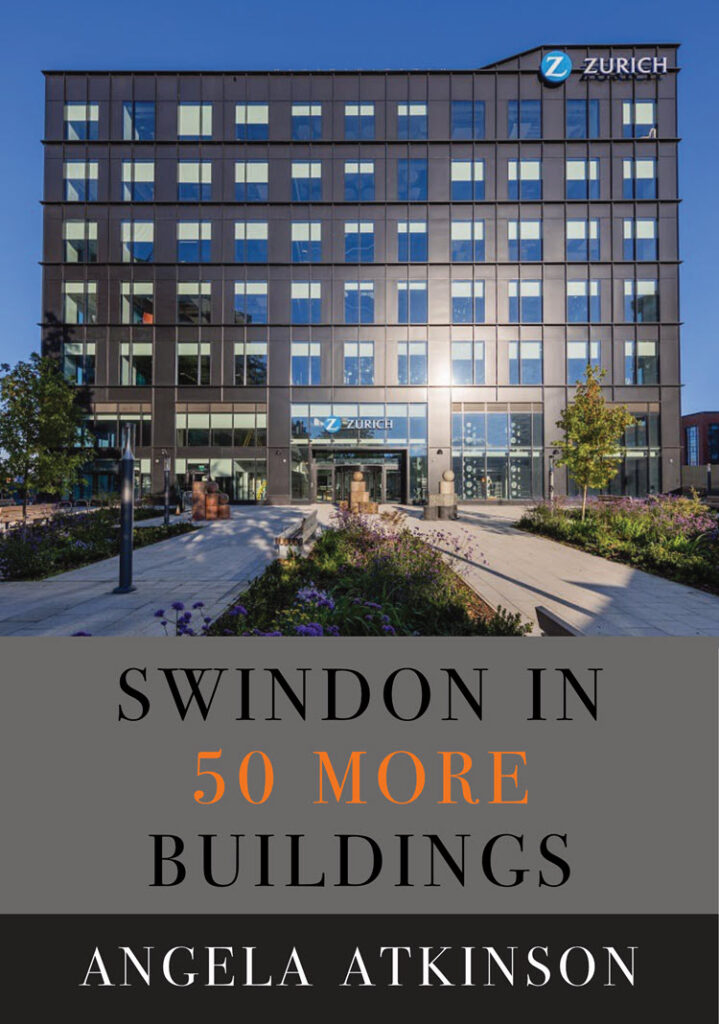
Heritage open days 2020 is England’s largest festival of history and culture. It brings together over 2,000 local people and organisations and thousands of volunteers. Every year, in September, places across the country open their doors to celebrate their heritage, community and history.
This is your chance to see hidden places and try out new experiences. And – ta da – it’s all for free!!! Or rather it would be were it not for a little thing called Covid-19. Oops!
So what CAN you do in Swindon?
Well a number of things – and not all of them virtual experiences. Although, for obvious reasons, the offering is a bit more limited than it might be under usual circumstances, there are some worthwhile offerings.
Exciting things are happening in Swindon’s Railway Village which is currently being revitalised by Historic England, Swindon Borough Council and other organisations through the Heritage Action Zone.
Built in the 1840s to Isambard Brunel’s design to house employees of the Great Western Railway (GWR) Works, the village is the UK’s best preserved example of a model railway village. Planned as a self-contained community with all the necessary facilities for a ‘decent’ life (according to the times), it comprises 300 railway workers’ cottages. All laid out in charming terraced streets, a church, pubs, shops, a school and a park.
Additional communal buildings of interest include the Mechanics’ Institution and the Health Hydro. Long before the National Health Service this provided a comprehensive health and wellbeing service for GWR workers and their families.
Refurbishments are ongoing or planned for the Cricketer’s pub, the Carriage Works, the Health Hydro and the Mechanics’ Institution.
Explore the Railway Village for yourself guided by our free map, downloadable from the HOD website. It’s full of information about Swindon’s rich history. Then come back next year to see inside the buildings and check how the regeneration is progressing.
The Pattern Store
The interior of the newly refurbished Pattern Store:
1897 saw the completion of this imposing 4-storey building, built to house the GWR’s collection of patterns. And later the pattern-makers themselves. It was designed to be fireproof with a steel frame and minimal combustible materials. All loading and internal doors and stairways are metal. On the roof are four massive steel watertanks capable of holding 1.1 million litres of water.
See all that in this lovely film by CREATE Studios:
Our small but perfectly formed museum is going all out to reach our visitors through a mix of virtual and ‘real’ activities.
On Friday 11th September, a brand new section on our website will go live with a host of wonderful resources, and entertainments. All designed to help folk make the most of the museum in these strange, limited times.
Our new online activities include: Downloadable art/heritage activities for adults. Fun and easy-to-do crafts for children. Videos of musicians who have been commissioned to play/sing for the museum. Educational activities for children to engage with the museum in all its different ways. And a wonderful collection of nature photographs by Sarah Singleton.
It’s ever curious is it not – how stuff pops up on social media relevant to somewhere you’ve not long since been to? In this instance the co-incidences relate to Shaw House, on Old Shaw Lane.
I tend to think of Old Shaw Lane as being a bit of bygone Swindon. But of course it’s not – not really. Because this side of town – the western expansion – wasn’t Swindon. Back then Swindon was the settlement on the hill. Old Swindon – Old Town as we call it now.
I wrote about the western expansion where I live, inSecret Swindon. And Frances Bevan has also written about it: ‘Development on the western expansion of Swindon began in the mid 1970s. First came Toothill, then Freshbrook, Grange Park (where I live) and Westlea. Shaw and Middleleaze followed in the 1980s.’
Covid Constitutionals
During this whole lockdown and Covid carry on I’ve taken to meandering around on what I call Covid constitutionals. During lockdown in particular I couldn’t get any further than my bladder would take – so that meant roaming West Swindon. I did feel a bit like I was in the Truman Show…
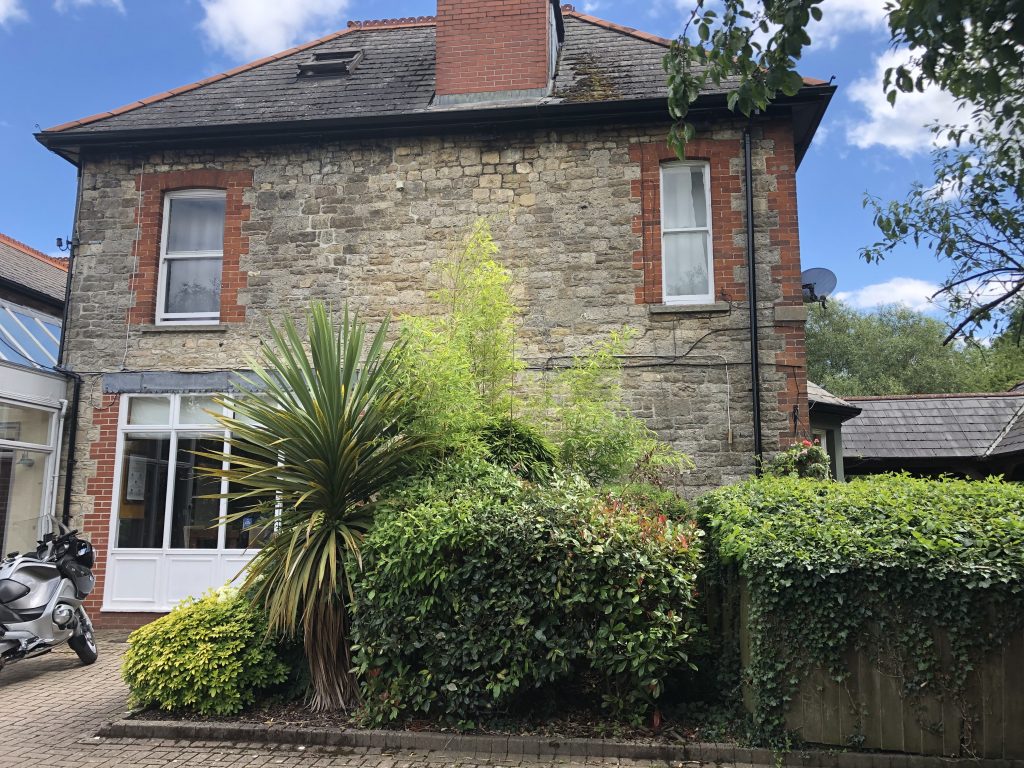
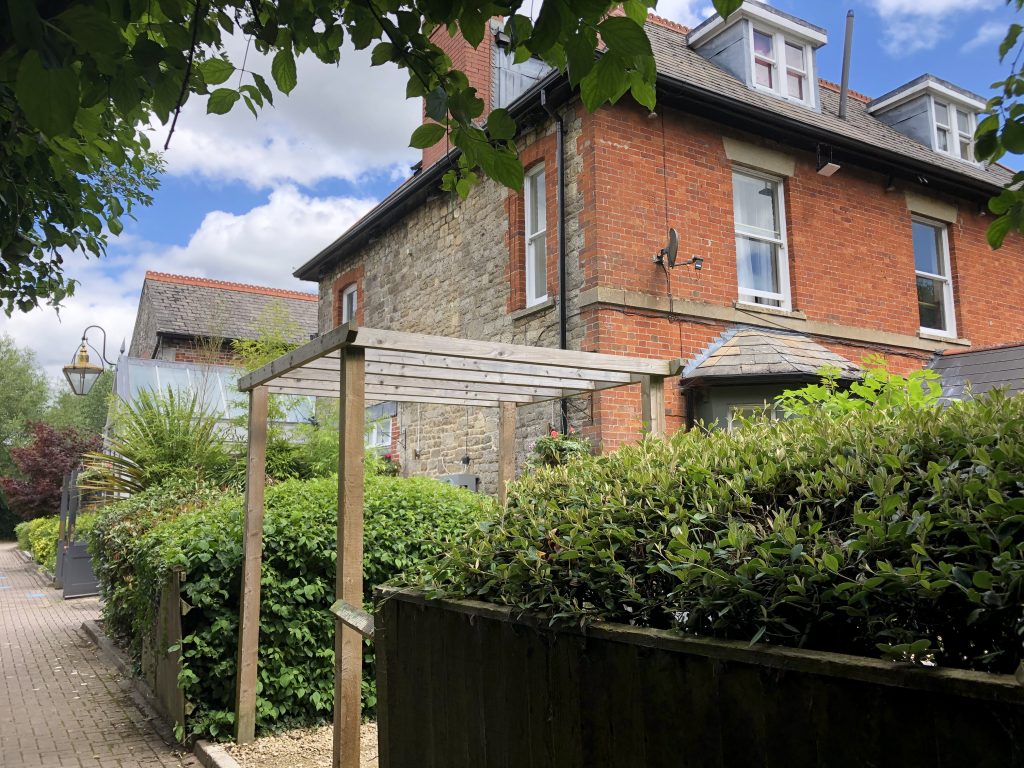
And one of my recent meanderings took me down Old Shaw Lane past the house that you see below – Shaw House.
Frances Bevan again:
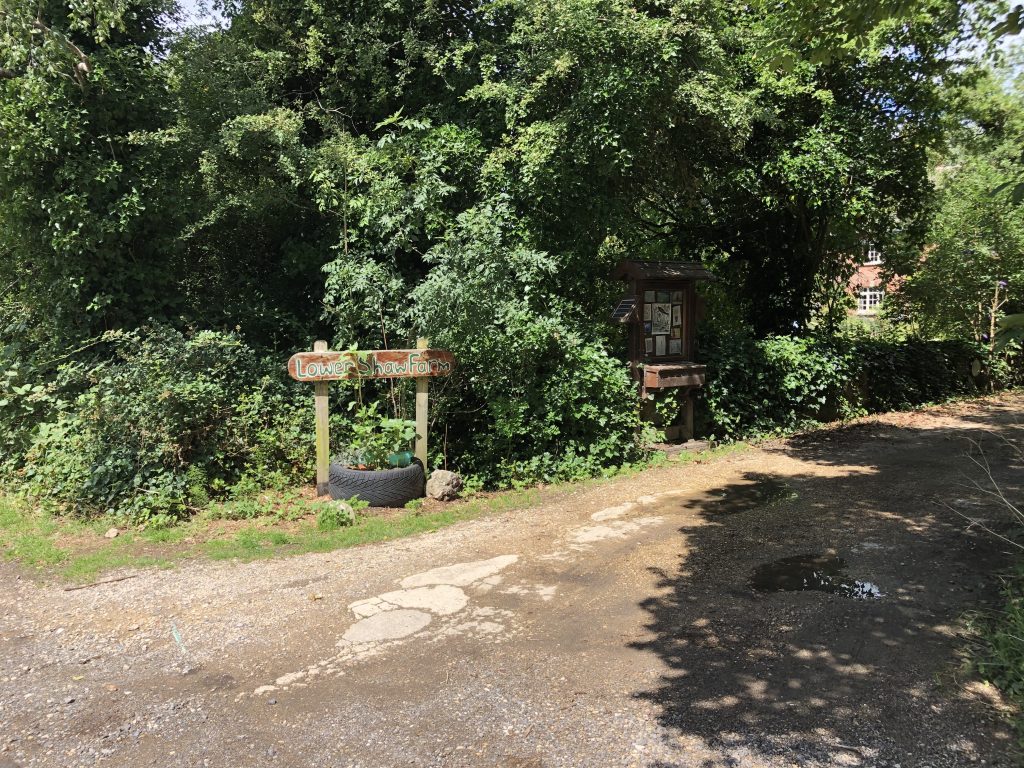
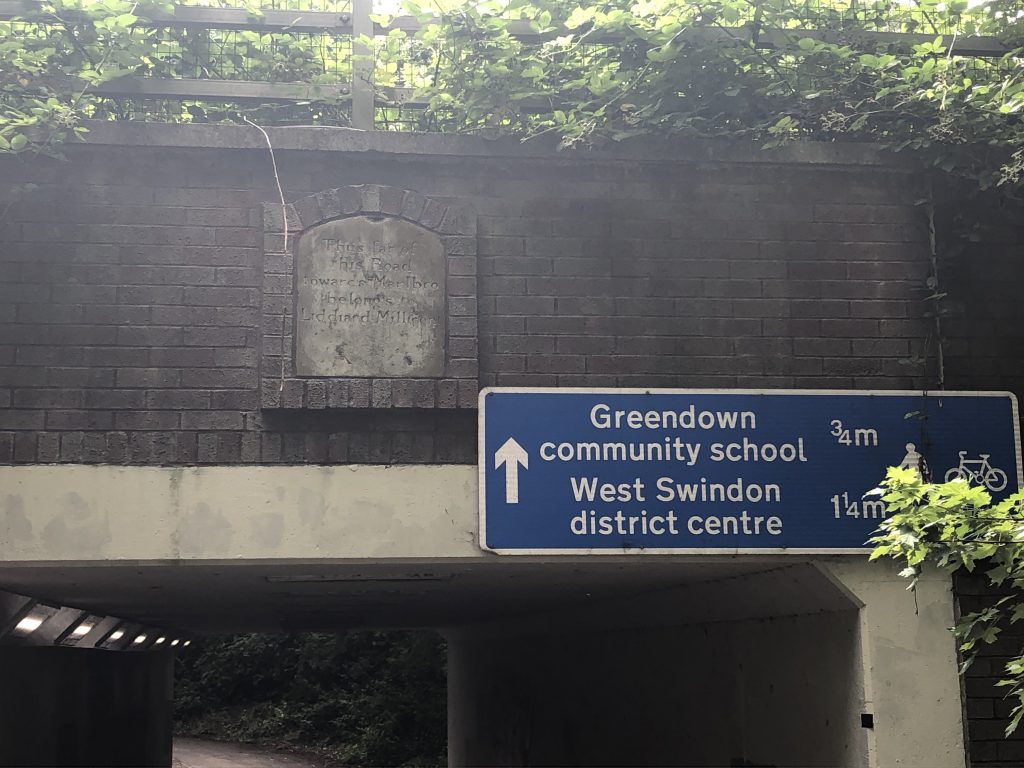
‘The lane that runs between the former Lydiard Millicent parish boundary and the tributary of the River Ray dates back to the Middle Ages. Building was slow along the thoroughfare known as Shaw Street in 1668 and two hundred years later there were just two farmhouses beside the lane. Shaw Farm, once owned by Viscount Bolingbroke, stood at the south east end and Lower Shaw Farm near the west end. A further 13 houses and cottages straddled the verges.’
Frances wrote about Mary’s great niece, Jane Helena Tuckey, in her splendid book Struggle and Suffrage in Swindon. It’s a great book – I heartily recommend it to you – and you can find a bit more info on it in this poston Born again Swindonian.
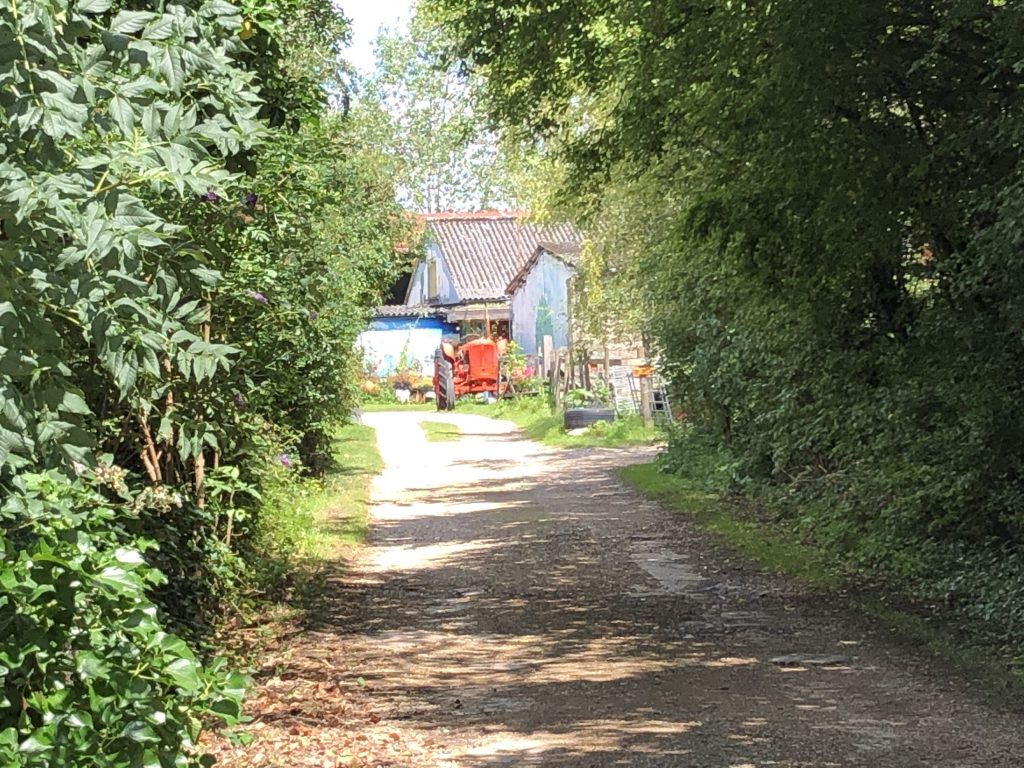
Across the lane from this house is Lower Shaw Farm – another old farmhouse that Frances writes about on her blog.
On and around and about Old Shaw Lane
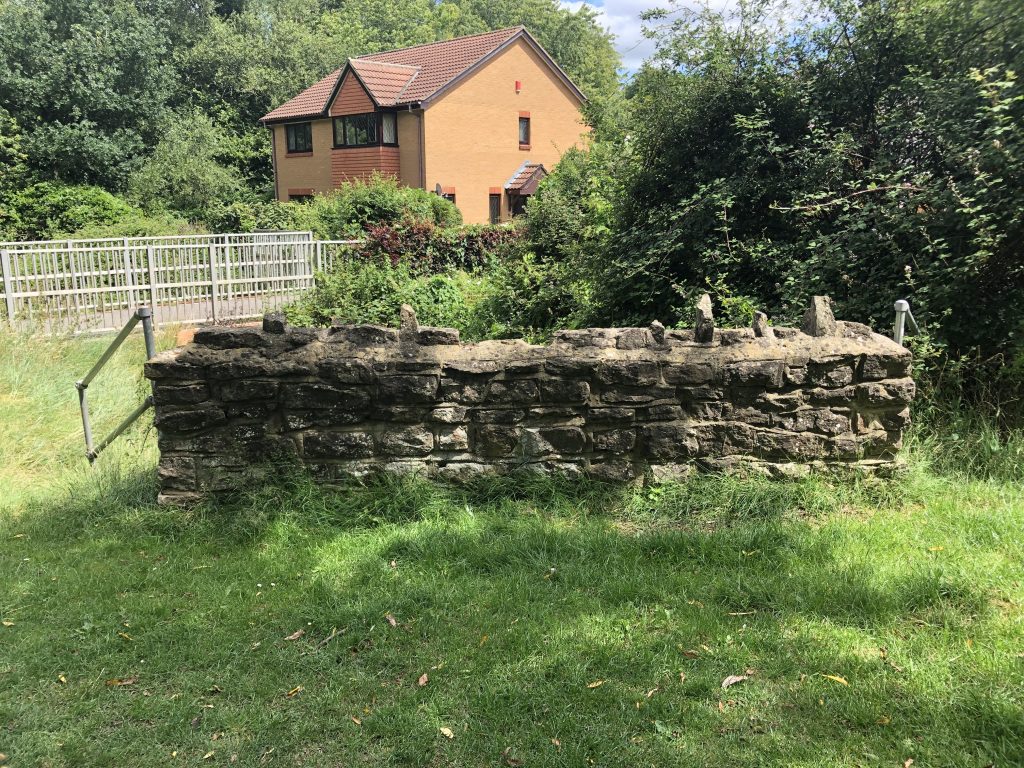
Remnants of rural life are all around us if we take the time to look. As the photographs above testify.
And my last word, and staying on this particular snatch of days gone by and linking to Frances one last more (as my granddaughter says) she has a blog post with the most appropriate name – Rural Remnants
BACK TO SCHOOL ADVICE FROM PARENT WHO RUNS ONE OF WILTSHIRE’S MOST SUCCESSFUL PERFORMING ARTS SCHOOL
Latest news from Fiona Da Silva Adams of of Revolution Performing Arts
AS PARENTS prepare for their children to return to school parent, here’s some helpful back-to-school advice from Revolution Performing Arts owner, Fiona Da Silva Adams. She shares her top tips for getting back into a school routine.
Fiona (known as Fi) runs Revolution Performing Arts, which offers after school clubs and classes across Swindon offering drama, dance and singing for children of all abilities. The ethos of RPA is one of inclusion.
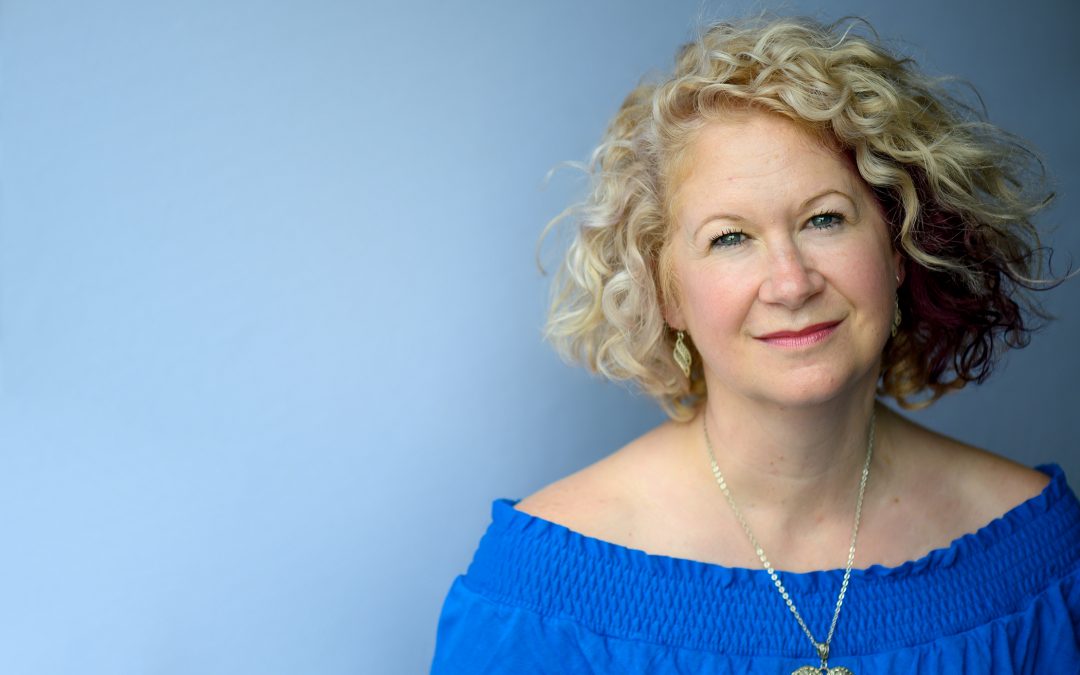
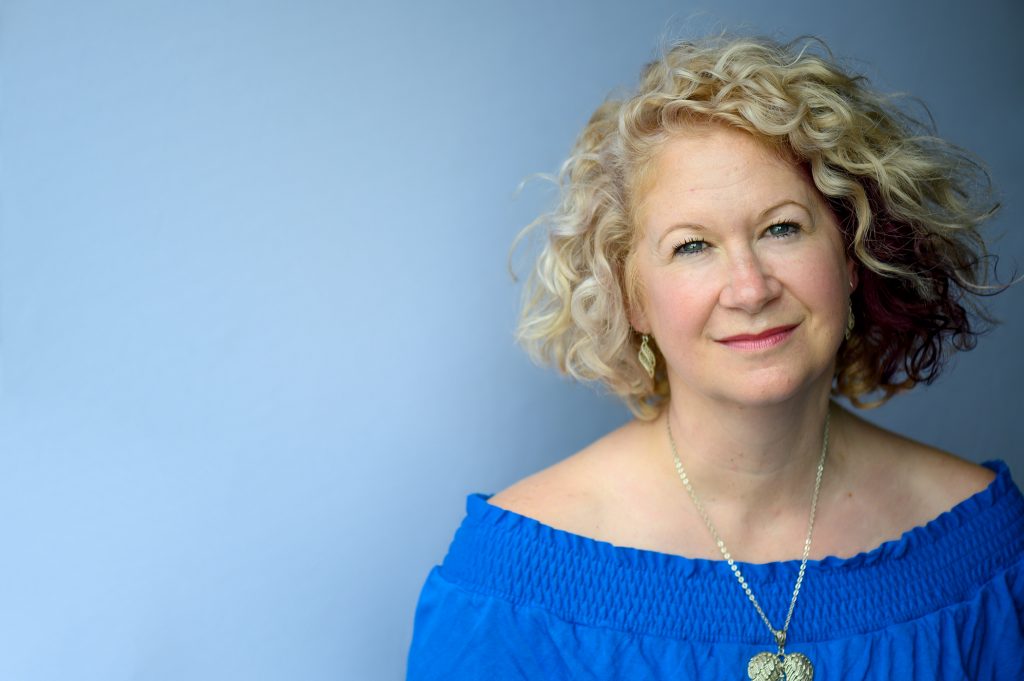
Fiona Da Silva-Adams owner of Revolution Performing Arts based in Swindon, Wiltshire.
Fiona (known as Fi) runs Revolution Performing Arts, which offers after school clubs and classes across Swindon offering drama, dance and singing for children of all abilities. The ethos of RPA is one of inclusion.
“I’m a parent to two children myself,” Fi said. “Although many children are looking forward to going back to school, some may not be and some may worry about what school is now going to look and feel like. It’s my belief that, as parents ,we can support them around this new ‘unknown’.”
Looking forwards
It’s important we start thinking about the future. Our children are living through the same challenges we have. Life isn’t going to return to what it was. Yet with the opening of schools, parents and children alike need to try and get back some structure.
These tips might help some parents to prepare their children for this change,” Fi said.
Fiona’s Top Tips
Sleep Routine – If your child has been sleeping in or establishing a nocturnal lifestyle it’s time to start restoring a regular sleep pattern. Start by encouraging them to go to sleep half an hour earlier until they’re into a new healthier sleep pattern. Returning to school will bring its own challenges – sleep deprivation will make the perspective that more enduring. It’s proven that a regular sleep pattern is good for your mental health. So it’ll be a great start to the new academic year.
Anxiety/Social Interaction – school will look and feel different and some children may be anxious about this. There may be one way systems in school, children may not be able to get physically close to teachers and adults may be wearing masks. Children may even worry about hugging their friends.
Speak to the school and find out what school will now look like. Depending on the age of your child a Worry Monster can be perfect for ‘eating up’ worries or check out the book “The Huge Bag of Worries” by Virginia Ironside. Both are fantastic as a starting point to ease anxieties in children.
If your child’s a little older, plan a ‘Yes Day’ with one parent/carer, if you can manage it. This involves you saying yes to everything for a day. Most young people understand there are financial restrictions to this – no, a new X Box is not part of a ‘yes’ day. You’ll find that most simply want you to share your time and their experiences and favourite hobbies. It’s a perfect opportunity for a child to open up about any worries while they have your undivided attention.
Practicalities – Check out that school uniform and shoes as some stocks can get quite low and your child won’t need that extra stress. In particular as they have to be ‘the right shape’ trousers or ‘the correct shade of grey’!
Getting there – Did you book the school bus? Are there rules about social distancing on the bus? Is your child aware of them? Do they need to wear a mask on the bus?
Masks
If they have to wear a mask, treat them to one they’ve chosen – from their favourite band or matching head wear – as long as school allows it. Or, if you drive, there are loads of road works currently planned for Swindon. Make sure you are ready and prepared to take an alternative route or allow extra time. Your stress levels will thank you for it!
And finally!
Celebrate and re-connect – Finally, no matter how the first days go, celebrate with your child and plan a treat with the family! They did it! They got through the first day and survived! You can all breathe a sigh of relief.
Revolution Performing Arts
Revolution Performing Arts was set up in September 2007. Although Fi has more than 20 years’ experience as a qualified performance artist with a BA Hons in Performing Arts. She is a mum to two children, Zavier, aged 17 and Angel aged 14.
Fi set the group up in the first instance as Drama Babes (drama for toddlers and preschoolers) in September 2007. A year later the demand was so great the business moved on to offer sessions for primary school age children and Drama Babes was then sold on. The emphasis for RPA is on fun, confidence building, boosting self esteem and developing individual potential.
Today Revolution Performing Arts supports 100s of children across Swindon to enjoy the arts and express and embrace who they are and what makes them different. To find out more visit: https://revolutionpa.co.uk/
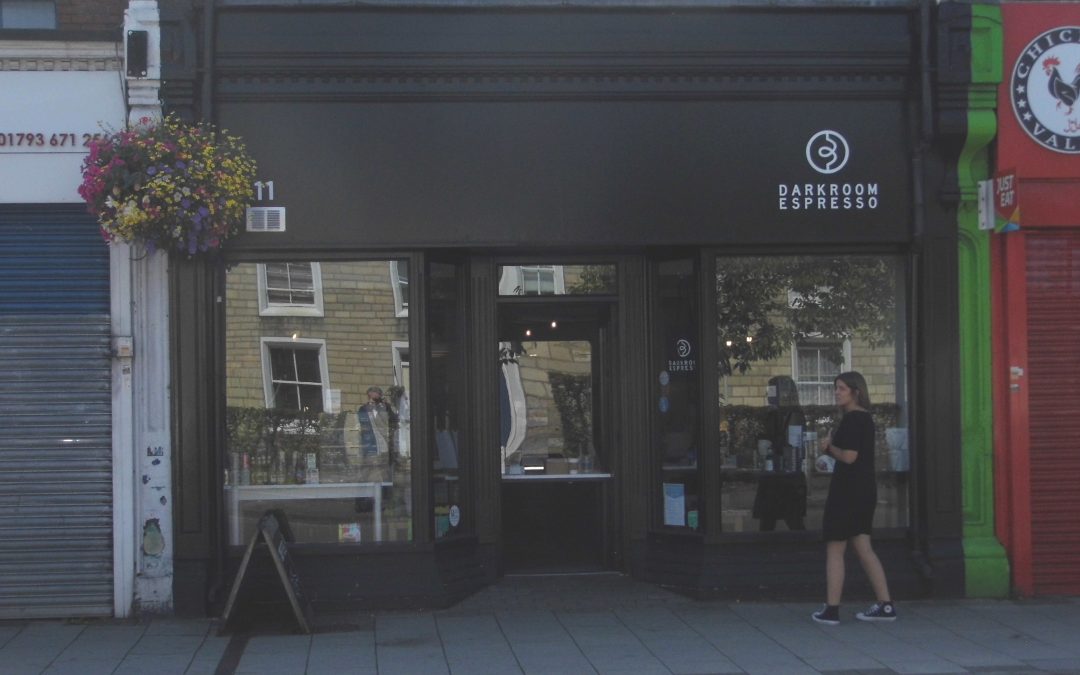
A few years ago, a small coffee shop opened Faringdon on Road, right across from the building that was The Barracks in the GWR Railway Village.
It soon became popular, but then one of the proprietors had a problem with immigration rules. In spite of a widespread #dontdeportmybarista campaign, they ended up having to leave the UK.
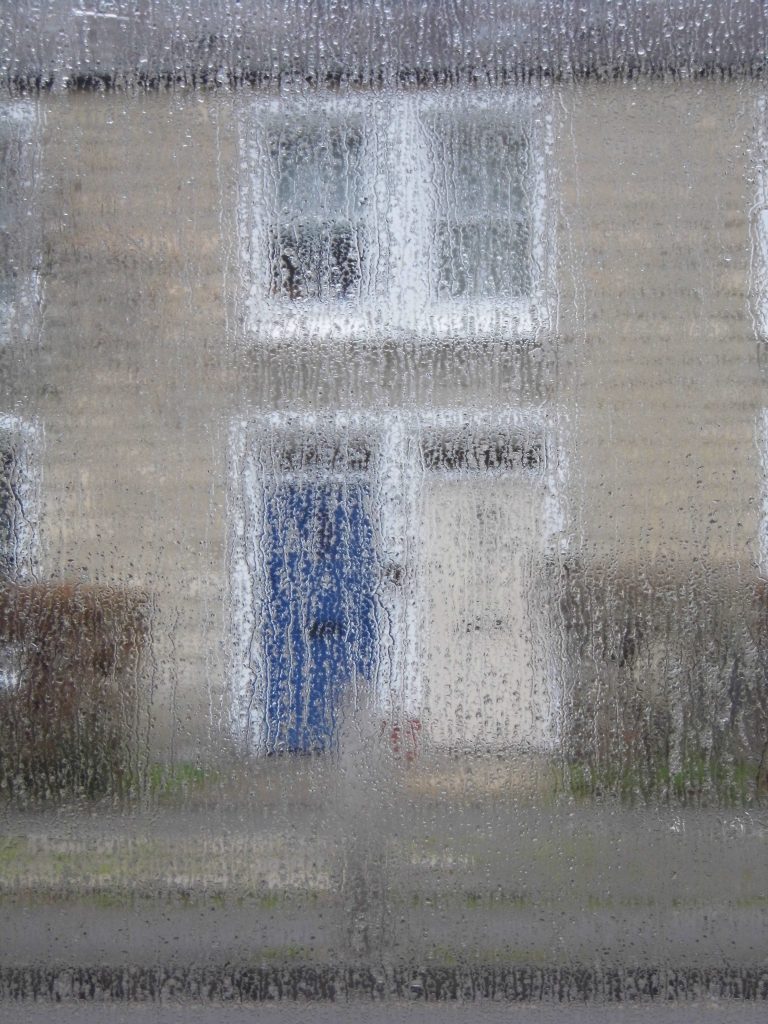
Before COVID, one of my small pleasures involved sitting at the window table and looking across to the houses in the Railway Village through the steam on the windows, enjoying an excellent cup of coffee.
Coffee (and tea and cake and sandwiches) are at present being served for take away at the front of the shop. Despite the reduced service ,the coffee and the warm welcome remain the same. I’m looking forward, one day, to taking that seat in the window again and watching the world go by.
Reflections on a coffee shop by Chris Eley
Darkroom Espresso Faringdon Road
Darkroom Espresso is s specialty coffee shop in the centre of Swindon, in the old Railway village. It opened in September 2014 and is now owned & run by local barista Stephen Jordan.
Stephen was already a long serving member of staff at Darkroom before taking on ownership in March 2019
The name of Darkroom Espresso comes from the idea that making coffee requires the same craft, skill and care as developing a photo in a darkroom. We use speciality coffee from Round Hill Roastery & other guest roasters, a range of speciality teas, low-sugar hot chocolate, fresh bread from Hobbs House and local cakes from V-Cuisine and Cakesmiths.
You’re all aware that, at this time, Swindon is seeing an increase in Covid cases. NOT a desirous situation for anyone. So this post is about sharing the Swindon Council Covid communication. It’s so important that we all take this on board.
We can ALL stop this from getting worse than it is. It’s up to ALL of us!
Follow the rules
If we all follow the rules we can control the virus and keep Swindon safe.
Hands up who wants a local lockdown? No-one? Thought not!
Public health messages:
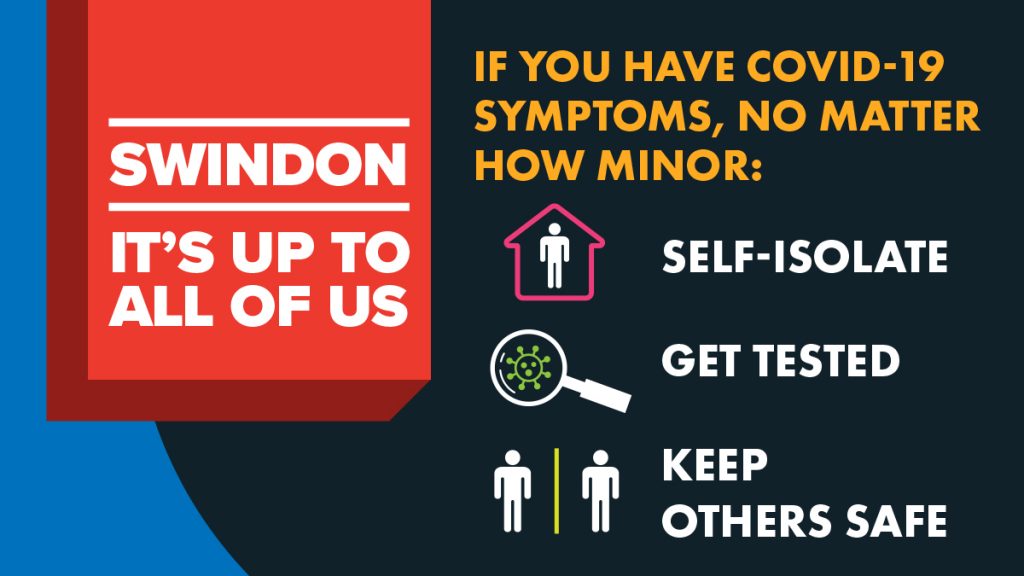
If you have symptoms:
self-isolate – stay at home for 10 days
get tested – call 119 or book online for a local test
keep others safe – don’t socialise, don’t go to work, don’t go shopping or mix with anyone outside your household
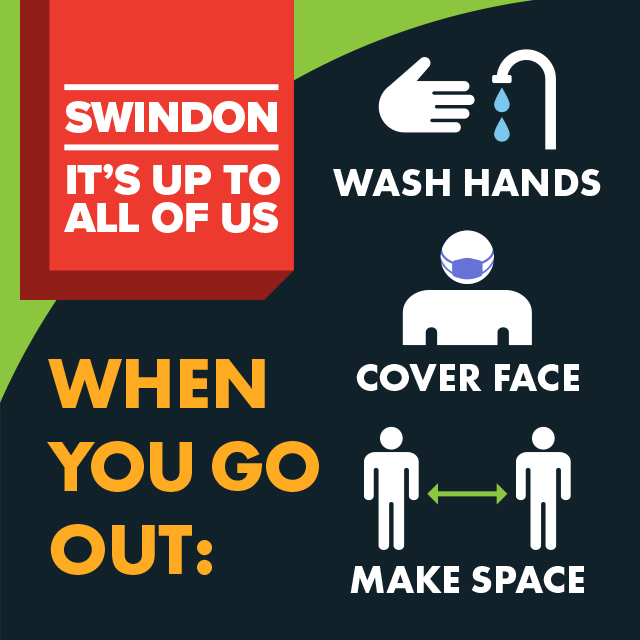
When you go out
wash hands – keep washing your hands regularly
cover face – wear a face covering over your nose and mouth in enclosed spaces
make space – stay at least 2 metres away from people not in your household
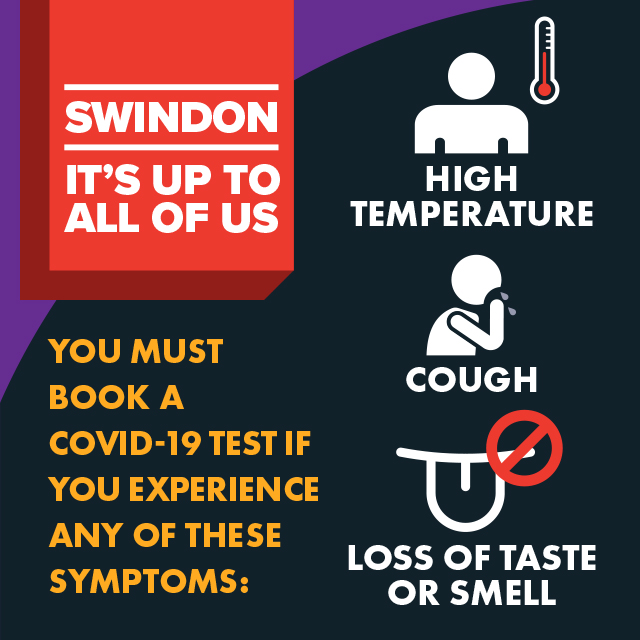
If you have any of these symptoms, no matter how mild, get tested straight away:
high temperature
cough
loss of or change to taste or smell
Swindon Council Covid Communication:
It’s up to all of us to take action, right now to prevent any restrictions being placed on us. Wash Hands, Cover Face and Make Space whenever you leave home.
If everyone in our community follows these clear and simple steps, we can control the spread of COVID-19.
Swindon: it’s up to all of us to book a test: gov.uk/get-coronavirus-test and self-isolate for 10 days if you have symptoms. Visit www.swindon.gov.uk/itsuptoallofus to find out more
We need everyone in the community who has #COVID19 symptoms to stay at home for at least 10 days. That means, not going to work or the shops. Swindon: it’s up to all of us to prevent the virus from spreading. Visit www.swindon.gov.uk/itsuptoallofus to find out the latest.
So that’s the official message. This is mine:
PLEASE – TAKE THIS SERIOUSLY. I’M DUE TO BE A GRANDMA AGAIN SOON. I don’t want to miss that because were in a local lockdown. I don’t want to hear of people I know getting sick – and worse – dying.
PLEASE – wear the blasted masks! I KNOW they’re not fun. Nothing about this is fun for anybody. You’re not special. We’re all in the same boat here.
I’m a chronic asthmatic – it’s not great. But it’s bearable. And it’s a darn sight better than having Covid – or other people have Covid. This is NOT about YOU. It’s about all of us.