Southwest in Bloom Judges Visiting South Swindon. South Swindon is set to undergo evaluation as part of the Southwest in Bloom competition on 6th August. Led by local volunteers, the South Swindon in Bloom movement encompasses several prominent community groups. They include:
the Old Town Community Gardeners
the Friends of Shaftesbury Lake
Swindon Schools Grow Together and …
Growing South Swindon Community.
Together, these organizations have collaborated to enhance the area. And create a warm and vibrant ambiance for residents and visitors alike.
Southwest in Bloom Judges Visiting South Swindon.
When it began
South Swindon Parish Council first entered the competition in 2019. They won a silver medal and a trophy for best Victorian Park. In 2021, they again achieved a silver medal, followed by a silver gilt medal in 2022.
In 2023, South Swindon in Bloom won a Gold Medal along with the Tesco Cup. 2024 saw them achieve gold in the Champion of Champions category. And in 2025, achieved their third gold medal, winning the Tesco Cup again as well as the Urban Communities trophy – both significant achievements.
In recent years, South Swindon in Bloom has fostered a collaborative partnership encompassing several local community groups, organizations, businesses, and volunteers. All making a significant contribution to its success. Groups, such as:
the Richard Jefferies Museum
Prospect Hospice
Twigs
Town centre cupcake planters
Friends of Shaftesbury Lake
Swindon schools grow together
Growing South Swindon community
the Cambria Bridge Community gardeners and …
the GAP community gardens to name but a few.
The Southwest in Bloom judge visit on 6th August presents an opportunity for South Swindon to showcase the collective efforts of its volunteers and community groups. The 2026 entry is featuring various community initiatives from across South Swindon based around 3 distinct “hubs”. These are:
the Old Town area
Central Swindon
and East Swindon
Each one with their own unique characteristics and contribution to the history of Swindon.
For more information on the South Swindon in Bloom 2026 entry, visit:
I felt rather disappointed that I couldn’t attend the event described here so I could get photos etc for the blog. But thank goodness for Jason Spickett, owner of the Swindon from the Air Facebook page.
Jason did a good write-up of this Swindon XTC artwork that he’s kindly let me use. So what follows, edited for SEO purposes, are Jason’s words. And some of his photos.
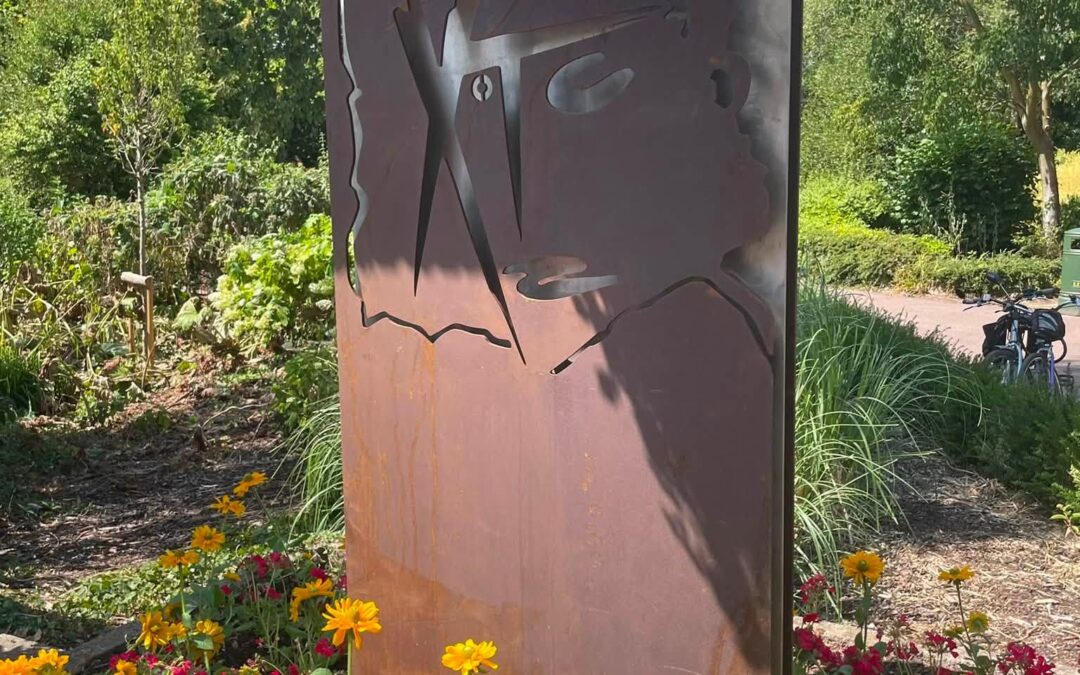
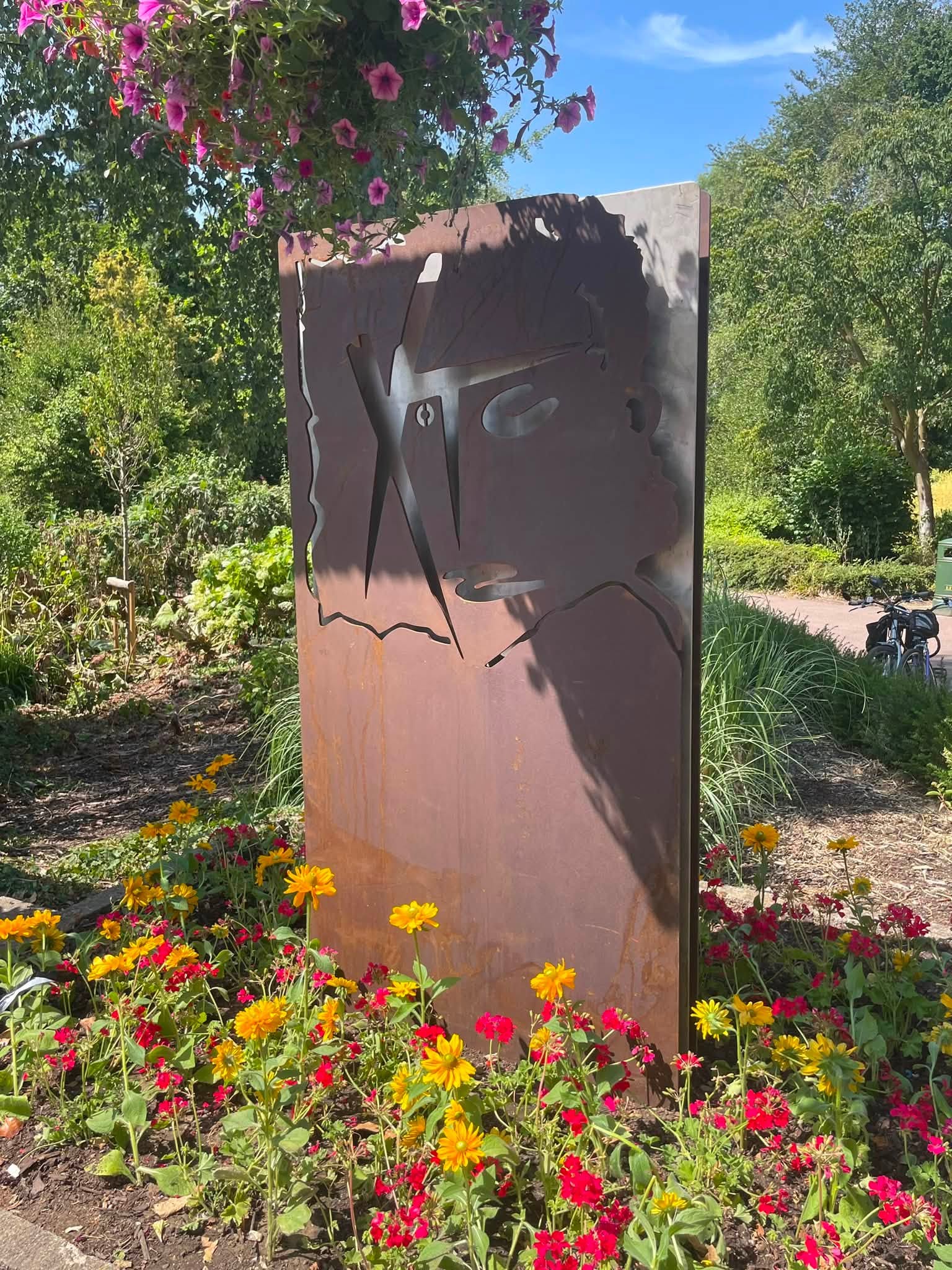
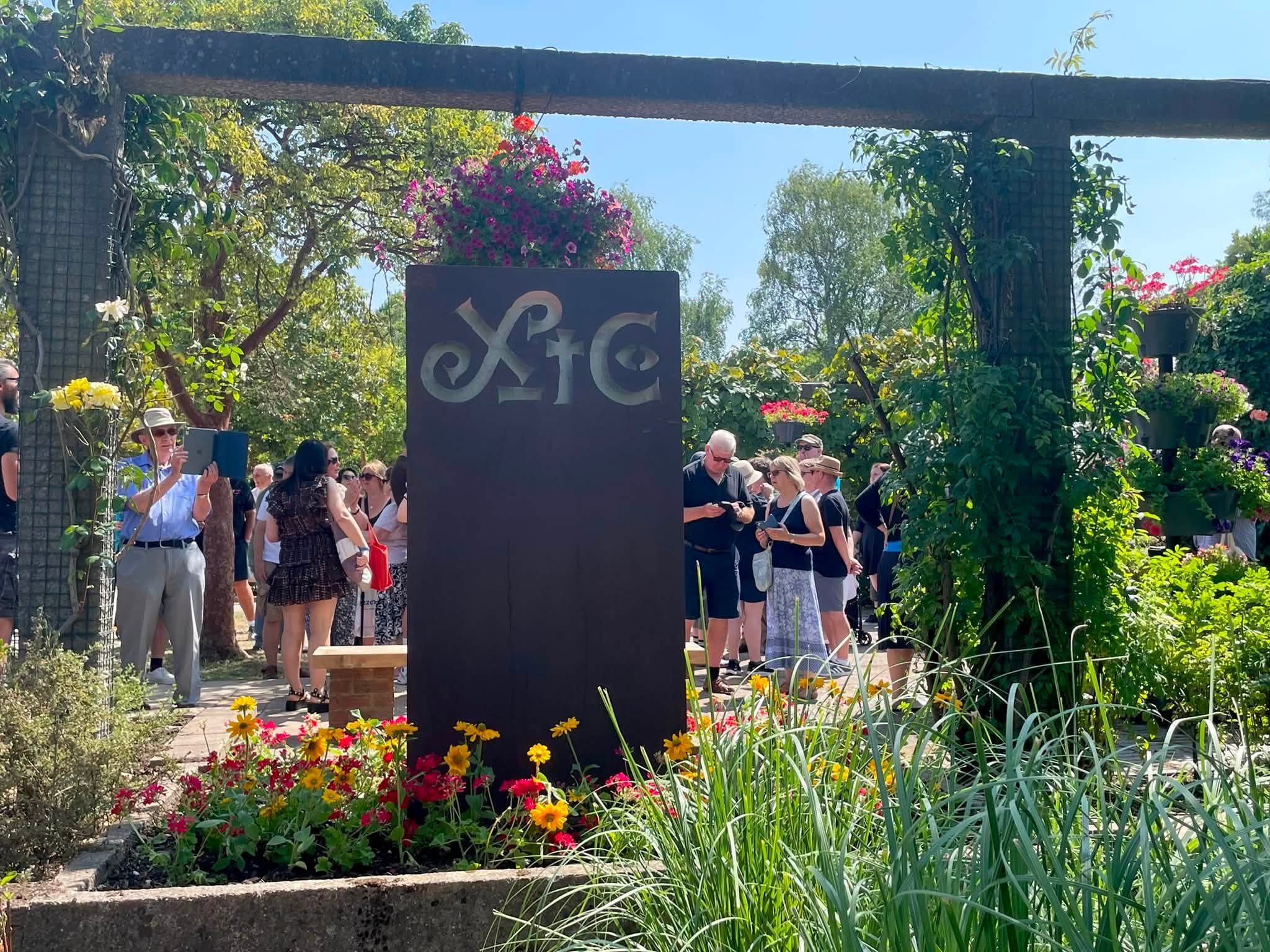
Swindon XTC Tribute Artwork in Queen’s Park – image by Jason Spickett
XTC Fans
There’s no doubting that Mike Smith and Swindon historian Graham Carter are amongst a large number of Swindon residents that are fans of Swindon born & bred band XTC.
After a lot of hard work and commitment to the project their dream of having a permanent marker to the world-renowned rock band came true. A large and enthusiastic crowd saw their tribute piece unveiled in Swindon’s Queen’s Park.
Present at the event, Mike Smith gave a short speech in which he said that he’s often asked ‘why hasn’t Swindon got a tribute to the band in their home town? Well thanks to you here today they have now’!
So Mike was present at the unveiling. But, due to prior commitments Graham Carter was unable to be there, but sent his best wishes and and followed events live online.
It was nice that a couple from America had decided to make it part of their trip. Further, a lovely French lady called Lisa came over from Paris especially for the unveiling.
Also in attendance was a member of the band: Steve Warren. Amongst other things he served as the band’s sound engineer and manager.
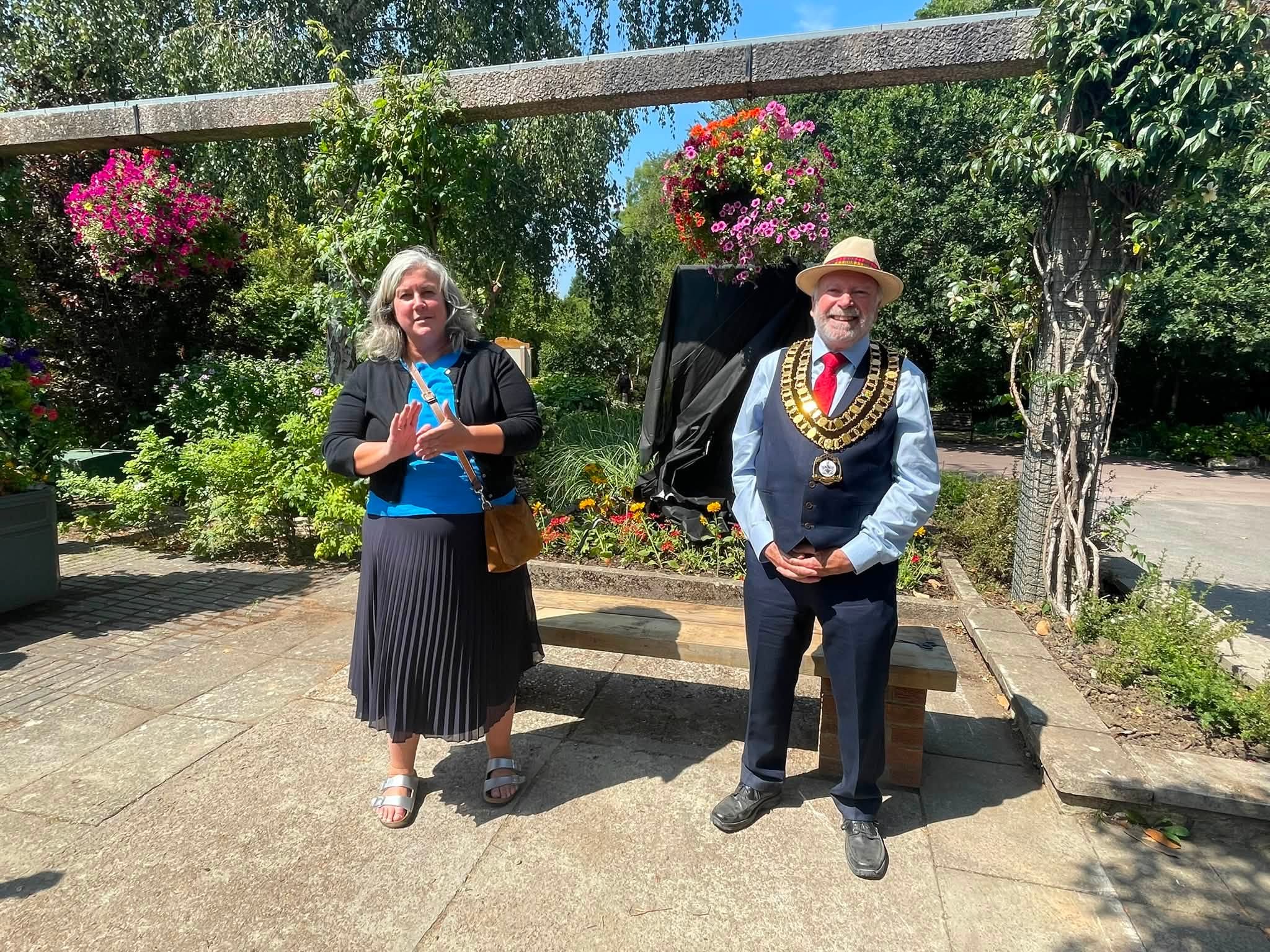
Performing the unveiling honours
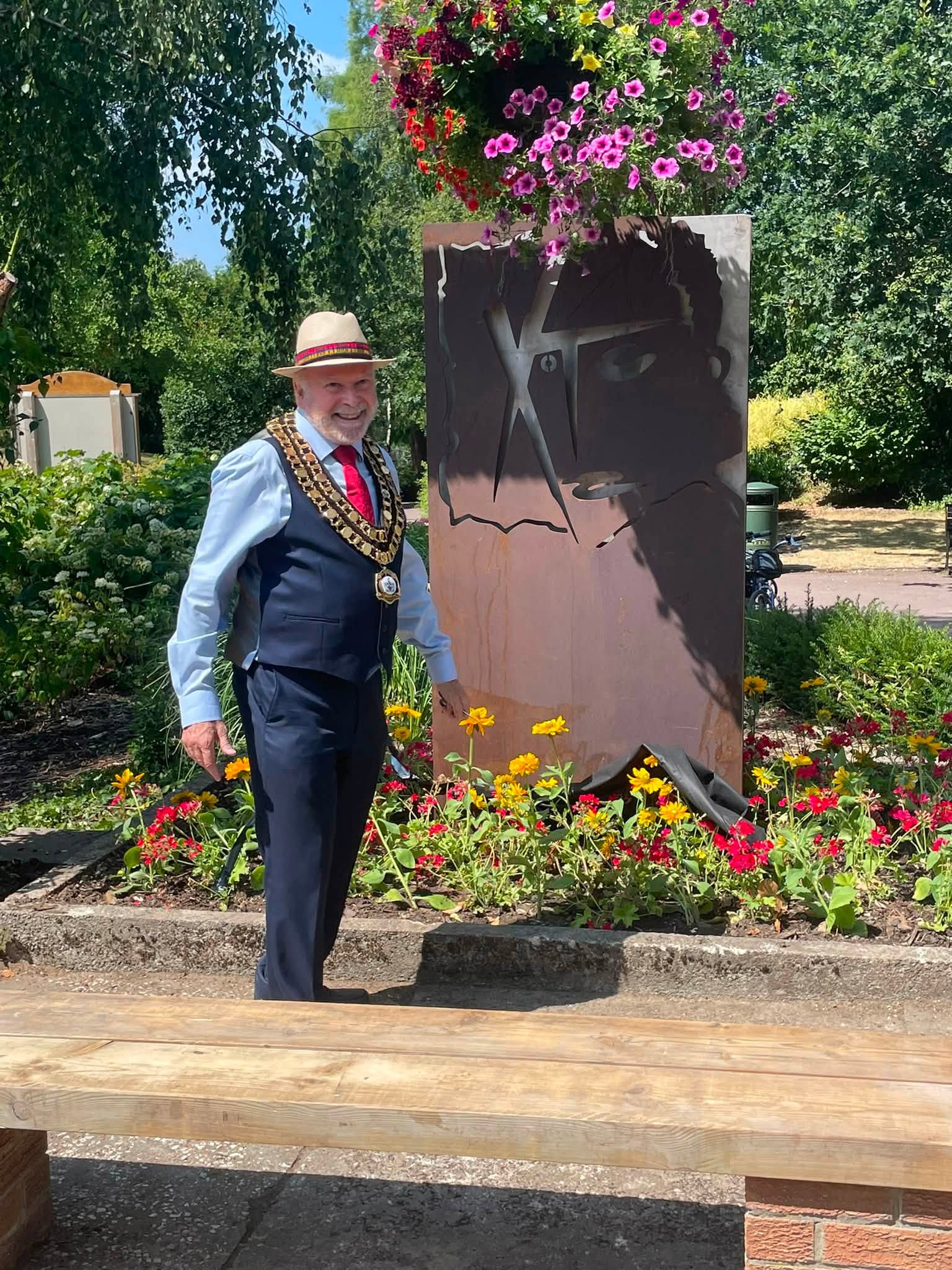
Mayor of Swindon, Councillor Neil Hopkins did the performed the unveiling honours. In his speech he spoke of annoyance at the constant drip of negativity about our town. He said XTC comprised part of our cultural heritage, that we were aiming to become a city of culture and that XTC formed part of that culture. He also praised both Mike and Graham for their hard work and commitment. They’ve achieved something positive by bringing this lasting tribute to the people of Swindon.
MP Heidi Alexander spoke of her love forQueen’s Park. She explained how, when a youngster, she lived nearby. So it pleased her to see XTC remembered in this park. She also had words of praise for Mike and Graham apropos their efforts.
It pleased me to be able to cover the event and to be fortunate enough to see this tribute under construction. Made from two sheets of 10mm mild steel with a bright steel plate in between them, it’s been laser cut. The three sections were then slotted into a stand that’s concreted into the ground.
Funded by crowdfunding, the project saw donations arrive from many corners of the world. Japan, the USA, South Africa, Australia, Spain and France. Further, ticket sales to the Swindon RockPaper Scissors + Mr Love & Justice gig formed part of the fundraising.
I’m so pleased for Graham & Mike that they had a good crowd attend this event today. A very well done to them both.
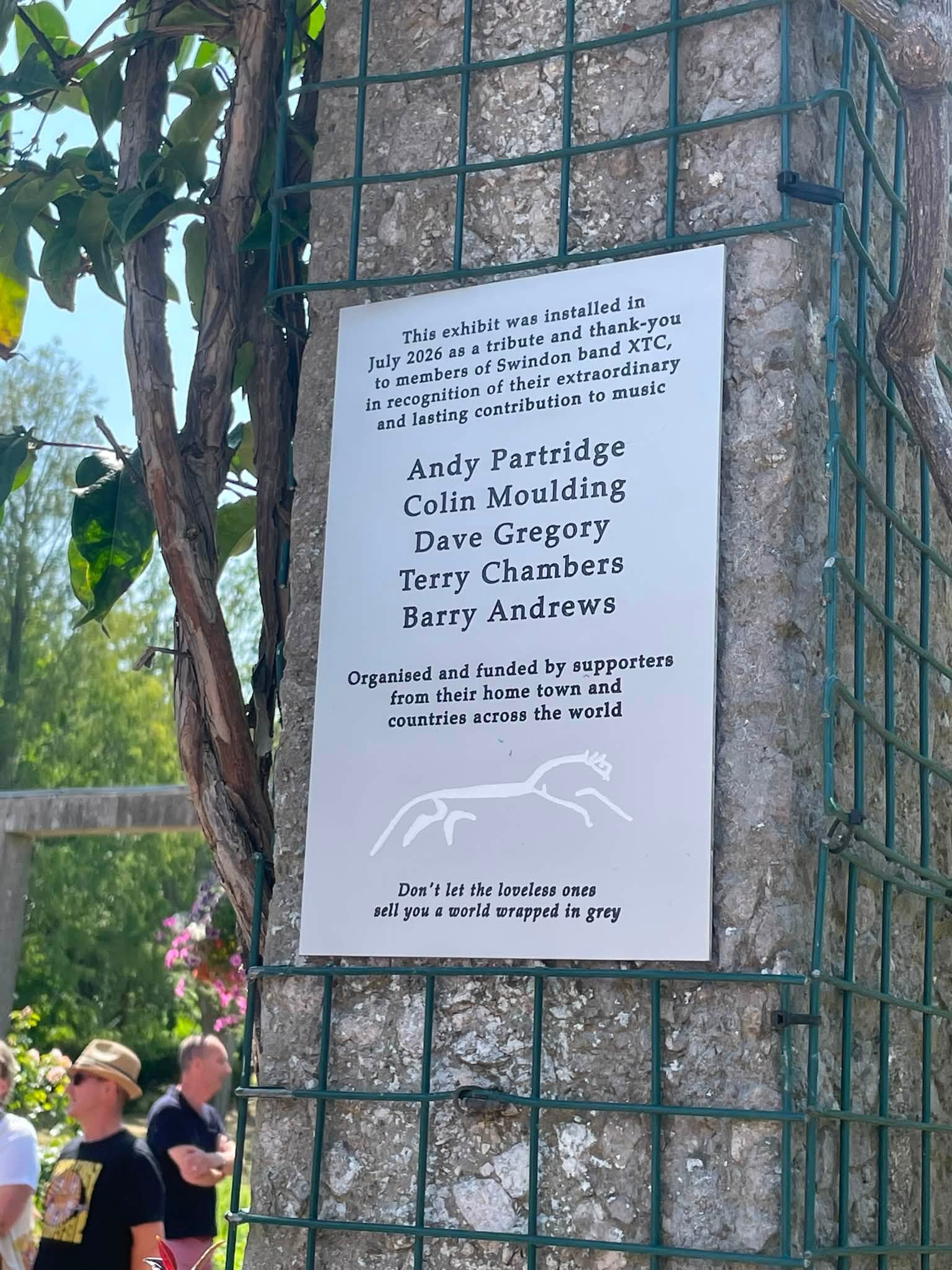
Mayor of Swindon, Neil Hopkins, with the Swindon XTC tribute artworkSouth Swindon MO, Heidi Alexander and mayor Neil Hopkins with the artworkThe XTC tribute artwork in Queen’s Park, SwindonPlaque on the artwork
PR expert takes reins of new networking group for Royal Wootton Bassett. PR expert Fiona Scott, of Scott Media, has been announced as the leader of a new Cotswold Networking group in Royal Wootton Bassett, which will launch this September.The expansion marks the ninth group for the thriving Cotswold Networking, bringing its successful, collaborative model into the Royal Wootton Bassett and Swindon area for the first time.
The expansion marks the ninth group for the thriving Cotswold Networking. This move brings its successful, collaborative model into the Royal Wootton Bassett and Swindon area for the first time.
Angela Roberts founded Cotswold Networking in 2022 to help local enterprises reconnect and support one another following lockdown restrictions. Since then, the organisation has grown to include eight flourishing monthly groups across:
Malmesbury
Cirencester
Cheltenham
Bath
Bristol
Witney
Corsham, and Worcester.
Fiona Scott, founder of PR agency Scott Media, will host the new group. It’ll meet monthly from 7pm to 9pm, at The View Gallery, owned by local entrepreneur Jon White of Gold Traders.
What’s entailed
Each session will feature Cotswold Networking’s signature around-the-table format, alongside guest speakers drawn from the membership.
The official launch evening will take place on Thursday 17 September, featuring guest presentations from Jon and Fiona. Following the launch, Fiona Scott will take over as the permanent group leader from October.
‘I’m delighted to be the face of this new group based in Royal Wootton Bassett and to be supporting my colleague in business, Angela Roberts. In Cotswold Networking, she’s built a brand to envy,’ said Fiona. ‘Angela understands the importance of building relationships in business. And supporting and empowering each other to achieve our goals.’
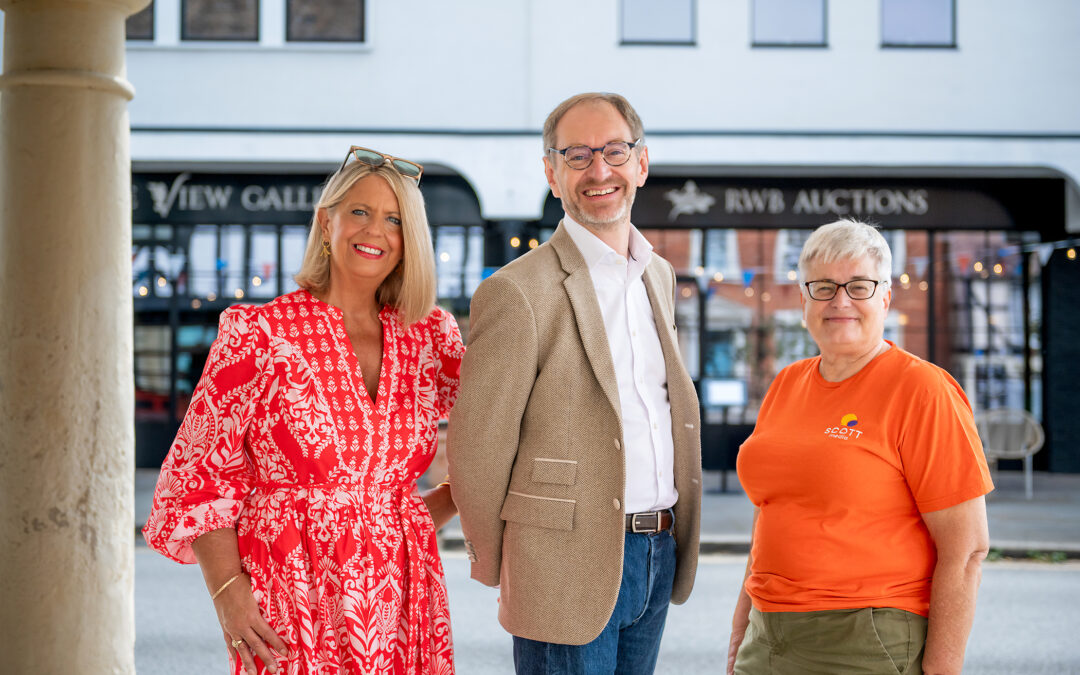
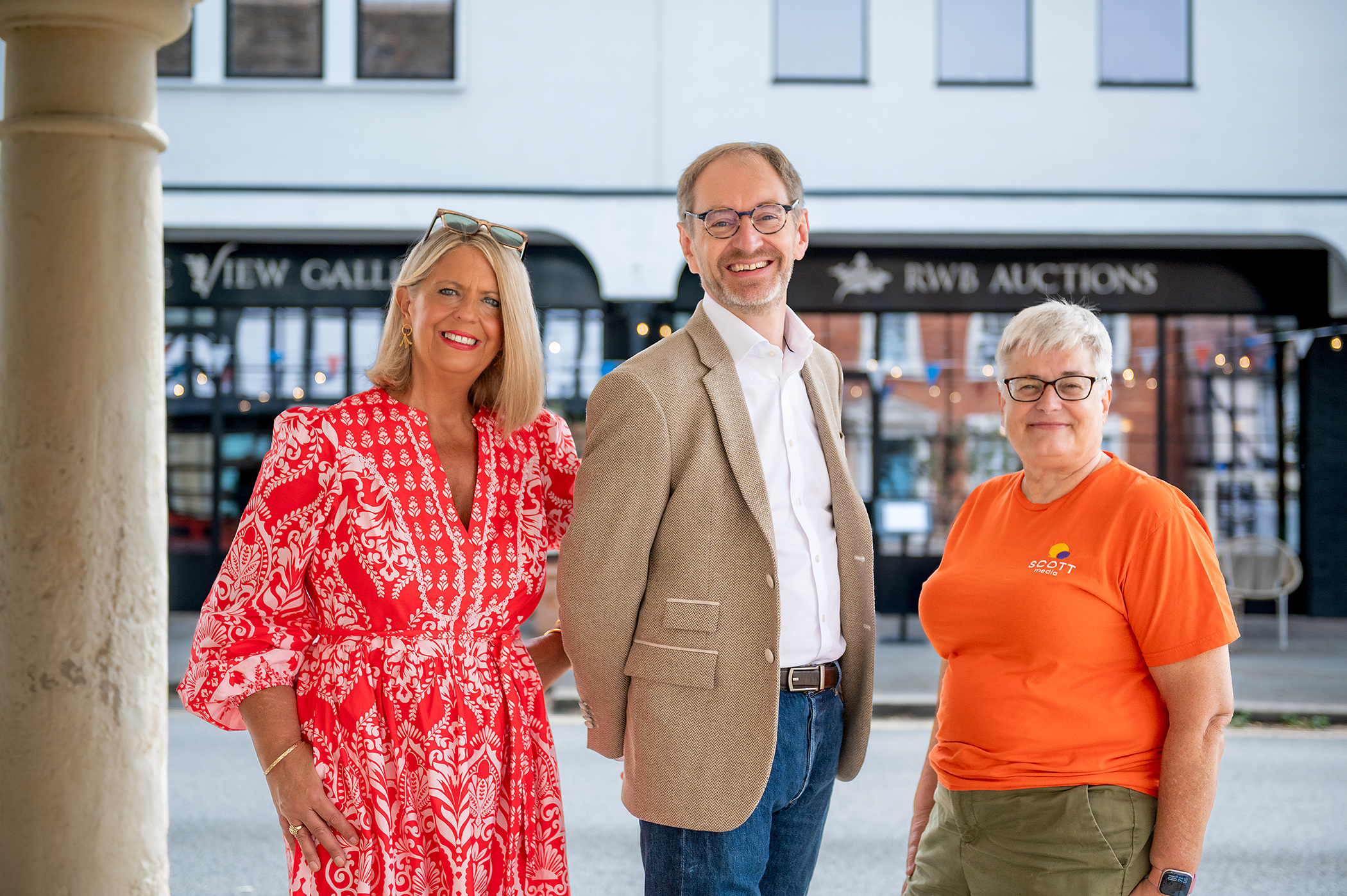
PR expert takes reins – from left, Angela Roberts, Jon White and Fiona Scott
Expansion
Reflecting on the network’s expansion, Angela commented: ‘Royal Wootton Bassett and Swindon have a strong, lively business community. And opening here stretches us beyond our Cotswold heartland and into Swindon for the very first time. We’ll reach a whole new pool of businesses we cannot wait to welcome in.
‘Fiona is one of the best-connected PR professionals in the region. She’s got deep roots in the local business and media landscape, and we’re so thrilled she’s taking the helm. Fiona knows everyone, and everyone knows Fiona. There is no better person to build this community.’
Early bird tickets for the launch event on Thursday 17 September are now available and include a welcome drink on arrival.
Additionally, applications are open for Founder Memberships at £40 plus VAT per month.
And those who sign up now pay nothing until September although enjoy the membership benefits immediately. These include:
having a profile page on the Cotswold Networking website
access to an exclusive online meeting before the official launch evening
complimentary entry to the launch event and a goodie bag.
Founder Members also gain instant access to the Circle online community, a friendly space to keep the introductions, conversations and support going between meetups.
Making Finance Accessible for Women. Wiltshire-based financial adviser, Jenny Ashfield, has gained a diploma in Regulated Financial Planning and has a passion for helping women seeking financial advice.
Jenny, 33, who hails from Bedfordshire, spent ten years in the motor trade. She moved from sales to finance management. Last year, she joined Southby & Co to build a new career helping people, especially women, feel more confident around money.
This month, Jenny received a Diploma in Regulated Financial Planning. She undertook a year of study and six exams to achieve the qualification.
‘Working whilst studying for this qualification was a challenge but one, I’m so proud to have achieved,’ said Jenny.
‘When I started working at Southby & Co, I knew I would be able to seek more qualifications to develop my career as a financial adviser. Now I’ve gained my further qualification, I’m looking forward to supporting more people gain financial confidence.’
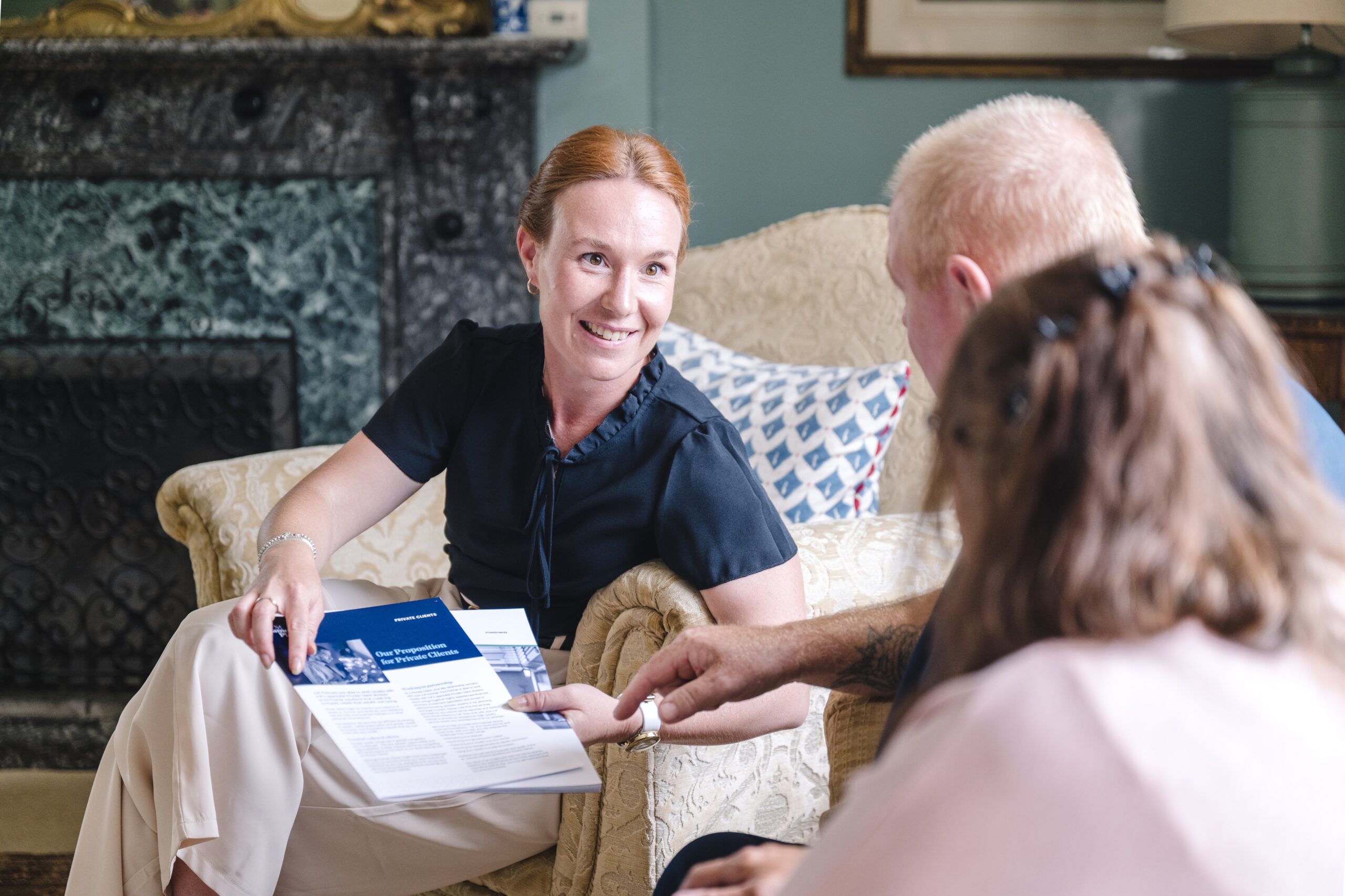
Making Finance Accessible for Women – Jenny talking to man & woman
A problem solver
Throughout Jenny’s career, she’s thrived on problem solving and helping people achieve their goals.
‘The skills I learnt and developed within my previous career have given me the perfect foundations to excel as a financial adviser. Southby & Co’s commitment to putting people first shows in how they treat their clients as well as their team. They invest in people and it’s clear to see.’
Jenny is passionate about fostering confidence and financial literacy for women.
‘I’ve met so many women who think finance isn’t for them or that it’s too complicated. It doesn’t have to be. I want to help break that stigma and show that financial confidence is something anyone can learn,’ she said.
Research shows women are so much less likely than men to have received financial advice. Around sixty-nine per cent report they have never consulted a qualified adviser.
‘This was one of the reasons I now do this job, because I was one of those women,’ she reflects. ‘Now I want to help other women to be more financially aware.
‘Finance needs to be more accessible to women. And I’m hoping we can be a stepping stone for women accessing clear, trusted and no-jargon financial advice. Advice that helps them understand their options and feel empowered to make decisions that are right for them.’
After starting at Southby & Co in July 2025 as a training financial adviser, Jenny has become a qualified financial adviser and an invaluable member of the team.
Founder Dave Southby said: ‘Everyone at Southby & Co is proud of Jenny’s recent qualification. We saw how much work and dedication it took to get it. She’s already supporting many individuals and we can’t wait to see that continue.’
Southby & Co offer financial advice to individuals, families and business owners across Swindon and North Wiltshire. Founded by award-winning adviser Dave Southby, the business is well-known for its honest advice and strong community ties.
Little Hearts Big Kindness as two bereaved children sell their toys to raise money for the charity that helped them.
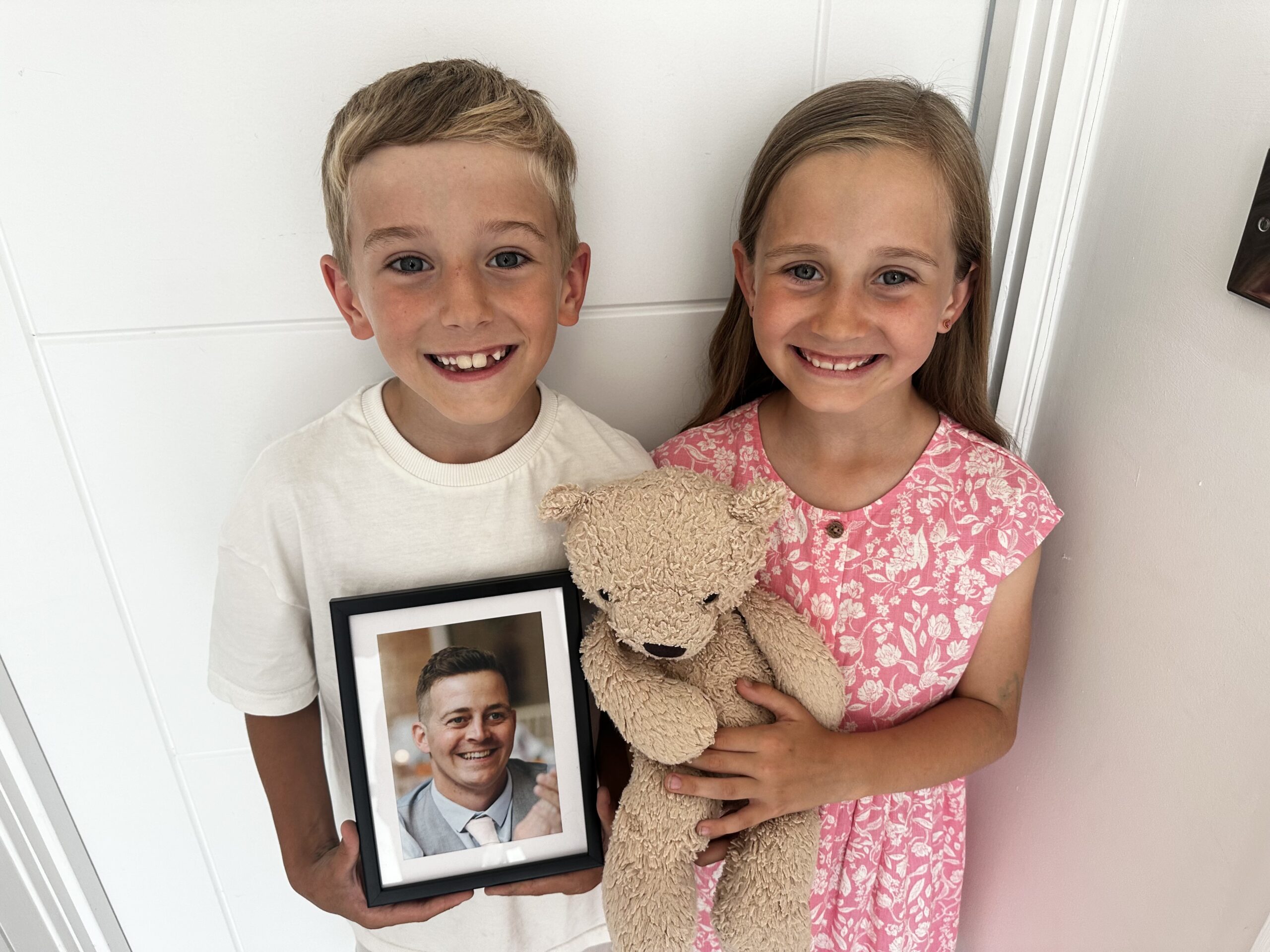
A brother and sister who’ve experienced unimaginable loss are inspiring their local community. It comes after secretly raising money for the charity that’s helped them come to terms with the loss of their dad and their baby sister.
Elsie (9) and Arthur (8) Morgan-Williams, from Blunsdon surprised their mum Becky and her husband Tom (who adopted the children) by selling some of their own toys. They did it to raise £9.50 for Wiltshire Treehouse. The charity has its base at Westlea Primary School in West Swindon.
‘They were out playing with friends when Elsie came back and ran upstairs and said she’d ‘run out of things to sell’. My stomach clenched and we asked them both what they were doing,’ mum Becky said.
‘At first they worried they were in trouble. Arthur had a handful of coins and they said they wanted to raise money to support the charity which had supported us. It broke me. Their motivation to do such a thing overwhelmed me. Tom and I wish to support them in their fundraising efforts for an oganization that’s given us, as a family, so much support.
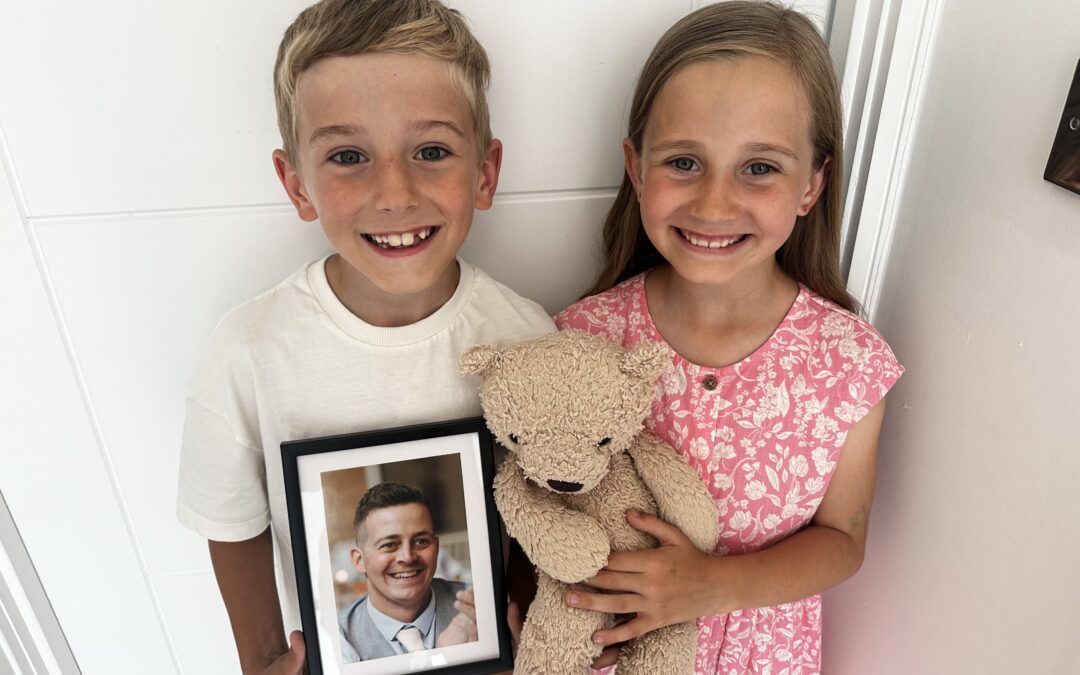
Little Hearts Big Kindness – Arthur and Elsie Morgan-Williams holding their late baby sister’s teddy bear. And a photograph of their late father, Joe Morgan.
Wiltshire Treehouse
Wiltshire Treehouse is the children’s bereavement charity that supported them following the death of their father and Becky’s fiance, Joe Morgan back in 2018.
Joe received a bowel cancer diagnosis when Becky was pregnant with Arthur. He died when Arthur was six months old – two weeks before their wedding. Joe left Becky, his younger children and older son Harley who is now nineteen. Since that time, Becky has married Tom and they have a son Hudson, now one.
Elsie and Arthur knew their Dad Joe was in the ‘sky’ and was their ‘Daddy Star’. Yet, it was when Elsie started school that Becky realised she was struggling to accept that other children had their dads around.
‘When Elsie started school, I realised that she was getting upset and starting to understand that she was a little different. And that other children’s dads could pick them up from school or attend school events. I reached out to Wiltshire Treehouse for support for them both and the charity was wonderful. They are so open, they supported the children to understand and honour their dad. And showed them they were not alone,’ Becky said.
More sadness to come
Sadly in 2023, the family worked with the charity again when Becky and her now husband Tom lost their daughter Mabel at six days old after Mabel suffered a brain injury during birth. Harley, Arthur and Elsie then had to come to terms with the loss of their sister.
‘After we lost Mabel, Wiltshire Treehouse contacted us when they realised what had happened. And once again they have stepped in to help us all process and deal with this terrible loss,’ Becky said.
Moved by the kindness, Becky has now has helped Arthur and Elsie launch an online fundraising page. They’ve done so in the hope of encouraging local businesses and members of the community to support the children and Wiltshire Treehouse by:
making a donation
providing toys …
… or resources for them to sell during the summer holidays.
Or matching the total they raise, currently set at £650.
We’ve worked with Arthur and Elsie for several years, supporting them with the bereavement of their daddy. And, in more recent years, following the death of their sister Mabel. It has always been a pleasure to work alongside them, and to see them take it upon themselves to fundraise for us doesn’t surprise me at all. They have always been wholly thoughtful and caring children. They’ve helped to shine a light on our charity, as well as raising vital funds that will go to help other bereaved children like them,’ said Kath Brownlee, Service Director at Wiltshire Treehouse.
Becky has also shared her family’s journey through grief on social media to support others experiencing bereavement. And she hopes Arthur and Elsie’s story will inspire acts of kindness throughout the community.
‘As a family, we’ve received incredible support from Wiltshire Treehouse during the most difficult times of our lives. Arthur and Elsie wanted to give something back completely on their own, and I couldn’t be prouder of them.’