Milton Road Swindon1895.
If Commercial Road comprises part of the link between the new Swindon and the old, then Milton Road forms the other part. It takes you down to Faringdon road, where, before you, lies the GWR railway village. Well, the GWR hospital to be precise – with the railway village behind it.
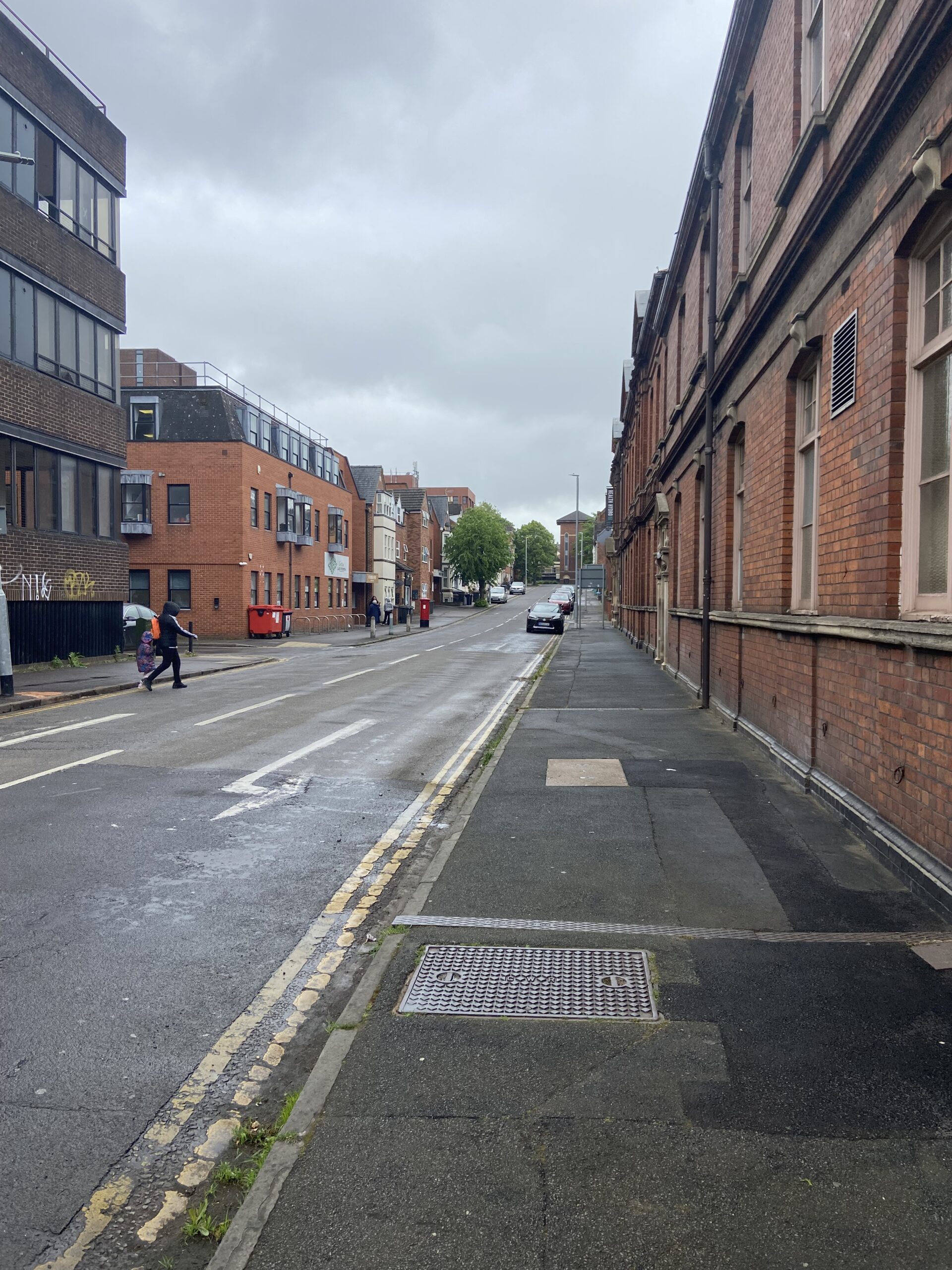
View from the bottom of the street towards the market end of Commercial Road.
Milton Road baths aka the health hydro is on the right.
This Swindon street then takes its name from that writer of epic poetry, John Milton. Keeping with the poetic theme there’s a Shelley Street and a Tennyson Street nearby, indicating that a literature lover had a hand in the naming of this area.
Laid out in the 1890s, with Commercial Road as a continuation of Victoria Road, the expectation for Milton Road was that it would become the main shopping route between the railway village in New Swindon and Old Swindon. But in fact, it became almost entirely residential being separated from Commercial Road’s traders by the Wilts and Berks canal.
Today this thoroughfare is probably best known as the location of Milton Road baths, aka the Health Hydro. That edifce to health and social welfare occupies about one-third of Milton Road and a block of Faringdon Road.
And more of that shortly.
On the map
Looking at this section of map you can see Tennyson Street off to the left as you look down the street from Commercial Road. The blue line indicates where the Wilts and Berks canal once ran. At present a footpath runs on the line of the old canal giving access under the bridge to walk to and from the direction of Kingshill.
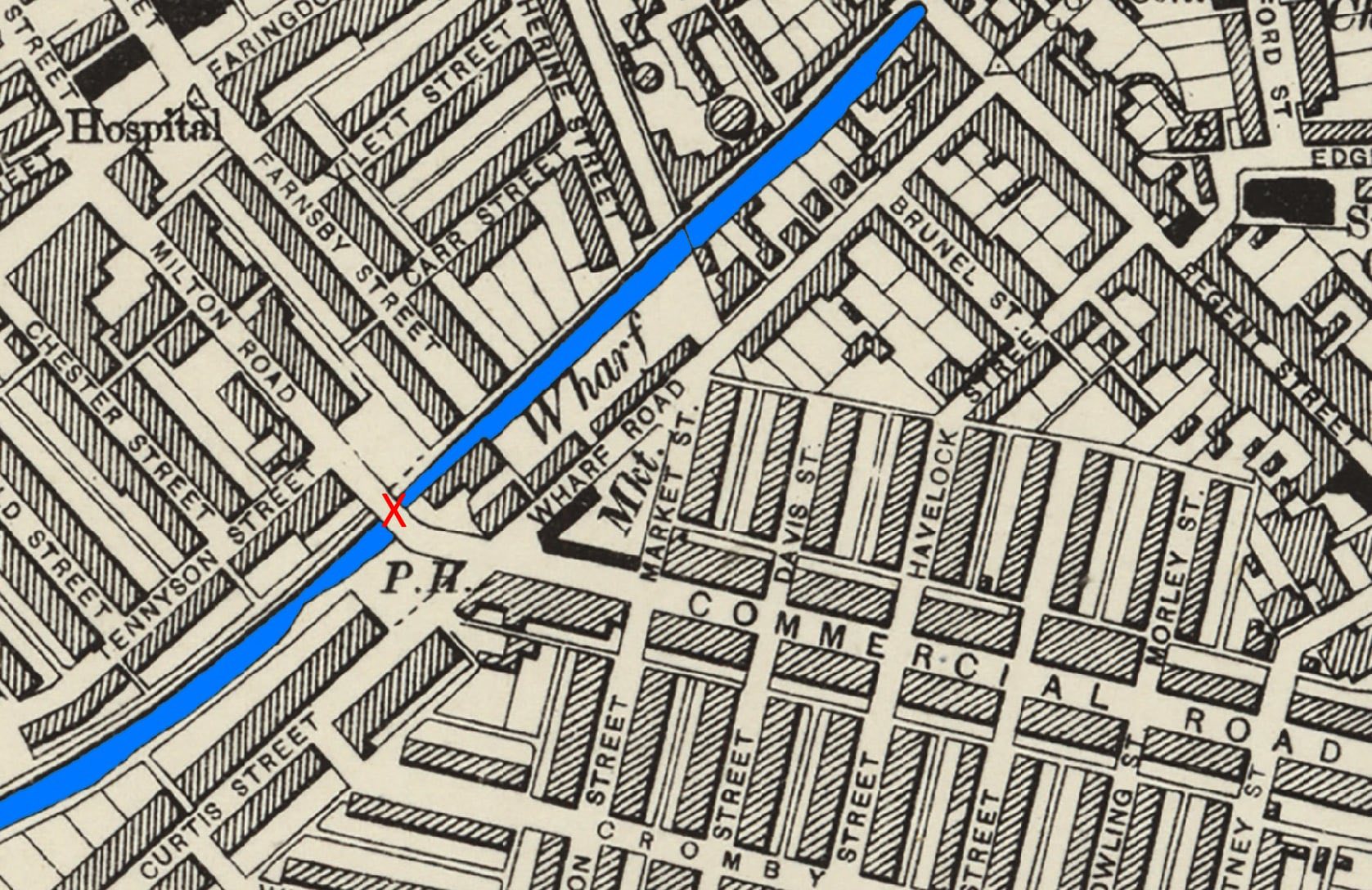
Map from the National Library of Scotland
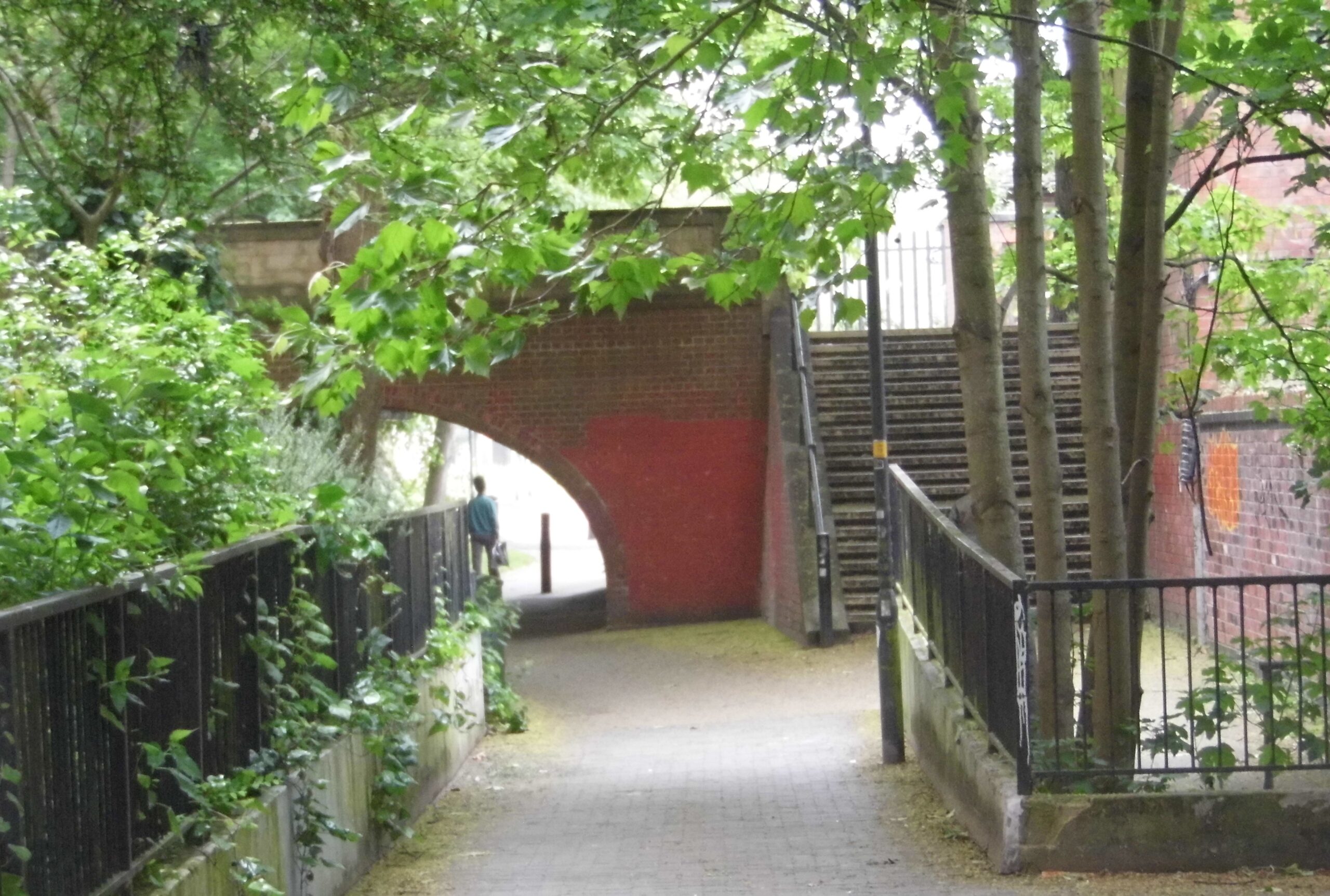
Should you visit this area then do take a walk down there towards Cambria Bridge – there’s a rather cool mural to see. It’s a few years old now and looking a bit the worse for wear but still worth checking out for all that.
A bridge too far
So, 1890 saw the building of Milton Road bridge over the canal. RJ Beswick designed the Central Cub and Institute, adjacent to Cromwell Street Wharf in the Neo-Dutch renaissance style. The construction of this club demanded the temporary blocking of the canal. Anyway, it spent the 1960s and 70s as a fondly-recalled discotheque by the name of the New Yorker, before meeting its wrecking-ball fate in 1982. The Wiltshire court building replaced it.
This construction of this bridge came about due to the extensive building work begun in the area following the 1885 selling of the Rolleston estate. (See Commercial Road for more on that).
At first called the Commercial Road bridge, this brick arch road bridge with stone balustrades underwent modification in 1891, to replace the stone balustrades ones of concrete and brick. It had steps and slopes down to the canal level. They though were removed sometime before 1960 thus blocking off access to Commercial Road.
1977 saw new steps erected to give pedestrian access from Milton Road towards the Brunel Centre. In 1981 the bridge again underwent modification with the replacement of the old balustrades and a face of new bricks to the frontages.
Buildings of note
Milton Road features two buildings of particular note. The aforementioned Grade II* listed GWR Baths and Dispensary recently reopened after extensive refurbishment. Designed by JJ Smith of Swindon, 1898-99 saw the building of the washing baths. The Turkish and Russian baths were added in 1904-5 and further additions came along in 1911. See Secret Swindon, Swindon in 50 Buildings and my Born again Swindonian blog for more about this building of national significance.
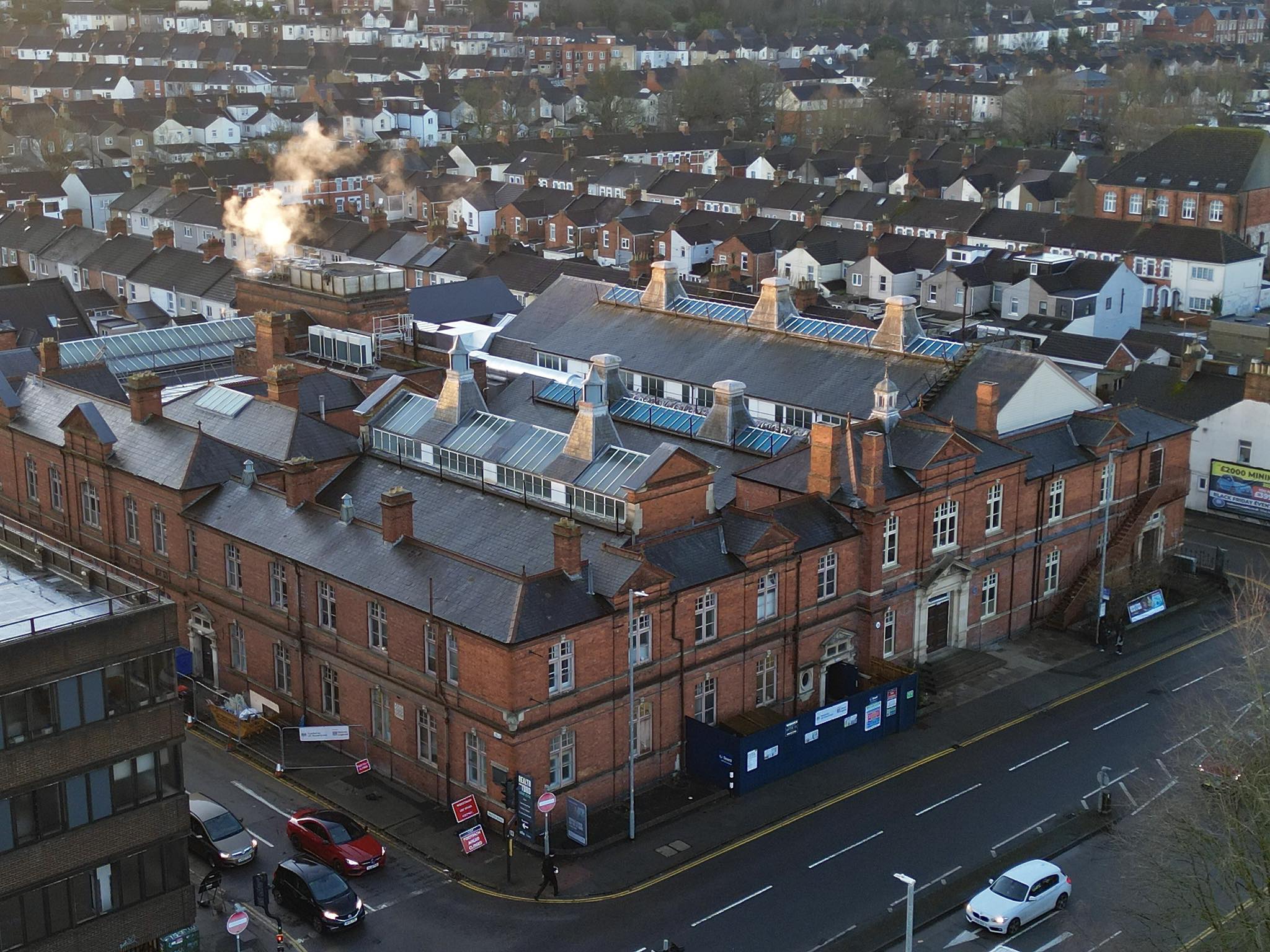

It’s arguably fitting that this haven of healthcare and leisure should sit on a street named after the writer of Paradise Lost. For Swindon came close to losing this piece of Victorian red-brick, health and social care paradise. But that’s a long story for another place.
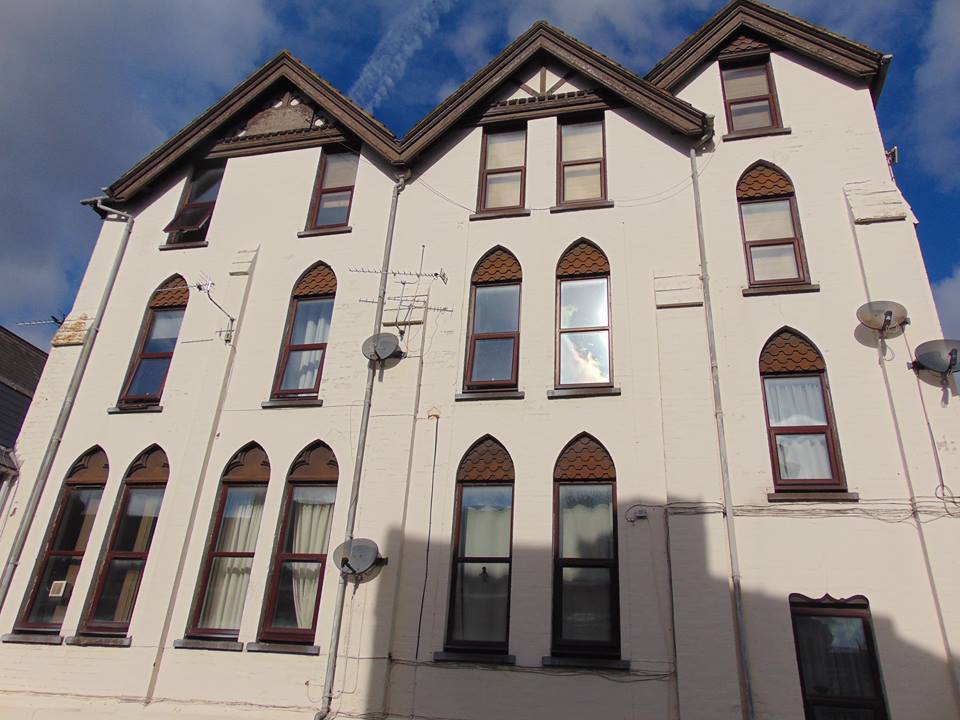
Then, cornering with Tennyson Street, and featured in my recent publication, Swindon in 50 More Buildings, is the nunnery. It’s now a ubiquitous HMO. Built in 1896, the Sisters of Wantage moved into the house to work in the St Mark’s parish.
See also: