
Rodbourne Road – number 22 in Swindon in 25 Streets.
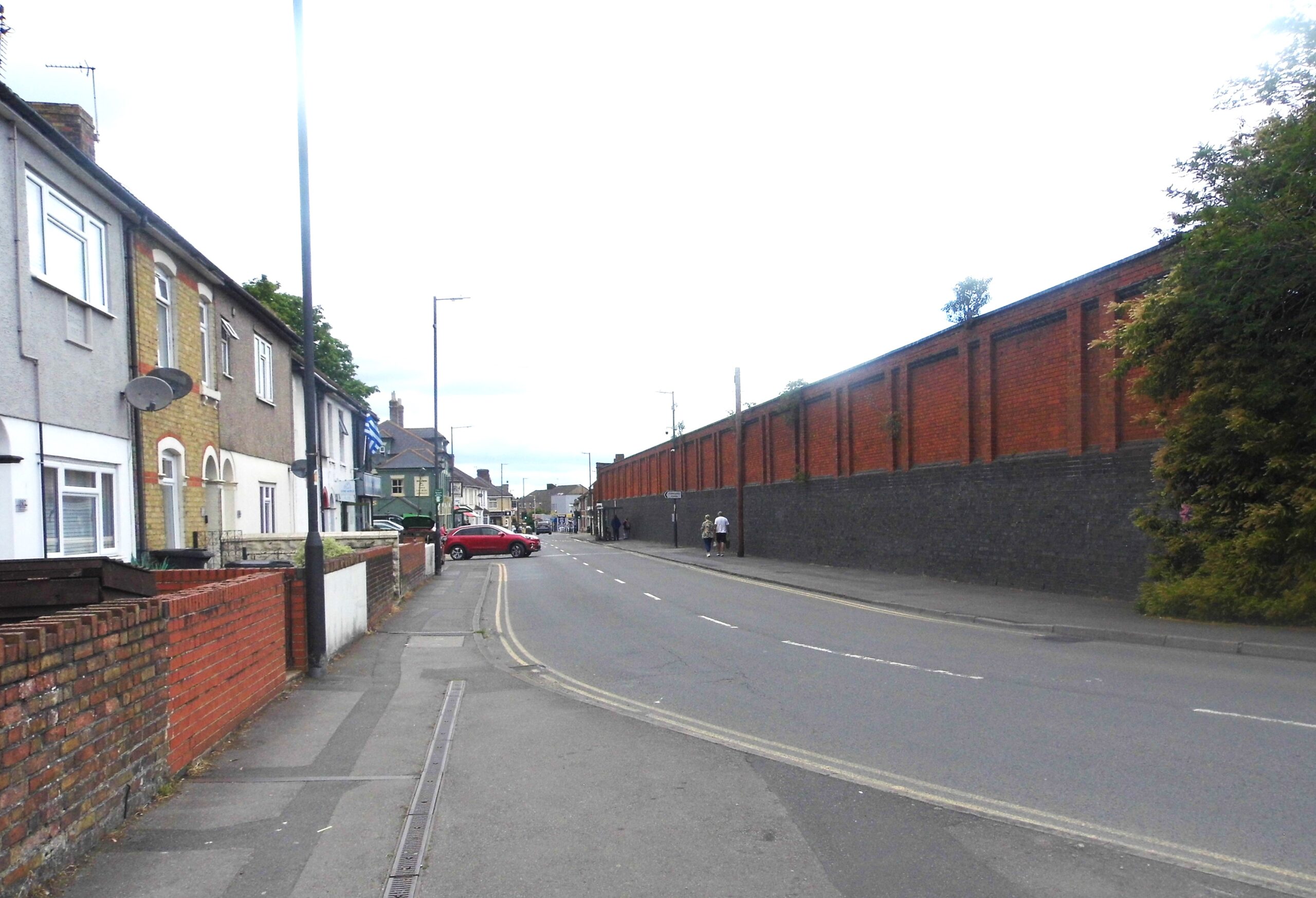
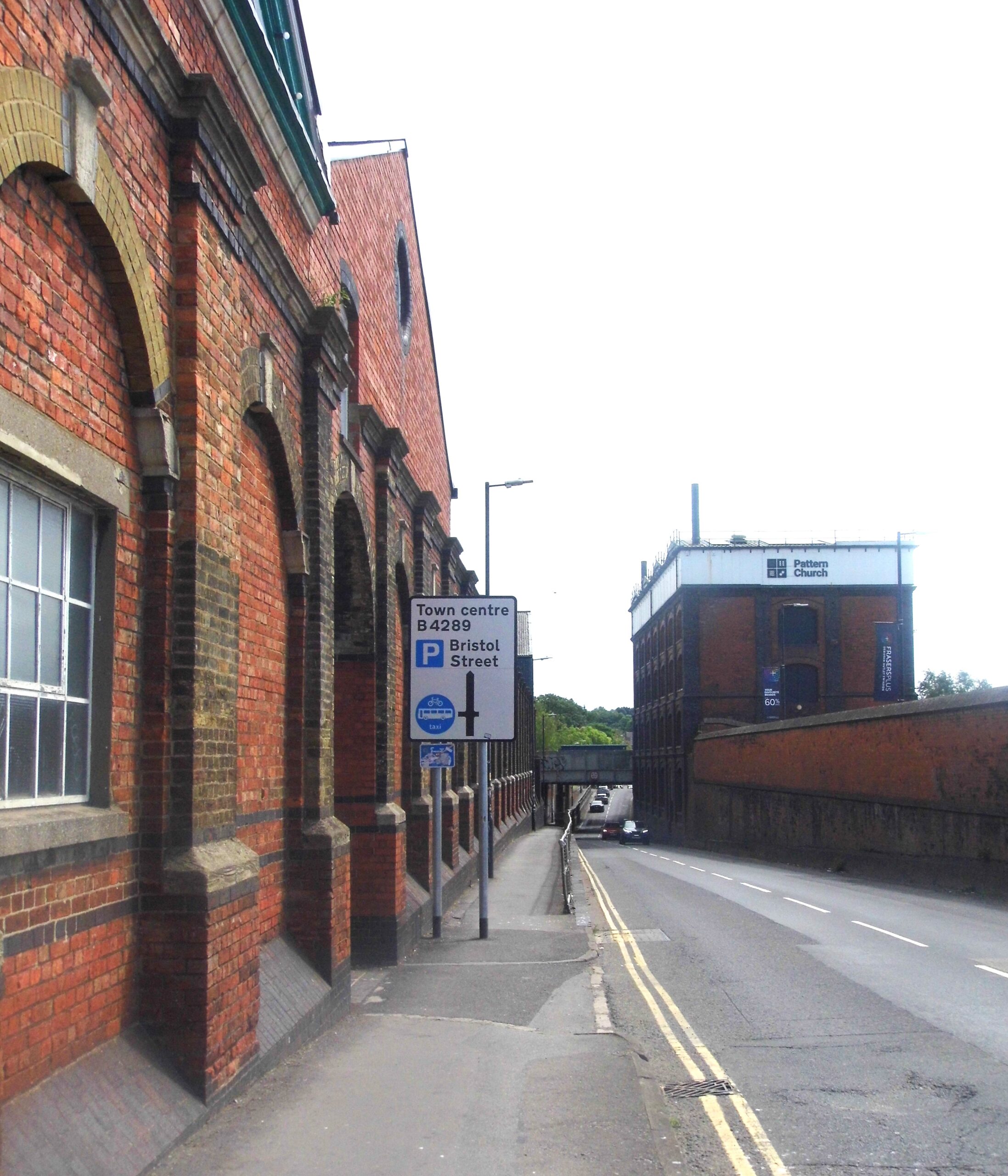
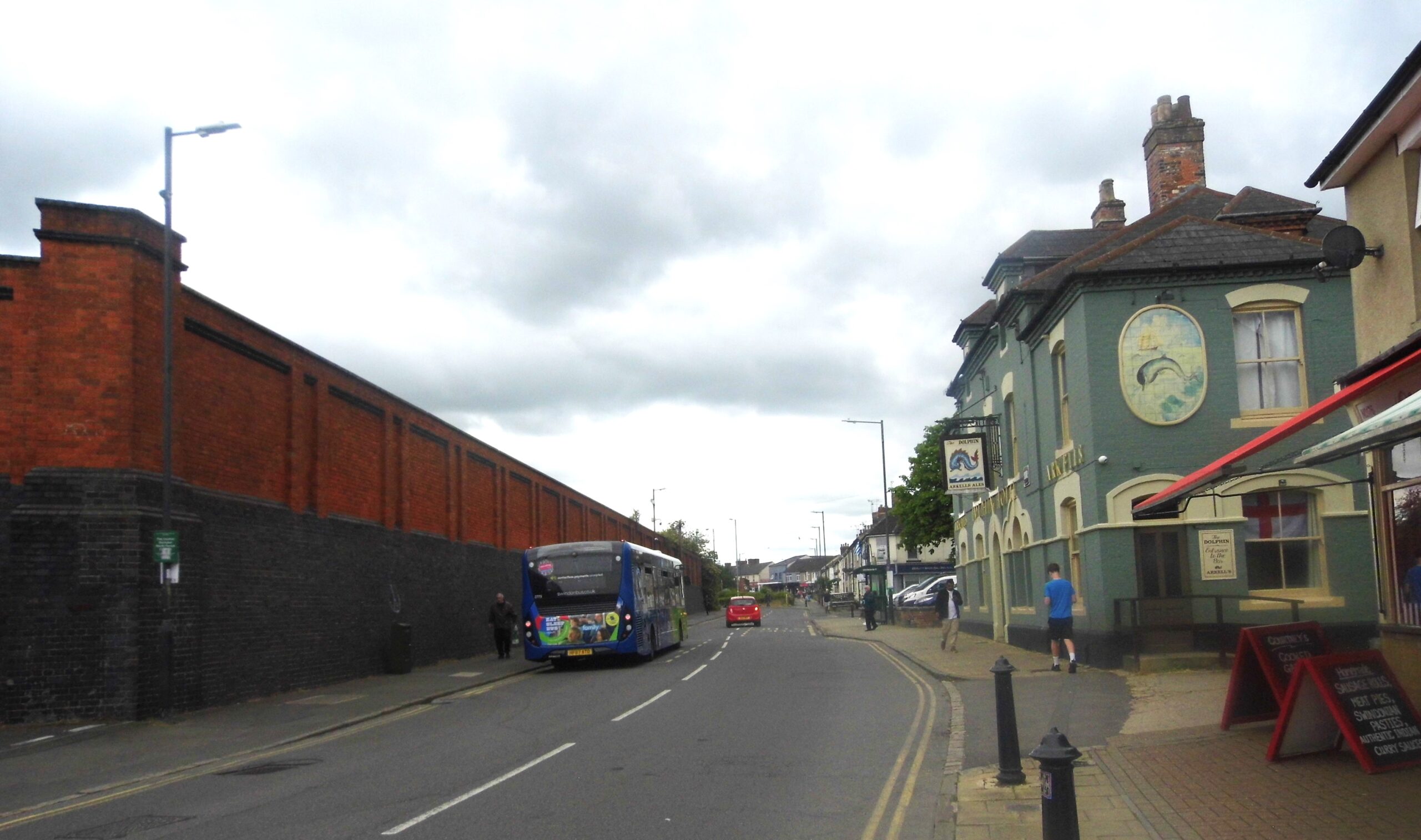
Dominated by the massive brick wall to the side of the Works, Rodbourne Road grew with said factory. Built in stages between 1872 and 1920 (approx.) it served as a main route through the Rodbourne area, built to house and support the ever-growing workforce at the GWR Works.
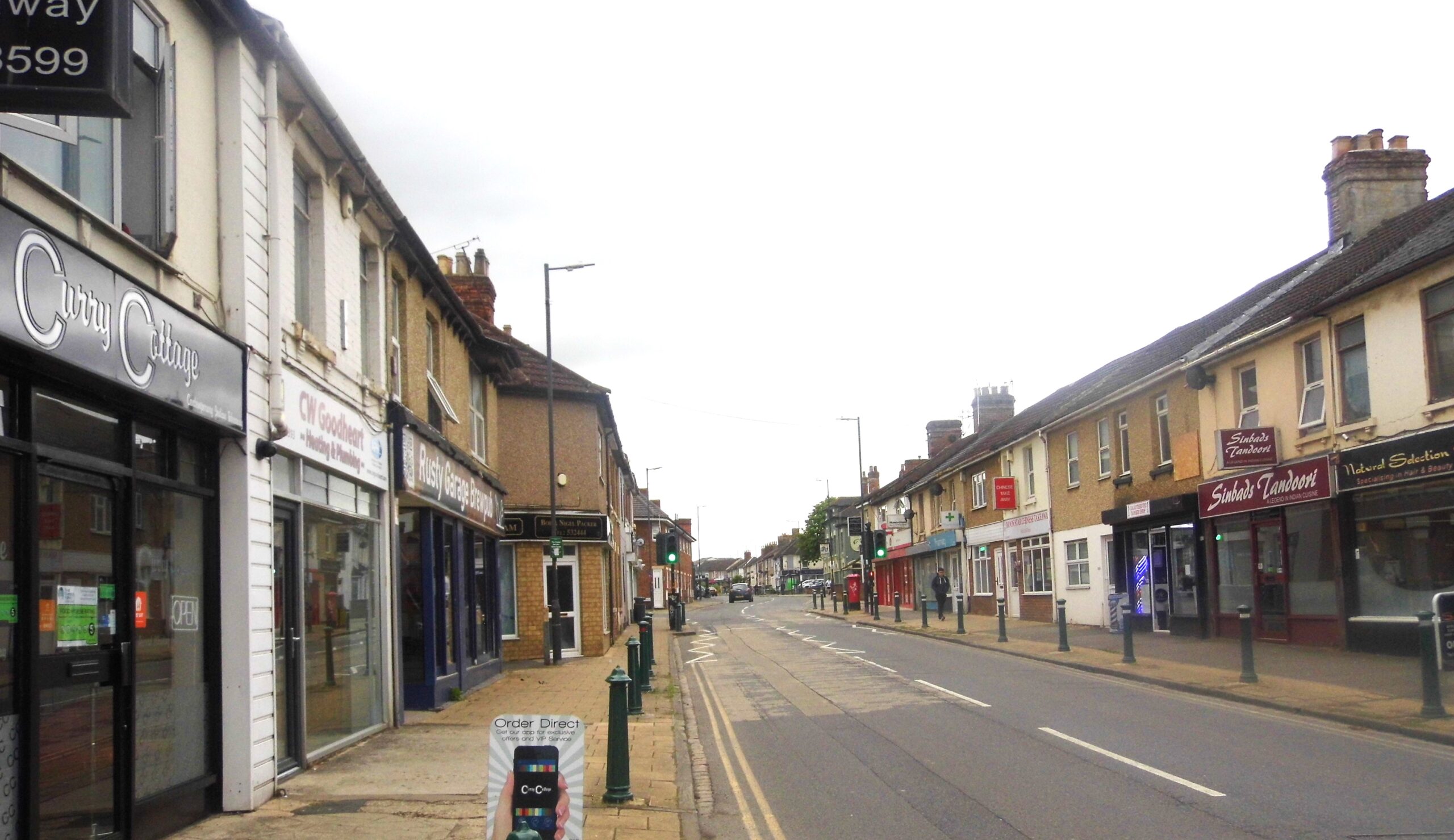
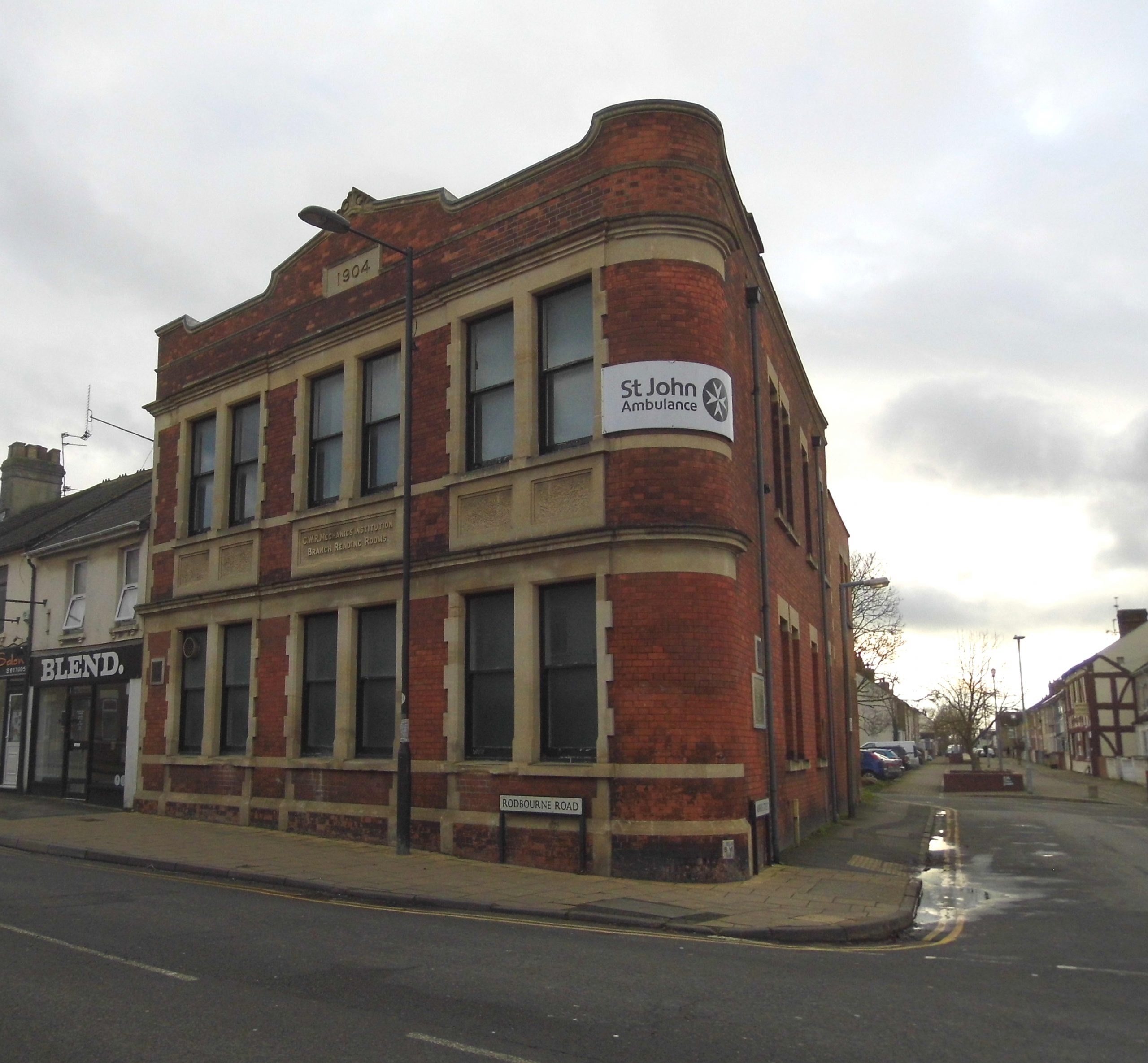
Rodbourne Road today has small shops and cafes along its length with, for the most part, housing behind them. There’s a well-known pub, the Dolphin, and further down the Mechanics’ Institute Reading Rooms on the corner of Rodbourne Road and Morris Street. The latter now houses a local branch of the St John Ambulance Brigade.
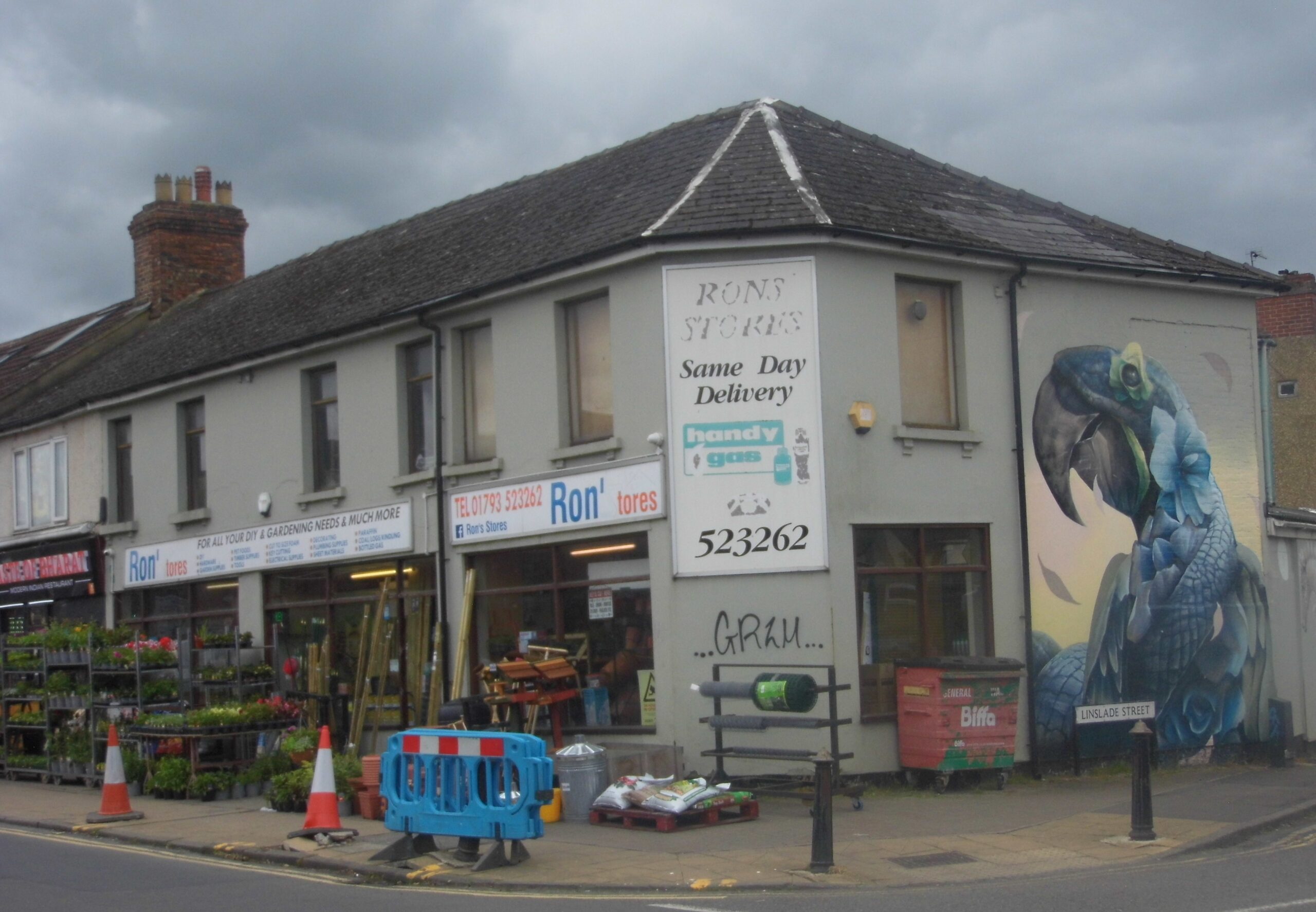
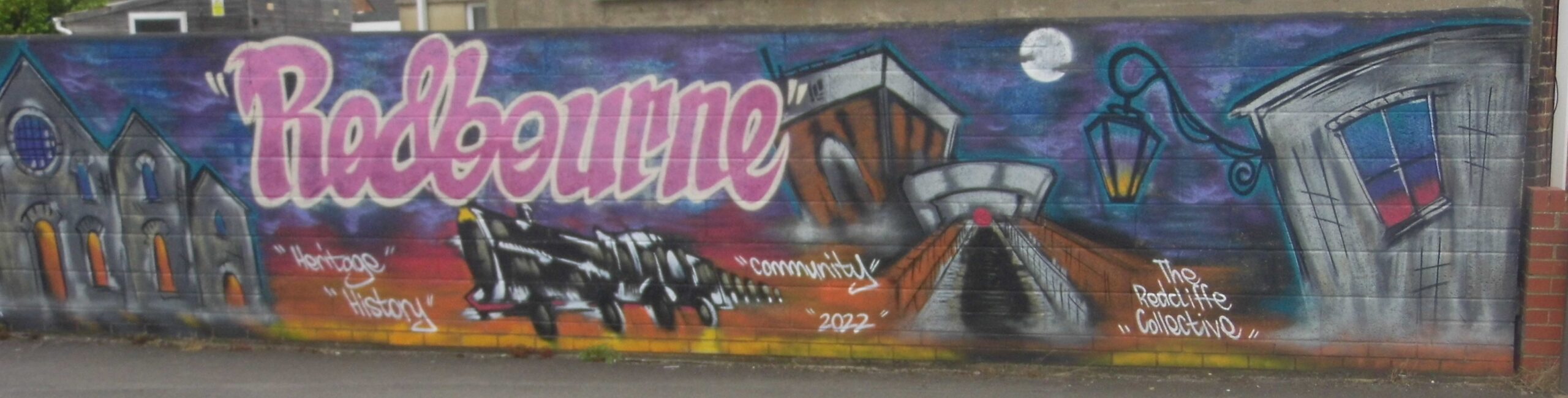
Note the Curtis Hylton mural on the side: The Snarrot. One of the outputs of the first ever Swindon Paintfest. On the same wall but out of shot is a rather clever zebra mural by Andy Burns Colwill.
The road starts at its southern end near Church Place and Kemble Drive. It runs north-west past the perimeter wall of the Works in the direction of Bruce Street bridges and Rodbourne Cheney (see The Broadway.)

Significant development milestones
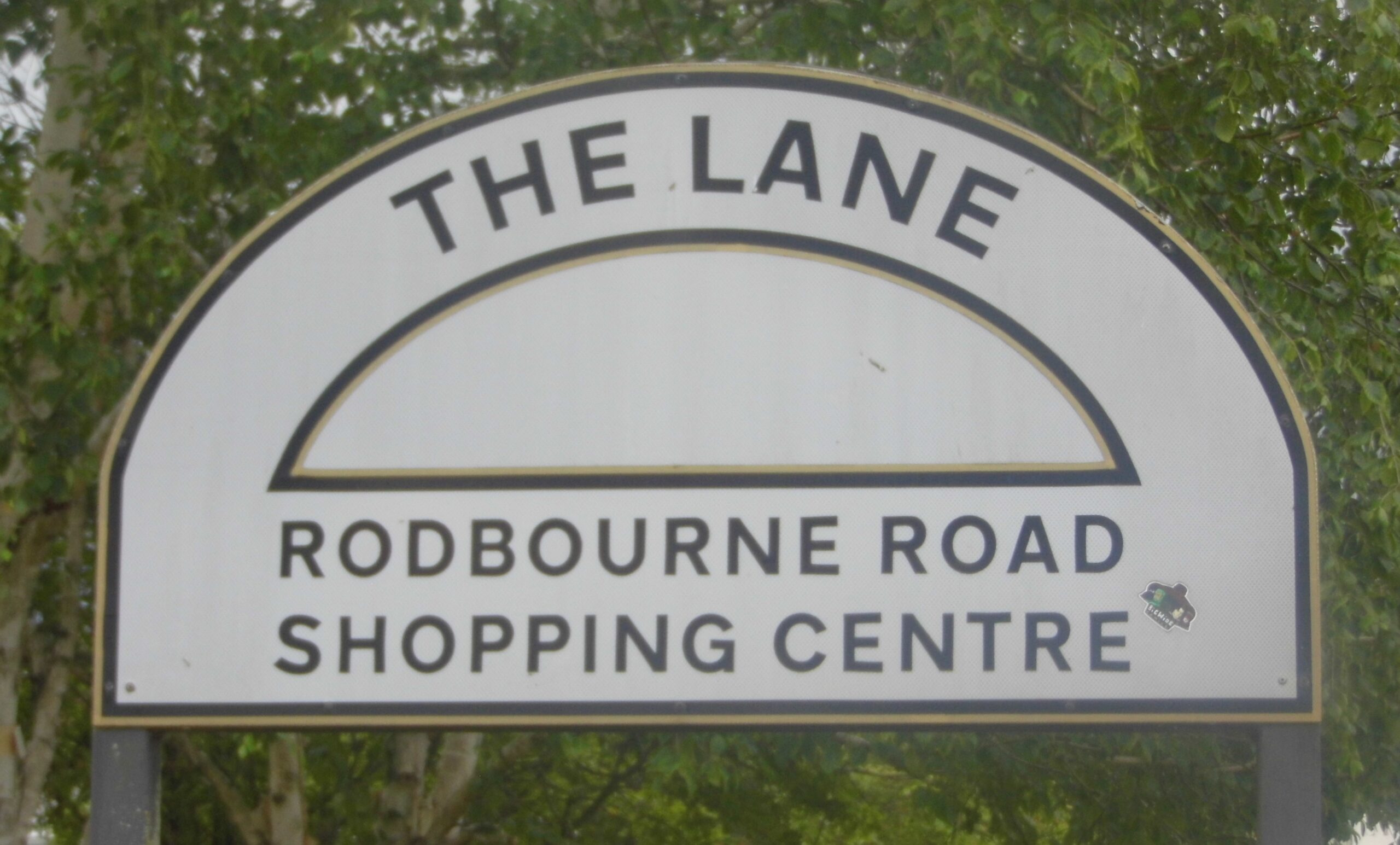
- 1872: Construction began on the road originally known as ‘The Lane’. This was to accommodate the rapid growth of Swindon as a railway town.
- 1882–1883: The local community expanded. That led to the formation of the Rodbourne Road religious society and the construction of its first chapel in 1883.
- 1904: Saw the erection of the GWR Reading Rooms on Rodbourne Road to serve local workers.
- 1920: The final stages of the original roadside development and surrounding neighbourhood layout reached completion.
Mark Child’s Swindon Book tells us that this thoroughfare and its continuation south of the railway line (nowadays Park Lane) used to be a track that ran between Fleetway/Le Flet (now Fleet Street/Faringdon Road) and the ancient village of Rodbourne Cheney.
The aforementioned Dolphin public house comprised the earliest public building along this road. Built in 1872-3, opposite a brickworks, it took advantage of trade emerging from the GWR Works at the end of a shift. At this time, the pub stood in splendid isolation – it had no local trade to rely on. It took another decade for the development of Linsdale Street, Guppy Street and Jennings Street.
Rodbourne Rd grew commercially with the dual purpose of serving in its own community and capturing trade from the Works. So small shops set up in its residential terraces and clustered around the GWR exits and, after 1904, the tram terminus close to Bruce Street bridge.



When working in Swindon Railway Works, our office messenger Arthur, reaching retirement age, used to pop out to the local Bakers shop, forgotten the name, and bring back the obligatory Lardy cake, which is a Wiltshire delicacy.
Oh that’s a lovely story Jack. Thanks for sharing.