As I pointed out in my piece about what’s left of Old Town’s Corn Exchange, I don’t intend to go overboard with long-gone buildings in this Swindon in 50 More Buildings series. Indeed, I hadn’t thought about covering the Garrard factory at all. But one of Royston Cartwright’s fab Facebook posts about the business prompted me to think I should include it. After all, Garrard was a hugely important industry for Swindon. And it was a rather super 1920s building.
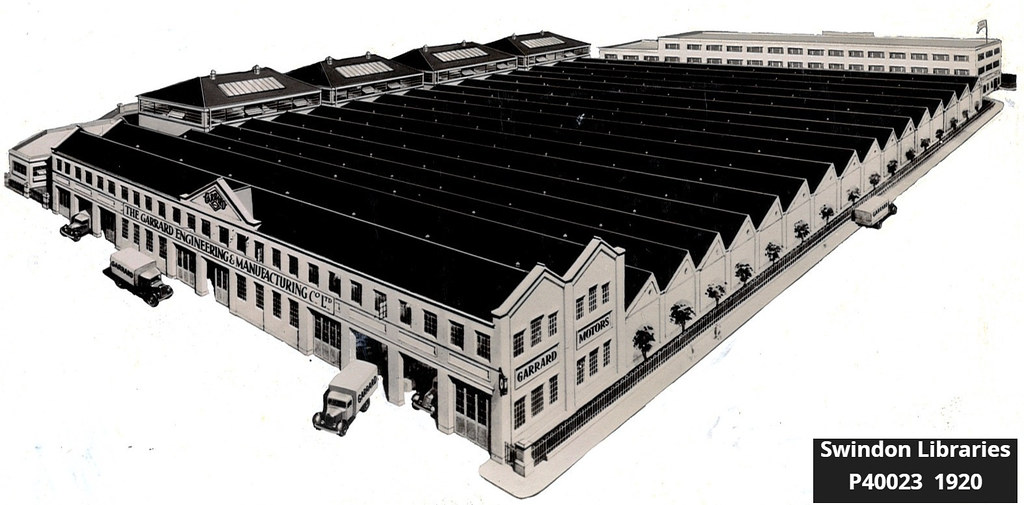
Local Studies, based in the central library, have some great images of the factory but of course they’re all under copyright. But they did let me have this illustration so you can get the idea.
The Garrard factory-Illustration 1920
In the beginning
The company was established in London in 1914-1918 as precision engineers, transferring to Swindon in the summer of 1919. Then they took over part of a building occupied by a Bridport firm of netmakers Messrs. Joseph Gundry and Co.
At this point they decided to concentrate on gramophone manufacturing. A difficult business for sure and one made harder by the lack of actual product experience to call on. Even so, they decided that the gramophone motor market offered good possibilities. Thus production began on their first model: No 1. Apt that.
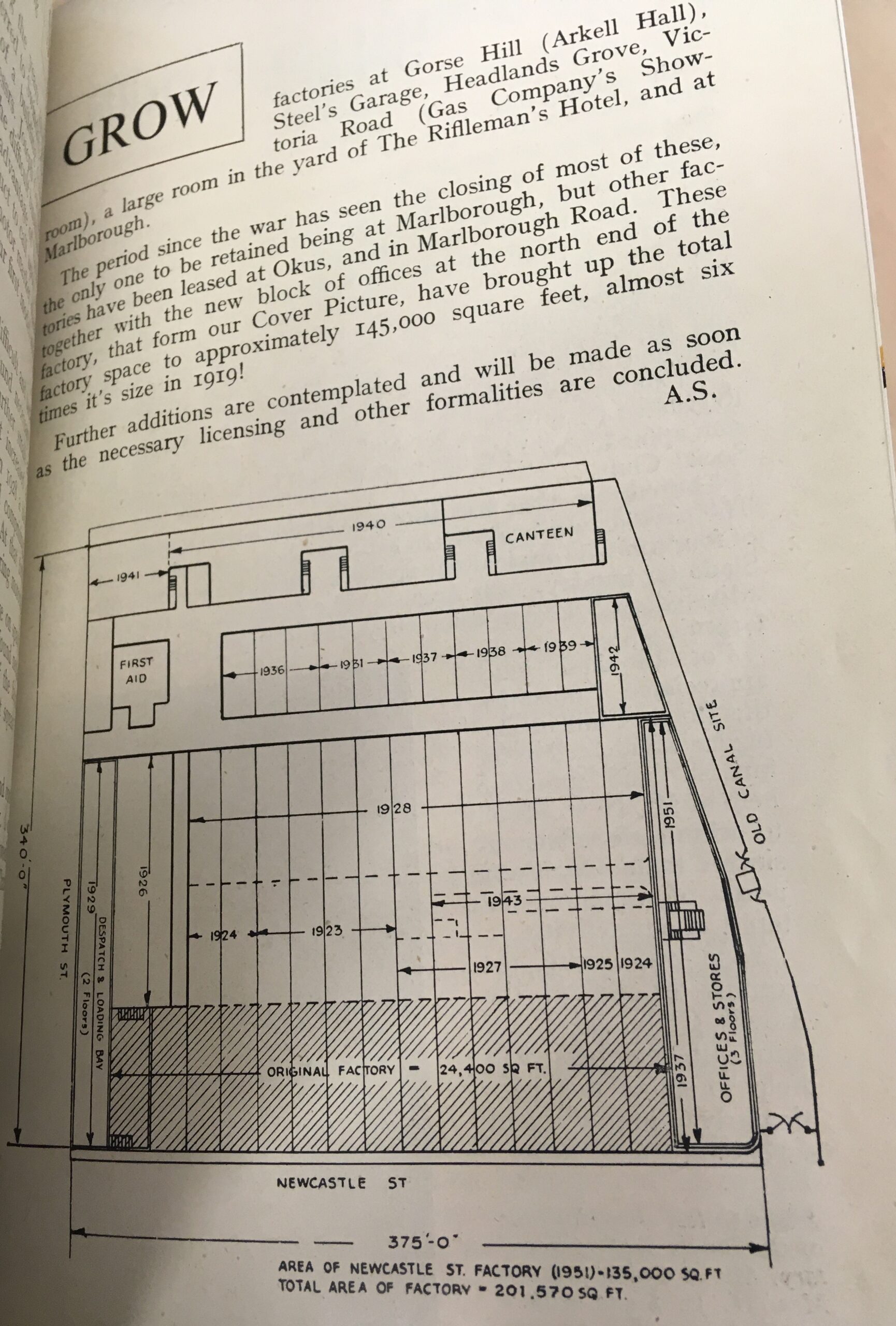
Early days proved difficult but factory space was adequate until 1923. At this point they added 1,200 square feet of floor space. Further small additions followed fast and often as they increased their output and needed more staff. 1928 saw the addition, in two stages, of a block the entire length of the then existing factory comprising 23,000 square feet.
The following year, thanks to pressure on packing and storing their output the need arose to add a double storey block at the south end of the factory.
Came the revolution
The introduction of electrical recording and reproduction wrought a revolution (appropriately enough) in the gramophone industry. It became necessary to change-over from spring to electric motors. Hot on the heels of that came another development in the form of record changers. AND – almost at the same time the factory commenced the production of clock movements. This development the addition of two bays, each 50ft long and 20ft wide to house the required assembly line.
There were further developments in 1936, 37, 38 and 39. Then WWII broke out. At this point the Garrard factory had a area of 102,000 sq ft.
There came, in 1958, a huge fire. This conflagration required the company to demolish and rebuild the three-storey block and do a lot of rebuilding in the workshops. Plessey, among other factories, lent Garrard some space to keep up production while they made repairs to the original buildings.
The factory closed down in around 1982 and thus ended another of Swindon’s great and much-loved and much-mourned industries. Though … the legend lives on … https://garrardturntables.co.uk – Or does it? Is that now out of date?
The Garrard Factory diagram – Garrards Magazine article
‘If the Great Western Railway put Swindon on the industrial map, then nobody did more to keep it there than Garrard’s. It is a name synonymous with the very best record turntables available during a lost vinyl age – and Swindon was its home for more than six decades.’
From the sapphire to the stylus
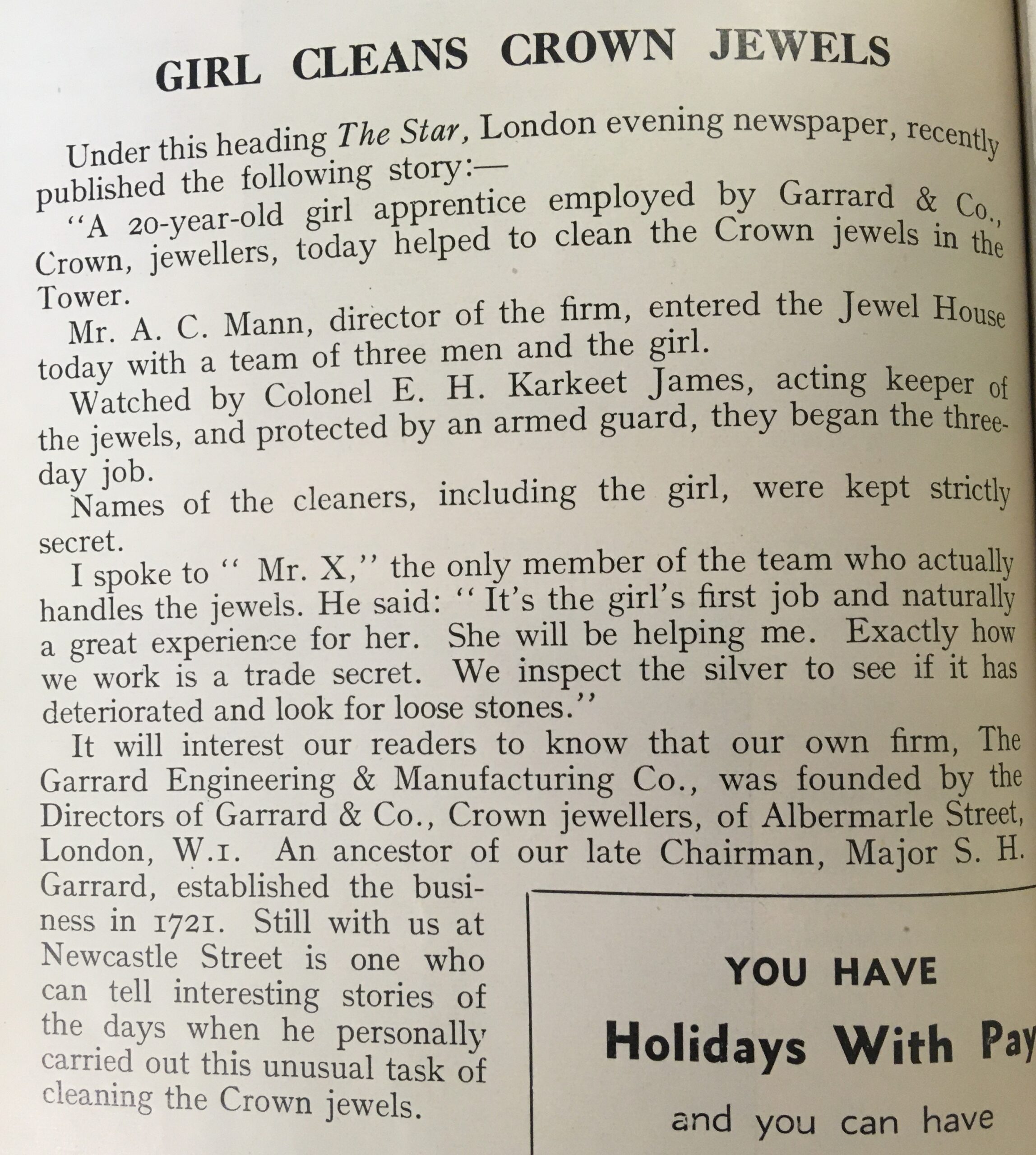
I love the fact that the founders of the Garrard Engineering & Manufacturing Co. were none other than the directors of Garrard & Co., Crown Jewellers of Albermarle Street, London. The image you see below is an extract from a Garrard journal – courtesy of Local Studies. Quite how and why Crown jewellers decided to make the leap from rubies to record decks is an intriguing one to ponder. One assumes the aforementioned possibilities of the gramophone motor market.
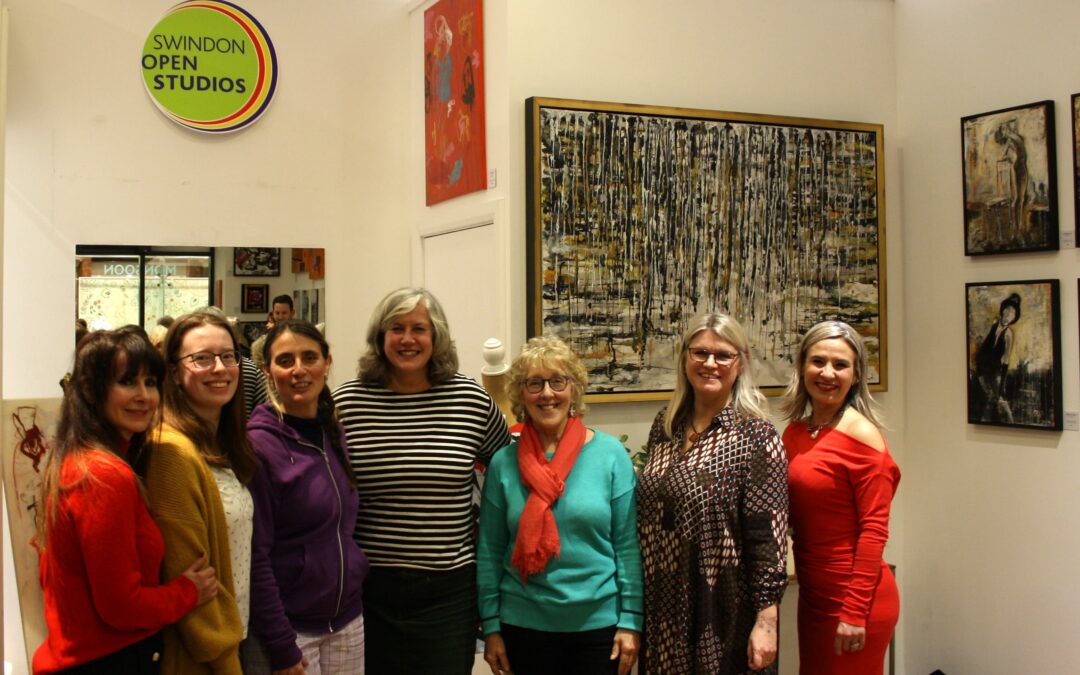
Here’s some images from the launch event that I had to miss as I had to come to Surrey for half-term childcare cover. Gutted. It looks great.
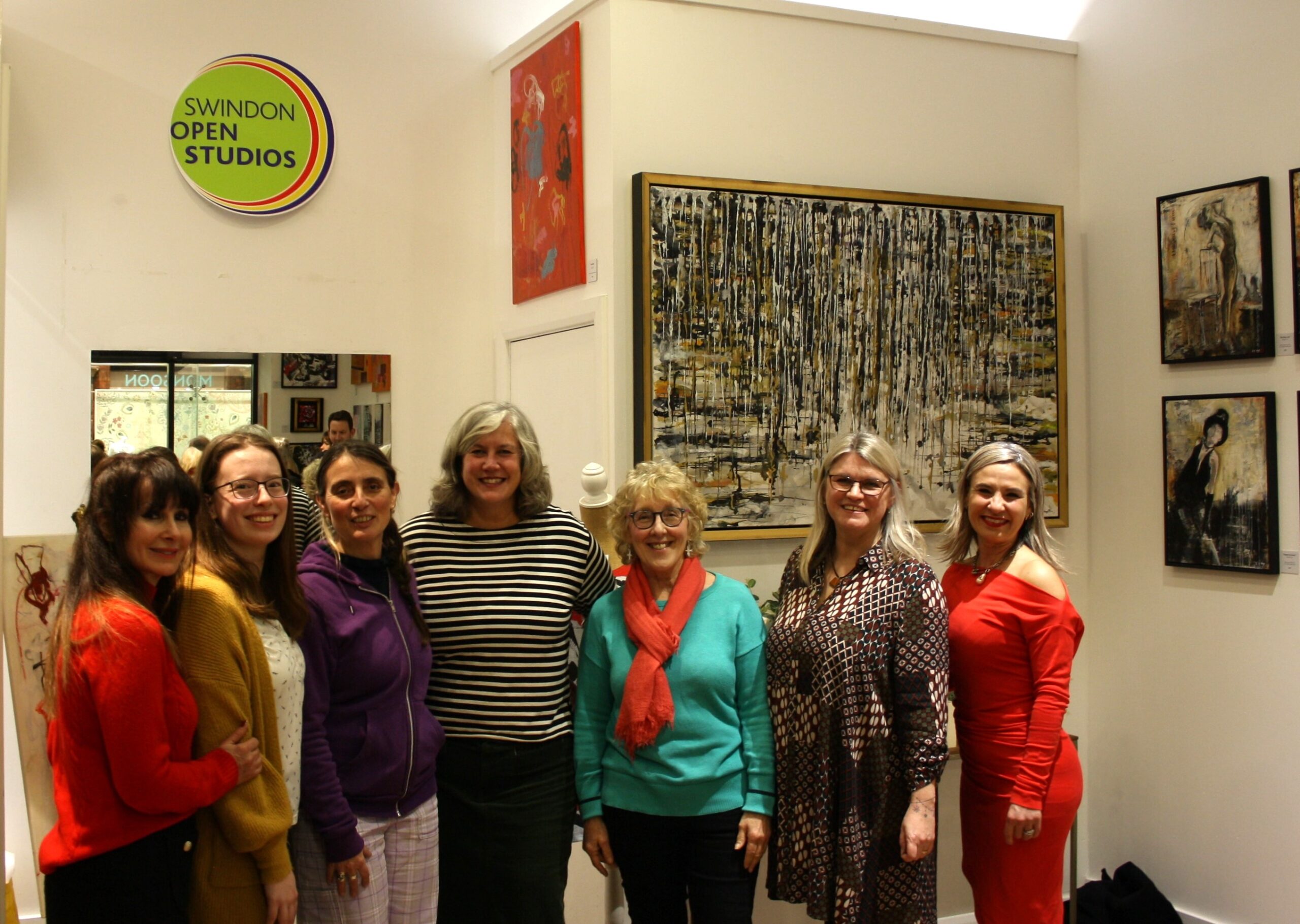
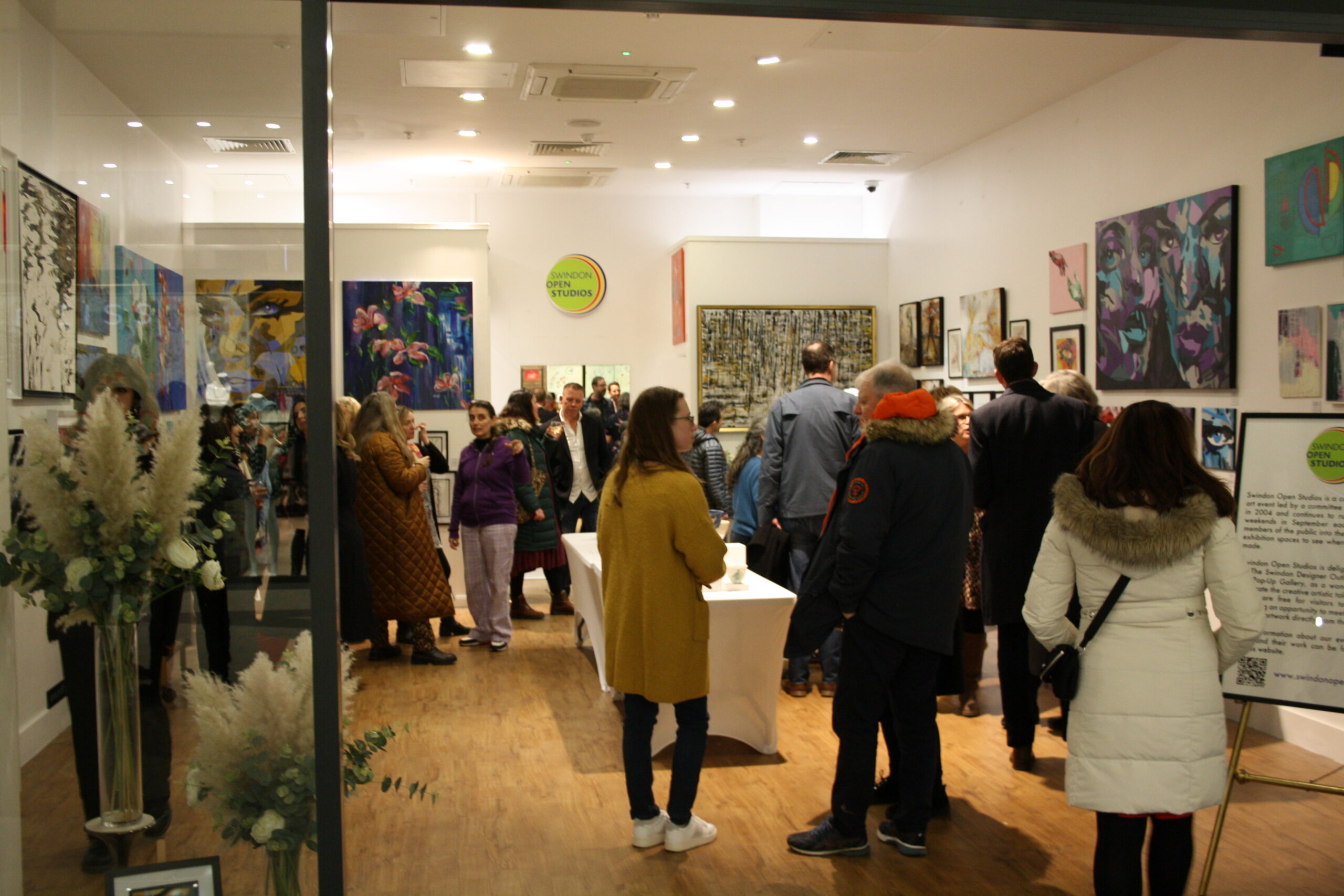
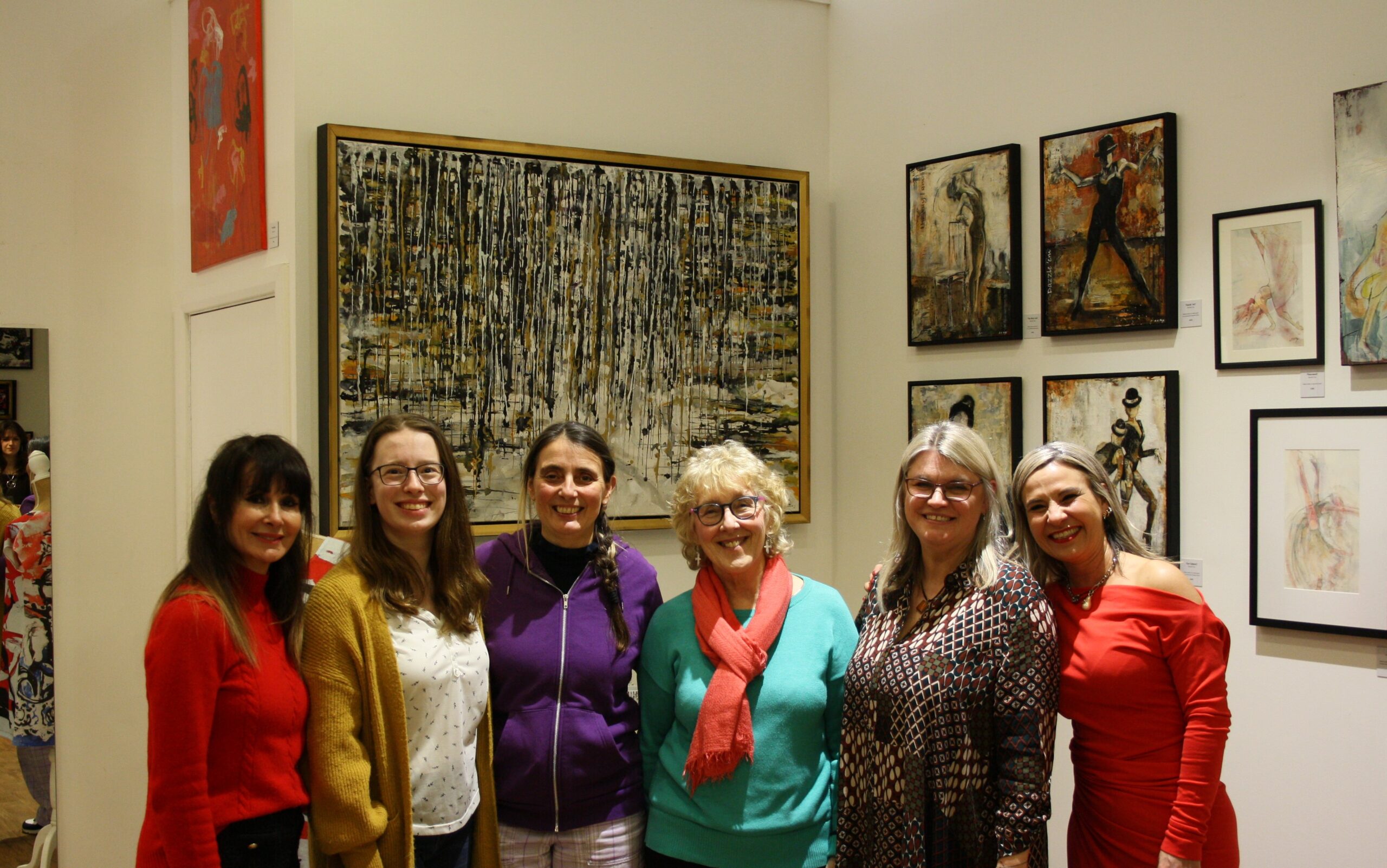
Swindon Open Studios 2024 – At the launch event, Labour Parliamentary candidate Heidi Alexander with featured artistsThe launch event of Swindon open studios 2024The featured artists at SOS Pop-Up Gallery
A community organisation, Swindon Open Studios happens thanks to volunteers supporting local artists. They hold an exhibition in September each year. The artists invite members of the public into their studios, homes, and exhibition spaces to see where and how they make their art. Swindon Open Studios is super delighted to have the support of the Swindon Designer Outlet centre. It offers their artists another opportunity to share their work with the public.
The first Open Studios took place in 2004 with a follow up in 2006. From 2008 onwards the open studios event has been held annually until the intervention of COVID in 2020 and 2021.
2022 saw the welcome return of this popular community event and last year, we saw the largest number of artists participating since the event’s inception.
In celebrating twenty years of SOS, 2024 looks set to be another bumper year.
Pablo Picasso once said …
… the purpose of art is washing the dust of daily life off our souls. Well back in 2014, in this now rather dated blog post about the purpose of art, I argued that, by stretching that analogy a little further ‘we could consider he wealth of art – and even architecture -of all kinds that we have here in Swindon, we can find ourselves washing the dust off our souls in a veritable ocean of creativity. Much of which has featured at various times on Born again Swindonian.’
12 Free Tomorrow Festival Activities. With half-term upon us, the Festival of Tomorrowhas a whole week of fun ahead to help keep all the family entertained. All including loads of free events and experiences. We’ve picked a dozen of our favourite things for families to see and do, completely free!
At STEAM, Museum of the Great Western Railway
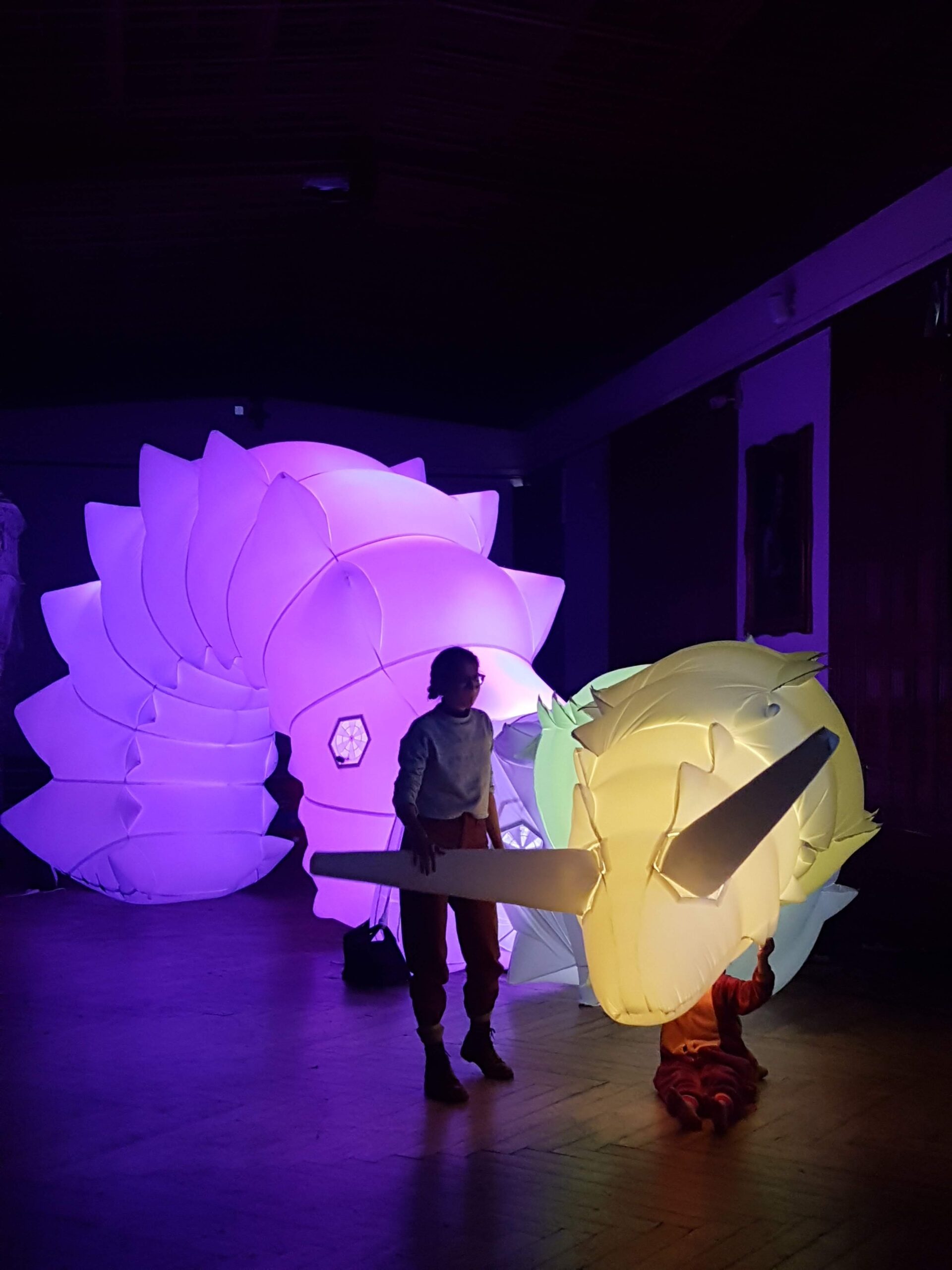
1. Meet Luma, the giant soft-robotic snail! Monday 12th – Saturday 17, 10AM to 5PM/ Sunday 18 Feb, 10AM to 4PM
Luma is a huge 9m long inflatable robot snail who loves an audience. Inspired by nature, Luma is a stunning and enormous interactive being. It brings wonder, joy and escapist magic! Accompanying Luma is a programme of completely free, drop-in activities and live shows.
Get up close and hands on with live giant snails and other amazing animals.
3. Tuesday 13 February – Amazing Air – every hour from 11am-4pm
Join Dr Sarah Bearchell for this interactive show, where everyone joins in the multi-sensory experiments to gather proof that air really is there!
4. Wednesday 14 February – The Cloud Factory – every hour from 11am-4pm:
Join Dr Sarah Bearchell for this interactive show, where everyone joins in the multi-sensory experiments to gather proof that air really is there!
5. Thursday 15 February – Fun Science Shows – Every 30 minutes between 11.30AM and 2.30PM
Amazing, hair raising live demonstrations and experiments.
6. Friday 16 February – Make your own slime and build and race robots!
Have a go at building a robot racer, or make your own snail slime to take home.
7. Saturday 17 & Sunday 18 February – Super Sonic Science Show – 11am-3.30pm
Embark on a journey of marvels with the Super Sonic Science Professor! Behold the electrifying dance of lightning, soar on a magic carpet, see the world from inside bubble and witness the mesmerizing eruption of a bubble volcano.
At the Swindon Designer Outlet
8. What the Tortoise Taught us – Monday 12 to Friday 16 February 11am-3pm
Look out for Zelva, the beautiful animatronic giant tortoise. Designed and built by The Flying Buttresses. They’ve lent their making talents to films such as Prometheus, Guardians of the Galaxy and Artemis Fowl, Zelva represents a unique approach to animatronics.
12 Free Tomorrow Festival Activities – Zelva the animatronic giant tortoise
Neon Dance presents this nature-themed robotic exhibition and installation in collaboration with Bristol Robotics Lab. Meet and interact with the robots and share your own ideas on what you think the robots should do!
10. What is a robot? And can we trust them? – Wednesday 14 Feb, 11am-3pm
Meet the University of Bristol’s Trustworthy Autonomous Systems researchers on Wednesday 14 February. Try out some robotic demos and talk to them about their work. Ask the engineers, roboticists and sociologists anything, as they take you through some surprising robotics.
11. Augmented Reality Space Trail – Sunday 11 – Sunday 18 February
See if you can spot all the Augmented Reality, space-themed models hidden around Swindon’s Designer Outlet. Find the Swindon’s Space Trail boards, scan the QR code with your phone, and see the models come to life!
At The Deanery CE Academy
12. Festival Finale – Friday 16 and Saturday 17 February 10am-5pm
The highlight of the week is bound to be the popular Festival Finale extravaganza. From the latest e-sports gaming kit, racing model hydrogen cars, to arts and crafts, festivalgoers will be able to explore:
Amazing exhibitors
Chat with leading researchers scientists, engineers and artists
Watch live demonstrations
Or get hands-on with a huge range of FREE activities and workshops for all ages.
New Recruit for Scott Media. Media and PR expert Fiona Scott didn’t have to look far when it came to recruiting a new team member. Because her step-daughter, Lauren Roberts, is stepping up to the plate.
Fiona, who runs Swindon-based PR agency Scott Media, has recruited Lauren to help meet the needs of her ever-growing client base.
In the first instance, Lauren is spending two days a week with Fiona and her VA, Hannah Edwards. But that role will expand in the future.
Fiona, who set up Scott Media sixteen years ago following a successful career in print and broadcast journalism, describes Lauren as a fantastic addition to the team.
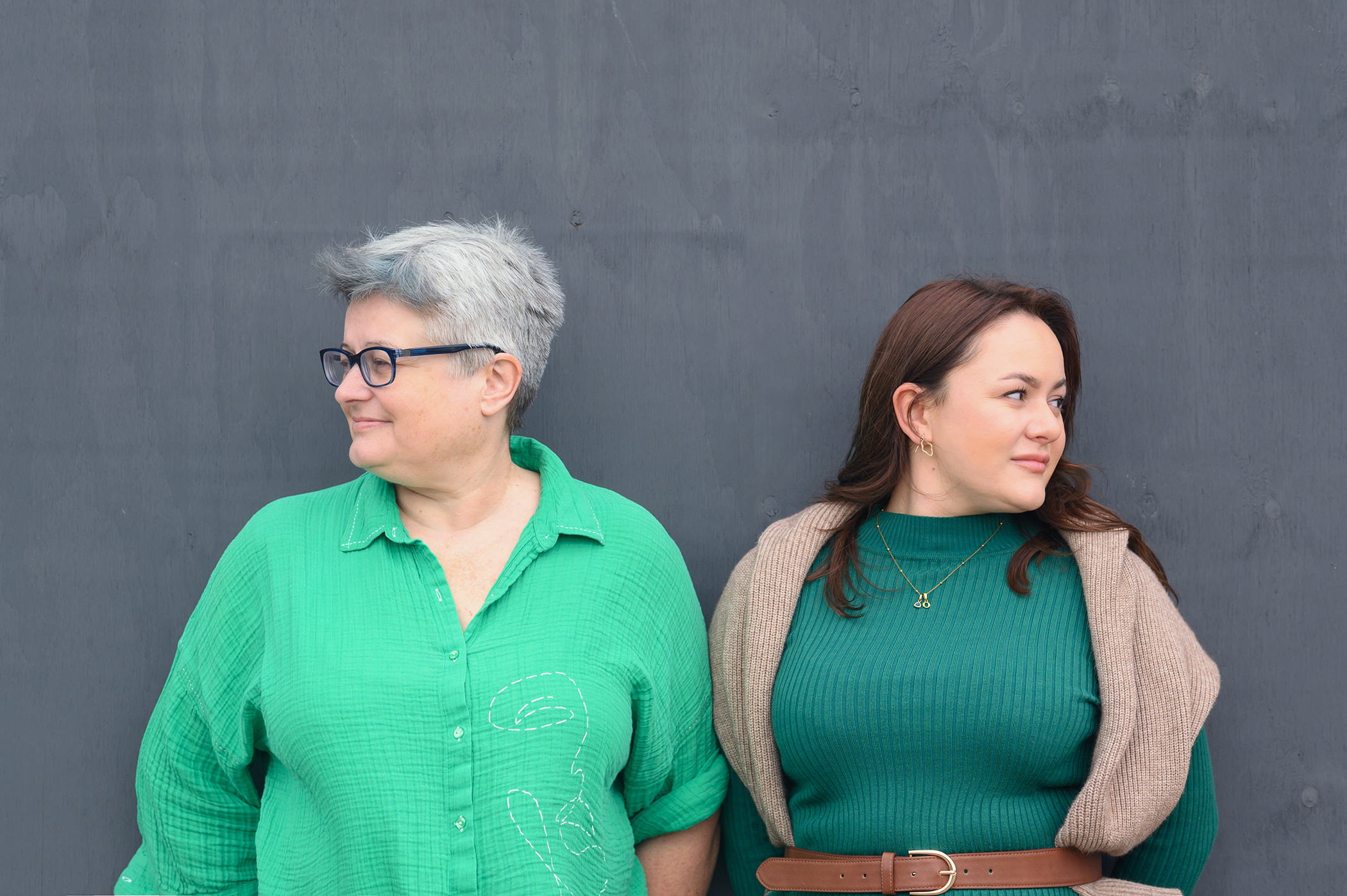
Fiona Scott, left, with Lauren Roberts
Lots to learn
‘It will be a steep learning curve for her but I know Lauren is more than capable. And she’s very keen to get going,’ said Fiona. “She has all the raw talent needed to make a great PR professional and I’m very excited that she has come on board.’
Working in PR is a new venture for Lauren, who’s getting back into employment after a year’s maternity leave following the birth of her son, Oliver.
After taking A-levels in art, media studies and English literature, Lauren, 30, had planned a career in journalism. But she chose a different path during her gap year.
She went into finance and, before having Oliver, had been managing a credit control team with a fuel company. But she’s now keen to return to her creative roots.
After A-levels, I wasn’t sure about going to university so took a gap year, and ended up getting a full-time job in a loan company. That then led me into credit control,’ said Lauren.
I realised going back to a full-time role wouldn’t work for my family. I wanted something more flexible, and then this opportunity with Fiona came up. It’s great, because it gives me the chance to rediscover my creative side and I’m enjoying the challenge.’
Scott Media specialises in supporting businesses and entrepreneurs with their PR and works with organisations across the UK. For more Scott Media visit https://scottmedia.uk/
SOCIAL ENTREPRENEUR WINS AWARDFOR OUTSTANDING CONTRIBUTION TO THE SWINDON COMMUNITY. Fi Da Silva Adams, founder of Swindon and Wiltshire’s leading performing arts company for children and young people, Revolution Performing Arts, has won an award for Outstanding Contribution to the Community.
“I felt overwhelmed that I got chosen. Given the amazing work done in communities across the South West by all the shortlisted organisations. I can’t quite believe that this has happened. I’d like to thank my amazing team who support 100s of children across Swindon and beyond every single week.”
SOCIAL ENTREPRENEUR WINS AWARD – Fiona Da Silva Adams
Built it up
Fi, who lives in Wanborough, has built the successful Revolution Performing Arts and its sister company, Rapport CIC, both of which have strong social goals. She set up the company in 2007 as a drama group for toddlers and pre-school age children. She took this step after a long career in performing arts in the town.
It soon expanded to become a performing arts company for children of all ages. RPA was the first organisation of its kind to bring inclusive performing arts after-school clubs to the Swindon area.
Today it runs more than 1,140 performing arts sessions a year for children from a diverse range of socio-economic backgrounds. They stage five public shows across its annual calendar. In all, over 400 local children or young people attend sessions every week. And almost 5,000 children attend the RPA Holiday Activity and Food (HAF) programme in Swindon and Wiltshire.
Rapport CIC
RPA’s sister organisation, Rapport Community Interest Company (CIC), is a not-for-profit organisation. It’s aimed at young people aged 11-18. Its mission is to explore all forms of performing arts. This includes drama, singing and dance. Also ‘behind the scenes’ arts such as design, tech and stage management. Rapport offers free places for young people affected by domestic abuse.
The judges of the awards said of Fi that she was ‘making a huge impact in many ways and providing a much needed safe place away from abuse.’
Having experienced a challenging start in life herself, Fi is a keen advocate of the power of the arts. She uses it to support young people to express themselves in a way that is empowering.
Other Swindon winners included Shani Moore of Dash Couriers who won Female Entrepreneur of the Year and HR specialist Rachel Weaven who won the title of Networker of the Year.
The South-West Business & Community Awards ceremony took place on Thursday February 1 at the Doubletree Hilton.