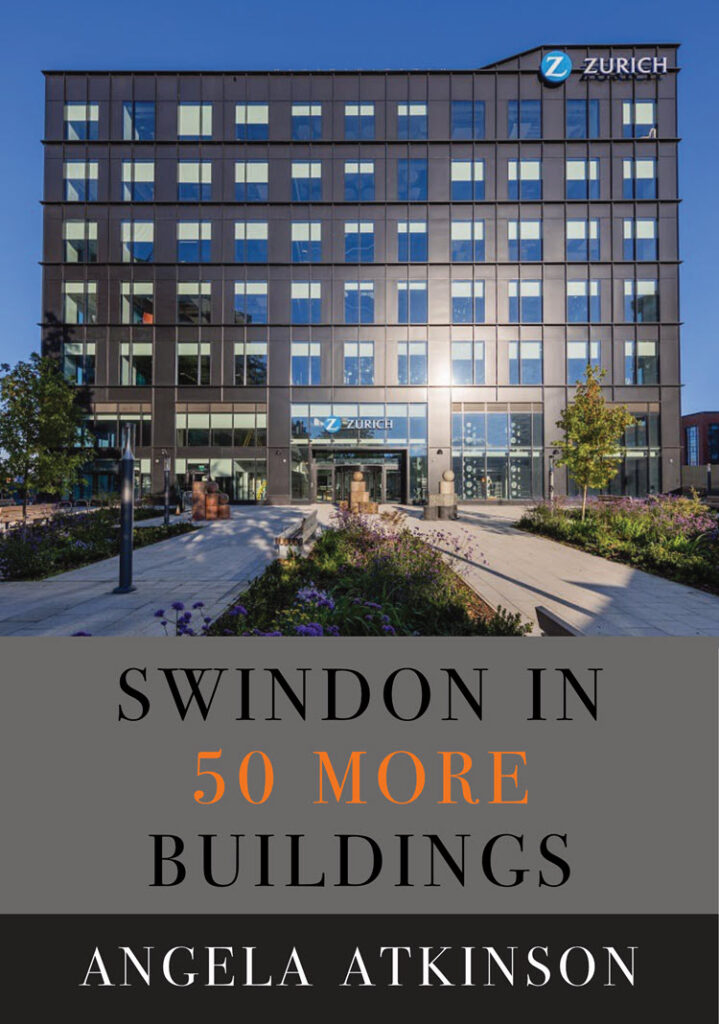
New Sexual Harassment Rules. Employers are being urged to take note of new rules around sexual harassment in the workplace.
Experts at Swindon-based HR Dept say the Worker Protection Act, coming into force in October, places the onus on employers taking steps to prevent sexual harassment. This is a change from before, when the emphasis was on redress, rather than prevention.
New Sexual Harassment Rules – Helen Imbusi of the HR Dept Swindon
The aim of the act
The aim of the Act is to increase protection against sexual harassment in the workplace. Employers must comply with their new duty. It’s on them to ensure they’re taking ‘reasonable steps’ to prevent sexual harassment of their employees.
Most employers have policies in place about harassment. But this will no longer be enough to meet the new obligations,’ said Helen Imbusi. Helen works as an HR Consultant at the HR Dept Swindon, North Wiltshire, and East Cotswolds. “We recommend employers take steps now to ensure they are compliant.’
The HR Dept’s recommendations include:
Reviewing current policies and procedures to ensure they’re robust and easy to follow
Also providing training, so managers understand how to identify and deal with sexual harassment
And helping employees understand what constitutes sexual harassment. And how to report any incidents.
Helen added: ‘If a staff member makes a complaint, managers need to investigate and take appropriate action. We’d also recommend examining the culture of a business. That will identify any areas ripe for improvement.’
Employees won’t be able to make a claim solely under the new Act. But if there’s an existing claim, any further breach under the Act will be an aggravating factor.
In the event of an employer breaching the Act, employment tribunals will be able to increase compensation to the employee by up to 25%.
Where there are many forms of harassment claimed, the uplift will apply to all compensation awarded for the claim, not the sexual harassment element alone.
Helen added: ‘It’s clear it’s important to put measures in place to prevent sexual harassment taking place. Where it does, and a successful claim is made, then this could be costly to the employer.’
Big Breakfast With Added Fruit. Homeless and hungry people in Swindon are getting the chance to enjoy their five-a-day thanks to town charity Big Breakfast Plus.The charity, that provides breakfast seven days a week from its base at The Pilgrim Centre, is now offering take-away fruit bags to its visitors.
In the first week alone, they gave out almost 1,800 pieces of fruit. Guests could choose what they wanted from a wide range including bananas, grapes, apples and plums. Apricots proved particularly popular!
Big Breakfast With Added Fruit – Big breakfast volunteers
Charlotte Mannion, the charity’s Chair of Trustees, explained that the Government Household Support Fund, allocated by Swindon Borough Council, has funded the scheme.
Out of the blue the ccouncil offered us £3,000 from the Government Household Support Fund. And we all thought offering fruit would be a good addition to the breakfast we already provide,’ she said.
‘It’s gone down very well with our guests, who are enjoying this extra food we are able to offer. They take a paper bag and can select what they like. As soon as people heard about the scheme, we started to receive donations from generous members of the public, who’ve brought in apples and plums.’
About Big Breakfast Plus
Big Breakfast Plus is the only charitable organisation in Swindon providing a free cooked breakfast, cereal and toast, with unlimited refills of hot drinks. And further, an opportunity for people to meet and socialise in a warm and inviting place.
It’s open from 7.30am to 9am every day and relies on donations to keep running. For more information, visit https://bigbreakfastplus.org.uk/.
RPA Announces Casting Date. Leading south west performing arts company, Revolution Performing Arts, is seeking young people to audition. They want them to try out for its upcoming production of the National Theatre’s Connections play Tuesday by playwright Alison Carr. It’ll be taking place in Gloucestershire next year.
Artistic Director Laura Barnes said:
‘This exciting project is open to all secondary school-aged students, from age 11 to 18. It offers a unique opportunity to be part of a dynamic, inclusive and creative-led experience.
The casting workshop will be informal and welcoming. It’s designed to explore creativity, rather than serve as a high-pressure audition. RPA encourages young people interested in participating to attend and experience the fun of theatre-making in a supportive environment.’
Where
They’re holding the casting workshop at the Revolutionary Tuition Centre at Redhouse Village Centre in Swindon The postcode is: SN25 2FW. It’ll be on Tuesday the 22nd October.
In Tuesday, an ordinary day takes a strange turn when the sky over Lane End School tears open. The tear pulls students and teachers into a parallel universe while a whole new set of people falls from above.
As the two groups struggle to make sense of the situation, tensions rise. The play explores themes of:
Identity
Friendship
Loss and responsibility
All against the backdrop of intriguing multiverse theories.
RPA Announces Casting Date – young people engaging in a previous show presented by Revolution Performing Arts.
In the director’s chair
Laura Barnes, artistic director at RPA, is directing the production. Laura is also a professional theatre director. She has an impressive portfolio that includes acclaimed projects across Wiltshire, Gloucestershire, and London.
Laura said: ‘We’re so excited to bring Tuesday to life with the young people of our community. This play offers a unique and imaginative exploration of identity and connection. Themes that resonate with our mission. We can’t wait to see how these talented individuals will interpret and bring their own creativity to this extraordinary story.’
Rehearsals for the production will then take place on Tuesday evenings after the half-term break in late October. And the performance takes place on Sunday 16th February, at The Griffin Theatre, Rendcomb College, Cirencester.
Please note that a project fee of £150 will apply to take part in this production. This will cover room hire for rehearsals and associated costs. It’s payable in up to three instalments.
Revolution Performing Arts has its base in Swindon. It offers classes and performing arts services across the town. And also in Wiltshire, Oxfordshire and Gloucestershire.
Swindon Hub Seeks New Trustees o Support its Growing Community Effect.
Swindon Hub, a beloved community space developed by and for the local community, is seeking new trustees. To both join its board and help guide its expanding range of activities and services.
Nestled in the heart of Swindon’s Town Centre, the Hub has become a vital gathering place. It offers facilities such as:
An affordable café
a bookshop
local crafts
and surplus stock sales benefiting the Swindon Night Shelter.
To foster creativity, connection and a sense of belonging the Hub boasts a busy calendar of events. They range from:
Weekly free yoga sessions
Arts and crafts
Retro gaming groups
Writers’ clubs and …
… storytime sessions for children.
Swindon Hub on the Parade in Swindon town centre – Swindon Hub Seeks New Trustees
Building on their achievements so far
To maintain and build on this success, Swindon Hub needs trustees with the passion and expertise to help steer its future.
The Hub is particularly looking for individuals with experience in event management, communications/PR or fundraising.
Trustees play a crucial role in setting the strategic direction of the Hub. Thus ensuring it remains sustainable and responsive to the needs of the Swindon community. Whether you have expertise in these areas or a desire to support the Hub in other ways, joining the board is a rewarding opportunity to make a lasting impact.
The Hub AGM
Swindon Hub will host its Annual General Meeting (AGM) on 15th October at 6pm, at The Hub on The Parade, Swindon.
This event is open to all community members, volunteers, and prospective trustees. Attendees will have the chance to learn more about the Hub’s future plans, meet the current team and discuss how new trustees can contribute to its mission.
Rhian Brick, one of Swindon Hub’s full-time Coordinators, commented: ‘Swindon Hub has flourished due to the dedication of our volunteers and trustees. As we continue to grow, we need more committed individuals to help shape our next chapter. Whether you’re interested in helping out in the Hub itself or wish to become a trustee, we would love to hear from you.’
To express interest in becoming a trustee, please contact Swindon Hub by emailing trustees@swindonhub.org.uk.
About Swindon Hub
Swindon Hub is a community-led space designed to provide a welcoming and inclusive environment for all residents. With a variety of events, affordable services, and support for local charitable causes, the Hub is at the heart of Swindon’s thriving community life.
The Baptist School/Albion Club on Bridge Street represents a classic example of me not following my own advice of ‘looking up’. Because, when someone posted a picture on Bookface of what you see below and asked if anyone knew its location, I had to plead ignorance. Despite it being a building I’ve walked past countless times.
Side view of Baptist school on Bridge Street
Detail of the inscription on the wall.
The front of the Baptist school on Bridge Street – photo from Strolling in Swindon
Designed by Thomas S . Lansdown of Brunswick Terrace (Bath Rd) this Baptist school building is all that remains of the Fleet Street Baptist church. It was built adjacent to the church, in Bridge in 1868. Or so Mark Child states in his Swindon Book. He goes on to say that the congregation moved to the Baptist Tabernacle in Regent Circusin 1886. It appears that, the following year, the Fleet Street premises underwent partial demolition and the site converted into four shops. It’s also had a period serving as part of the Albion Sports & Social Club.
The building as you see it above is now undergoing conversion into residential accommodation – one reason for giving it a mention here – see below. And see this article from the Swindon Advertiser too.
The Albion Sports & Social Club
The building that you see the gable of on the above photo used to look like this:
The Albion club poured its last pint and closed its doors for the last time in 2017. Since then it’s sat empty and decaying. The club consists of three buildings:
the former Baptist Sunday school – see above
An adjacent two-storey building on Bridge Street and …
I’ve got to wondering how old the Albion Club (as an entity) is. From what I can work out, it was in the schoolroom by 1923. So when was it founded? Somewhere in the 1910s?
From what I can gather the club began life in No 2 Bridge Street – the old chapel school. But then, in 1978, moved to No 62 Bridge Street. But if anyone out there has other/different information do let me know.
Another thing I spotted only recently, so failing yet again in my ‘look up, look down, look around’ exhortation are these gorgeous tiles. They’re on the left of the building you see above – partially obscured by a big advertising poster thing for a Turkish barber. I do hope no-one destroys them.