Swindon-Based 3D Printing Business, SED Developments gets involved in printing faceshields for the NHS.
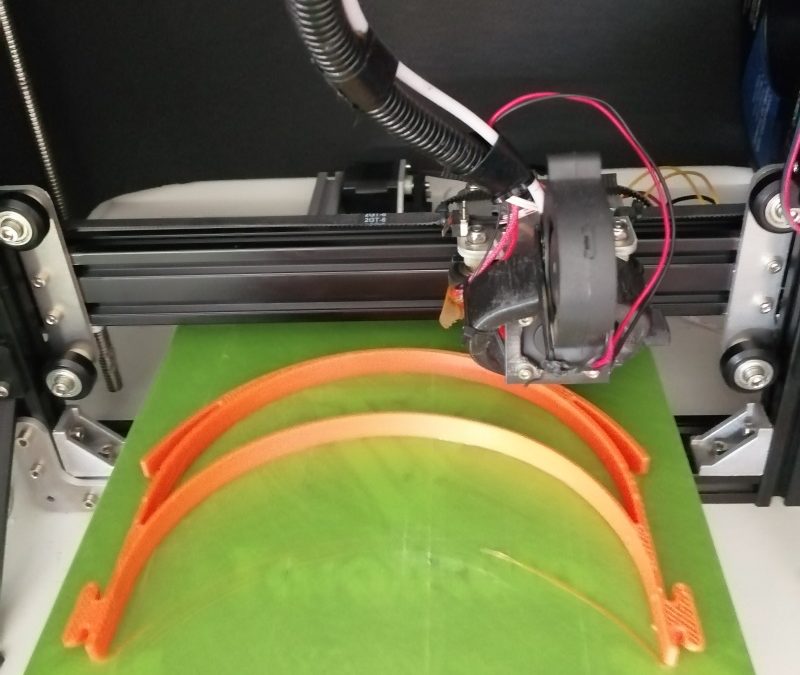
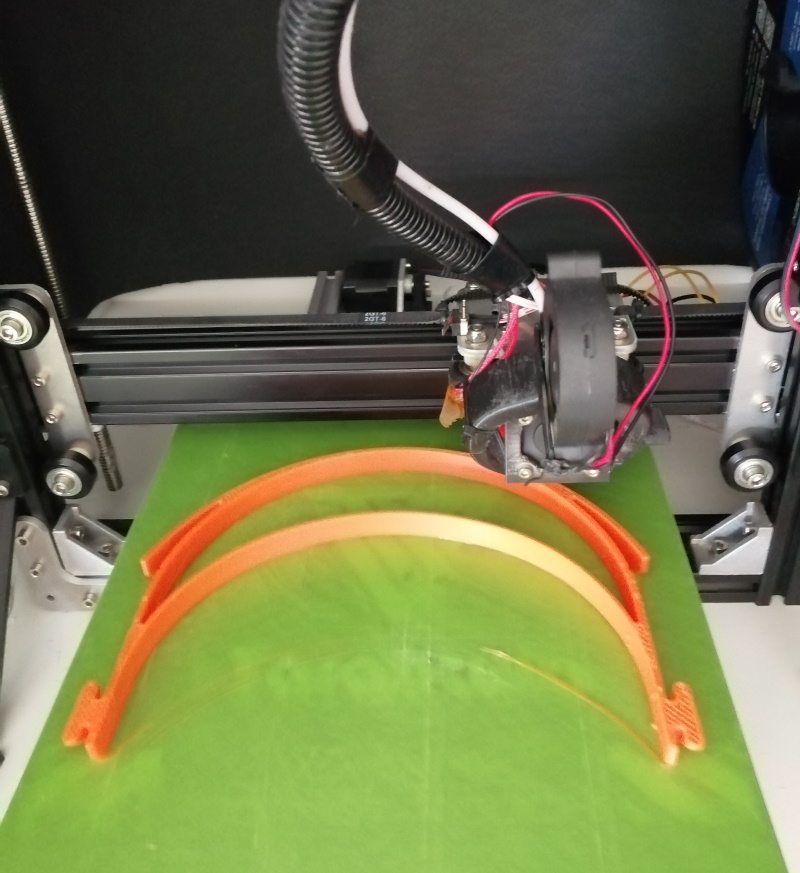
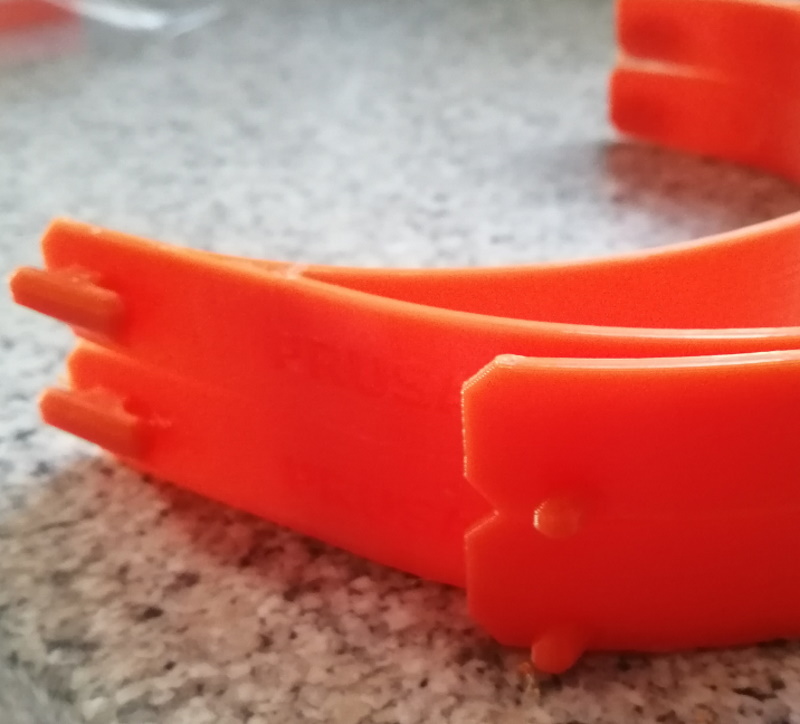
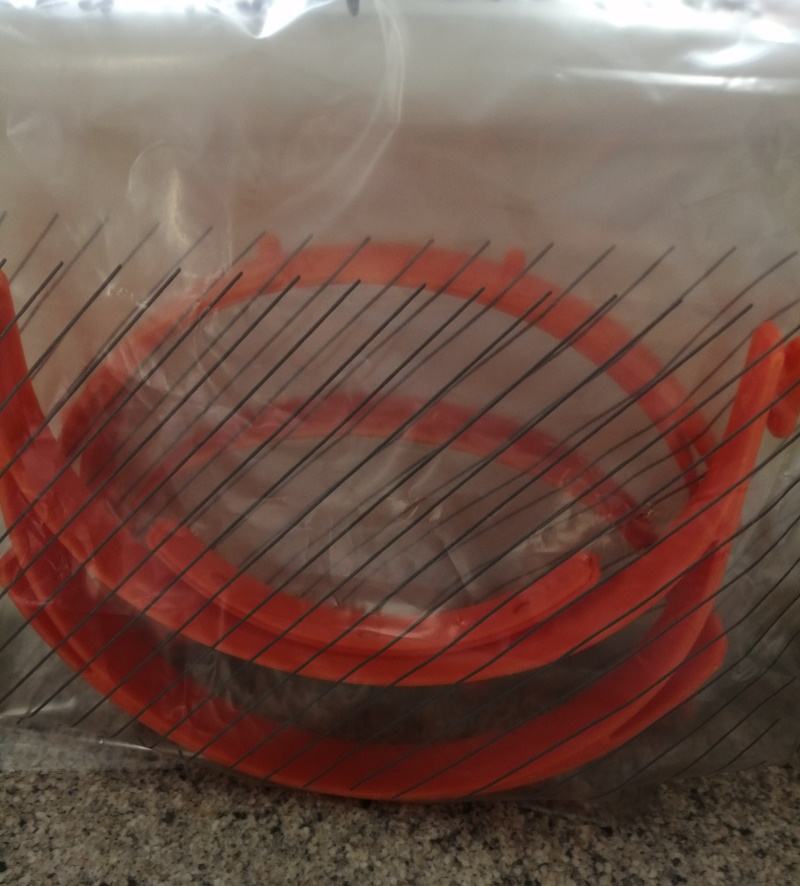
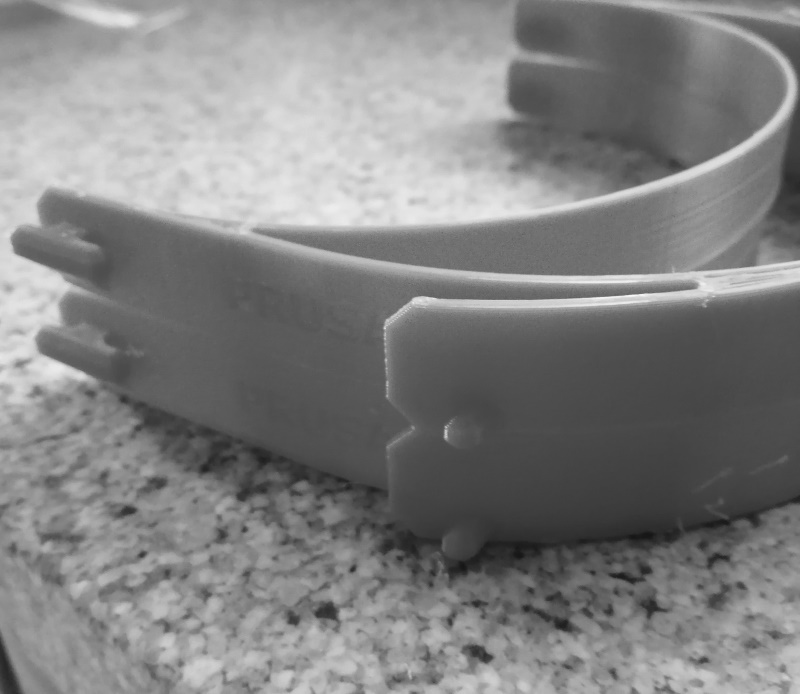
SED Developments Shielding NHS Staff: Responding to a nationwide call for help from people with 3D printers, Swindon-based small business, SED Developments is using some of its printing capacity to make face shields.
They’re part of the 3D Crowd UK group who are delivering 39,000+ Face Shields to 90 NHS Trusts this Easter weekend from their Sheffield distribution centre.
The 3D crowd need 500,000 face shields – they’ve already despatched 39,000.
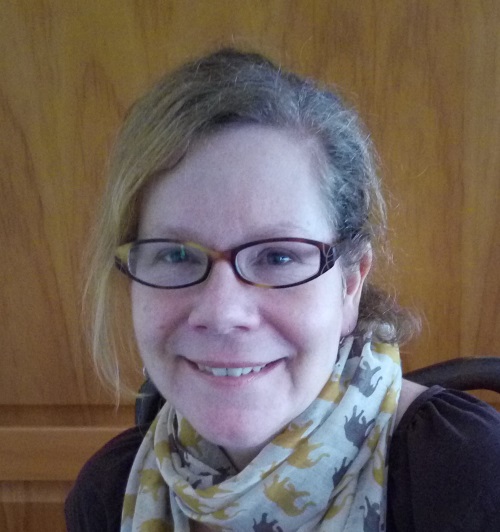
Says Jo: ‘I’m not the only one in Swindon, there are at least 4 others in my regional Slack group.’
This whole thing is a huge joint effort between many people in the 3D printing community to support the NHS during this Covid19 crisis.
We’re thankful we can help, in our own small way, this amazing initiative.
Jo goes on to say: ‘We print in PETG because it’s stronger.
It takes around 5 hours for one shield to print. We’re printing 12 hour days – but I know others are going around the clock. Sadly we can’t do that as we sleep next door to one of our printers. We did that one New Year’s Eve to finish a remote control snowmobile and it was blooming painful!
We’re instructed to print in a clean area, wear gloves and a face shield to move the parts around. We then bag them, label them with the date packaged. Now they’ve learnt that the virus lives for 3 days they need the date so as to know not to open it for 3 days.
Once we’ve printed over 20, we’ll post them to either Frome or Sheffield – depending on where they’re needed.
Spring clean your online shop, website expert urges businesses
Now is the time to do an online shop spring clean, says Martin Jarvis, MD of DMJ computer Services.
NB: DMJ computer Services is a Swindon-based web design and hosting company.
With premises closing due to Corona virus and organisations relying more than ever on having an effective online presence now is the time to brush the virtual cobwebs away.
As Martin says, now is the moment for businesses to carry out simple maintenance on their websites to make them more visible. And to enhance their effectiveness.
“With the best will in the world, it’s rare we have the thought, time, or inclination to make little tweaks, tidy-ups and other incremental updates to our websites,” said Martin. And he should know – he specialises in creating and hosting WordPress websites.
Simple Changes
Martin said simple changes, such as adding content, expanding service pages and posting regular blogs, would all help to increase traffic to a site.
He added: “Regular maintenance and housekeeping keeps a site looking good, as well as helping with search engine optimisation. It can also prevent bigger and more costly problems further down the line.”
Martin’s Top Tips
Refreshing old blog posts (which can be quicker and as effective as creating new ones)
Fixing any broken internal or outbound hyperlinks
Making sure any contact forms work, so enquiries get through
Ensuring plugins are up-to-date, deleting any that are no longer needed and ensuring fast loading of the site
For more help and advice on spring cleaning a website. In particular for businesses with WordPress sites, email martinj@dmjcomputerservices.com
Martin said: “Regular, reliable, and available backups of a website are an absolute must. With no physical presence (due to lockdown), having a website offline for any period of time could have disastrous consequences.”
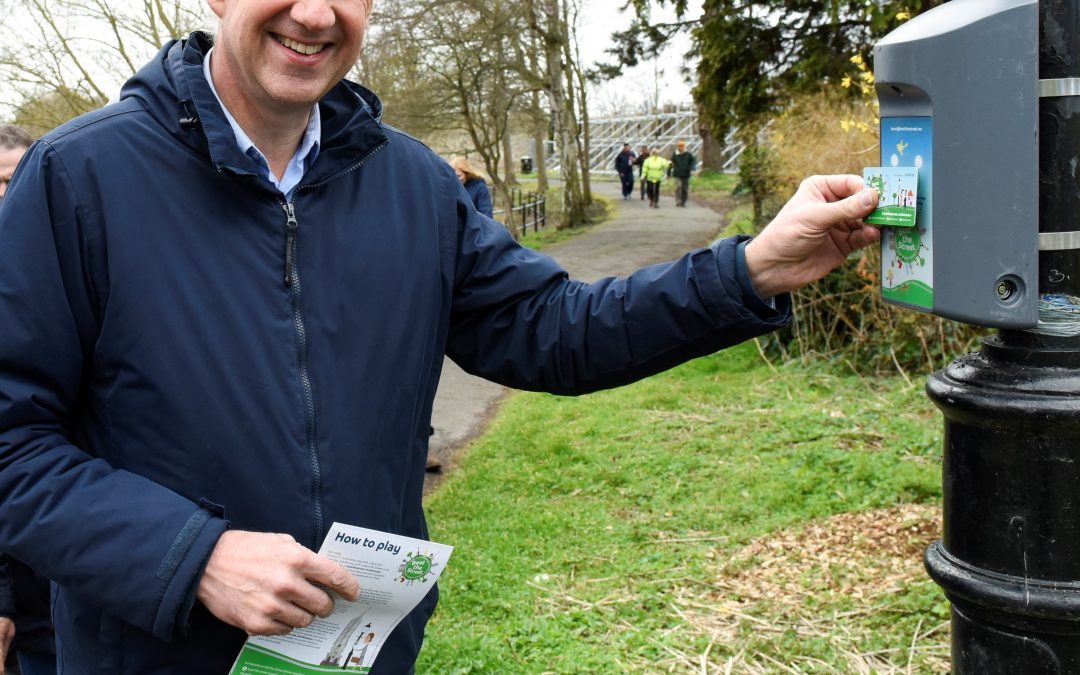
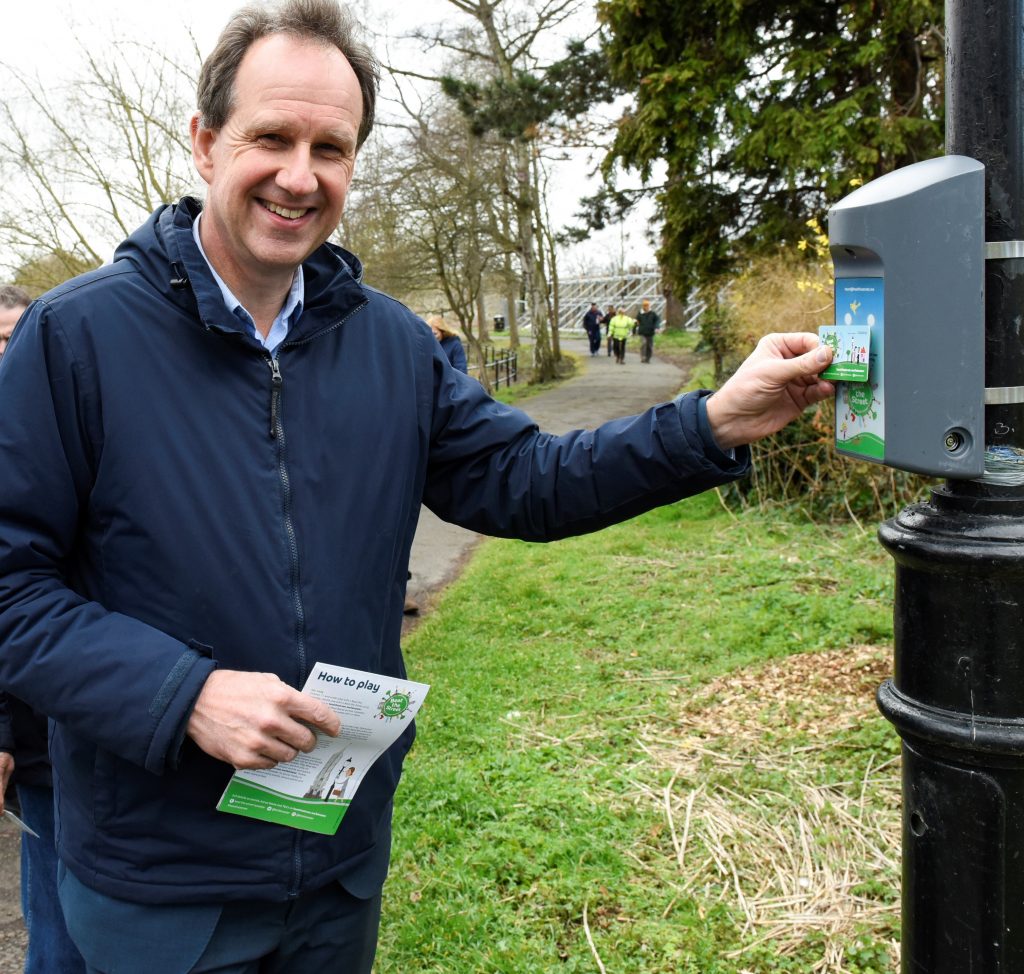
Beat the bug! GP, Dr William Bird is working on the frontline against Covid-19 at the Royal Berkshire Hospital in Reading. He’s also the founder of the well-known Beat the Street game and advises the UK government and WHO (World Health Organisation) on physical activity.
Now, the team is turning from Beat the Street to Beat the Bug. They’ve a new campaign aimed at encouraging people to stay active and well at this difficult time.
Dr Bird has recorded the video you see below. n it he urges you to stay as fit and active as possible, to strengthen your immune system, thus reducing pressure on the NHS.
Says Dr Bird: ‘My team and I are asking you to do one thing to help yourselves, help Britain and to protect the NHS. And that is to ensure you and your family get up and get active at least twice a day.
Moving in short bursts is enough to boost your body’s production of Natural Killer Cells. These wonderful little cells work as your body’s natural defence system, killing viruses as they try to enter your body.
To be effective at their job they need you to wake them up on a regular basis with a burst of exercise. That’s why we recommend at least two activity sessions per day to beat the bug.
NB: There’s certainly every opportunity for walking and exploring Swindon as you go. Check out the West Swindon sculpture trail for a start. And have a root through the walks and cycle paths category on the blog.
Voices from all over the world come together to help people with Covid-19 and Lockdown
1st April 2020
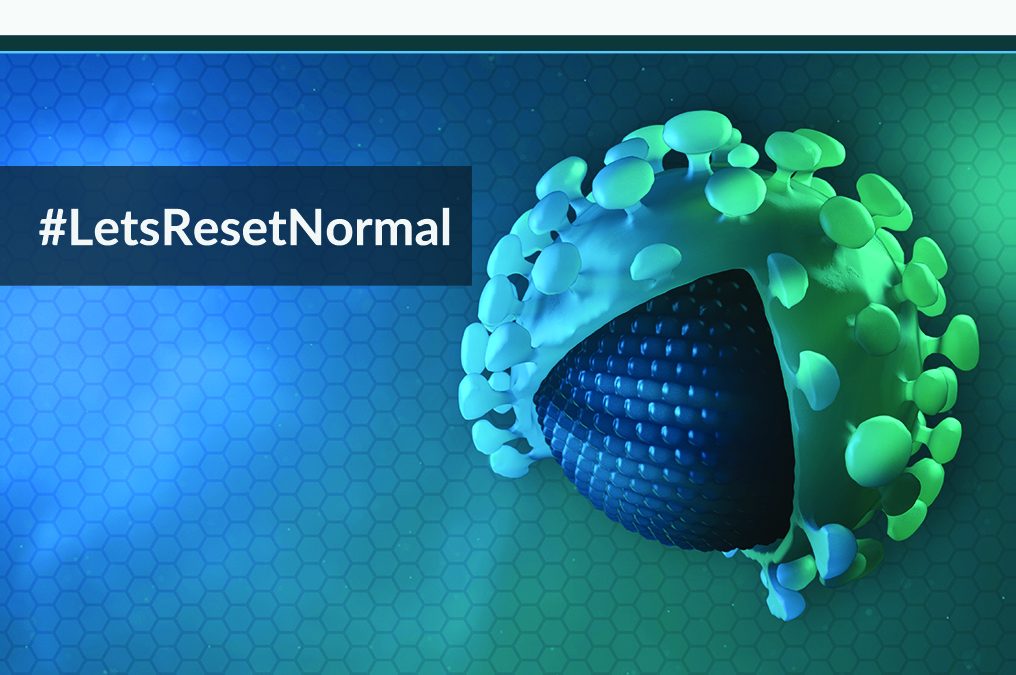
Global Voices unite amidst Covid-19, in the form of a group of people, who want to help each other, during the current Covid-19 pandemic. They’ve joined forces to write and produce a book. And all in the space of a week.
The book, Surviving the Coronavirus Lockdown and Social Isolation is available as an e-book. Any monies raised will go to a mental health charity. All the participants have given their time, knowledge and support free of charge.
This collaboration includes 65 contributors, all committed to helping people in lockdown. and experiencing social isolation. They come from:
China
Hungary
Italy,
Japan
Malaysia
Portugal
South Korea
Spain
Switzerland
Sweden
Thailand
and United Kingdom.
How the book is arranged
The articles in the book offer ideas, advice, tips, and experiences that readers can draw from. They’re arranged under the following headings:
Conquering social isolation
Mastering mind and body,
Understanding COVID-19
Community, learning and teaching,
Work and organisations
Personal stories and the future.
Contributors include the thoughts of children, teenagers, business owners, retired people. And also those with no convenient label but yet have something to say that can help others.
Using the hashtag #LetsResetNormal, the intent of this collaboration is: 1.To galvanise the positives and 2. Give people hope, direction and inspiration as we move towards an uncertain future together.
Nobody knows what the new normal will look like. We hope this is a positive way of bringing these ideas together to influence politicians, business owners, and, most importantly, citizens that good can come from the situation we are in. If we work together.
This is a movement towards radical, positive change.
All have given their time for free. There is no commercial angle to this and the book will be widely available free of charge. And what also makes this project exceptional is its short production time. From conception to publication, the process has taken a mere ten days. That demonstrates the commitment of all involved, to help others.
Richard Wintle, known to many Swindonians as the man photographing Swindon’s history through the decades, has been busy! As you’d expect for a press photographer, Richard has a VAST archive of photographs. And he’s put some of them into a book: A Picture Is Only the Start of The Story.
NB: Not only Swindon of course. Richard’s work took him far and wide.
Surrounded by my archive of about four million film-based and digital images, gathered over more than four decades of press photography in Swindon, I’ve discovered connections that run through the archive that weren’t obvious at the time.
In the book I reveal the connection between the Magic Roundabout and the Seekers pop group. And the connection between a Eurovision Song Contest entrant and a flight over the North Atlantic. I show how a work experience boy saw history made, as well as the story behind finding an unknown Swindon pop idol.
Then you’ll see how come there were twelve winners of a Miss Thamesdown competition.
During the book’s meander I explain too, the pictures we took that were published at the time but can’t be published now.
A Picture Is Only the Start of The Story takes you on a voyage. A voyage of picture stories covered by Calyx Picture Agency. The journey traveres the decades, linking the protests, as the Railway Works closed, to Honda announcing it closure.
Richard Wintle: Photographing Swindon’s History, meanders through a series of interesting links as it wanders the modern-day Swindon story. As it goes it visits many events and places. At the same time it explains some of the technological changes to the industry during and the back stories associated with the agency.
“Richard’s life as a press photographer gave him with an excellent vantage point to document major local events.Drawing on his vast archive of images, Richard has created a truly unique book, capturing local life in a way unlike any other publication “The Local Studies team, Swindon Libraries
How to get hold of the book
The Covid-19 pandemic has rather put paid to a physical book launch. But fret not!! For you can still get a signed copy of the book through the Calyx website by following this link here.
NB: At the time of writing Richard has only about 20 copies available.
Contact: richard@calyxpix.com
£1 from every sale goes to Neuroendocrine Cancer UK. The book will be available through local outlets when COVID-19 passes and life as we have known it returns to something like normal.