MND takes many forms, all of it cruel. Molly’s grandpa, David Ellis, received an MND diagnosis in March 2020, just as we entered the first Covid-19 lockdown. Thus Molly and her siblings, like millions more around the country, were prevented from precious time with their much-loved grandpa. He died around a year after his diagnosis.
Of particular tragedy for David, Molly’s storytelling and magic performing grandpa, was that the disease showed itself first of all in his throat. Thus he lost his voice not long after his diagnosis and could no longer tell his stories. So Molly resolved to pick up the baton for her grandpa and write a story involving his imaginary creation, Mr Pippety Poppety.
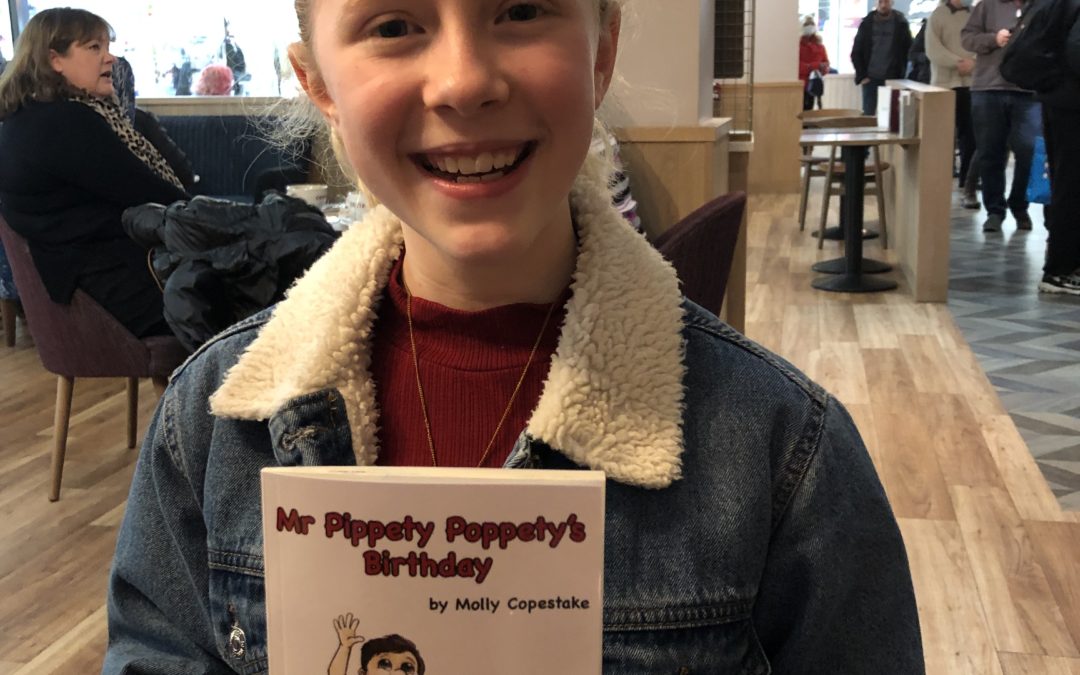
Molly Copestake and her book about Mr Pippety Poppety
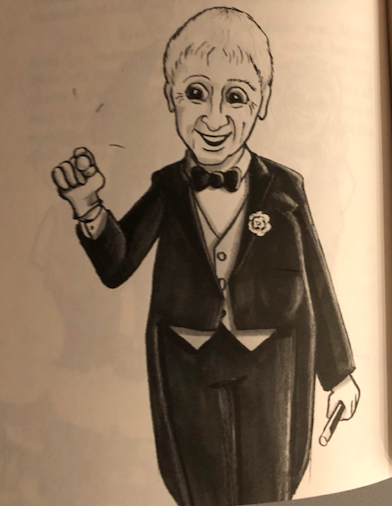
Mr Pippety Poppety
When Molly was small, her retired headteacher grandpa, made up stories for her about a tiny man, called Mr Pippety Poppety, who lived in the woods. Says Molly: ‘Every time we went out for a walk he would take him out of this pocket and make up stories about his adventures.’
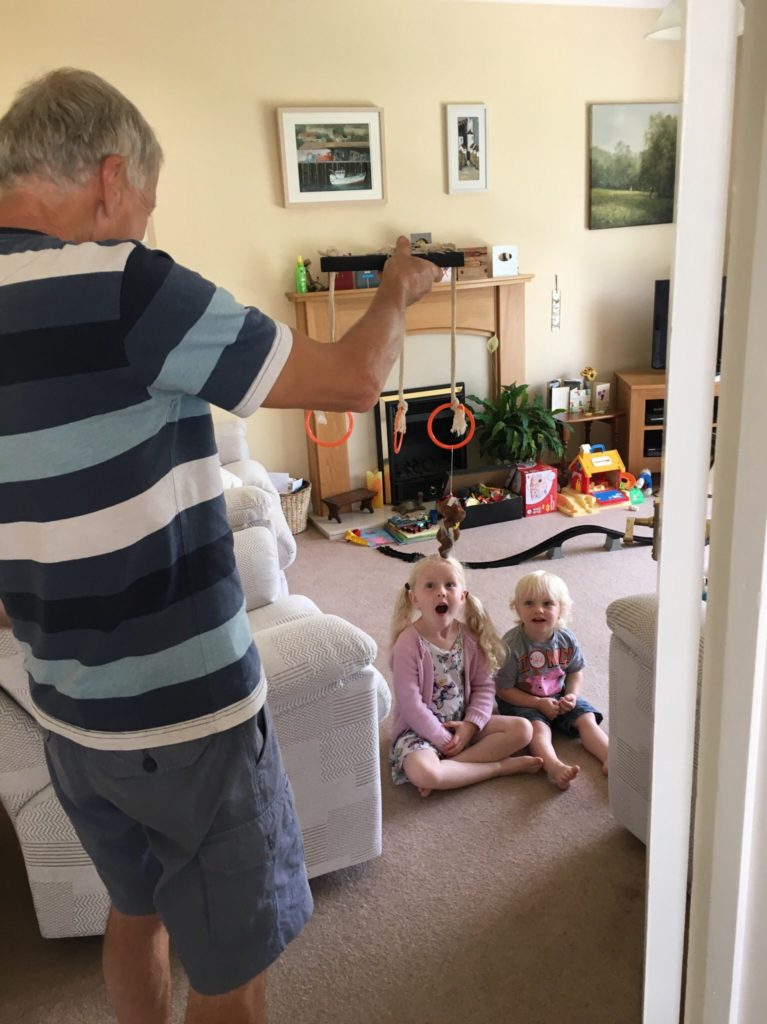
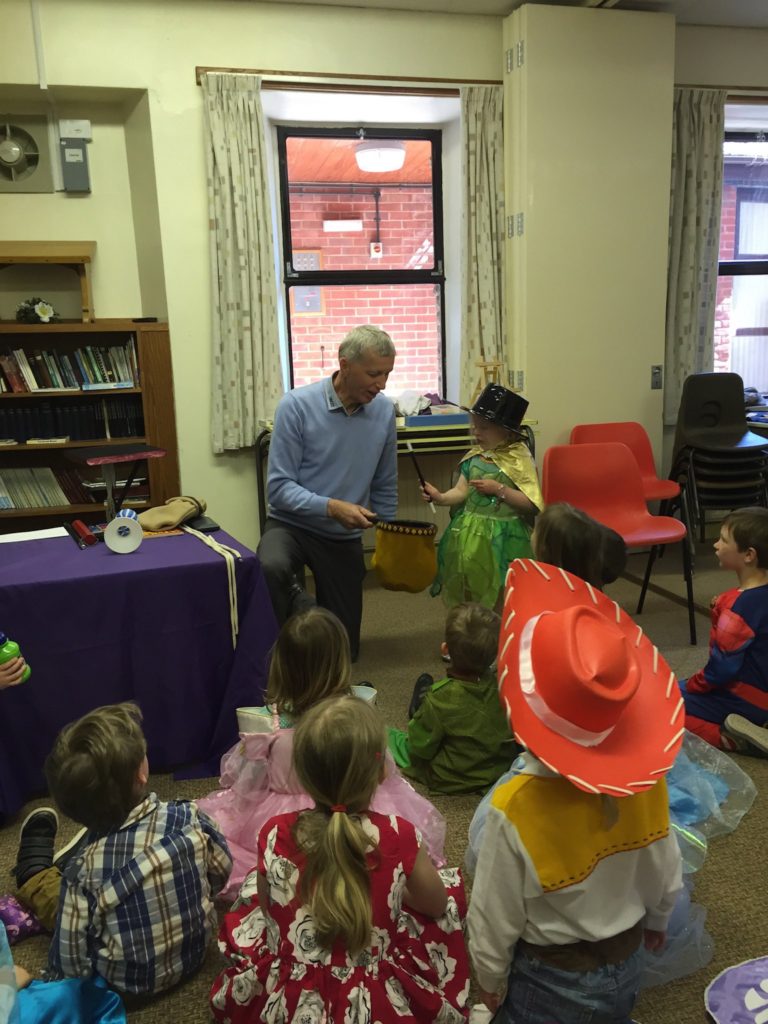
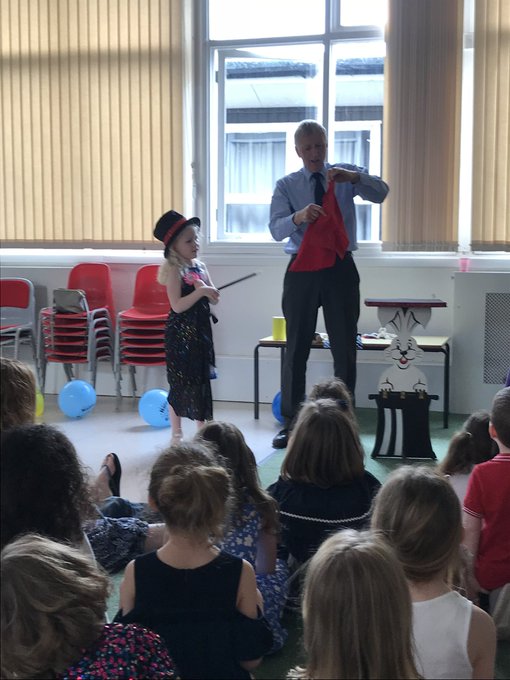
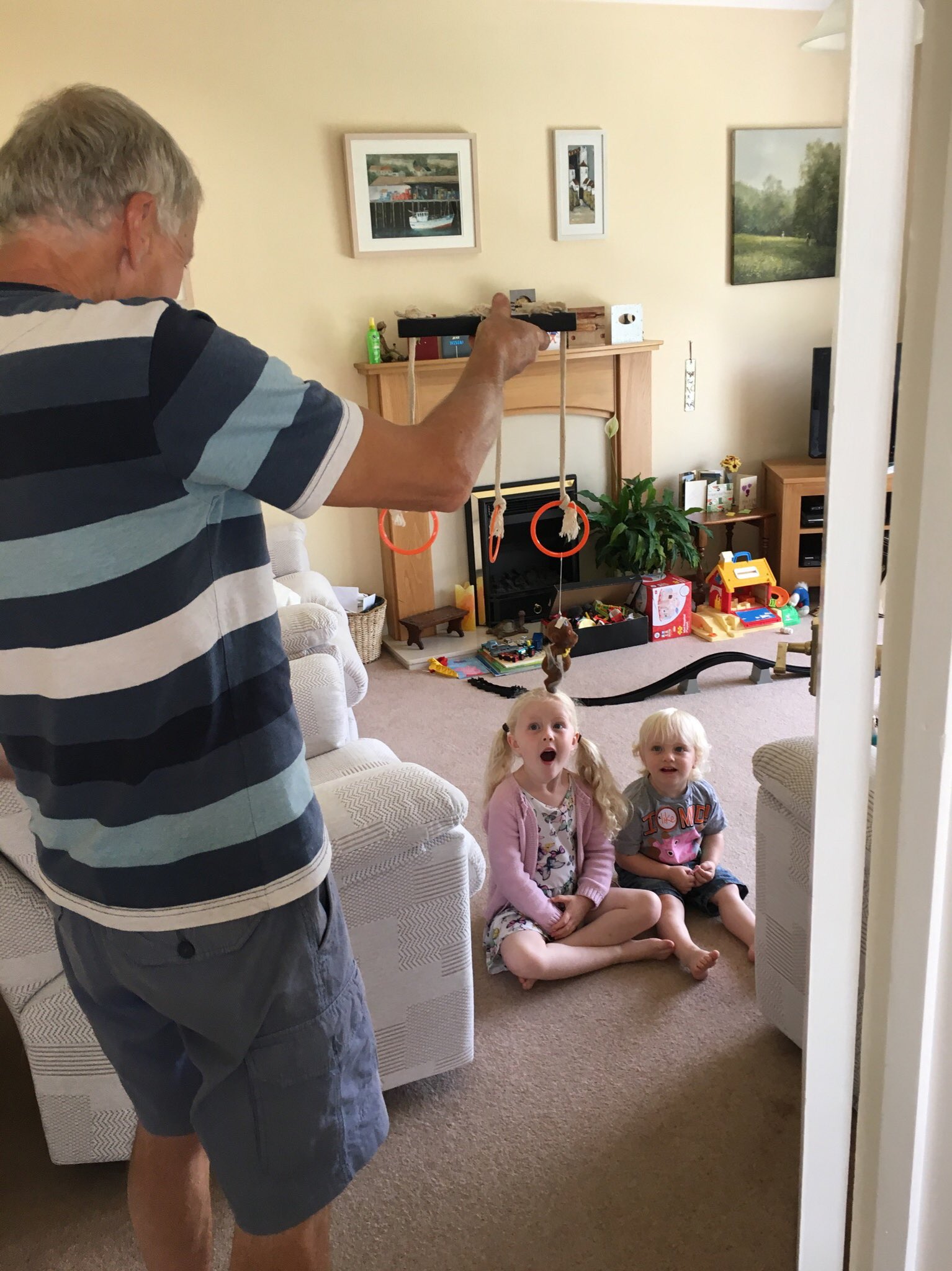
Molly’s mum, Jen, told me how he’d work into his stories elements of their day to bring them to life. He also would weave his magic tricks into them.
A note from Magic Grandpa
In the back of Molly’s book, there are some words from Magic Grandpa himself. He explains how, as a primary school headteacher, he would produce Mr Pippety Poppety from his pocket. He’d then show him around a circle of children. And never once did any child not ‘see’ Mr Pippety Poppety.
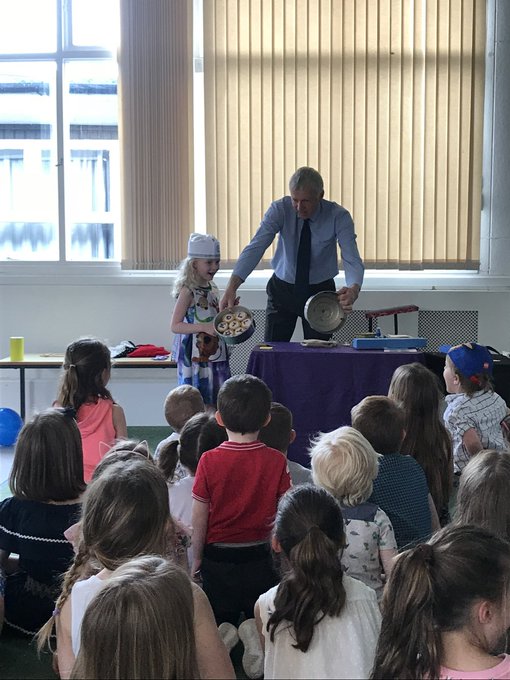
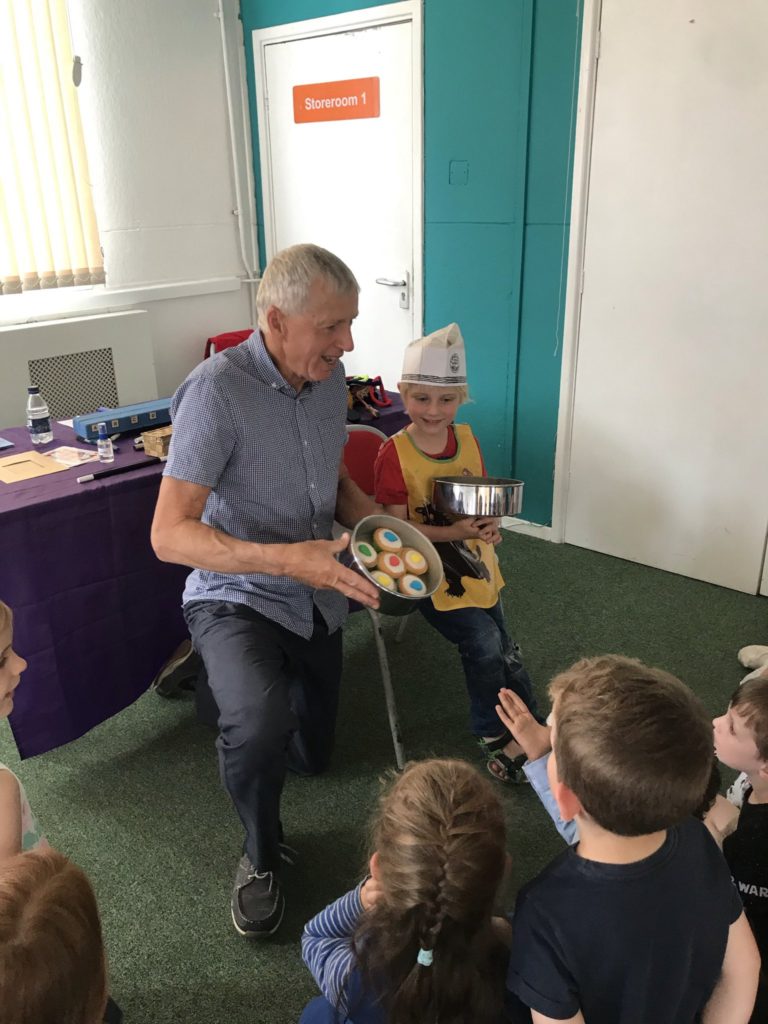
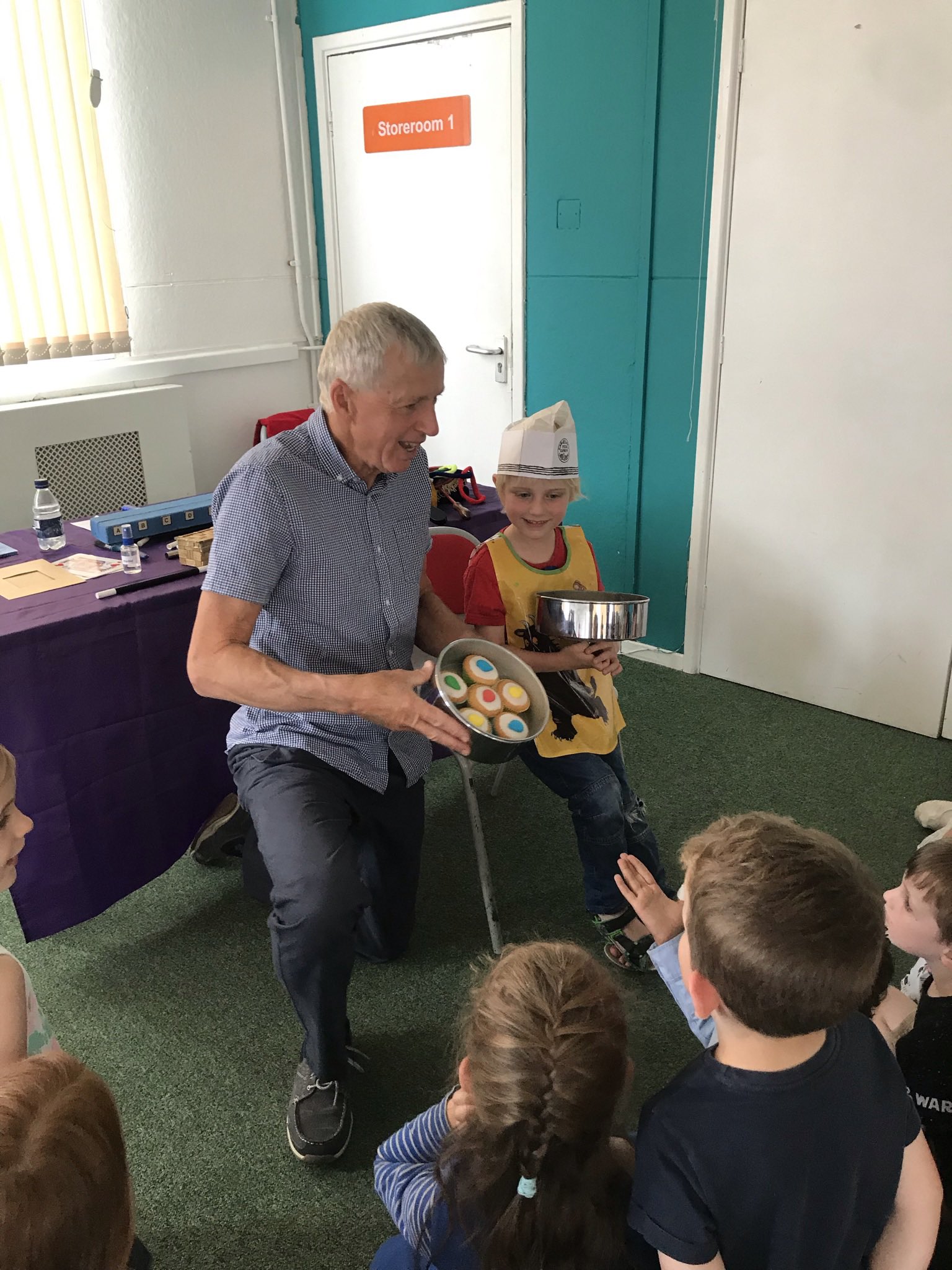
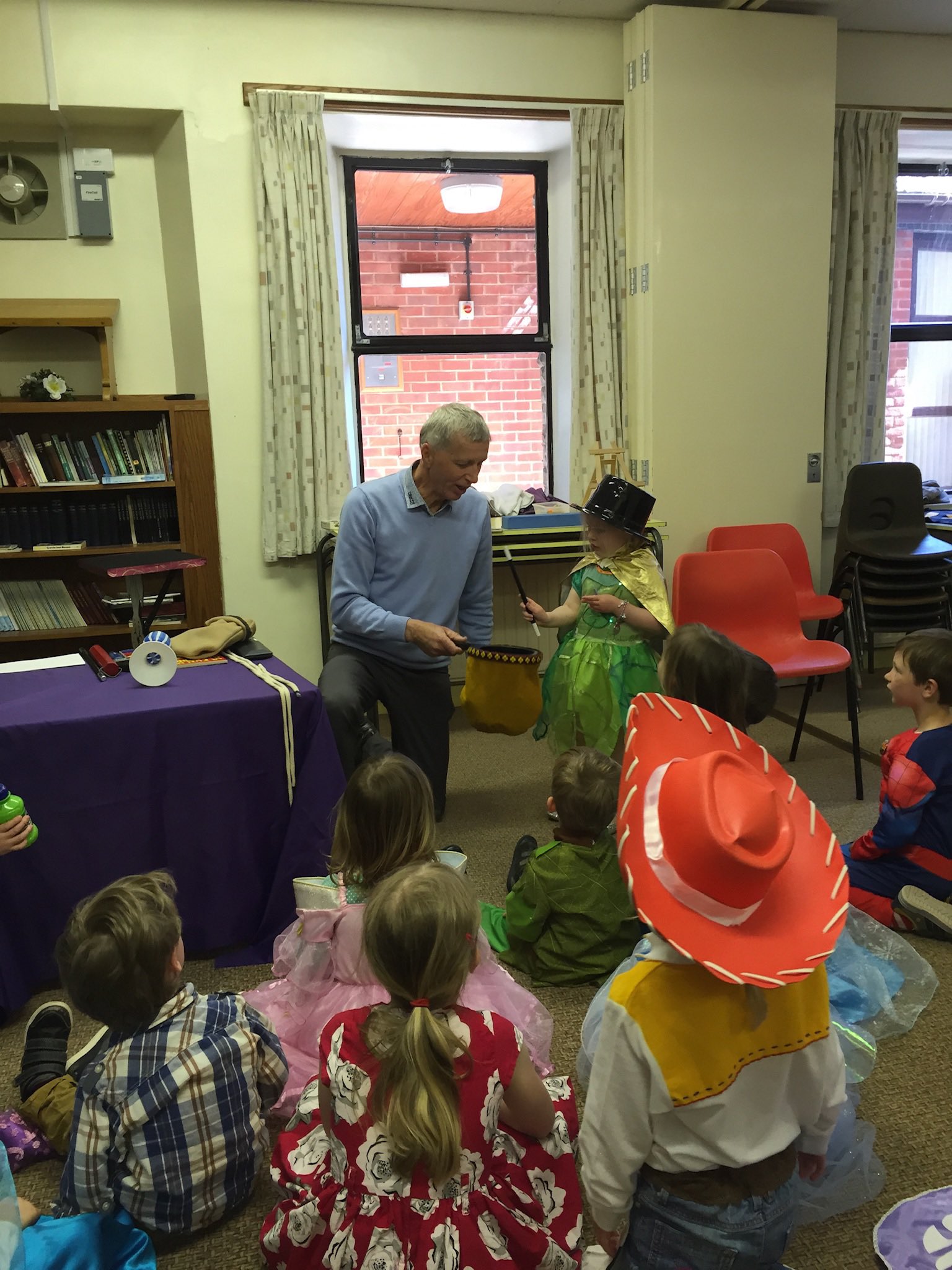
He also explains how, for a hobby, he was a children’s magician. He goes on to describe how he performed the cake trick that Molly features in her story, at one of her birthday parties.
Magic grandpa doing the cake trick that Molly features in her book
Magic Grandpa doing the cake trick at Oscar’s party
Swindon schoolgirl writes story for charity – illustration of Magic Grandpa from Molly’s book – you can see the resemblance I think!
David wrote how proud he felt of Molly – and quite right too! She’s a remarkable young lady. You’ll not be surprised to know that her favourite topic at school is English and that she has ambitions to write.
What the family did
Having promised her grandpa that she’d continue his story telling, Molly sat down and wrote her Mr Pippety Poppety story. Knowing they had little time the family got the story illustrated and published on Amazon, resolving to complete the project for his birthday – that turned out to be two days before he died. But he did manage to see it in electronic form before that.
How you can help
Well in the first instance by buying a copy of Mr Poppety’s Birthday on Amazon here. Thus far the family have raised £50 for MND – that’s brilliant. And with your help they can add to that total.
The other thing you can do is share this blog post and spread the word. That would be just fab!
What next?
I asked Molly and her mum if they had plans to do any more books. They’d like to but of course it’s a big cost to them – in particular getting it illustrated. So if there are any children’s’ book illustrators out there, prepared to help them pro bono get in touch! Though they won’t be doing it again just yet awhile! 🙂
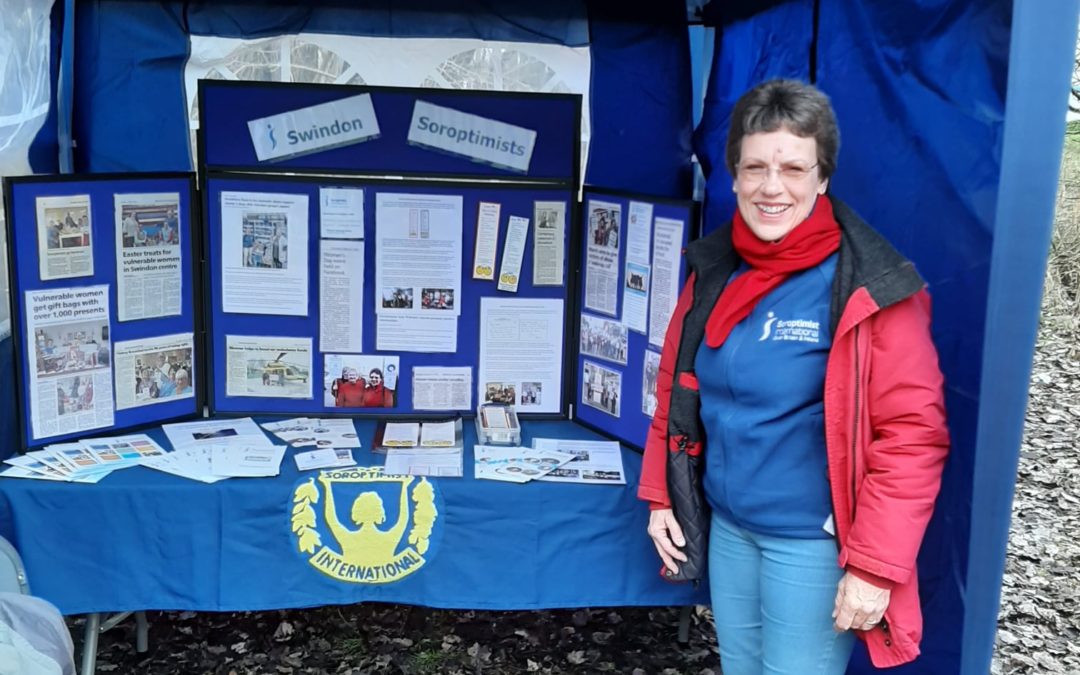
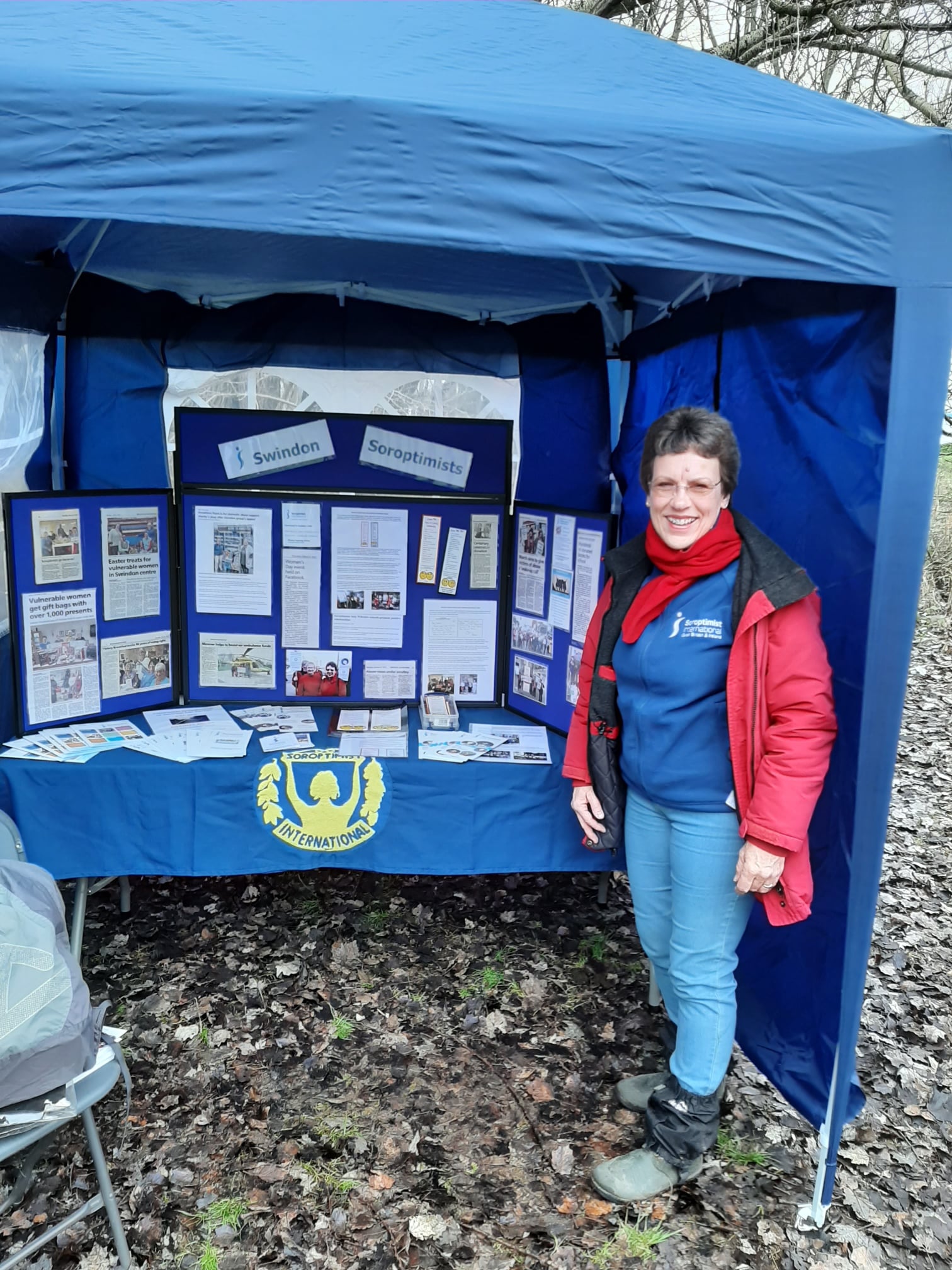
Swindon Soroptimists Plant Trees Swindon’s Soroptimists have been busy planting trees in West Swindon and I’ll come on to that below. But first of all though I want to have a look at the word Soroptomist. The word comes from the Latin soror, meaning sister and optima meaning best. Ergo, a reasonable interpretation of it is best for women.
In 1921, in Alameda County in Californian, the first Soroptimist club formed. Comprising over eighty businesses and professional women from around the city of Oakland, Violet Richardson served as the first club president.
Yet, for a female dominated organisation, it’s somewhat surprising to find that a man figures in its origin story. Stuart Morrow helped the first clubs get off the ground.
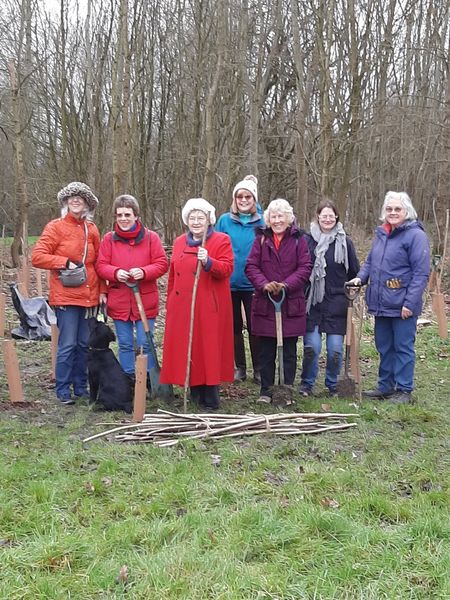
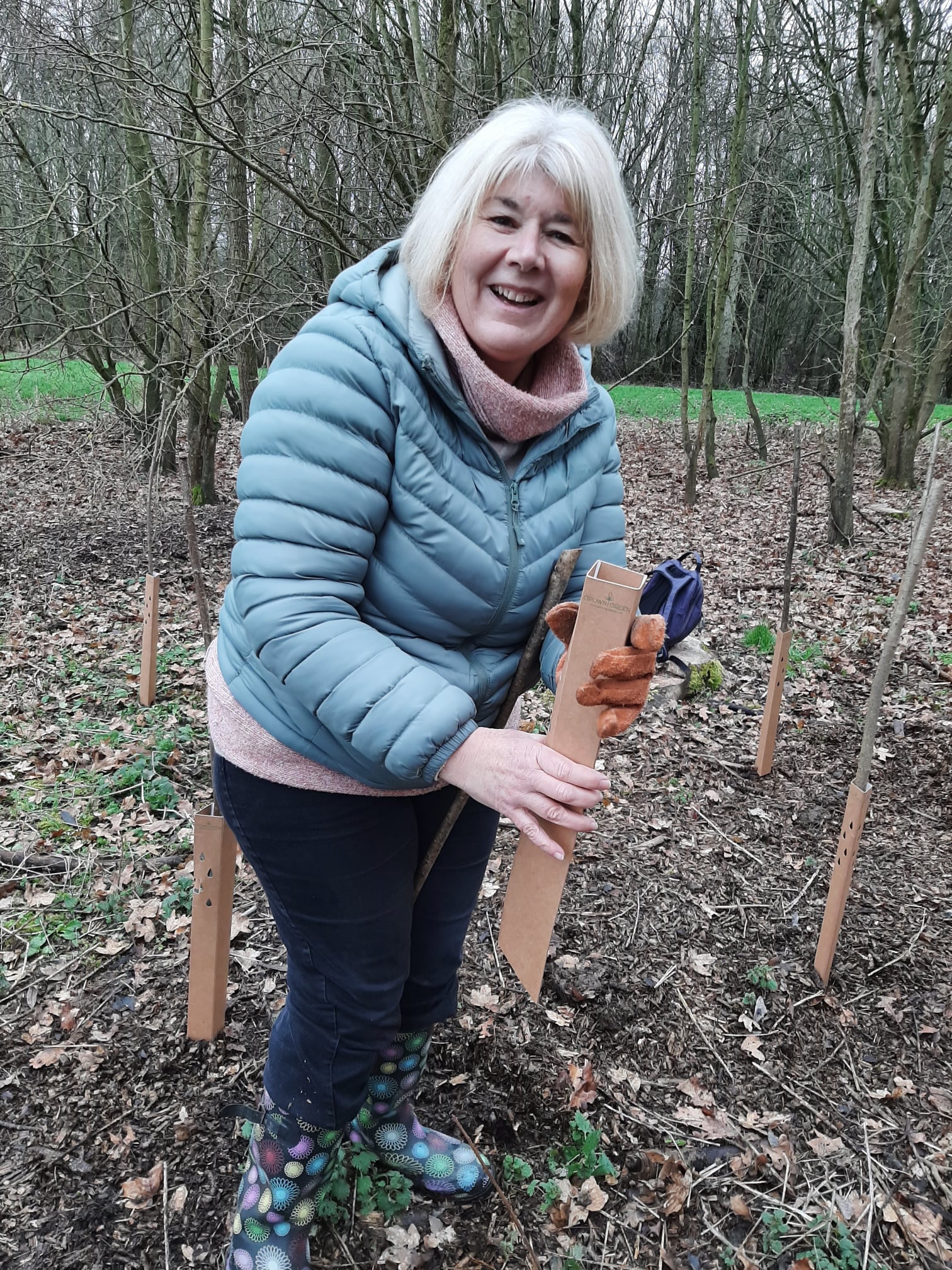
Working in partnership with the Wiltshire Wildlife Trust, the ladies of the Swindon Soroptimists planted 100 trees to celebrate 100 years of the Soroptimist movement. They planted the trees at Rivermead in West Swindon. This local tree-planting effort was part of a worldwide initiative involving clubs from Aberdeen to Sri Lanka to Jamaica. And what Ja-maica that?! To date they’ve planted 71,870 trees across the globe with more plantings in the planning.
You can find out more about what they got up with their spades in this piece in the Swindon Advertiser, that tells how they’ve created a wild cherry grove for Swindon.
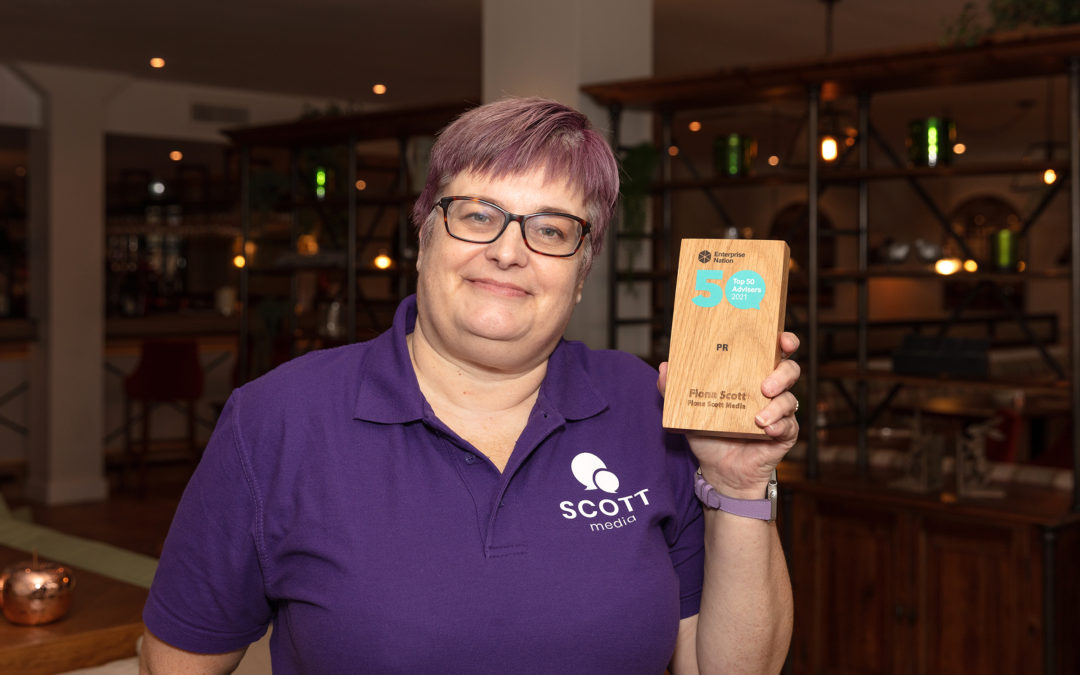
Fiona, who is 55 and lives in Rushey Platt, Swindon, gained enough votes to place here among the top fifty PR advisors in the UK. Then it was recently announced that she has claimed that top spot. (December 2021)
‘I’m stunned to receive the award and I still can’t quite believe it,’ she said. “I’ve approached PR with the mindset of a journalist. I’ve run my own consultancy for the last 14 years based on taking the lead from valid stories, and working alongside other journalists.
The way Fiona works
At the outset, I separated myself from the smoke and mirrors that can exist in the world of PR and marketing. I then took a practical approach with small business owners. To get recognition for that and, coming out of this very difficult period for small business, is deeply humbling.’
Fiona Scott with her award – Swindon Journalist Gets PR Award
Her win comes mere weeks after she also launched her new PR Not BS podcast. The output features advice and tips to:
Business owners
Charities and social enterprises
Company directors
Public service organisations and other PR professionals
Several journalists have already taken part in podcast episodes and to date there’s been over 600 downloads.
Fiona has worked with many small businesses over the years. They include:
Further, she has provided training support and guidance for 100s of start-up and small business owners and is a consultant for OxLEP.
In the 1990s Fiona worked at the Swindon Advertiser as a reporter, ending up as business editor. She then went on to work in television for 13 years at ITV West.
International Pop Art at Swindon Hub A unique art exhibition has opened this week at Swindon Hub, the town centre’s new community space. Part of an ongoing programme of events and exhibitions themed around health, wellbeing and creativity, Dedications to Pei is a new show of pop art collaborations from around the world.
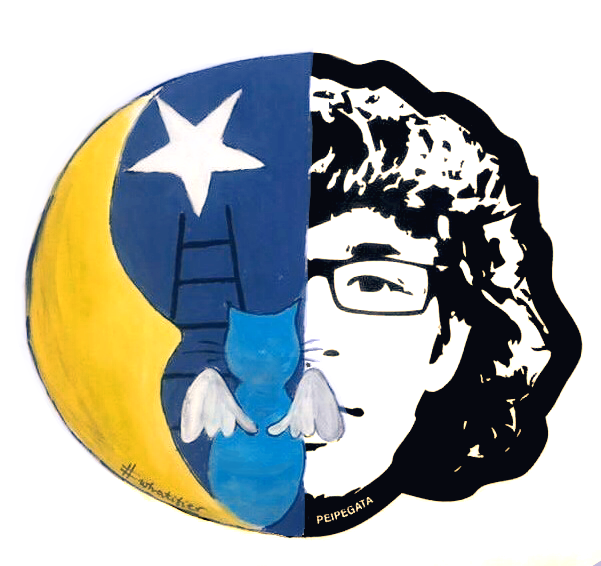
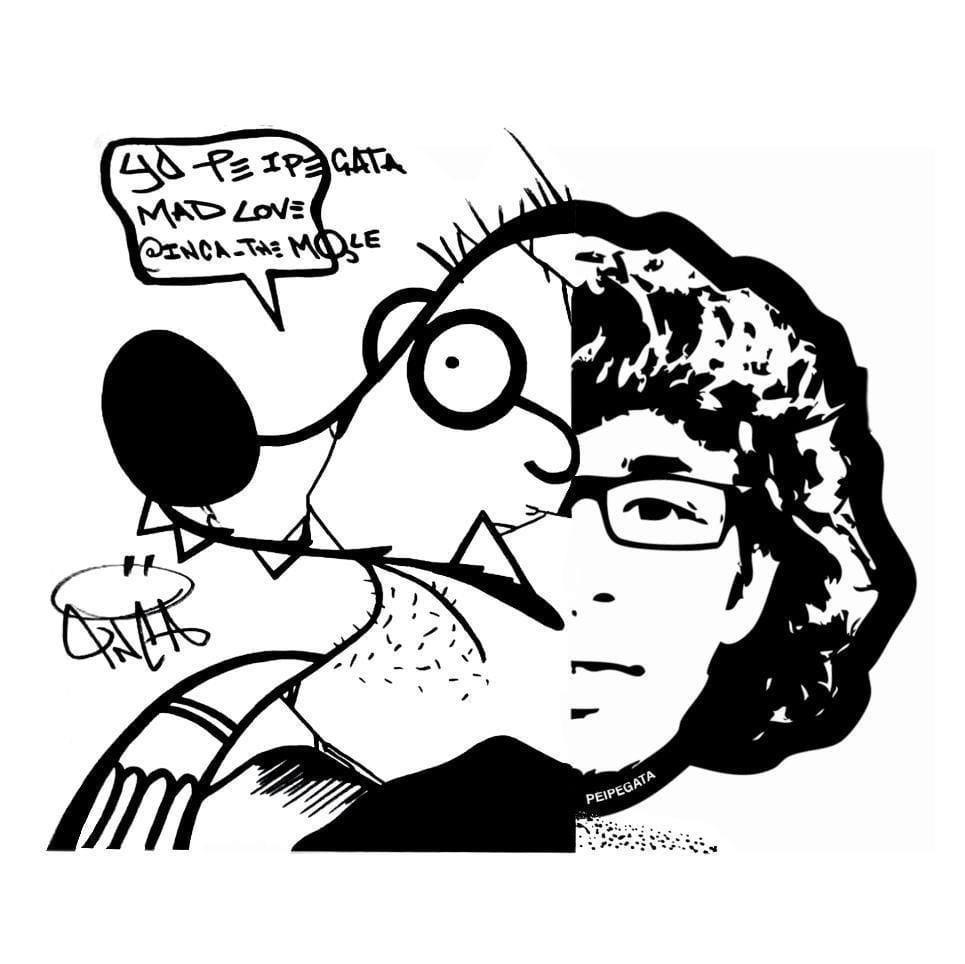
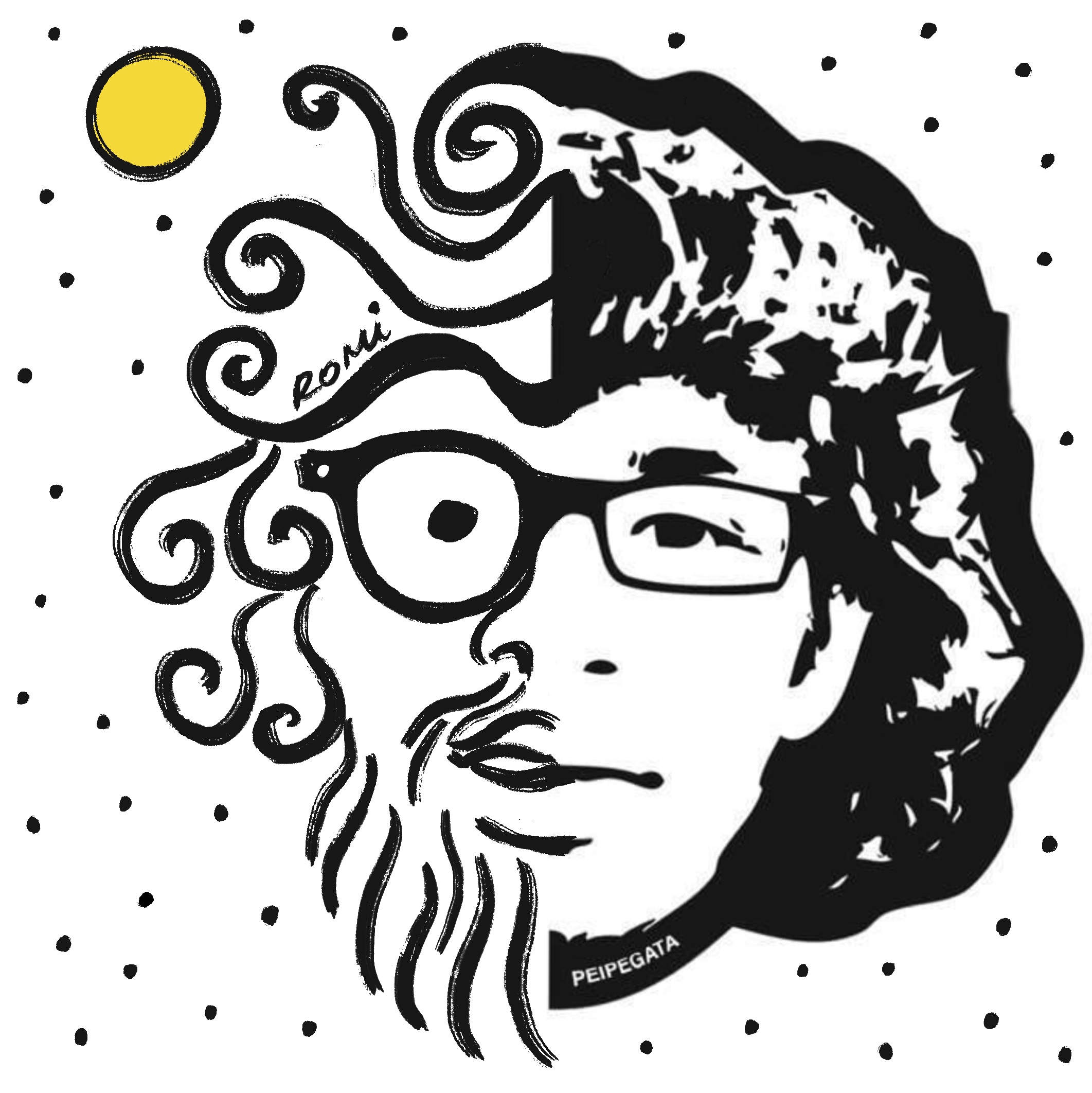
The artworks have taken inspiration from Italian artist, architect and photographer Pei Pegata. His near-death accident left him lying in a coma. His friends and artistic collaborators reacted to his absence by combining Pei’s own self-portrait with something unique from each collaborator.
The project has grown to over a hundred images, as artists from all over the world have got involved. The exhibition in Swindon Hub is the first show bringing together a selection of these unique images. The show includes one created by Swindon street artist Keith Bull.
Exhibition organiser Josie Slade says that the show has helped bring people together, both in Swindon as well as connecting across borders. ‘Social media makes it so easy to connect. Artists from around the world have been getting in touch and sending us their images – and then shouting about the show in Swindon. It’s really put us on the map’ she said.
International Pop Art at Swindon Hub – exhibition organiser Josie Slade
Other participating artists
Three other artists are also featured in the current show. Swindonian Ashley Hunt creates art to help him ‘be in the moment’ and connect with what’s going on around him.
Warren Garland started his online art project during the lockdown. His drawings of trees in east London have accompanying text detailing his memories, the local history and observations he made whilst drawing.
And last but not least is Iqbal – a refugee and survivor of torture from Sri Lanka. Through art therapy and support from the charity Freedom from Torture, he rediscovered his love for painting. He now uses art as a way to heal from the trauma of tortue. The show features several of his pictures too.
All the artists share the belief that art benefits their mental health in many ways. ‘The act of drawing focuses the attention into the present. Further it gives the mind respite from worrying about the future or agonising over the past’ says Warren. ‘The project also gives me a purpose to go outdoors, explore and interact. Doing that can be difficult when I’m feeling depressed and isolated.’ he added.
Whatifier
Swindon-Collaboraton-Inca-the-Mole-meets-Pei
Ilustracion_sin_titulo
The Swindon Hub
Based in the former River Island building, Swindon Hub offers a welcoming café, retail stands for local crafters and a community art’s space. It also serves for meetings and events.
The Hub is open Tuesday to Saturday, 10am to 5pm – everyone is welcome to drop in and say hi.
Run and staffed completely by volunteers, the project aims to bring life to the town centre. And, at the same time, to support communities and people from across Swindon and to raise awareness of issues around climate and sustainability.
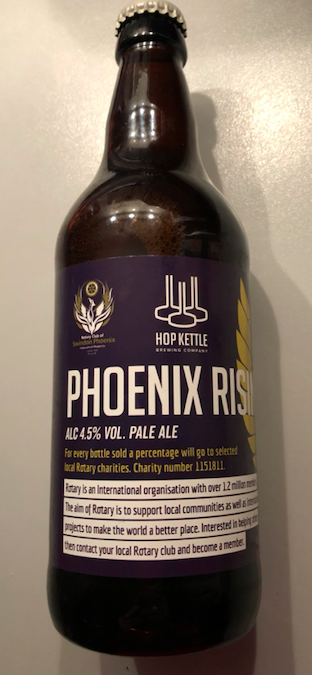
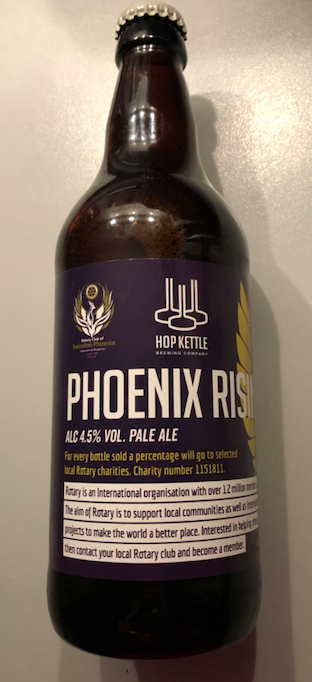
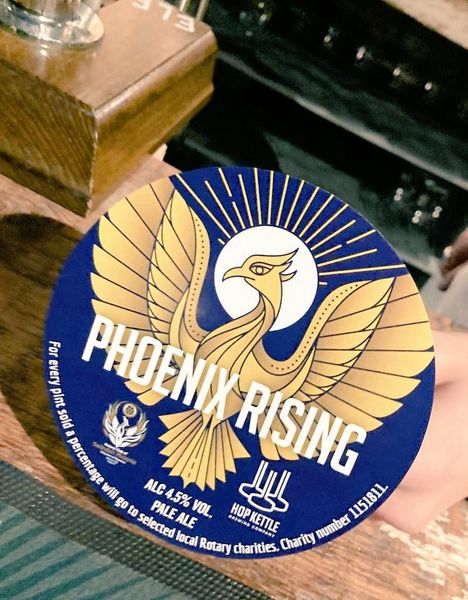
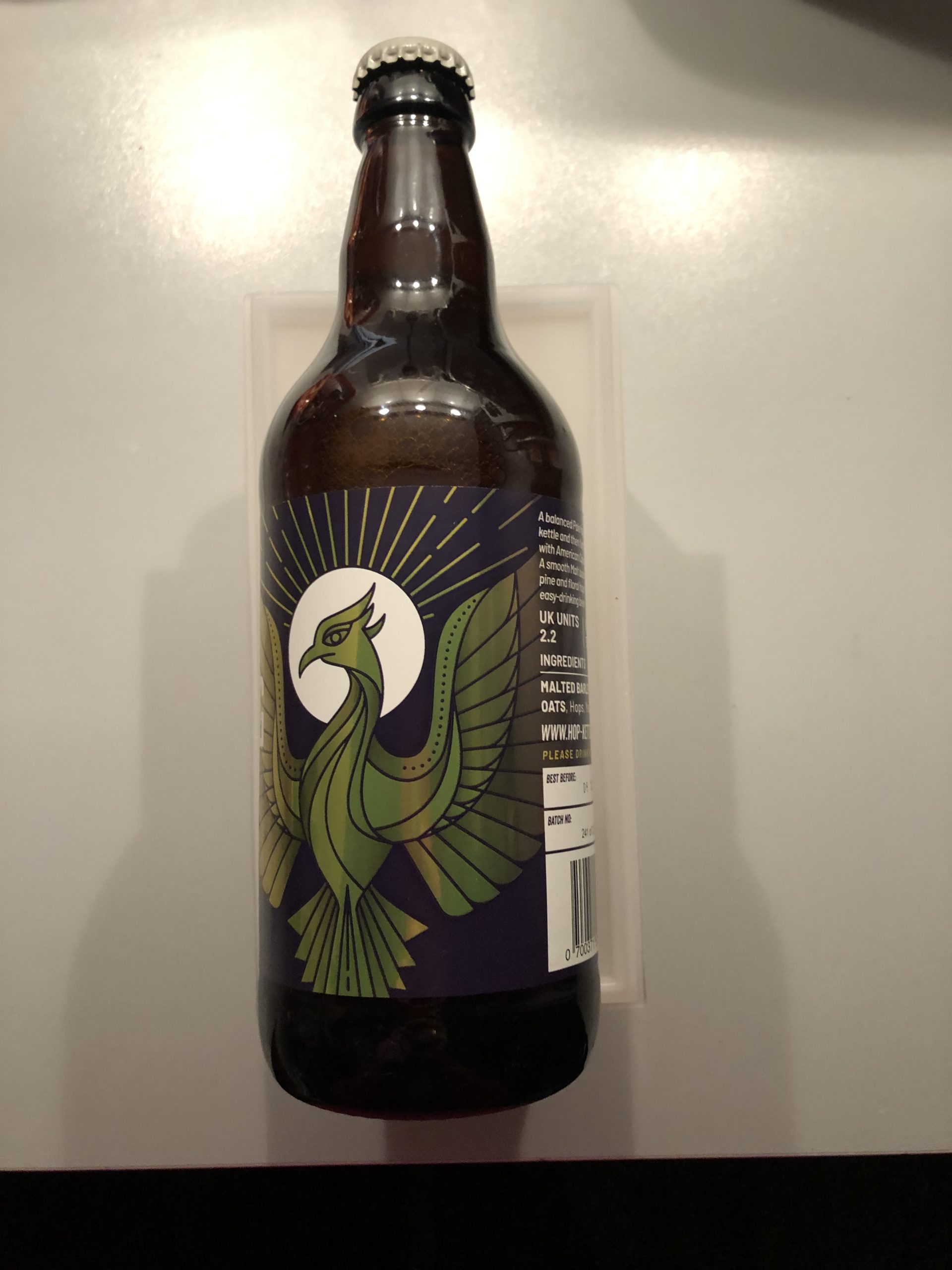
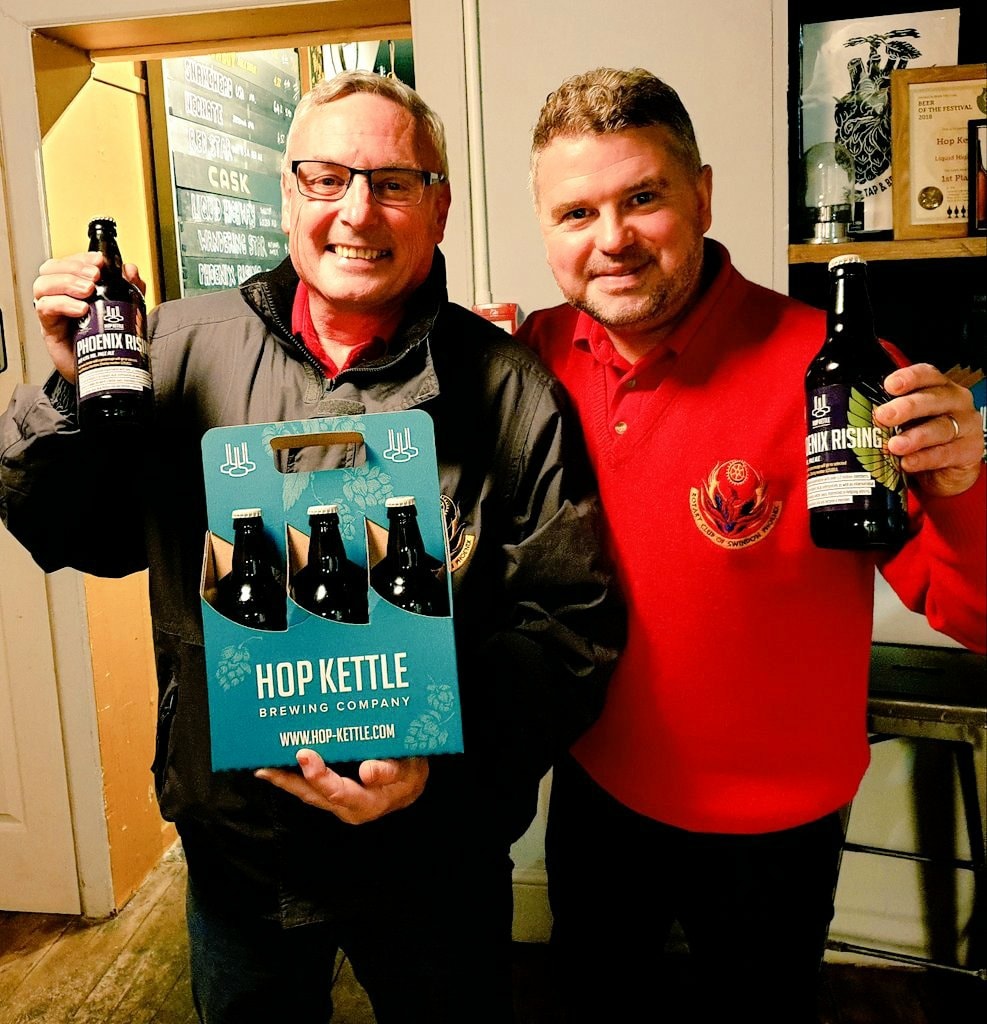
It’s inevitable that beer looms large in this Swindon in 50 Drinks series– and I’ve not even got to Arkell’s yet. But this post features a beer with a difference. Not because there’s something weird and wacky about the flavour – nothing like that. Rather that every time you drink this Phoenix Rising pale ale you support Swindon charity. And if that’s not an incentive to have one over the eight I don’t what is! 😉 Though I’m sure that the Phoenix Rotary wouldn’t encourage such louche behaviour and rather encourage responsible drinking!
As thisarticle in the Swindon Advertiser points out: ‘For every sale of Phoenix Rising, a percentage will go back to the Phoenix rotary club’s charity account and benefit good causes around the town.’
You’ll find this rather delicious pale ale sold in cask, bottles and mini kegs.
Getting it brewed
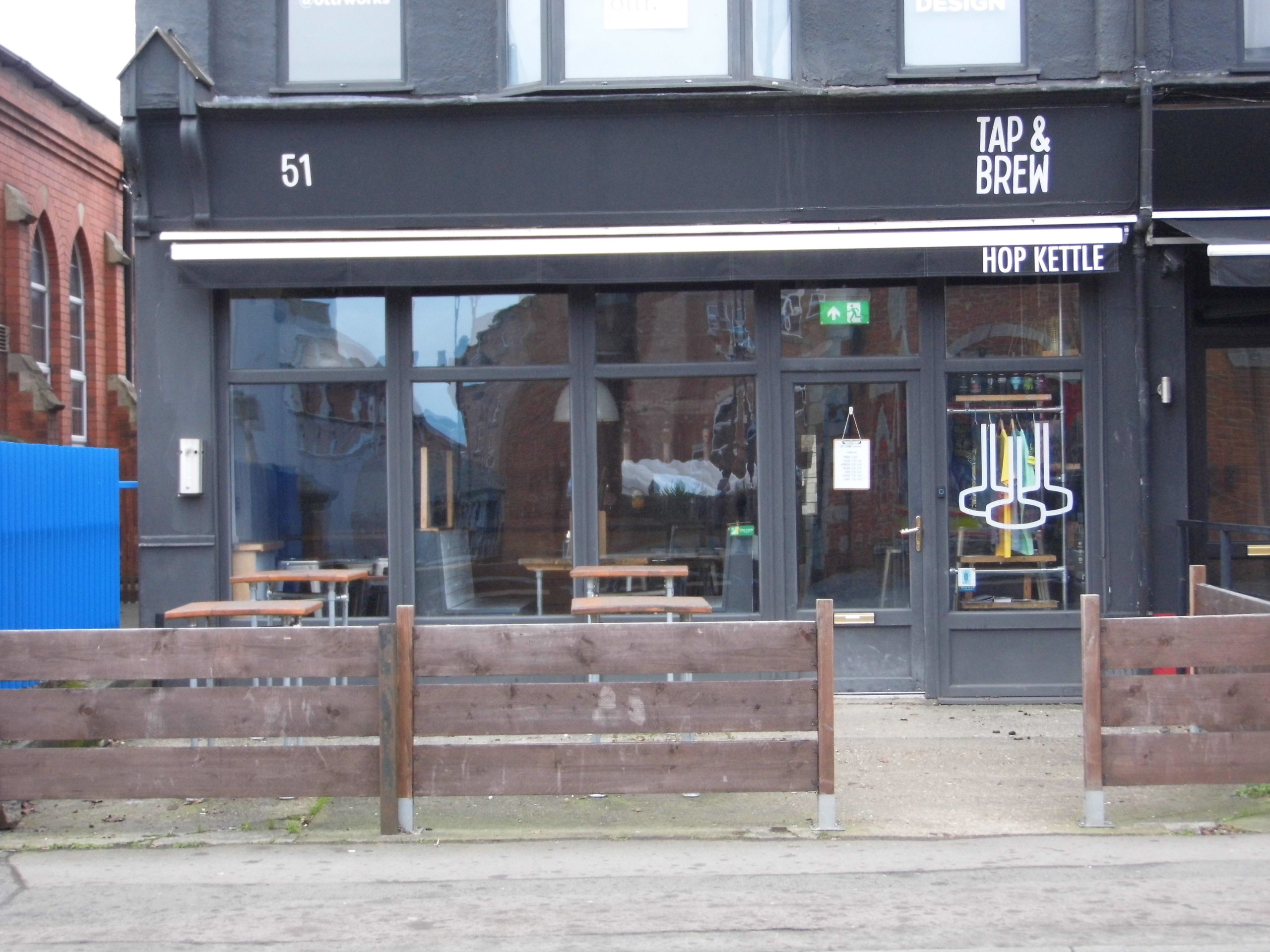
The project happened in no small part thanks to the efforts of Hop Kettle founder Tom Gee. He not only supported the project but invested his time, energy and his finances to make it happen.
Phoenix Rotary Club president Adam Wainwright had the idea for a Rotary beer during the Covid-19 pandemic lockdown. Thinking ahead to his year as president he asked himself some searching questions. Questions such as: ‘Could we make our own beer a reality?’, ‘Could we join forces with a local brewery to brew a special ale? And, what’s more, could a percentage of sales come back to support local charities and good causes?’ I talked with my fellow Rotarians and we agreed it was an idea worth pursuing.
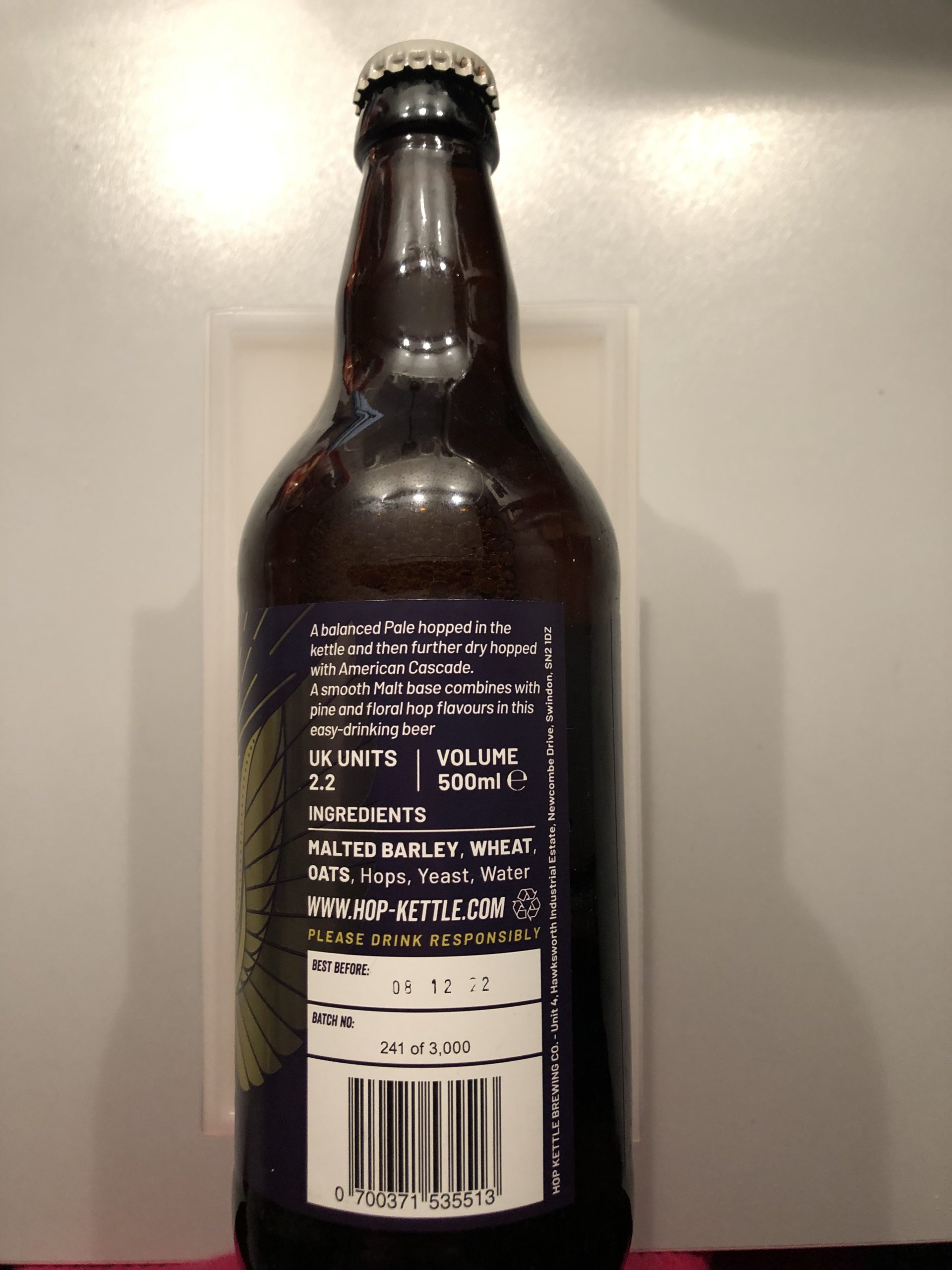
The bottle says
‘A balanced pale hopped in the kettle and then further dry hopped with American Cascade. A smooth malt base combines with pine and floral hop flavours in this easy-drinking beer.’
I say: ‘It’s most agreeable. Buy it!’
In red – Adam Wainwright of Swindon’s Phoenix Rotary Clubholding bottles of Phoenix Rising Pale Ale