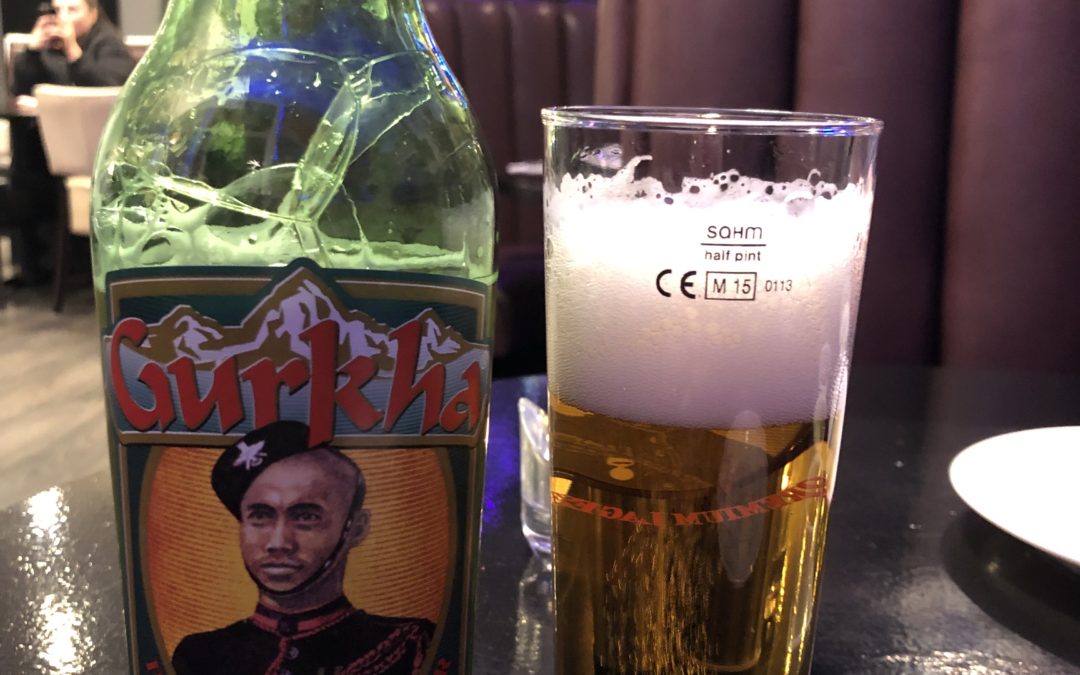
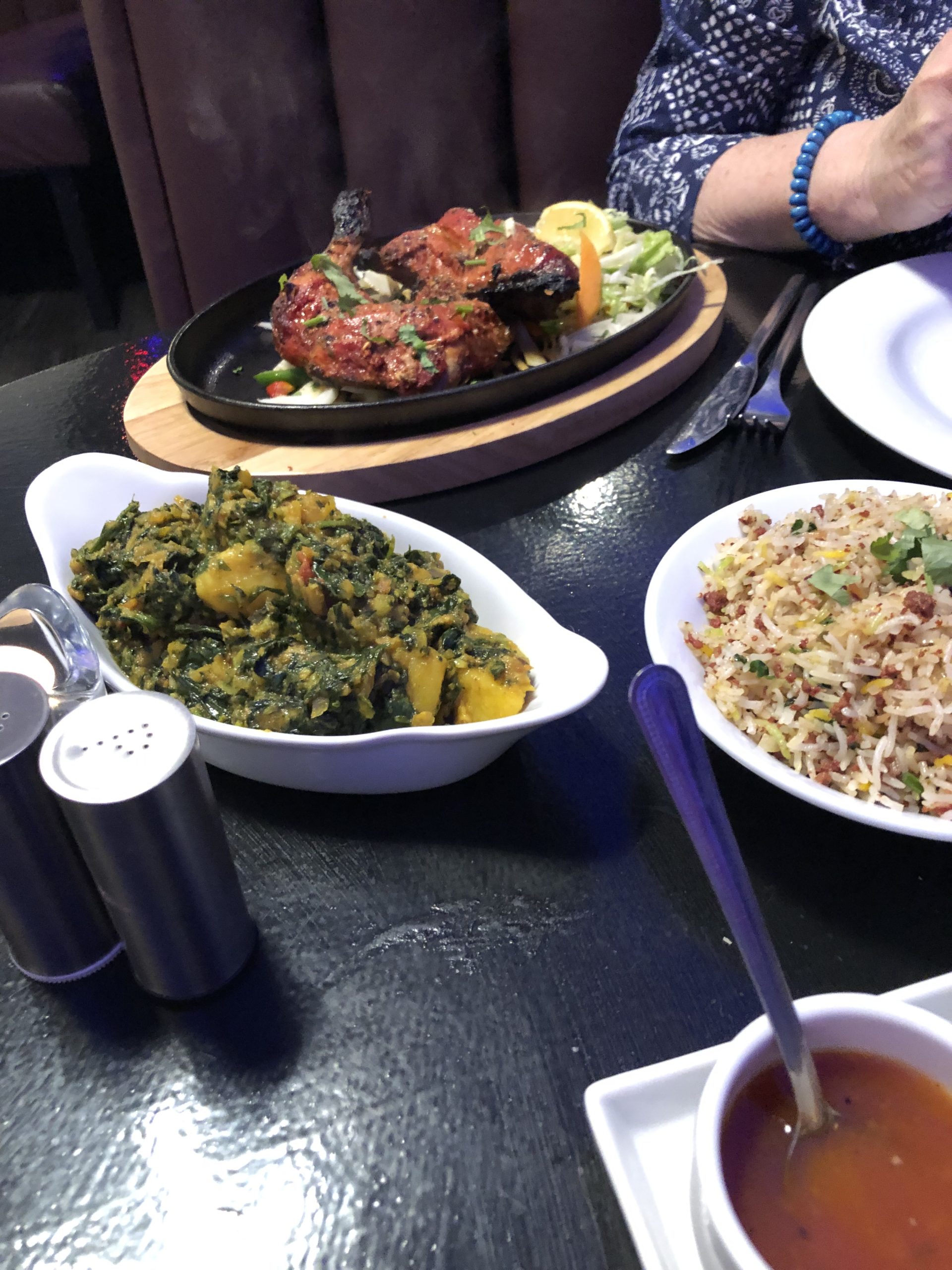
The place where I enjoyed this delicious beer was the Gurkha Swindon restaurant (upstairs, above Imperial Express – opposite the Khyber) – find them on Facebook here:https://www.facebook.com/gurkha.swindon.5
The food was delicious by the way and if you’ve not been – do go. But this post is about the beer so on to that! They serve a mix of Nepalese and Indian food.
About the beer
The Gurkha beer website tell us that the drink is a premium lager beer with a taste that is crisp, refreshing and clean. Its flavours and aromas are locked in via a cold suspension brewing and triple filtration process.
Gurkha Nepalese beer uses only barley, oats, yeast and water so is vegan friendly.
Facts and figures – should you want them
Gurkha beer has:
ABV 4.8%
Fat -0 grm
Sugars 0 grm
Calories 45
Carbohydrates 3.0 grm
The Brewery
In the first instance, Gurkha beer was brewed in Nepal to give it the best authentic beer taste. But complex logistical and infrastructure factors led to brewing shifting to the UK – to West Sussex. There, the brewery sources local, organic barley from the Goodwood estate and award-winning hops Bodiam in East Sussex.
All of which is great for the food miles of course. Indeed the beer’s environmental credentials are pretty impressive:
‘Solar panels provide electricity, dispersing excess to the National Grid. Reed beds recondition waste water and feed it back into the river Arun, with the approval of the Environment Agency. Waste with higher protein levels are purified by anaerobic digester, producing new energy. Water with a high yeast level, we take off site for use as a soil conditioner.’
The brewery is an award-winning brewer of contemporary beers, having been acclaimed supreme champion in 2012. There’s a whole heap moreinfo on their website so do have a read.
I’m late to the Sarah Harris party with this Murals by Sarah blog. I’ve had a difficult winter with my health and it kinda got in the way. Anyway – here we are. And here’s Sarah’s website: https://www.muralsbysarah.co.uk
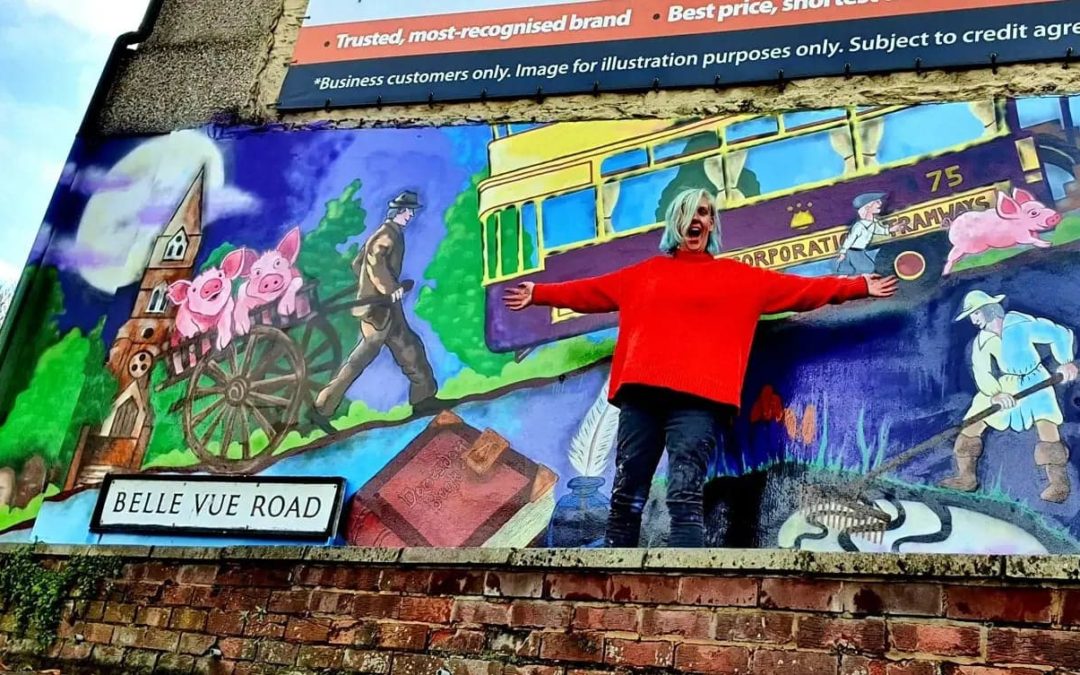
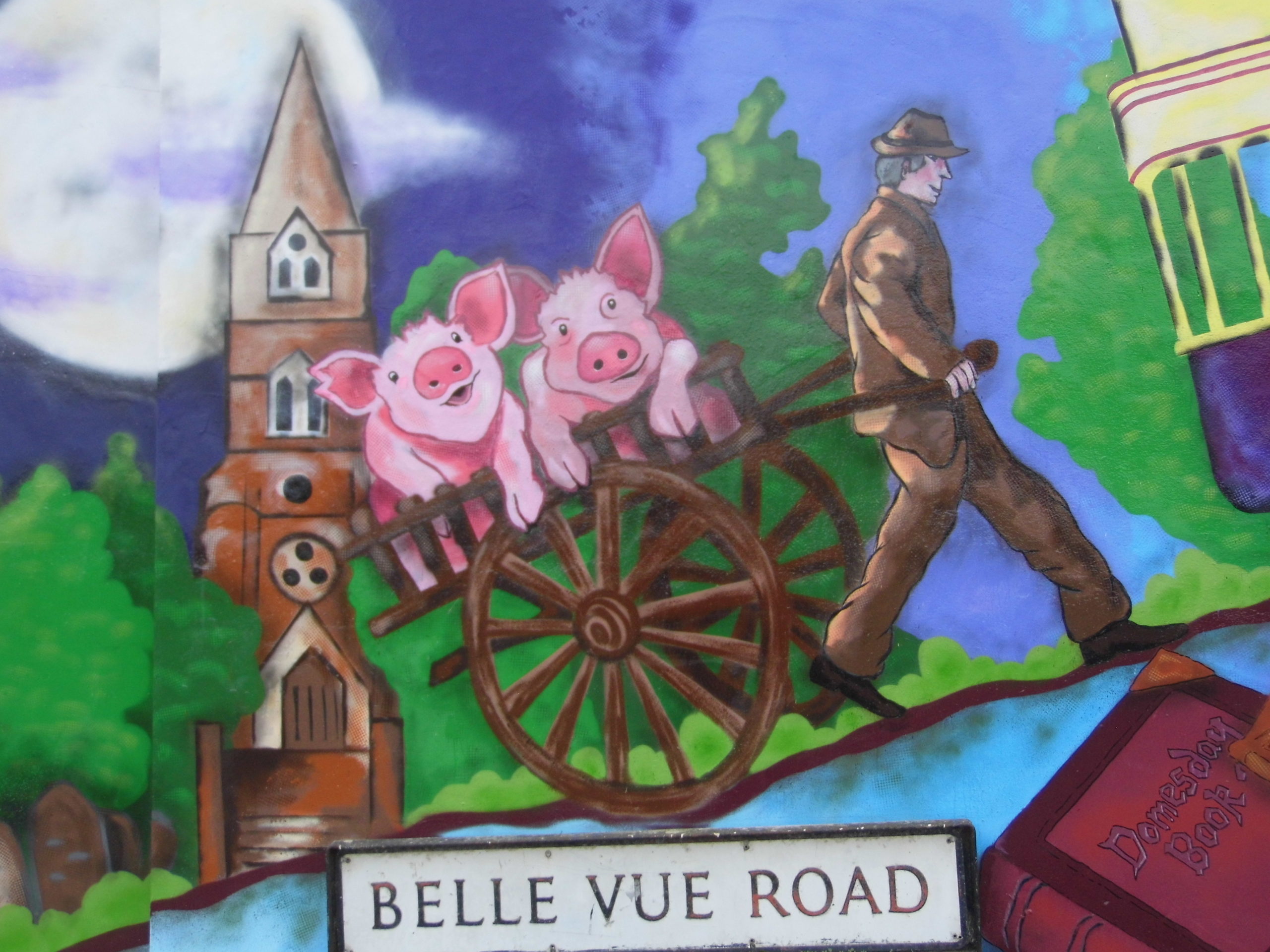
I met Sarah in the flesh for the first time two days ago. But it did feel like I’ve known her for ages and that’s thanks to social media. And it’s somewhat thanks to social media that Sarah’s side hustle of spray painted murals etc took off. A few weeks someone posted in the Old Town community Facebook group that they had a wall on Belle Vue Rd crying out for a muriel and did anyone know anybody. I thought at once of Sarah, as I’d discerned from her FB posts her interest in doing that sort of thing. I mentioned her name, put her in touch with the guy concerned and the result you see below:
The owner of the building/wall wanted a mural as he was so fed up with the tagging on it. He told Sarah that he wanted something that represented as any different elements of Swindon’s history as was possible.
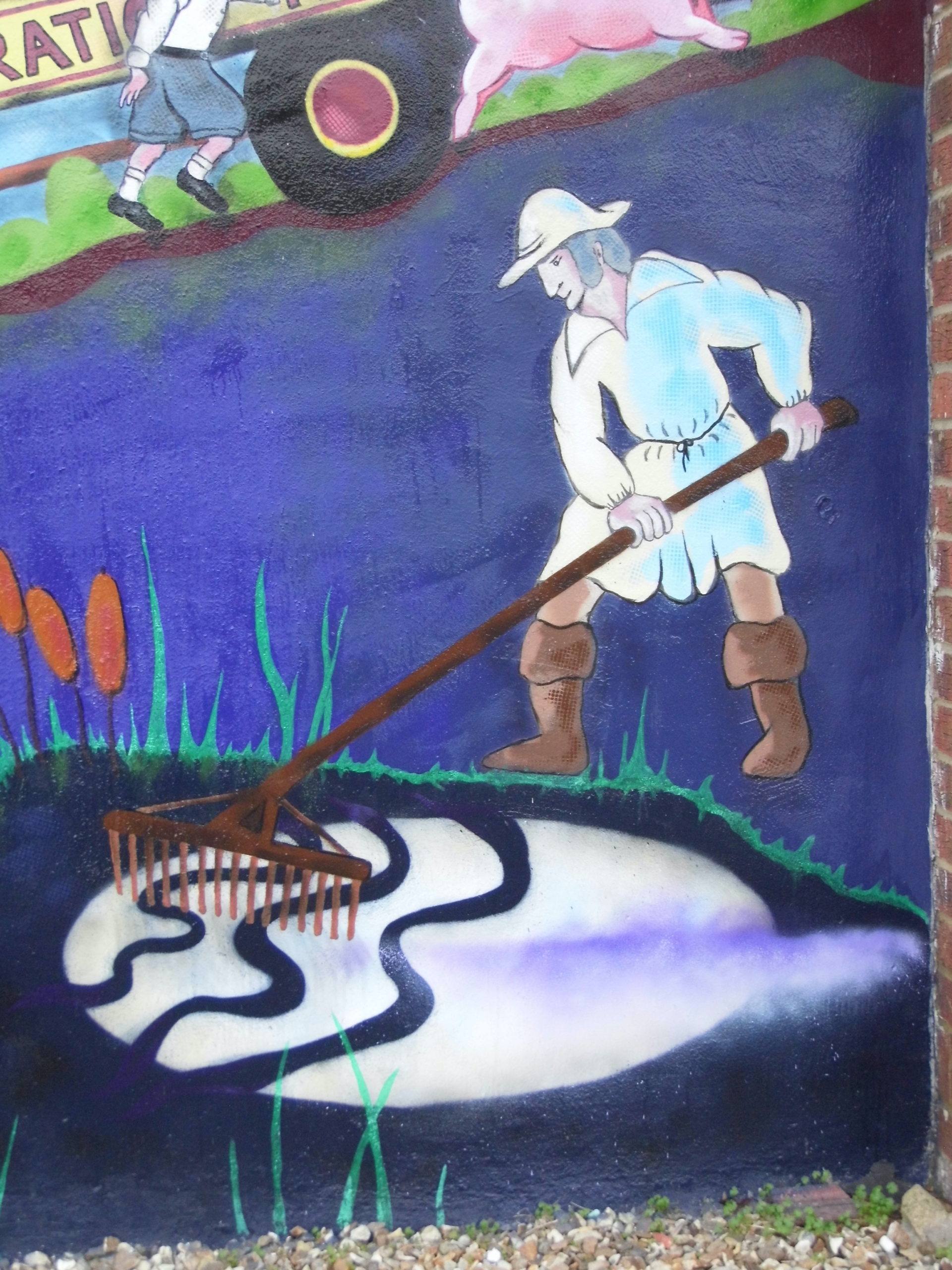
As the Swindon Advertiser explains: ‘The scene she designed and painted features pigs being taken to the old livestock market, a tram running up Victoria Hill, a moonraker from the Swindon legend, Christ Church and the Domesday Book of 1086 which mentions Swindon.’
Despite the fact that Sarah says this is not her usual style, it’s safe to say that Swindonians are delighted with it.
Hard on the back of that commission she got another one for Long’s Bar – much more her style.
About Sarah
Like so many artists I’ve met, Dona Bradley being one, Sarah’s artistic bent wasn’t what you’d call encouraged by her parents.
As she told the Adver some years ago: ‘I loved art as a child. Absolutely adored it, to the extent that when all the other children were out playing in the street on a nice sunny day I’d be inside painting. And my mum would have to physically eject me from the house.’
Sadly her parents, like Dona’s, didn’t see the monetary value in art. So they strongly discouraged her interest in it. So a maths degree at Warwick university it was, soon followed by a successful career as a statistician in marketing.
Then followed years directing artistic urges into photography, painting pictures of bands on friend’s jackets and flags for festivals and more. But then a few years ago, during a stint working for WH Smith, a boss asked her to help promote sales of art and craft supplies. That awakened the creative urge in Sarah and led, cutting short a long story to You Pay She Sprays. Oops – sorry! You Pay, I Spray.
SWINDON’S PERFORMING ARTS COMPANY NOW OFFERS MUSIC LESSONS FOR YOUNG PEOPLE
Revolution Performing Arts Tunes Up – Revolution Performing Arts (RPA)– one of the South West’s leading performing arts companies for children and young people – is now offering weekly 1:1 or 1:2 music lessons.
Local musician Ben Cousins, a recent graduate from Falmouth University, has teamed up with RPA. Together they can add to the services they can offer to young people in the town.
Ben Cousins – with his help Revolution Performing Arts Tunes Up
Ben has played guitar since he was ten. He developed a passion for it and went on to study music at both college and university.
‘Working with RPA is perfect for me with its focus on nurturing, empowering and allowing young people to express themselves,’ explained Ben. ‘For me, learning guitar is about more than developing a skill. Playing allows young people to express themselves in a new, fun way and grow their confidence.’
About the lessons
The lessons in electric or acoustic guitar or bass are 30 minutes in duration. They’ll take place at RPA’s HQ in Wanborough, near Swindon. They are suitable for young people aged seven years upwards. No previous experience is necessary and young people can bring their own guitar though RPA can provide one can for each lesson.
Parents can stay and watch the regular weekly lessons. Or, if they prefer, they can wait with a cuppa and catch up with their work. Or they can simply chill out and relax whilst their child spends special time learning a new musical instrument in a very gentle way.
Fi Da Silva Adams, Founder of Revolution Performing Arts (RPA), said: ‘Ben’s sister used to attend RPA, so Ben is no stranger to the company. It’s great that he shares its ethos of having a very gentle approach to learning to enrich the lives of young people through performing arts. Progression without examination!’
The classes, are at RPA’s venue at Longview House, 64 Church Road, Wanborough SN4 0BZ. They cost is £15 for a 1:1 lesson or £10 each for a shared lesson with a friend.
RPA
RPA has other venues across North Wiltshire, Oxfordshire and Gloucestershire as well as a recently launched venue in Malmesbury.
One of the South West’s leading performing arts companies for children and young people, RPA came into being in 2007 by Fi Da Silva Adams.
The company specialises in empowering young people and now adults to celebrate their individuality through the power of performing arts. All the teachers are DBS checked, trained in first aid and receive training in safeguarding protocols.
Shrove Tuesday or Pancake Day: pancake perfection or a flipping nightmare?
Observed across the world, Pancake Day or Shrove Tuesday, is more than an excuse to call someone a tosser and a day when it’s okay to throw food around the kitchen. In this blog I’ll have a look at the origins of some Shrove Tuesday traditions.
However you like your pancakes, here’s everything you wanted to know about Shrove Tuesday but were afraid to ask.
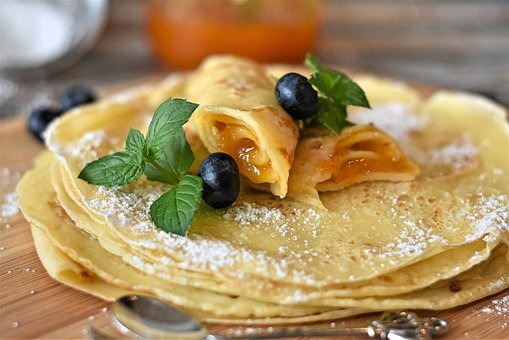
Shrove Tuesday Traditions – a stack of pancakes
So what is Shrove Tuesday?
Shrove Tuesday is the day before Ash Wednesday. The date of Ash Wednesday is determined by Easter – and that, as we know, is a moveable feast. And Ash Wednesday is the day before Lent begins.
But Shrove Tuesday of course, existed long before it became associated with pancake races and pigging out on pancakes. Like so many things, the day and even the pancakes themselves are part of an ancient custom with deep religious roots.
Penitence
As this BBC article explains, as the last day before Lent begins, Shrove Tuesday is a day of penitence. It’s a day to clean the soul and celebrate the last chance of a good nosh before Lent gets underway.
The day gets its name from the ritual of shriving. Shriving is something that Christians once underwent to confess their sins and receive absolution for them. This tradition goes back easily 1000 years – so well before the invention of Nutella.
So why the association with pancakes?
Lent is a period of abstinence. Thus one reason for it is to mark the 40 days that Jesus spent fasting in the wilderness. Before Lent began, forbidden foods such as fats, eggs and milk were used up rather than being wasted. And pancakes were and are the perfect way to do just that.
Let me take you to the Mardi Gras
In La Belle France, this need to eat up fats gave rise to the term Mardi Gras – or fat Tuesday.
This Historic UK article explains that the pancake has a long history and features in history books as far back as 1439. It seems the practice of tossing or flipping them is almost as old:
‘And every man and maide doe take their turne, And tosse their Pancakes up for feare they burne.’ (Pasquil’s Palin, 1619). The article goes on to explain that the ingredients for pancakes may symbolise four points of significance at this time of year:
Eggs ~ Creation Flour ~ The staff of life Salt ~ Wholesomeness Milk ~ Purity
Ash Wednesday
Nothing to do with cricket, the ashes used in services on Ash Wedneday, come as the BBC article explains, from burning the palm crosses blessed on the previous year’s Palm Sunday.
A race to the finish
In the UK at least, pancake races form an integral part of the Shrove Tuesday celebrations. As Historic UK says about the pancake race: they are ‘an opportunity for large numbers of people, often in fancy dress, to race down streets tossing pancakes. The object of the race is to get to the finishing line first, carrying a frying pan with a cooked pancake in it and flipping the pancake as you run.’
The UK’s most famous pancake race takes place in Olney in Buckinghamshire. Tradition has it that, in 1445, a woman of Olney heard the shriving bell from the church as she made pancakes. She ran to the church in her apron still clutching her frying pan!
From that day forth the Olney pancake race has gone from strength to strength and is now world famous.
Hate it, love it or feel merely ‘meh’ about the whole thing it’s impossible to ignore. I refer of course to Valentine’s Day. So here we are with a brief Valentine’s Day History.
A brief Valentine’s Day History
All you need is love. But a little chocolate now and then doesn’t hurt.
It would seem there’s a lot more to it than the bit of the story most of us are familiar with. By which I mean Pope Claudius III giving the thumbs down to two young men both named Valentine – at different points in the 3rd Century.
It was the honouring of their martyrdom by the Catholic Church that gave us the celebration of St Valentine’s Day.
However, the path to the cynical commercialization of the festival that we know and *coughs* – love today probably begins, as does many a good festival or tradition, with Ancient Rome. In this instance it’s the feast of Lupercalia, that ran from Feb 13 to Feb 15 that you have to blame/thank – delete as applicable.
This being the Romans you won’t be at all surprised to know that this feast involved sacrificing animals, nakedness, drunkenness and flagellation. Sounds like fun huh?
The waters became muddied even more in the 5th Century when a Pope with a name that sounds like an ice-cream – Gelasius – combined St Valentine’s Day with Lupercalia in an effort to stamp out the earlier pagan rituals.
Confused? You will be. At around the same time, the Normans celebrated Galantine’s Day. Being as how ‘Galatin’ meant lover of women and sounded similar to Valentine it’s likely the two became intertwined.
Galantine’s Day
On the subject of Galantine: In recent years it’s become popular to celebrate Gelantine’s Day on the 13th February.
According to The Telegraph:‘Television show “Parks & Recreation” popularised the idea of Galentine’s day, which happens the day before Valentine’s day. The reason being that ‘Romantic partners often come and go, but best friends outstay all of them.. ‘ True enough I’d say!
Shakespeare in Love
The romantic notions we now associate with the festival gained traction from Chaucer and Shakespeare both of whom did much to romanticize it. As a result of their literary efforts Valentine’s Day became more popular throughout Britain and the rest of Europe.
At least Shakespeare’s outpourings covered all aspects of love. There was the silver-tongued, honey-glazed stuff yes. But there was also the Lover’s Complaint:
From off a hill whose concave womb reworded A plaintful story from a sist’ring vale, My spirits t’attend this double voice accorded, And down I laid to list the sad-tuned tale, Ere long espied a fickle maid full pale, Tearing of papers, breaking rings atwain, Storming her world with sorrow’s wind and rain. (NB: Found here: http://www.shakespeares-sonnets.com)
Along with the English settlers the tradition eventually crossed the Atlantic to the New World. Here the 19th Century industrial revolution made mass-produced cards possible and Hallmark Cards of Kansas City were not slow to spot an opportunity. And the rest you know.
The Willow Pattern story
Unrelated to the mythology of Valentine’s Day, but worthy of mention while we’re on the topic is another story of romance and tragedy – this time from the Far East. Or so I thought. Incorrectly as it turns out.
In actual fact this most romantic of fables is English in origin and is nothing more than a clever advertising gimmick. It was created to promote Thomas Minton’s Willow Pattern china sometime around 1790. Read more about that here.
For a charming telling of the tale behind the Willow Pattern check out this little YouTube film: