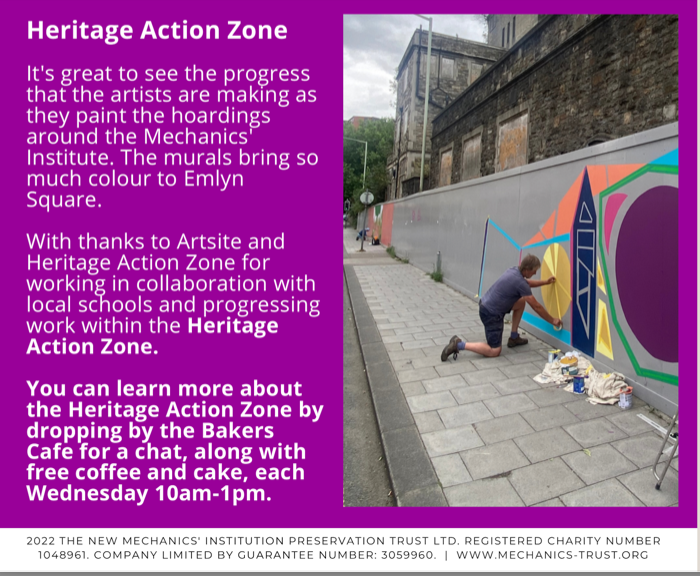
On Saturday 10th -Sunday 11th September from 10am to 4pm -come to Emlyn Square in the GWR railway village.
Wiltshire family histories – Saturday the 8th October 2022 11am – 2pm
Are you interested in your family history? Would you like to learn more about the people that lived in your house?
Since the early 1840s these houses were family homes – BUT – WHO actually lived in them? Do YOU have stories to share with US? Do WE have info on YOUR family home?
The Swindon Branch of Wiltshire Family History Society are collaborating with the Mechanics’ Institute Trust and CARIG on this exciting project.
Do you know how to protect your online banking? Or Do you worry about how you can stay safe online? Are you in need of support using your devices safely?
We’ll be welcoming people from across Swindon who may benefit from our free cyber crime prevention workshop. There will be a live presentation by Wiltshire Police, open discussions and even a cyber crime themed game of bingo!
We’ll have hot and cold drinks available for a small charge along with light snacks.
For more information, contact Dan. Central Community Centre, Emlyn Square, Railway Village, Swindon, SN1 5BP.
Update on the Cricketers’
Mechanics’ Matters No 5 – the Cricketers’
We have the tenders! Now we can get started on this project. We’re expecting to appoint the successful contractor very soon, so we anticipate that the ‘phase one’ works, to protect and restore the exterior of the building, will get well under way by the end of this year. This means that, in preparation for phase two of the project, it’s a good time for us to review our proposal for the future use of the Cricketers’. And to continue thinking about how the interior of this building can benefit the local community.
We welcome all views on this topic, and would like to hear from you how you would like to see the ground floor of the Cricketers being used.
Please let us know what you think!
Flexible volunteering – Every Wednesday from 2pm-4pm
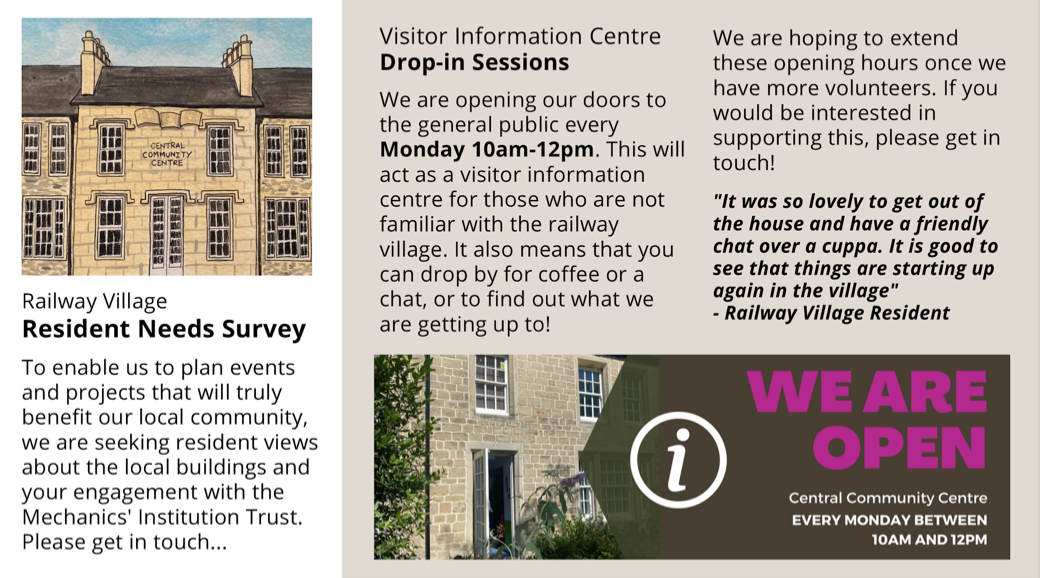
central community centre
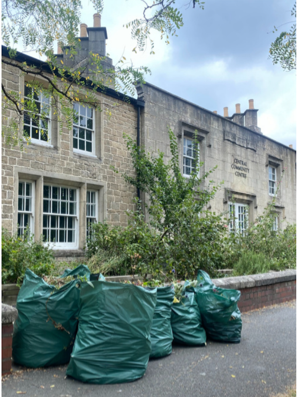
We’re hosting volunteer drop-in sessions where you can take part in a group project that carries out maintenance activities around the Central Community Centre and Swindon Railway Village.
We carry out activities such as gardening, litter picking and painting. There’s no commitment to joining this group project, so why not come along and give it a try?
If you’d like to become a general volunteer outside of this project, feel free to use our volunteer enquiry form.
Paranormal!
We had some visitors in some of our buildings recently…
Are you interested in local paranormal activity? Check out Paranormal Hunts on Facebook to see what they have recently discovered during their visit to the following local buildings:
The Glue Pot Public House
The Railway Village Museum
The Central Community Centre (Former GWR Medical Fund Hospital)
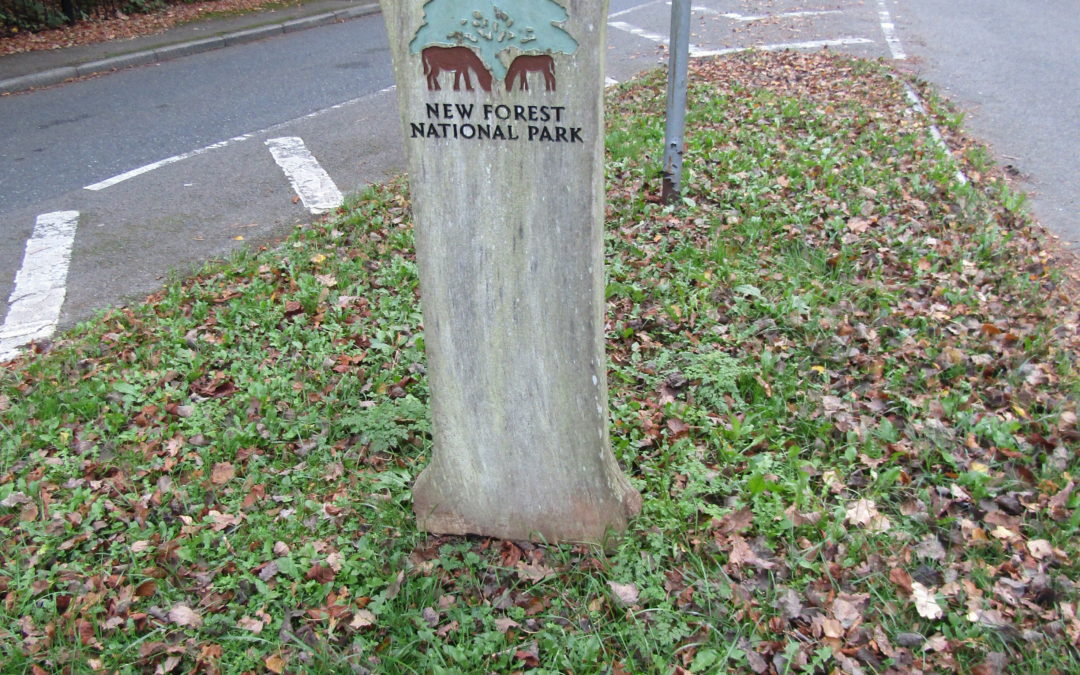
In many ways this article about the Wiltshire New Forest is going to be a little harder to write than my other ones. I want to write on the Wiltshire section of the New Forest without being too generic – yet I have to talk a little about the New Forest as a complete unit.
The Wiltshire New Forest
We tend to see Wiltshire as being of open downland. Yet there are several areas are of extensive forests, such as Grovelly, Savernake and West Woods.
Though several Royal forests have retained their original features to a greater or lesser extent, surely the New Forest is the place where the system I described in my article on Braydon Forest survives best?
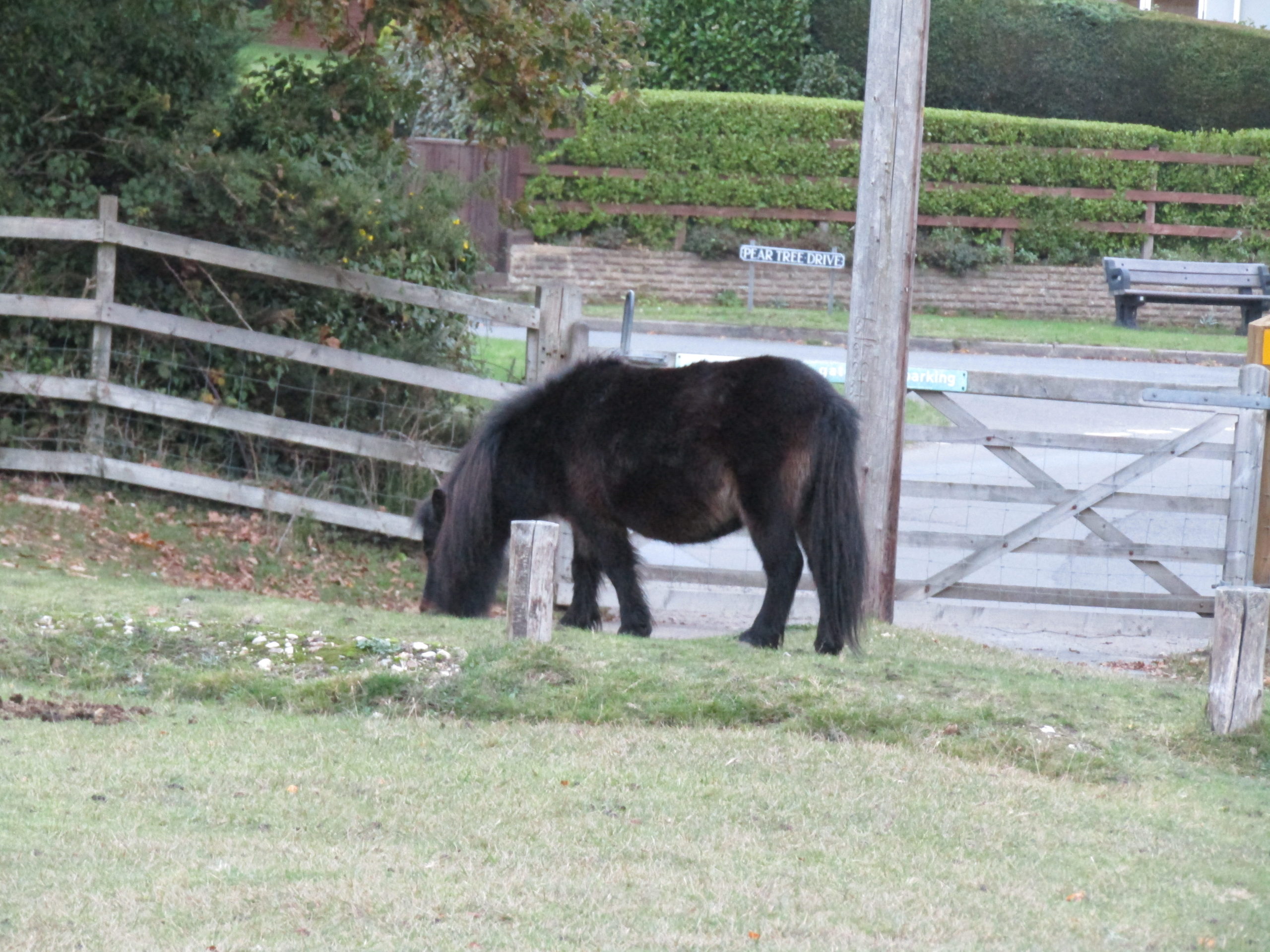
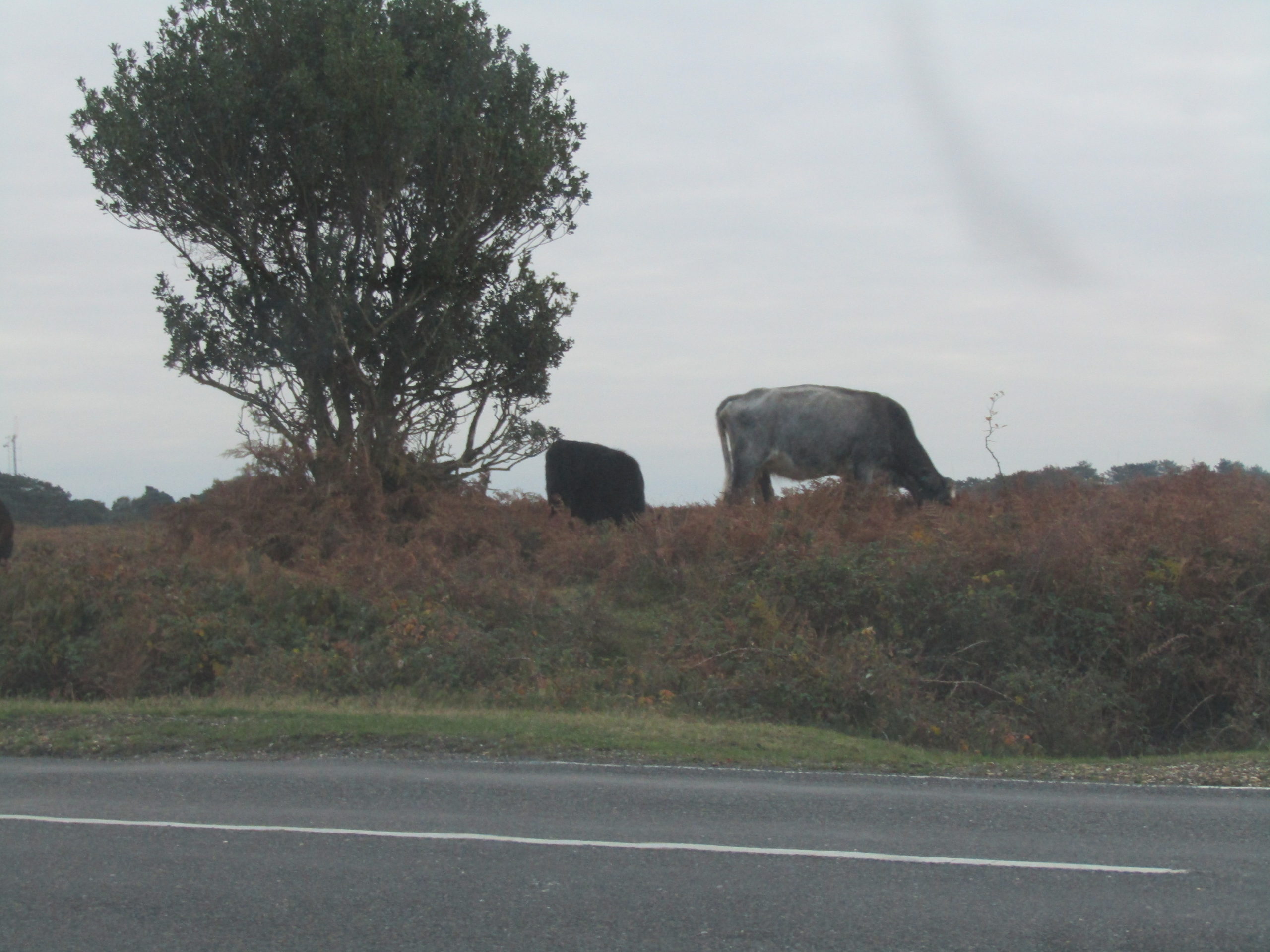
The land is, for the most part, unenclosed and livestock wanders freely. The inhabitants retain their ancient grazing rights. The land is, for the most part, unenclosed and livestock wanders freely and the inhabitants retain their ancient grazing rights.
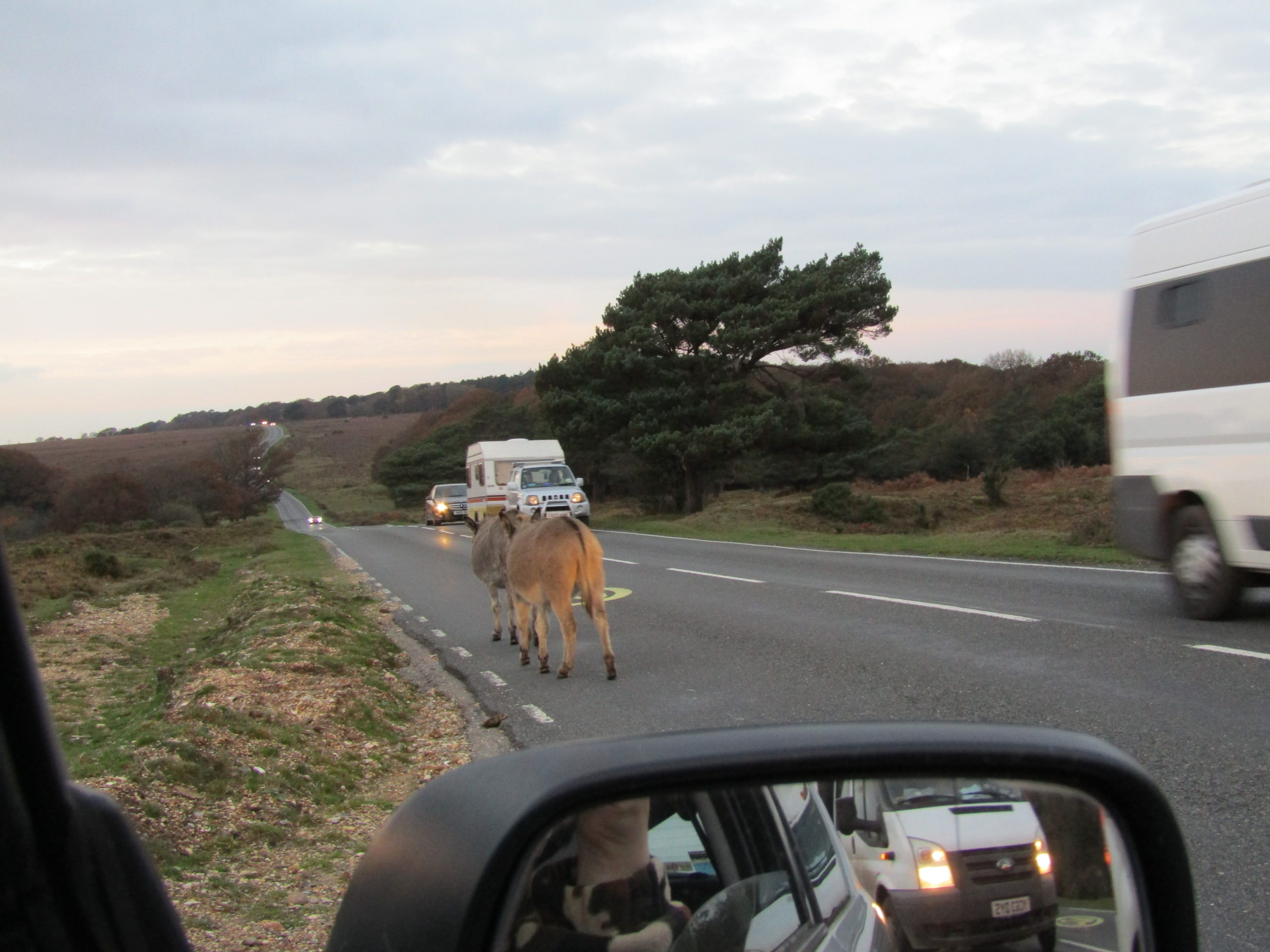
The Wiltshire forest is enclosed but right over the Hampshire border its donkeys on the loose, cattle and ponies:
Exploring the New Forest by road is not for the faint of heart or the impatient! Nor, let me say, the foolhardy driver! It is nerve wracking!
Formed in 1079, the Nova Foresta (The name, though mundane, is poetic) was William the Conqueror’s special hunting ground. Certain authorities claim that he removed no less than thirty-six communities to empark this land. But it is a claim not backed up by archaeology. Indeed this infertile territory is not known for its archaeological remains. That said, there are many Iron Age barrows so the Ancient Britons may well have used the area for livestock, as we do today. 2005 saw it instated as a National Park.
This is what much of Medieval England must have looked like once upon a time.
Land and nature
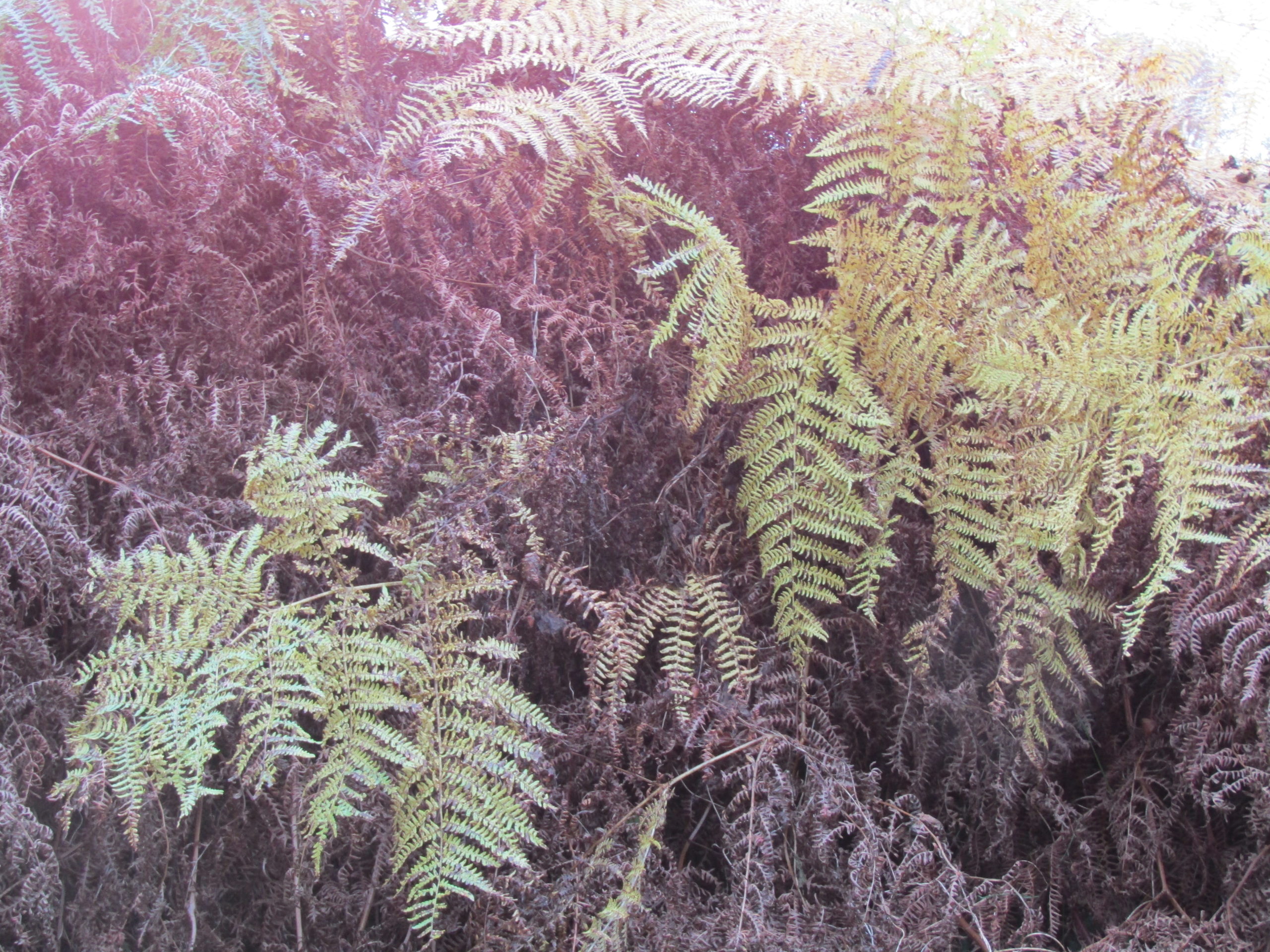
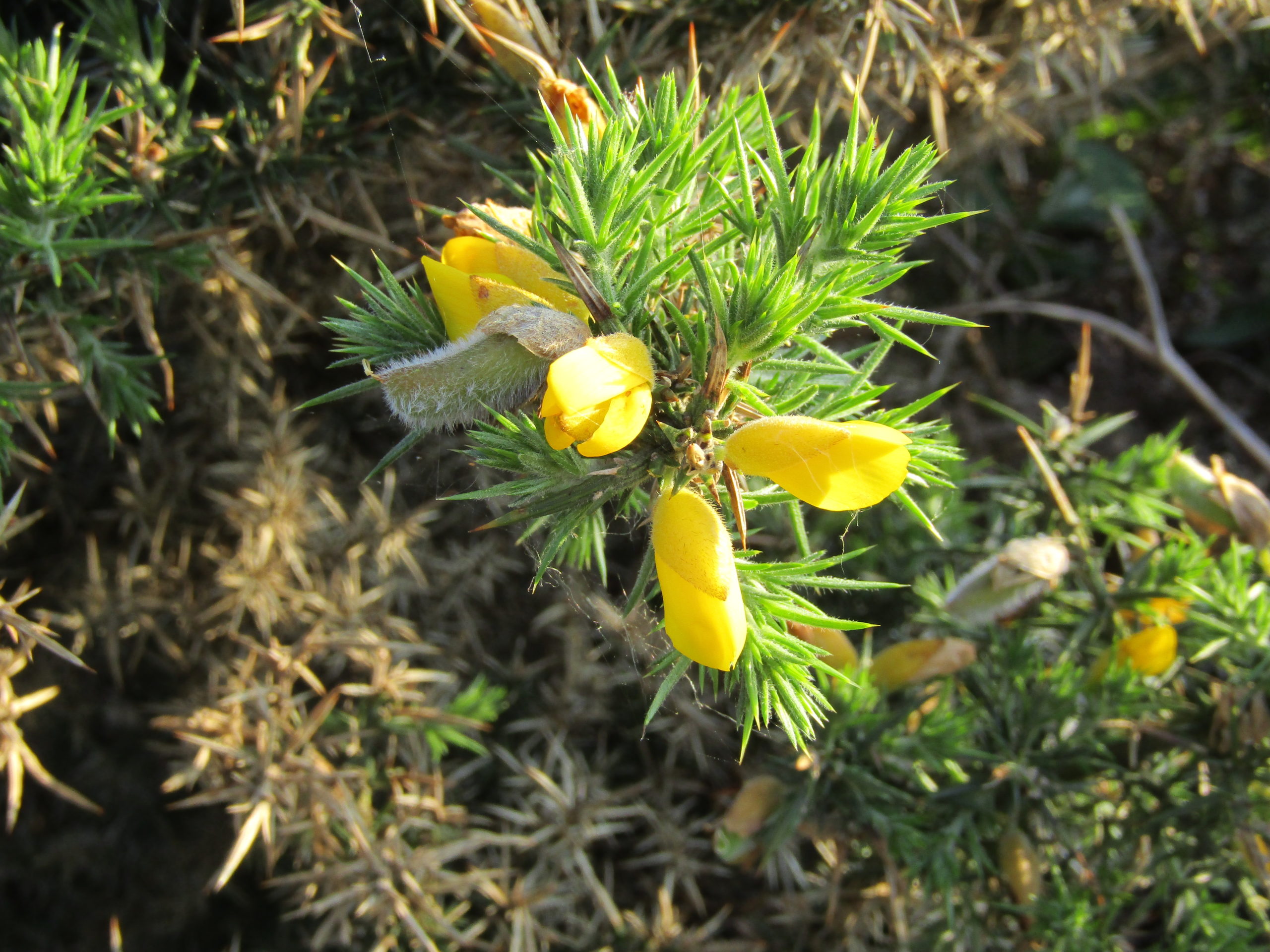
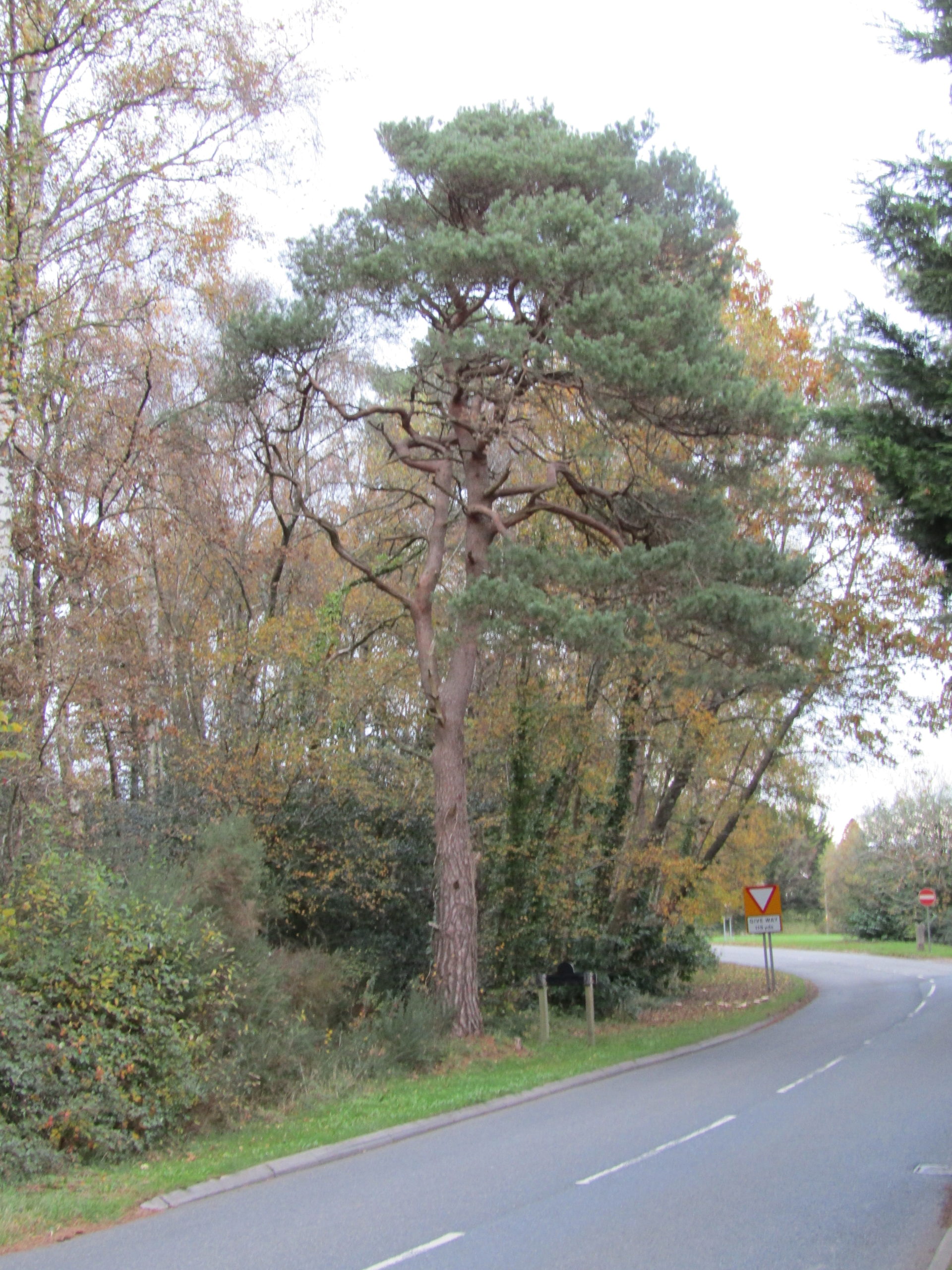
The geology is mostly sandstone and its attendant soils. So, again not typical for Wiltshire where the soil is of an acidic nature. Thus the lime loving plants we take for granted are absent, in their place are things like:
BrackenGorseHeatherScots pine
It is not only trees; the forest consists of open heath, grassy lawns and marshy bottoms.
Wildlife – deer and other animals
The forest is famed for its deer. Several species of deer make this land their abode. Fallow deer are the most common but there are also Red Deer, Roe Deer, Sika Deer and Muntjac.
The area is also know for its reptiles, and birds. Sadly the Red Squirrel is extinct here, though experts think it survived until the 1970s. But they are still present on the Isle of Wight and Brownsea Island, in Poole Harbour.
Settlements
The hamlet of Lover
Up until recently the hamlet had a post office. This was most popular in February, as loving couples could get their Valentine’s cards franked `LOVER`.
Now imagine answering the phone in this establishment? ‘Hello, Lover Garage, here.’ You might find it hard to keep a straight face. Oh, and the jokes! They must hear them all thrice in a week.
Lover Garage
Landford
The Landford Parish includes the hamlets of Landford Wood and Nomansland. The Nomansland name is derived from the fact it was once an extra parochial squatter’s community. It is chiefly noted for the French Restaurant, Les Mirabelles, said to offer the finest selection of wines in the forest.
Landford wood mission hall – This is Landford wood Mission Hall, built in 1899. It’s likely that this is the most noteworthy place of worship actually in this area.
Redlynch
Part of the village of Redlynch is in the New Forest area. Though there is little of interest to see.
Houses
Small houses
Buildings in the New Forest seem to be picturesque rather than architectural – see the Landford mission hall above. It definitely looks more Hampshire than Wiltshire. Few of them are pre Victorian, and so we see a lot of somewhat whimsical examples of neo gothic and the like. Landford church is interesting and though it is in the environs, it is a smidge over the border of the designated New Forest.
Landford church
Big houses
There are several interesting big houses in the Wiltshire New Forest, but none are open to the public.
Hamptworth Lodge
Hamptworth Lodge is a modern house, built in 1912, by Sir Guy Dawber for H. C Moffat. It is on the site of a Jacobean building and designed after Elizabethan/Tudor ideas. Sadly not open to the public.
This Arts-and-Crafts house grew as a haven for all varieties of collectors as well as being a lovingly created family home.
In 1609, William Stockman built Newhouse and sold it to Sir Edward Gorge. It’s a Jacobean manor house on the border of Wiltshire and Hampshire. Stockman designed the house in an unusual Y plan, to symbolize the Christian Trinity. Newhouse is thought to be only one of two such ‘trinity houses in the country.
Landford Manor
Of a similar age to Newhouse, Landford Manor stands by Landford Church. According to Wikipedia: Landford Manor,situated in Stock Lane in Landford, Wiltshire, is Grade II* listed. It dates from around 1600, the south wing from 1680 with further additions in 1885 and 1929. In the first instance built for the Stanter family, the Davenant family added the south wing and heightened front around 1680.
The Eyres altered the front in 1717 and, in the nineteenth century it came into the ownership of the Nelson family of Trafalgar fame.
The New Forest is well-known for its interesting old pubs. Some are situated in the Wiltshire section of the NF.
The Shoe Inn, at Plaitford is a smidge over the county border. The Lamb inn, you’ll find in Nomansland. Landford Poacher, is, guess what? – Landford! Alas the rather attractive pub The Cuckoo, in Hamptworth seems to be always closed.
Conclusion
This is a corner of Wiltshire that is very different in character to the rest of the county. It is well worth exploring. There are several campsites so you could use the area as a base to explore Salisbury or venture further south into the Hampshire New Forest.
You have never seen Wiltshire like this, I imagine.
Wyvern Summer Youth Project 2022 – Legally Blonde the Musical
Wyvern Summer Youth Project 2022 – Legally Blonde the Musical
Wyvern Summer Youth Project 2022. Omigod You Guys… how I’ve MISSED the summer youth project atthe Wyvern Theatre. They’re always amazing and summer youth project 2022 is no exception to that rule! How can one not love a night in a theatre stuffed to the rafters with young talent all living their very best life?! It’s such a joyous and uplifting experience. Only every time. And even more so when you consider that everyone involved puts the show together in less than a fortnight! I am in awe that they remember their lines and all the words to the songs – I still can’t remember my mobile number. Pfft!
The storyline
I’m pretty sure no-one needs me to outline the plot – even I knew it and I don’t think I’ve seen the film. Though if you do want to swot up you’ll find it here. What is worth nothing though is that, as this piece in the New York timespoints out, what looks on the surface like a bit of froth is in fact ‘a feminist masterpiece’. Albeit one with an eye-watering amount of pink.
‘It’s been 20 years since Elle, against all odds, got into Harvard Law, fended off a professor’s advances and came to the legal defense of a sorority alumna. She remains an emblem for challenging stereotypes and embracing female empowerment in the face of misogyny. By refuting the “dumb blonde” trope, Elle has become beloved for her sincerity and her insistence on unapologetically being herself.’
Amen to that and down with the patriarchy!
The performers
Well – what can I say? They’re all amazing. But of course a big round of applause to Poppy Bartoszewska as Elle. She owned it. Well done. Sassy and a great voice.
Louise Aust as Paulette caught my eye too – she too can belt it out and has a nice comic touch.
While I don’t want to single any of the ensemble out because of course they’re all gorgeous and amazing, I do have to give a special mention to a young person in the ensemble – in the yellow group – third from the left in the photo in the programme.
I noticed this performer because myself and my companion were right by the aisle and the participant in question appeared right by us giving it everything with the cheerleading pom-poms. Then of course I couldn’t stop noticing this particular cast member when they were on the stage. You know how it is when you’re travelling say – you speak to a stranger for some reason and then you see them everywhere you go. Well it was like that. And had this youngster not been in our aisle I probably wouldn’t have noticed them – or at least not so much.
Anyway, I thought the facial expressions were great and moved well. So, to third from the left with the blonde hair and the pale pink polo shirt: good work! 🙂 One to watch perhaps?
Get booking!
All that remains for me to say is this: if you’ve no plans tonight or tomorrow night then DO go and see these wonderful youngsters perform. It’s a beautiful thing,
CATCH CHARLOTTE BRONTE’S CLASSIC AT THE TOWN GARDENS BOWL THIS SUMMER!
Jane Eyre at the bowl – Heartbreak Productions, Leamington Spa based open-air theatre company, is doing its 30th trip around the UK and Ireland this summer. And they’re returning to the much-loved Old Town venue, the Town Gardens Bowl, on Friday 19 August at 7.30pm. They’re bringing an exciting new adaptation of Charlotte Bronte’s classic, Jane Eyre.
Jane Eyre at the Bowl
Known for staging classics in alternative settings and amazing audience engagement, this wonderful new production promises giggles, gasps, and no end of surprises. Using the backdrop of a carnival, they follow our favourite Victorian heroine through her many ordeals. Watch her escape from her aunt’s house, her school, the fire and the moors. Until, at last, she finds safety with her true love, Mr Rochester.
So step right up, ladies and gents, to Heartbreak Productions’ Carnival spectacular. All complete with astounding acrobats and jaw-dropping jugglers. And don’t forget the very special guest – the death-defying escape artist Jane Eyre. Watch her wriggle out of five different tight corners, including everyone’s greatest fear – fire!
There’s an action-packed programme at the Bowl this year. There’s sure to be something for everyone. So get the family and friends together, pack a picnic and book tickets for this summer spectacular!
You can book tickets for Jane Eyre at the Town Gardens Bowl on Friday 19 August at 7.30pm here: www.theatreatthebowl.co.uk
LOCAL ARTIST INVITES OTHERS TO WALK & SKETCH IN TURNER’S FOOTSTEPS
Walk and Sketch in Turner’s Footsteps Local artist Anne Hayhoe will lead a free walk and workshop for budding artists on Saturday August 13. It will focus on the time spent in Malmesbury by the famous landscape artist JMW Turner.
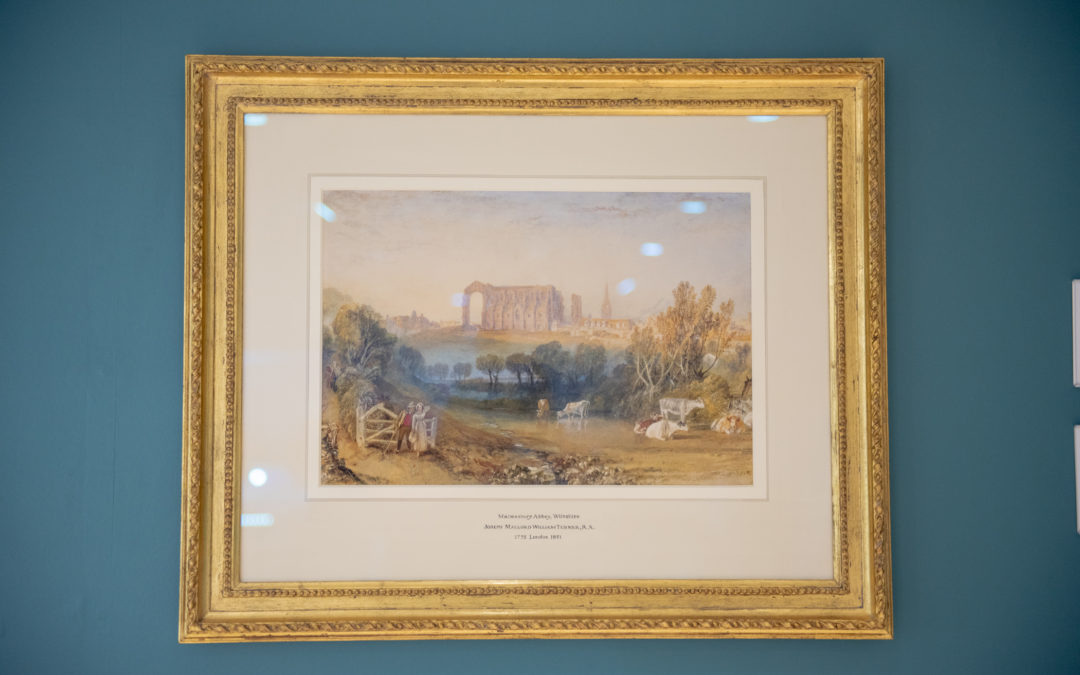
The interactive workshop ‘In The Footsteps of JMW Turner’ will begin with a short talk. The talk will be at the Athelstan Museum in front of the Turner painting of Malmesbury Abbey. Anne will then lead the participants on a walk around the Abbey. The tour will stop in some of the places where we know Turner made his exploratory sketches.
Whilst visiting the Abbey, participants will have time to make their own sketches using their own materials.
Anne said: ‘It’s a fantastic opportunity to imagine the landscape and the Abbey in the way that Turner did. And then to ‘have a go’ at capturing it with our own eyes, or in this case pencils!’
To finish, the group will study their sketches and discuss the artworks created following this inspirational sketching tour.
Walk and Sketch in Turner’s Footsteps – the Turner at the Athelstan museum in Malmesbury
The Athelstan Turner
Developed from Turner’s early sketches and painted in about 1827, the watercolour is one of the ninety-six which make up Turner’s set of ‘Picturesque Views in England and Wales‘ (1825-38). These views have enjoyed long celebration as the finest of Turner’s topographical projects and noted examples of the picturesque movement.
Thought the only finished watercolour of that particular aspect of Malmesbury Abbey, it shows it from the north, early on a glorious summer morning. Turner flooded the foreground with light and cattle warming themselves in the early sun.
The Athelstan Museum acquired the Turner work with support from the National Lottery Heritage Fund and The Art Fund.
It’s wonderful for the people of this rural community to have free access to an original watercolour of Malmesbury Abbey by British artist JMW Turner,’ said Anne. ‘It will inspire participants to use the materials that are available today to create their own new images of the Abbey.’
Anne Hayhoe
Anne Heyhoe
Although now living in Pewsey, Anne has strong links to Malmesbury. Educated at Malmesbury Grammar School, she returned to practice art about ten years ago. Having studied Fine Art at Trowbridge College and Oxford Brookes, she now works across a wide range of media including painting, drawing, textiles and she writes poetry.
The workshop is free but you do need to book in advance with the museum. It will start at 10am with an estimated 1pm finish.
To book a place, contact the museum by phone on 01666 829258 from Tuesday-Sunday from 10.30am-4.30pm.