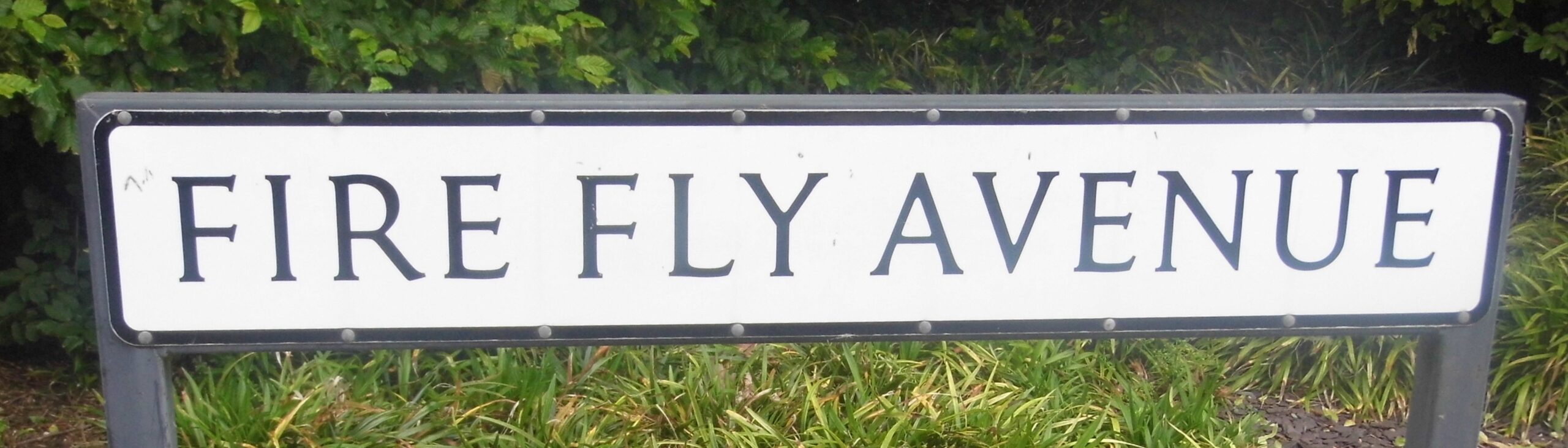
Firefly Avenue.
Having left Emlyn Square and walked through the Worker’s Tunnel we emerge onto Firefly Avenue.
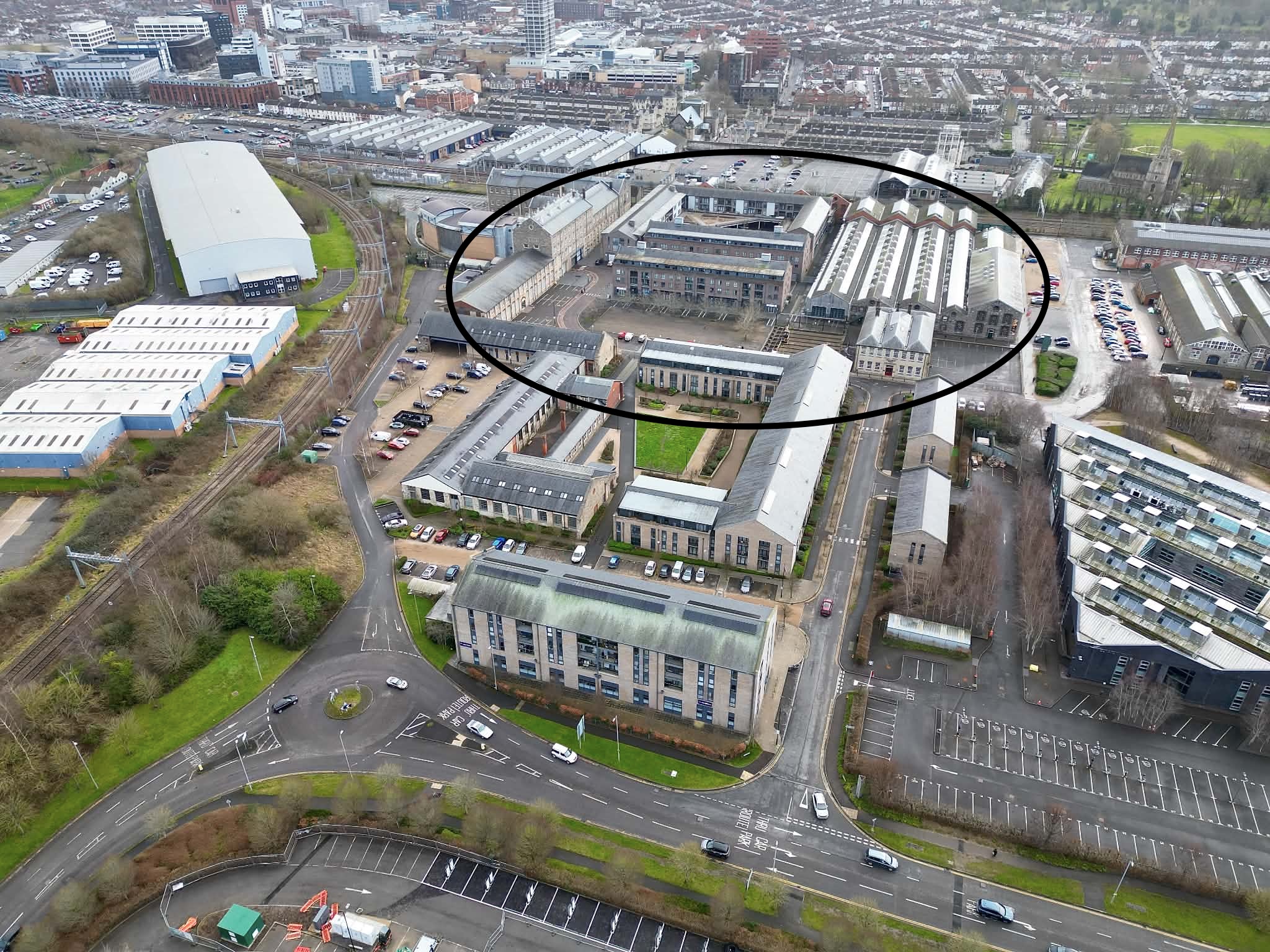
Circled are Isambard House, the engine house, the traverser, STEAM and Churchward House.
The building bottom right is Heelis, the HQ of the National Trust.
It’s a bit of an odd one is this. As in it’s less a broad tree-lined street down which one might saunter whistling a happy tune and more an open space with flats around it and behind it filling a gap created when parts of the GWR Works were demolished.
As such it represents aspects of Swindon’s story. The closure of the Works in the 1980s and regeneration of some of it into the Outlet Centre and STEAM museum. Then of course the retaining and repurposing of Churchward House and Isambard House.
The flats on Firefly Avenue arrived from around 2017 onwards.
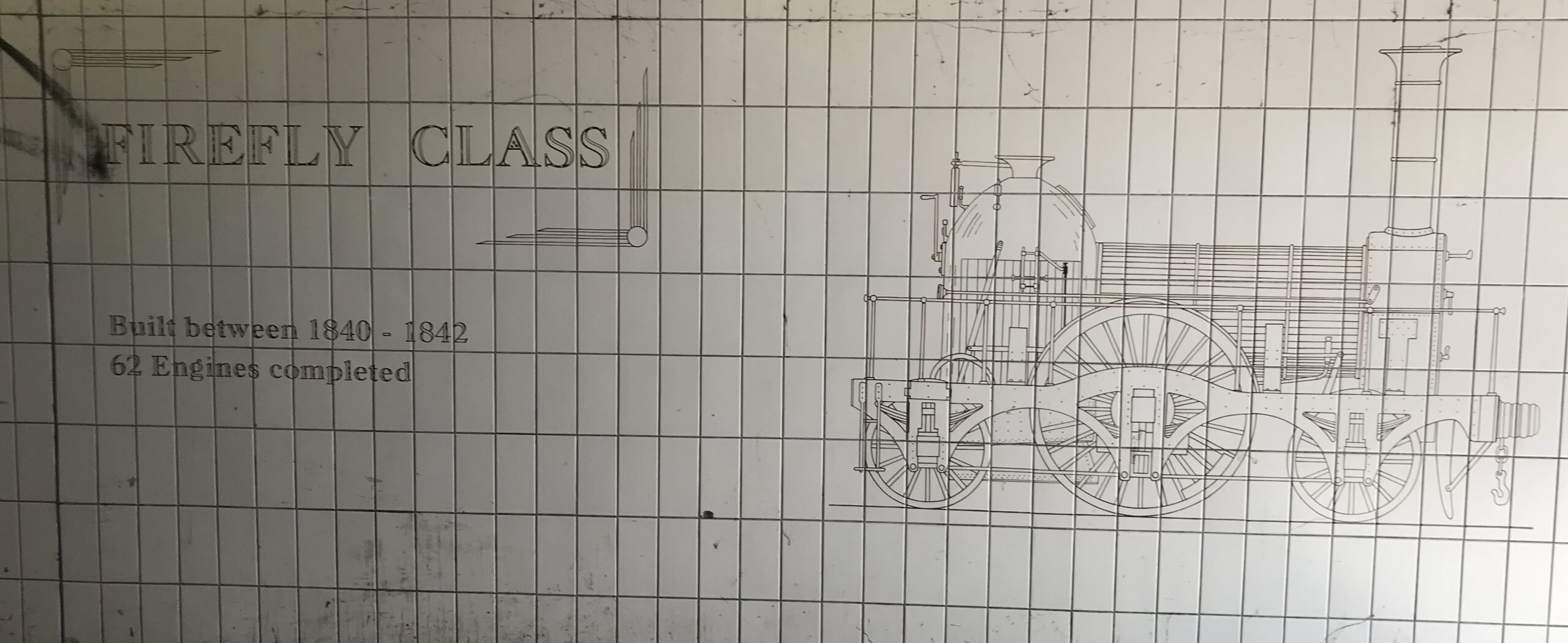
The avenue takes its name from a broad-gauge locomotive designed by Sir Daniel Gooch for passenger services on the Great Western Railway. The original being one of sixty-one engines. Didcot railway centre, a short journey down the track, has a replica of the Fire Fly, completed at Didcot by the Fire Fly Trust in 2005.
Historic buildings on Firefly Avenue
- Churchward House – Churchward House, now housing offices, is named for George Jackson Churchward CBE (1857-1933). He served as the GWR’s mechanical engineer from 1902-1922.
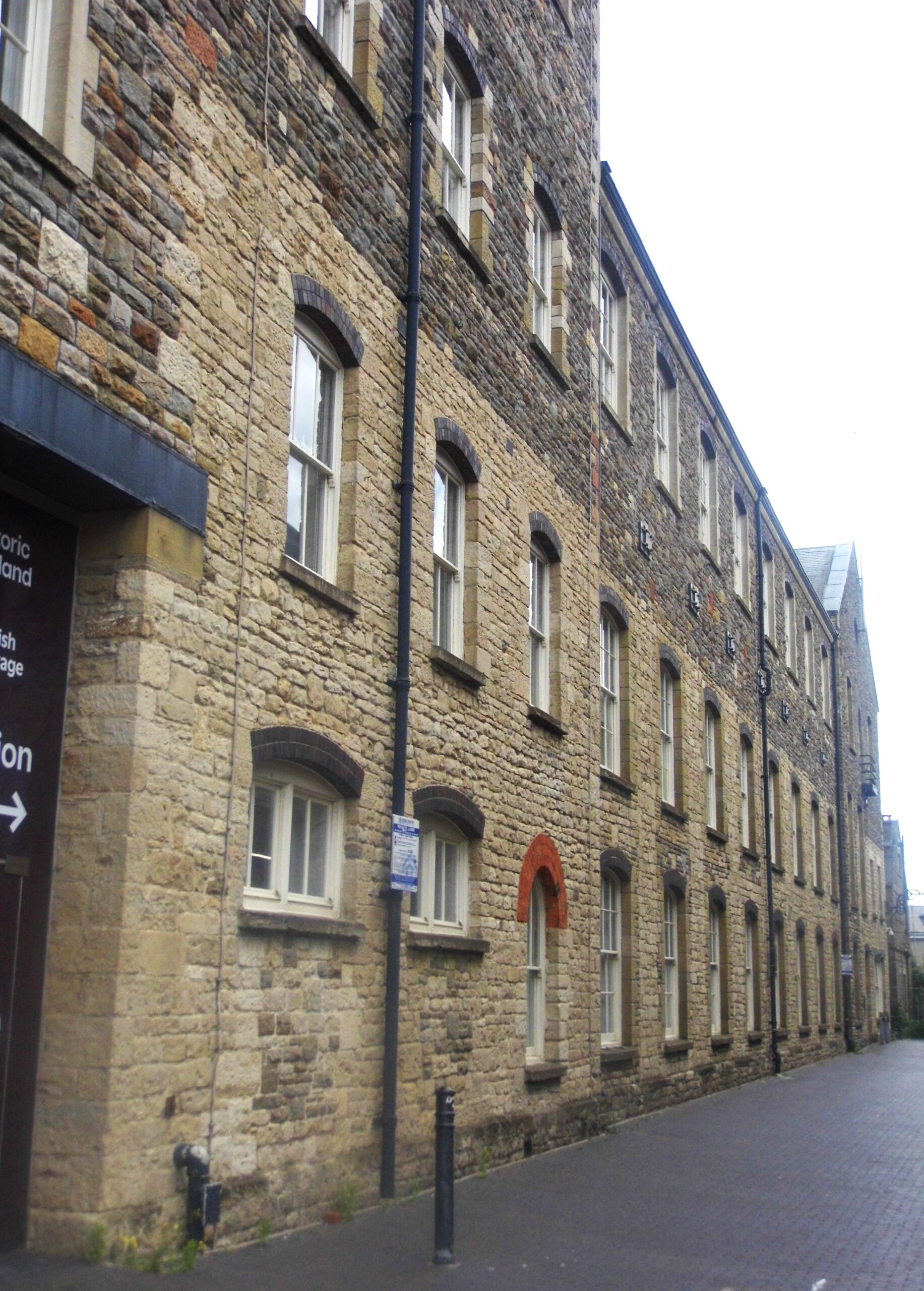
- The Engine House – this building now houses Historic England and English Heritage. It dates from the 1840s when it served as the drawing office and office for the GWR’s chief mechanical engineer. It underwent extension in the 1870s and 1903-08.
- Isambard House – designed by the famous Victorian engineer Isambard Kingdom Brunel between 1841 and 1842 this building served as a ‘wheel machine-shop’. It was converted to offices in 2000.
- STEAM – otherwise known as STEAM – the museum of the Great Western Railway. The structure now containing STEAM is ‘a complex piece of industrial archaeology’ that comprises several buildings built over a long period. The earliest of these buildings is the 1846 machine and fitting shop -part of Brunel’s original Works complex. Once known as the scraggery* this area now houses the museum’s entrance hall and public facilities.
Other items of interest
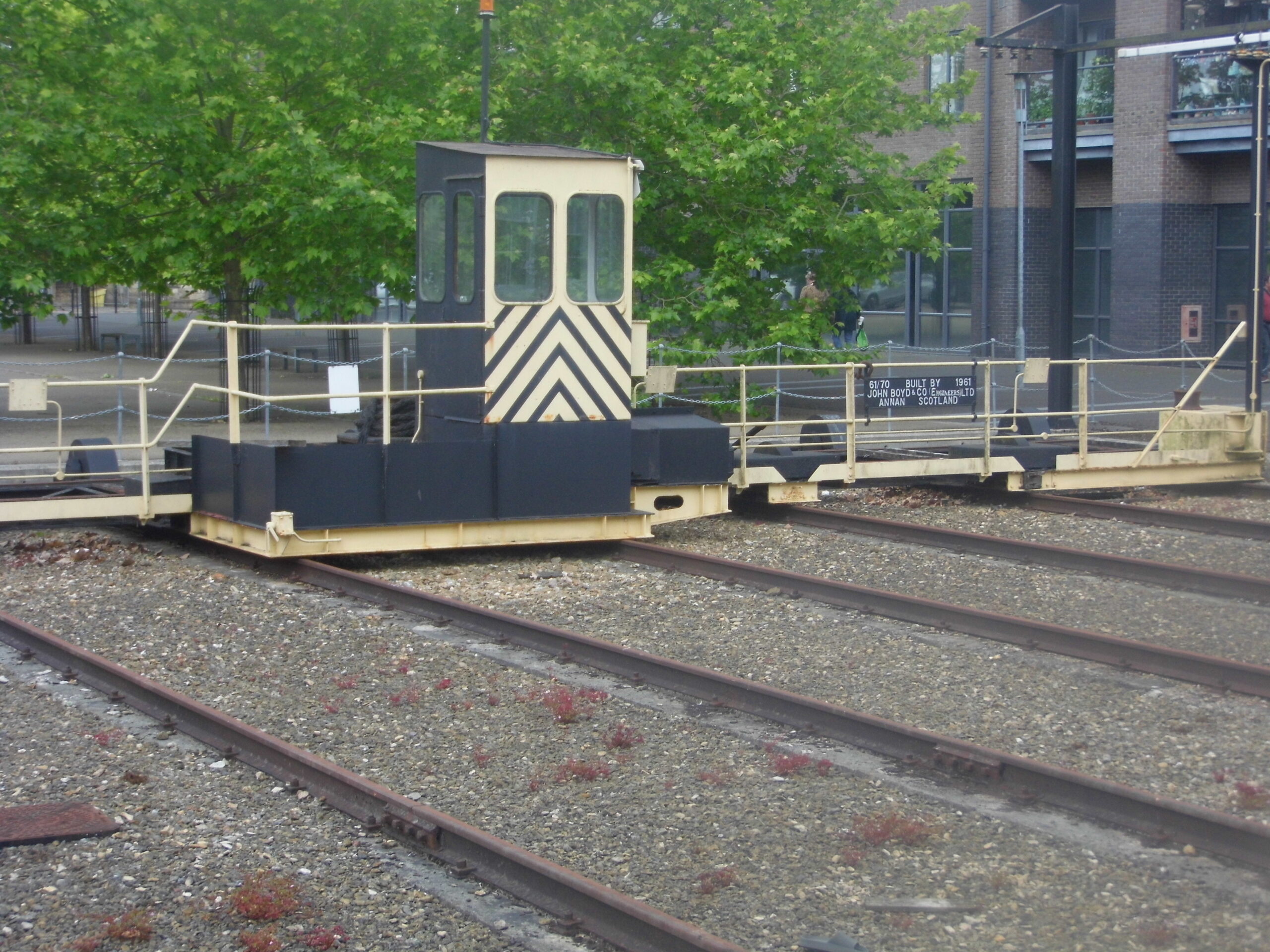
- The traverser – look out for the historic traverser outside STEAM. This large, moving platform transferred locomotives and rolling stock laterally between parallel tracks inside the Works. Unlike a turntable that rotated the engines the traverser moved the locomotives sideways to save valuable space.
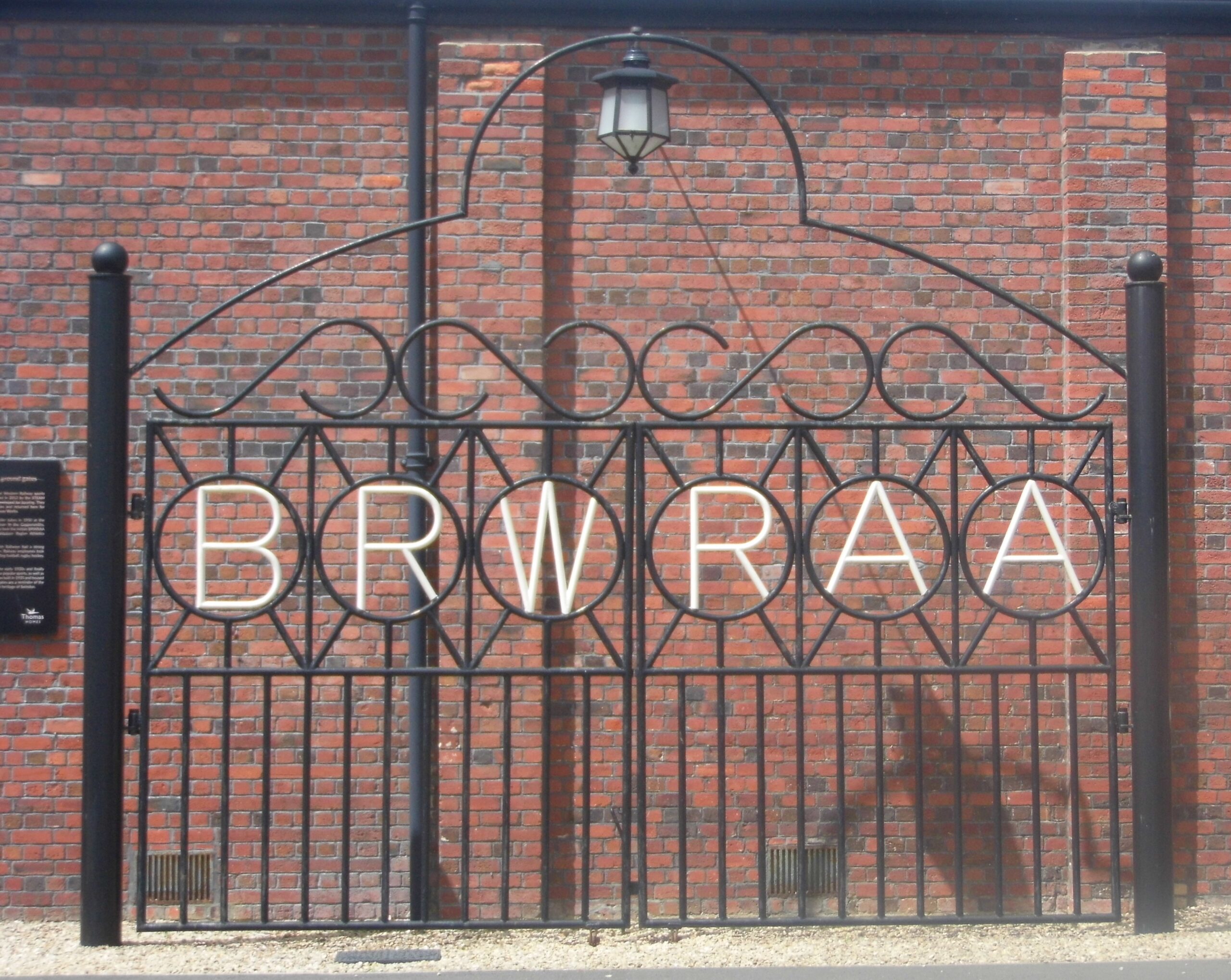
- Sports club gates – this restored set of 12ft iron gates are one of two sets that stood at the entrances to the former GWR sports ground that stood off Shrivenham Road. The ground served as the home of sports clubs for GWR workers and ex-workers from the early 1930s until the site’s closure in 2005. Now they stand on Firefly Avenue as a monument to the sporting prowess of Swindon’s railway workers.
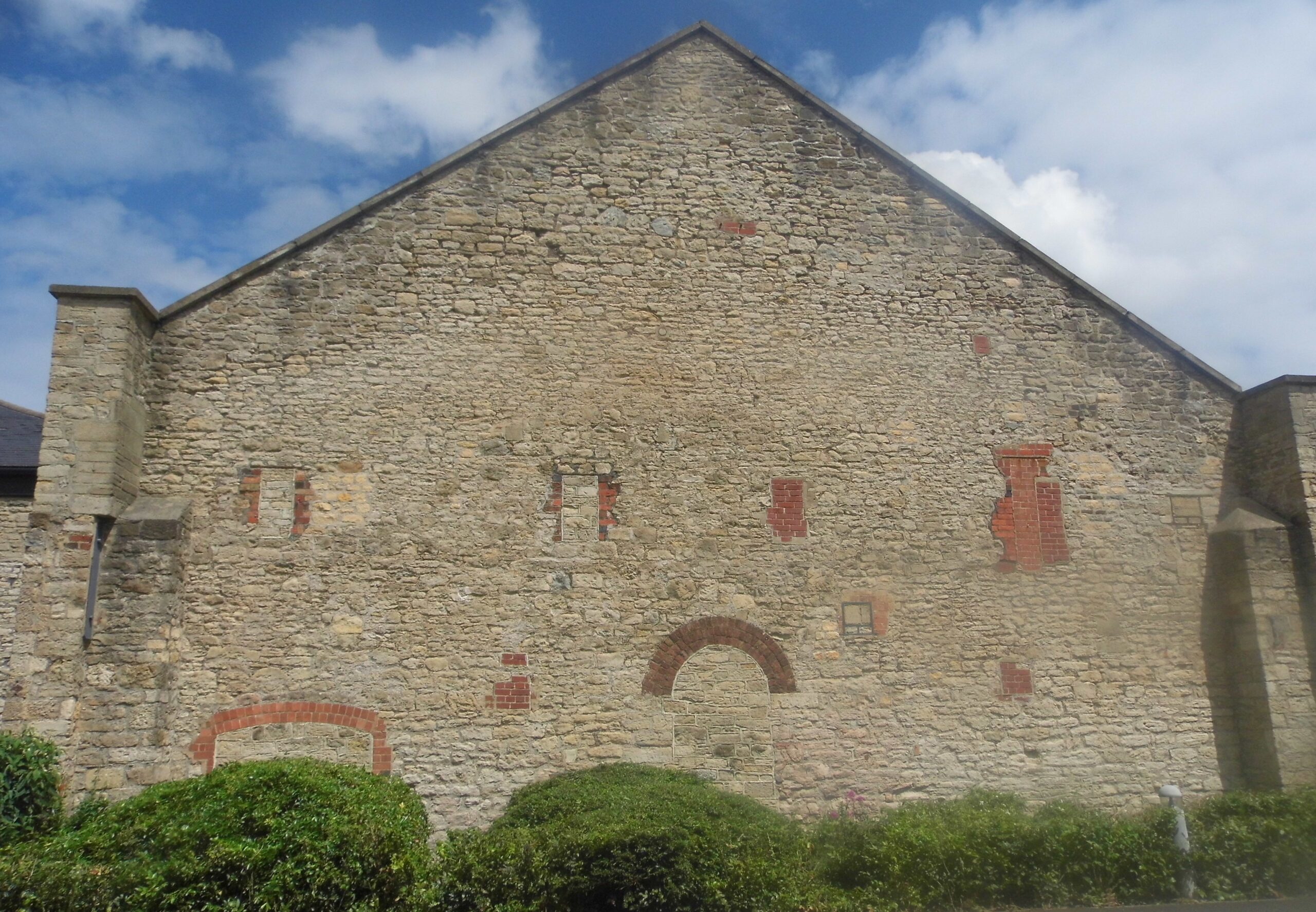
- The wall – to the right of the gates is a wall that must have so many stories to tell – bearing as it does numerous bricked up apertures of a variety of shapes and sizes. I find it just fascinating.
We’re now going to leave Fire Fly Avenue and explore Rodbourne Road.