
Emlyn Square, in the GWR railway village, is the next port of call in our Swindon in 25 Streets journey. Well in actual fact it’s not – but I’m out of synch with my plan due to not being able to get to Local Studies for a while. It’ll all sort itself out in the book.
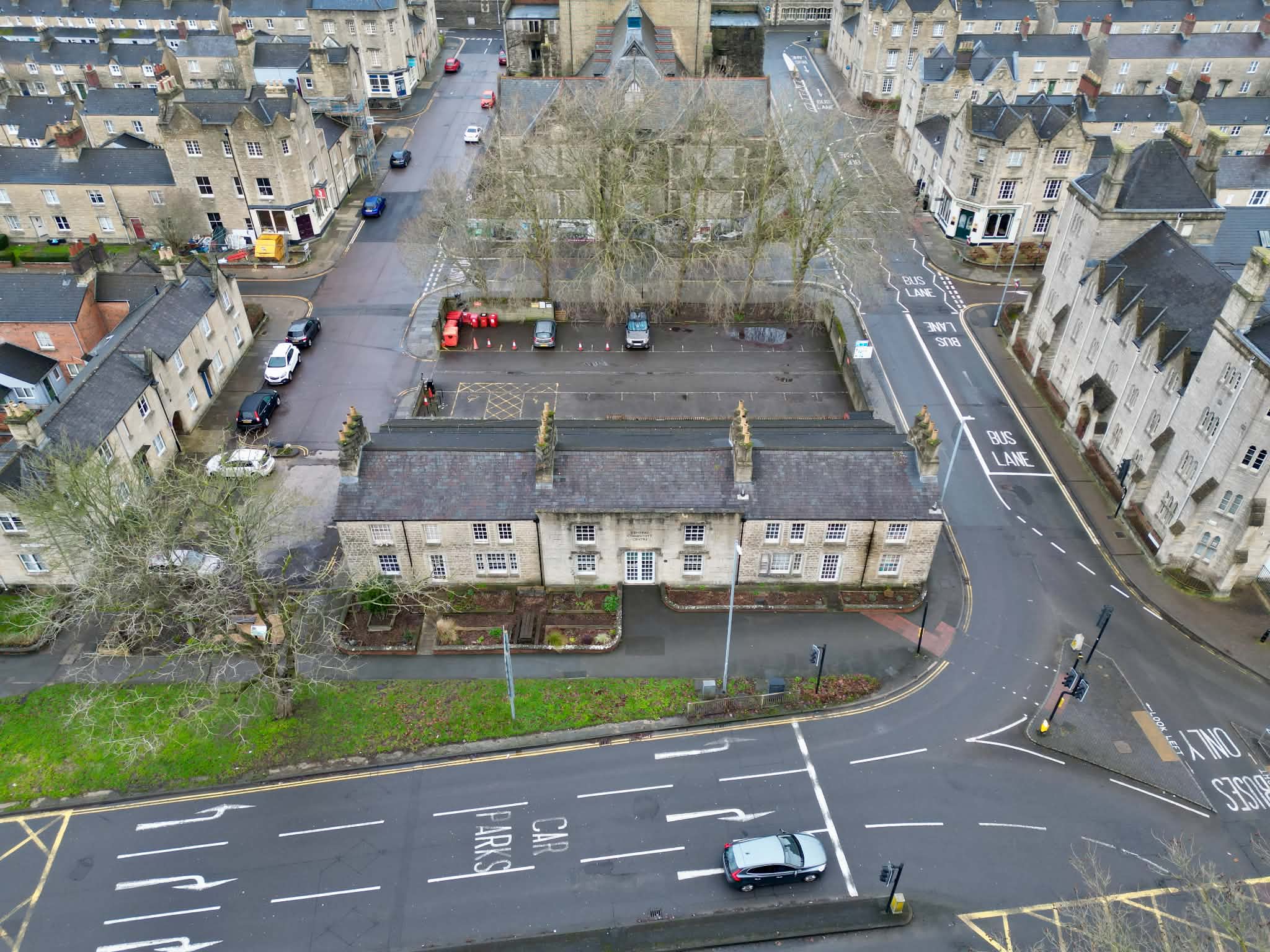
In the foreground is central community centre – the erstwhile GWR Medical Fund Society Hospital.
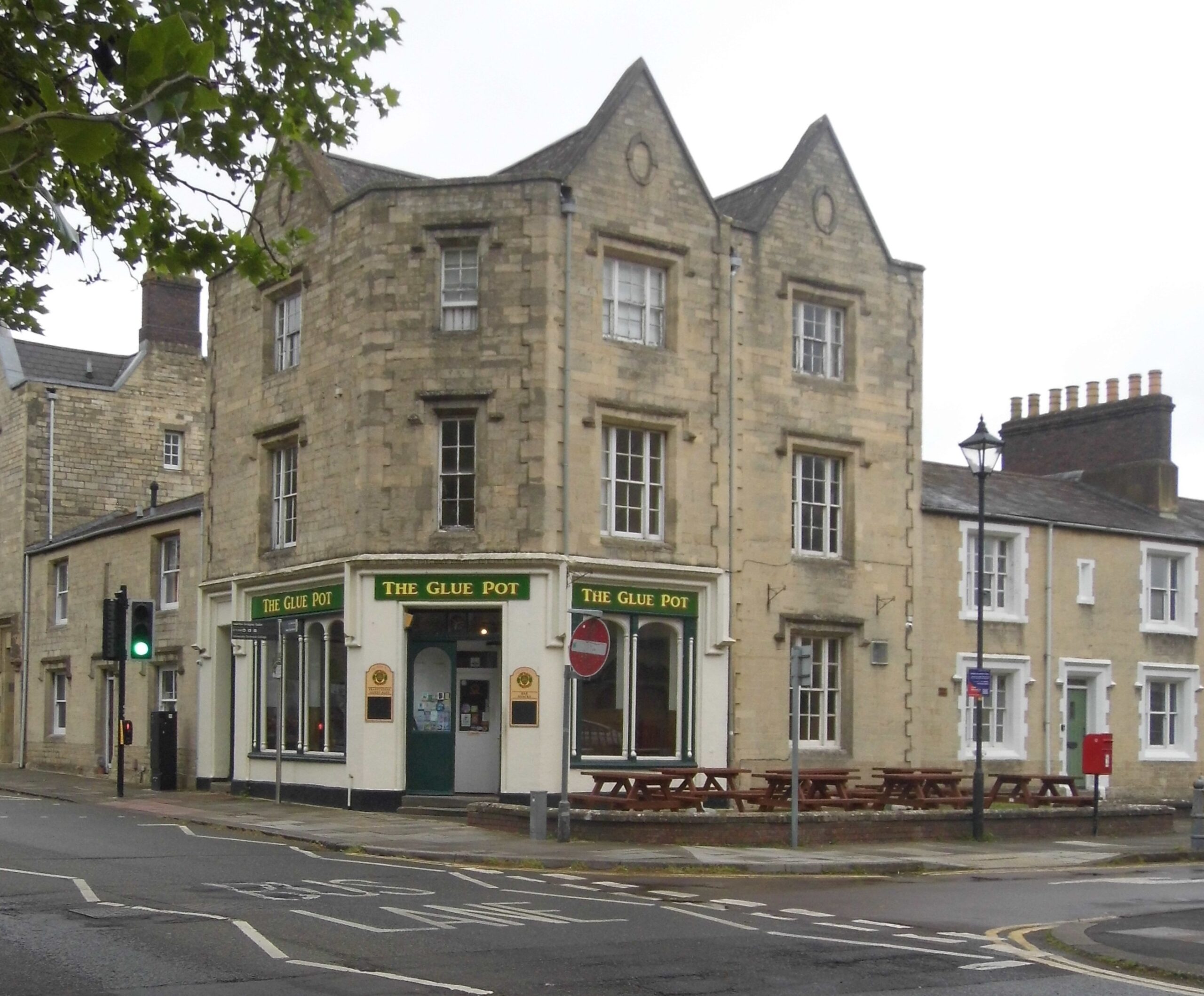
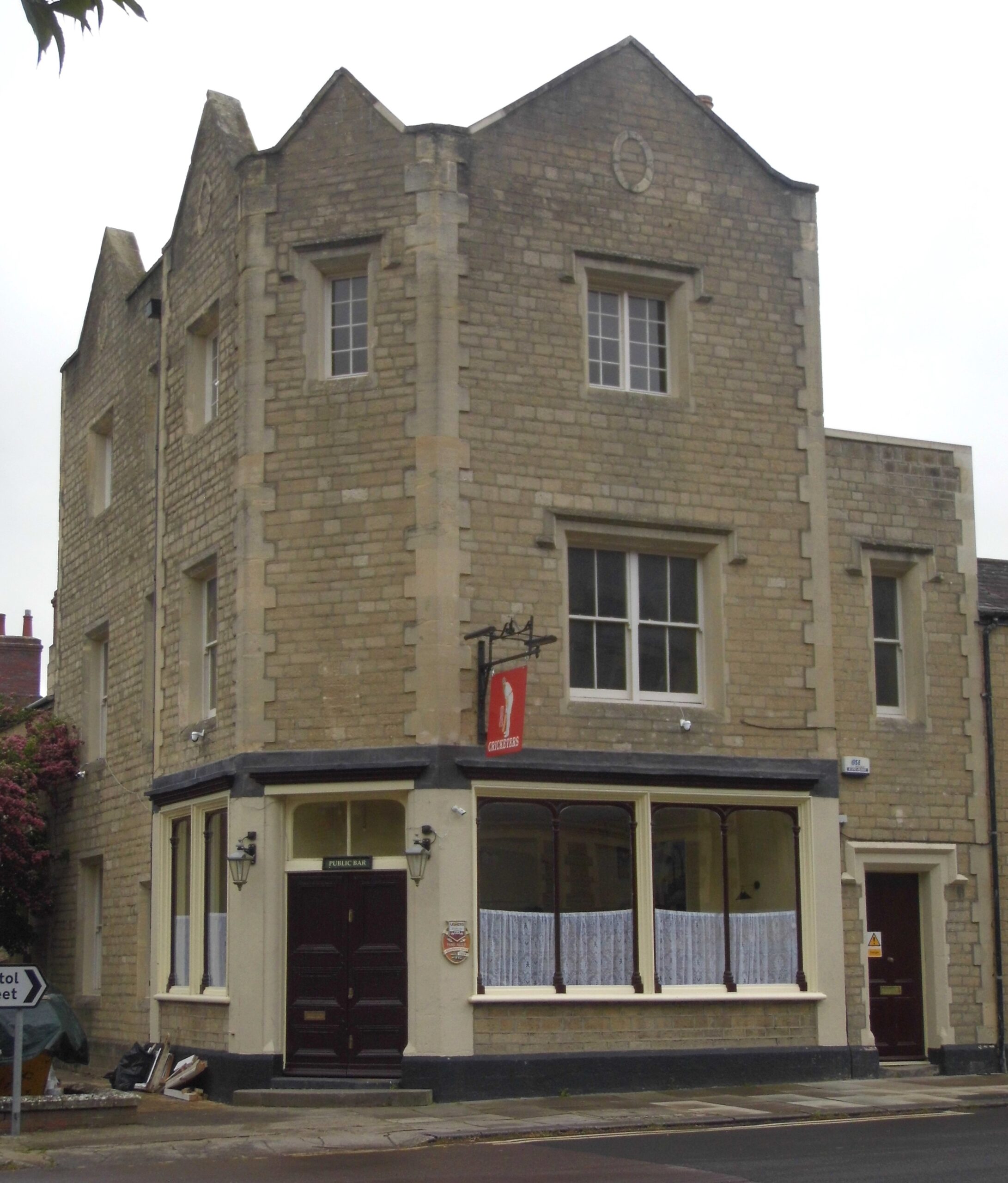
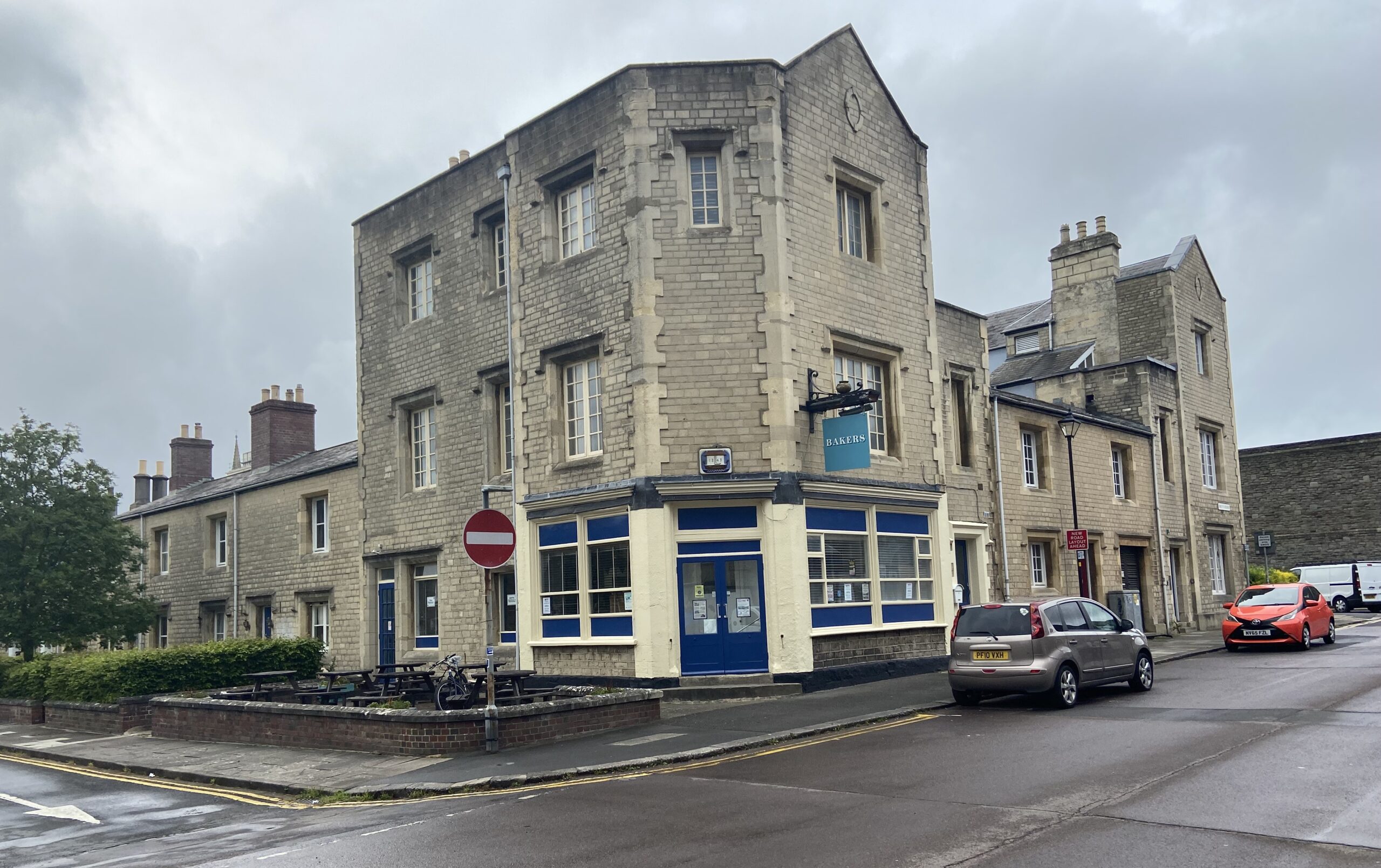
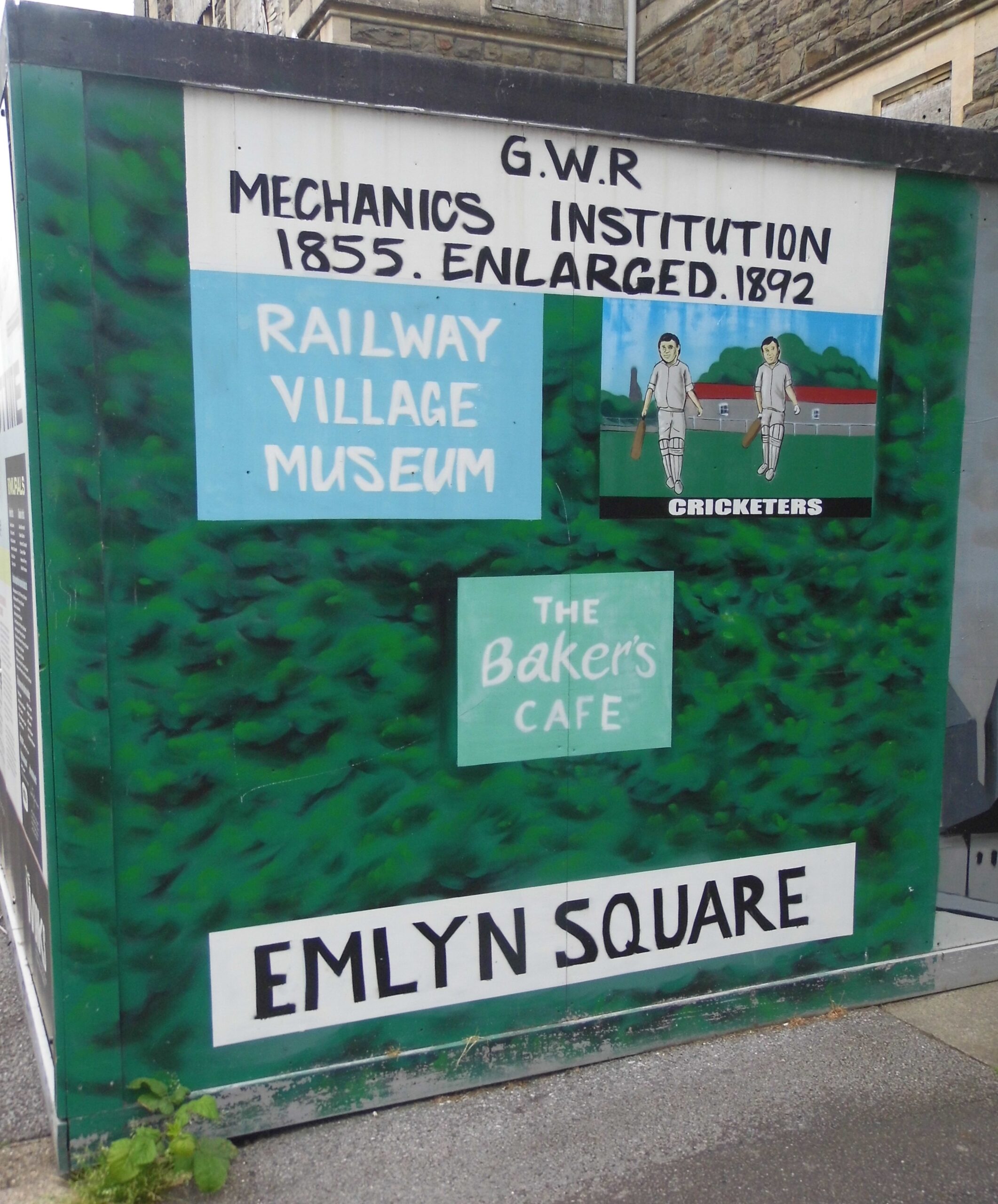
Beyond the car park and the trees sits the Grade II* listed Mechanics’ Institute. To its right, across the road, is the Glue Pot pub – a Swindon legend. To its left is the now refurbished Cricketers and beyond that is what was the Baker’s Arms and is now a community building known simply as The Bakers.
Photo credit: Jason Spickett Swindon from the Air
The middle of the 19th century
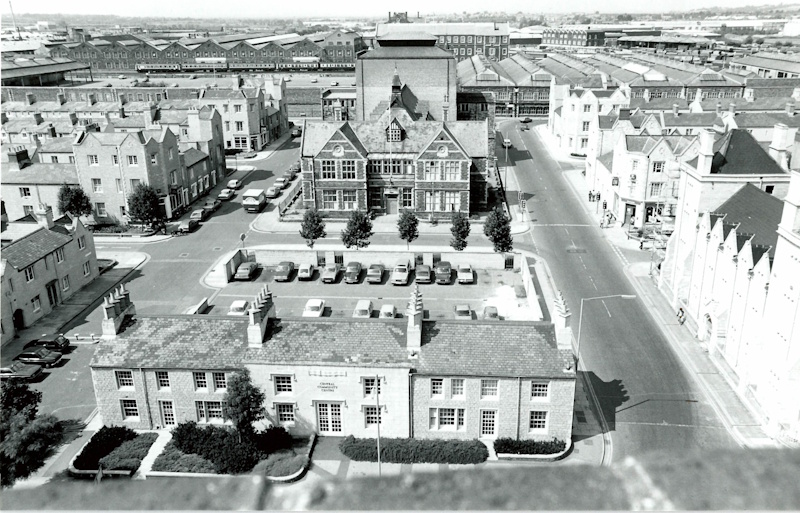
The years between 1842 and 1849 saw the erection of buildings on the west and east sides of an open space that lay at the centre of the developing, symmetrical railway village in New Swindon. A large rectangle of grass, this open space was planted with trees and railed off. The buildings adjacent to it were erected for the purpose of trade – indeed a high street was the original conception of the area and thus it took that name. 1855 saw some of this open space taken by the Mechanics’ Institute. It opened that year with the adjacent octagonal covered market coming soon after.
A smaller area, also railed off, formed on the north side of the MI building. Some eight new shops and public houses were established on either side of the MI and the market. But the most prominent building on Emlyn Square is of course the 1855 Mechanics’ Institute. Grade II* listed this building of staggering social importance is struggling for survival.

Ripe for expansion
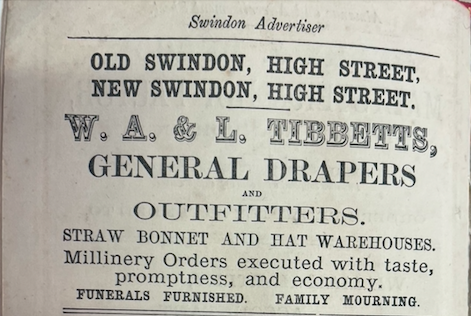
Some Old Town businesses took the opportunity to open branches in the new high street so as to serve the railway families. Tibbetts the drapers being one such as we can see from this advert placed in the Swindon Advertiser.
And, according to this advert, not only could one buy stamps at the post office on this erstwhile High Street, one could have one’s teeth carefully extracted. Amongst many other offerings.
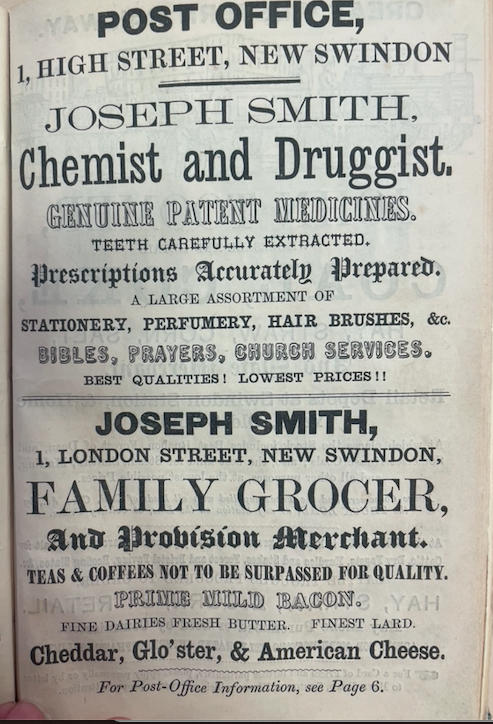
The area of high street immediately to the south of the Mechanics’ Institute and the octagonal market gradually became the location for travelling vendors and livestock sales. And for a while it became known as Market Square, High Street.
A name change
This area of the railway village underwent a name change to Emlyn Square in 1901. The change came in recognition of Frederick Archibald Vaughn Campbell (1847-1911), Viscount Emlyn and later 4th Earl Cawdor – the chairman of the GWR board 1895-1905.
Swindon Heritage Preservation Trust now care for the railway cottage museum, central community centre, the Bakers and the Cricketers. The latter recently brought back into use after extensive refurbishment.
Leaving Emlyn Square, we cross the road behind the Mechanics’ Institution and enter the GWR Workers’ tunnel – that will bring us out at our next port of call: Firefly Avenue.
See also:



There is so much history in this fascinating write-up of Emlyn Square. It once contained 3 pubs and the Staff Association club with bar and skittle ally in the Mechanic Institute, but of course its
raison-detre back in the day was as the centre of governance for the management of New Swindon before its incorporation with Old Town in 1900 to form Borough of Swindon. The Mechanics Institute was the centre of activity for New Swindon. Apart from it being one of the few neo gothic architectural buildings left in the town, this is an important reason for its preservation. It has become a bone of contention for far too long, and with the latest change in local government, its preservation seems to be taking a backward slide again. Swindon is good at demolishing its old buildings, someone needs to take a grip and get this sorted out before it too becomes a just another distant memory for people to reminisce about on Facebook.
Hi Jack
Thank you for your interesting comment.
The Mechanics’ Institute – you’re right – there does appear to be a backward slide again.
And you’re right too about the importance of the building and why it should be preserved. Personally, I think the thing is ugly – but its appearance is of little or no importance. As you say, its value lies in what it represents.