The Broadway Rodbourne Cheney.
Here we have an unremarkable street. It doesn’t have a blue plaque and, to my knowledge, no famous person entered the world in a semi-detached house on The Broadway. Yet its inclusion here allows me to mention an interesting aspect of Swindon’s ancient history.
IMAGE OF STREET view from ground level needed
As with other streets in this volume, The Broadway developed on the site of an old trackway forming a continuation of the Rodbourne Road from Swindon. According to Sheldon/Tomkins the first houses appeared on it around 1907. Though as 1894 saw the opening of the still-standing-still-used primary school I’m none too sure on that point.
There had been an earlier school, opened in 1892. The site and extent of those premises are unknown but records show that, in 1894, when the register listed eighty children, a new school opened on what was the junction of Broadway and Moredon Road.
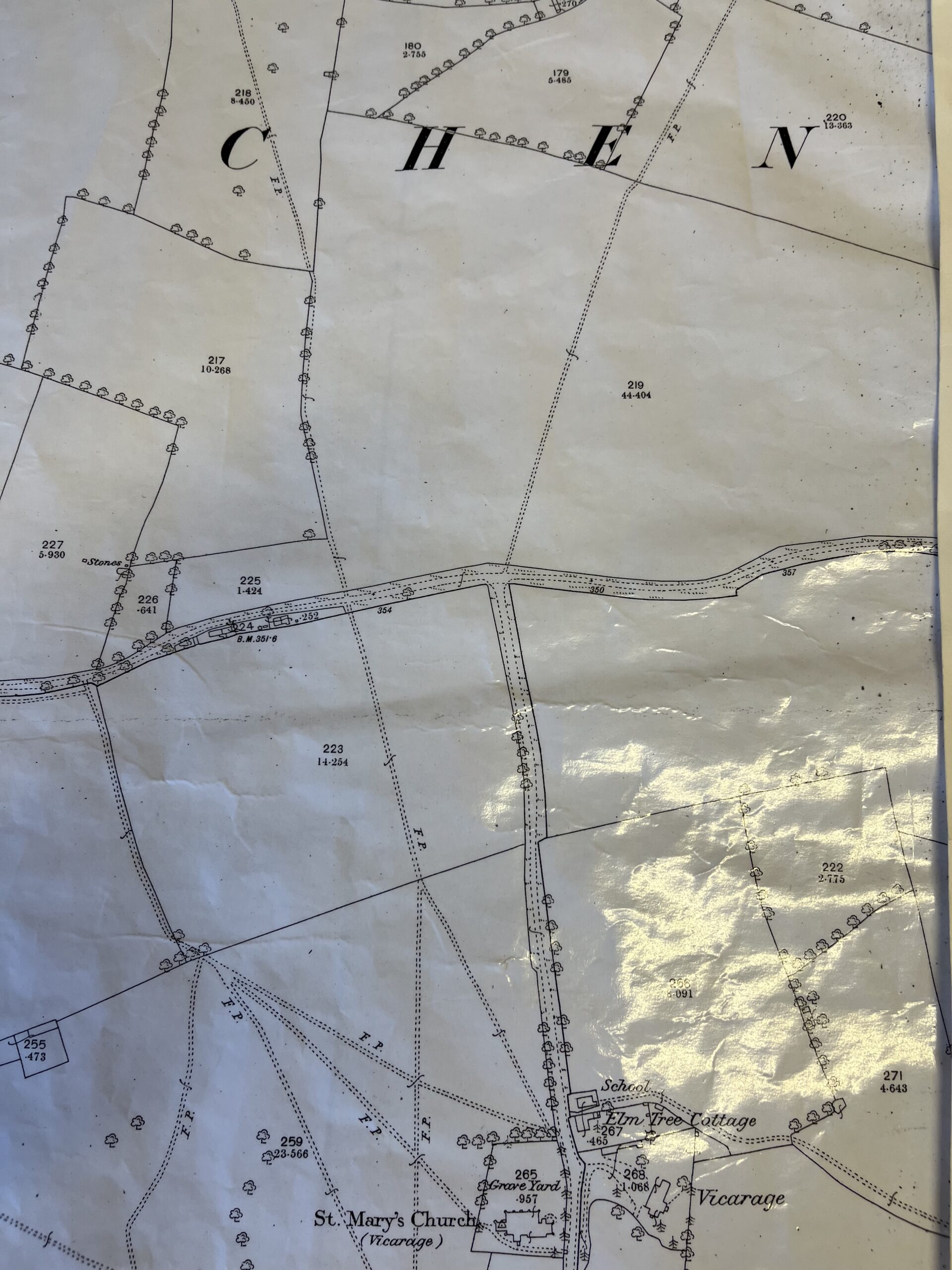
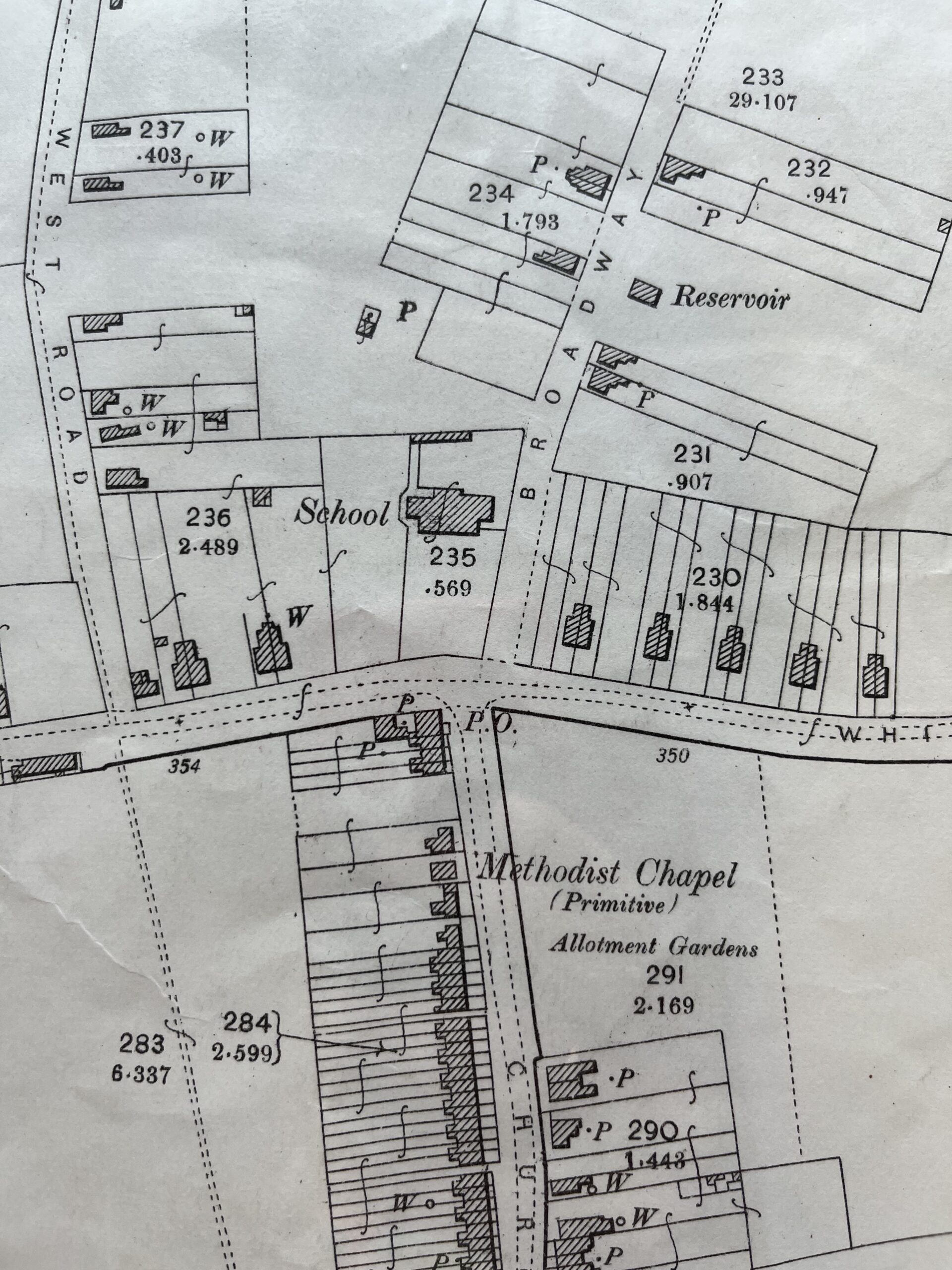
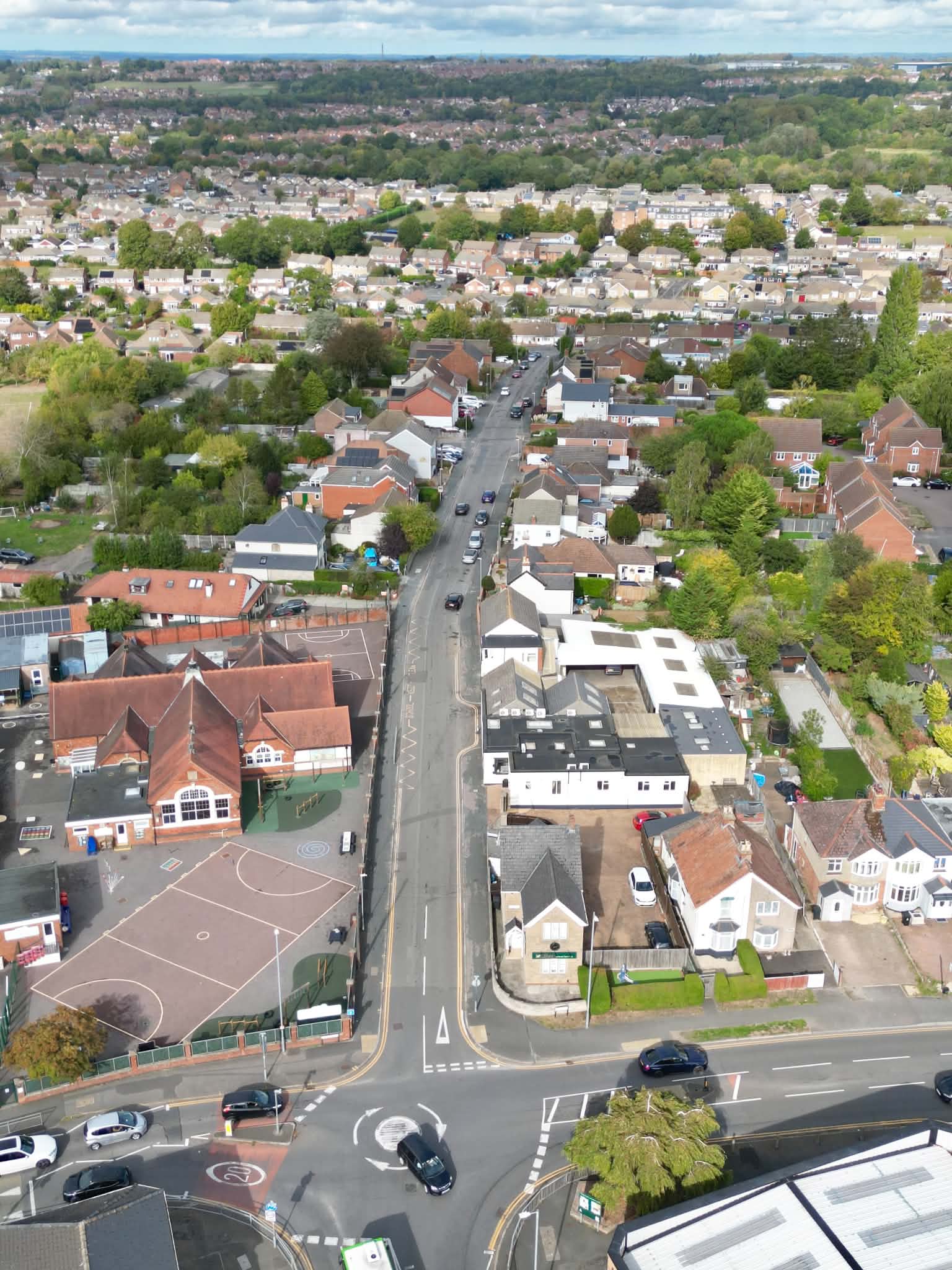
MAGE OF SCHOOL TO COME
From Saxon pathway to Swindon residential street
The Broadway then, traces its roots back to ancient Saxon pathways. Indeed, Sheldon and Tompkins state it bore the name braden weg as far back as 943. The street evolved from being a rural agricultural settlement alongside the historic core of Rodbourne Cheney, and more of that later, first recorded in the Domesday Book, as Redbourne.
From the erection of the first houses, the road morphed into a suburban extension during the municipal housing booms of the 1920s and 1930s. Rodbourne Road lies south, a mere spit from Swindon’s railway area and the outlet centre. But The Broadway runs further north in Rodbourne Cheney. The two streets are approx. 1.5 to 2 miles apart, separated by the rail line corridor and the Cheney Manor industrial estate.
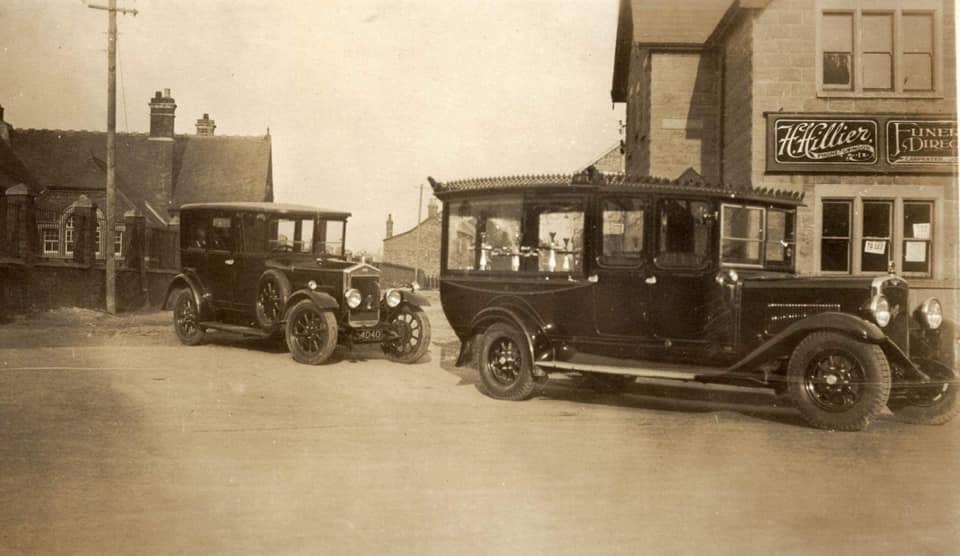
IMAGE – GOING TO GET THE SAME VIEW AS ABOVE HOW IT LOOKS TODAY
The Broadway and urbanization
For centuries this area comprised open fields, farms and a scattering of cottages. In the mid-19th century, the growing GWR Works drove dense terrace building in the vicinity of Rodbourne and the railway village. Meanwhile, Rodbourne Cheney, developed in a later phase of Swindon’s growth, held fast as a distinct place. So, Rodbourne and Rodbourne Cheney, are separate entities both historically and in terms of the way they’re laid out.
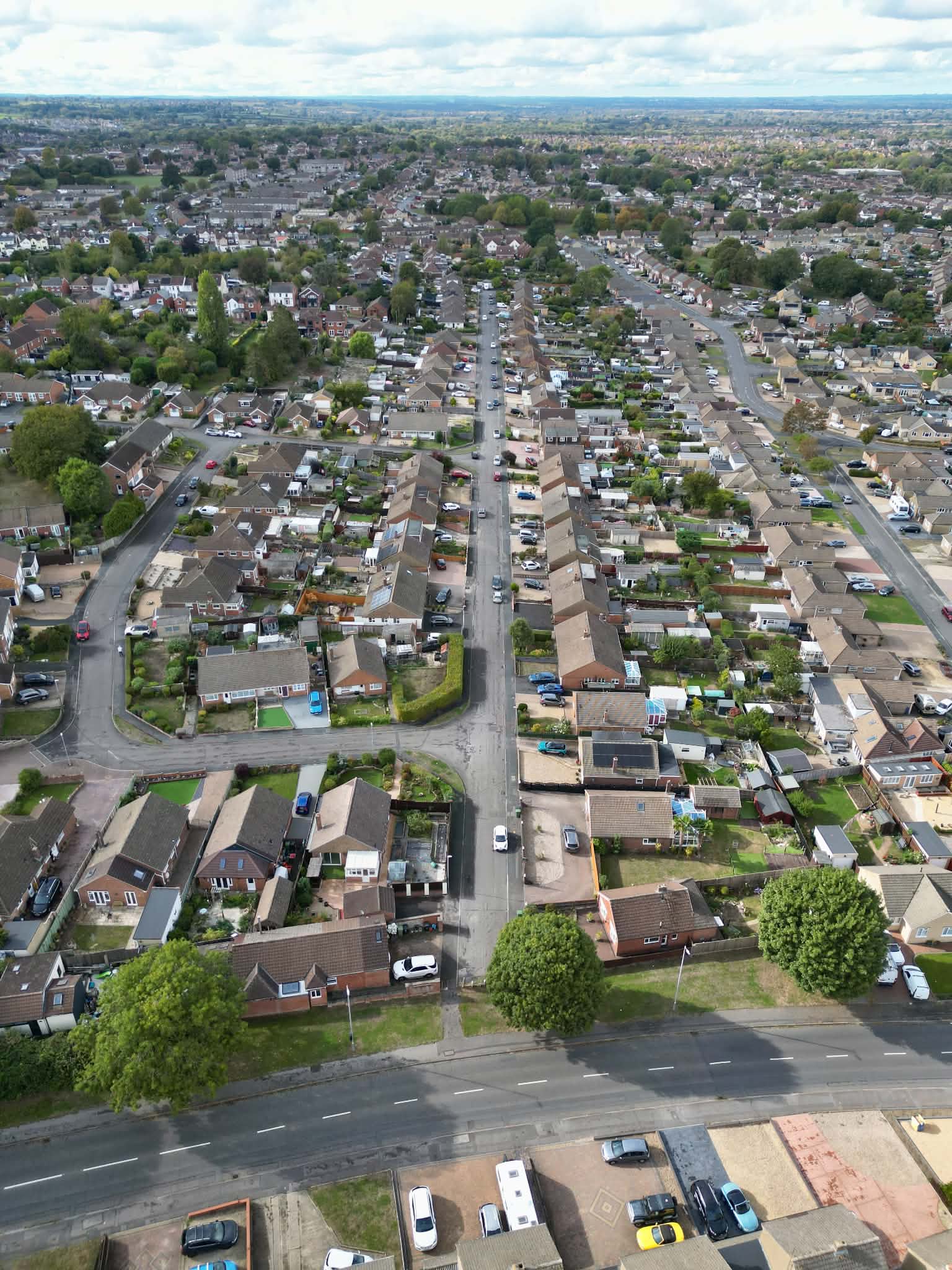
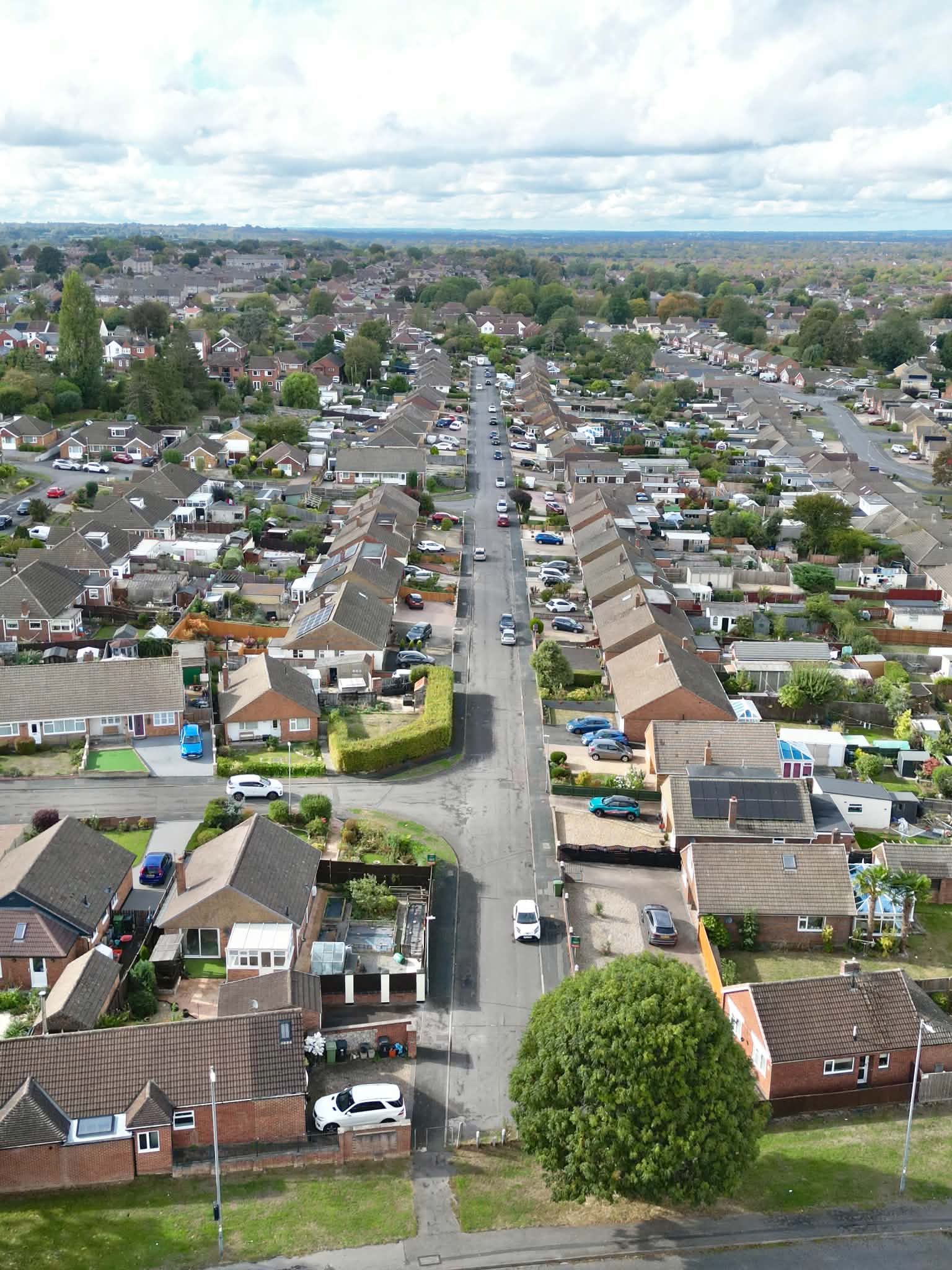
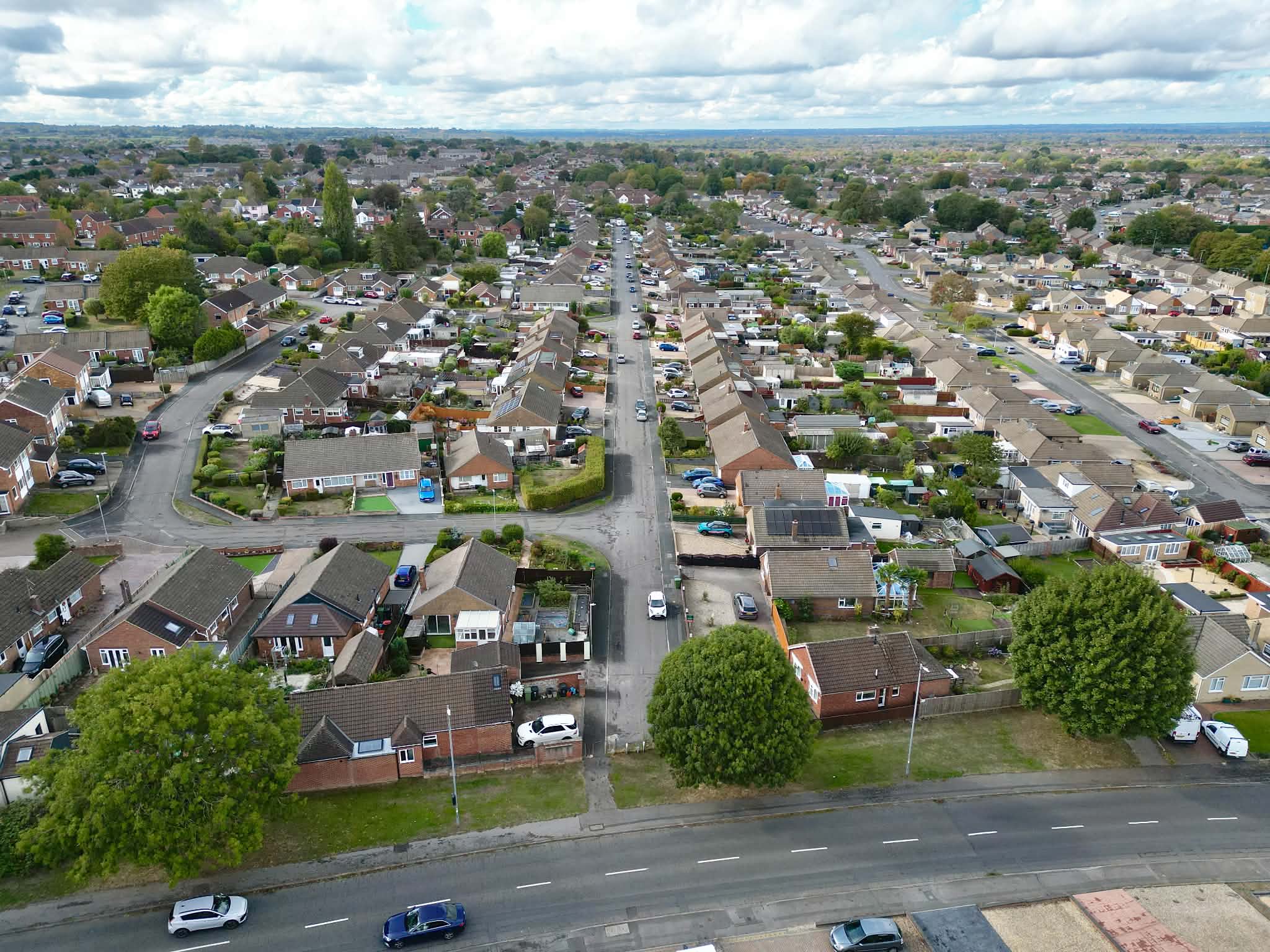
Views of The Broadway from Swindon in the Air
Rodbourne Cheney’s early history
It would I feel be rude to leave The Broadway without giving mention of Rodbourne Cheney’s earliest beginnings.
The name Rodbourne Cheney comes from the Old English Hreod Burna – Old English for ‘reedy bourn/stream’. It references a stream that runs north of the manor house. The suffix Cheney got added on in 1242 when one Ralph Chany (or Ralf le Chanu) held the local manor. (See Swindon in 50 Buildings)
The Domesday book recorded the first evidence of occupancy in the area, when it bore the name Redbourne. The entry listed the inhabitants as three villlains, five borders and one serf. The latter being a peasant of low hereditary class who lived and worked on the manor.
The Manor House, situated in Cheney Manor Road, is a stone tiled, grade two-listed building built during the late 16th century. An area known as Rodbourne Green, once the local village green, surrounds the building and served as a popular meeting place for the local hunt. The green might also have had stocks situated on it for the punishment of the aforementioned lower classes when they stepped out of line.
St Mary’s church (See Swindon in 50 More Buildings), served as the religious heart of the early hamlet near Aker’s Way. Standing on the north side of Akers Way and surrounded by an old stone wall, it was consecrated in approximately 1250. The first recorded vicar at the Church was Johannes Channeu in 1308.