The Redcliffe Art Collective – Well! This week it’s been all about art for Born Again Swindonian. On Wednesday evening myself and Linda Kasmaty went to a happening at St Barnabas’ church in Gorse Hill – apropos the amazing paintings in there. I’ve not yet got round to blogging about that. It’s on my list.
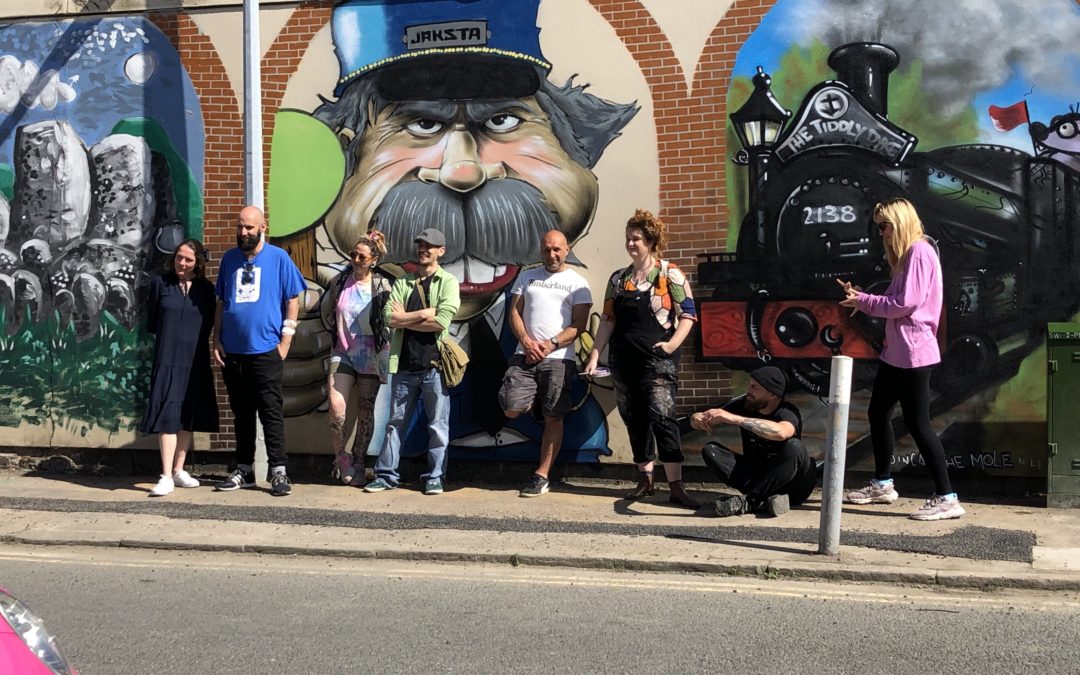
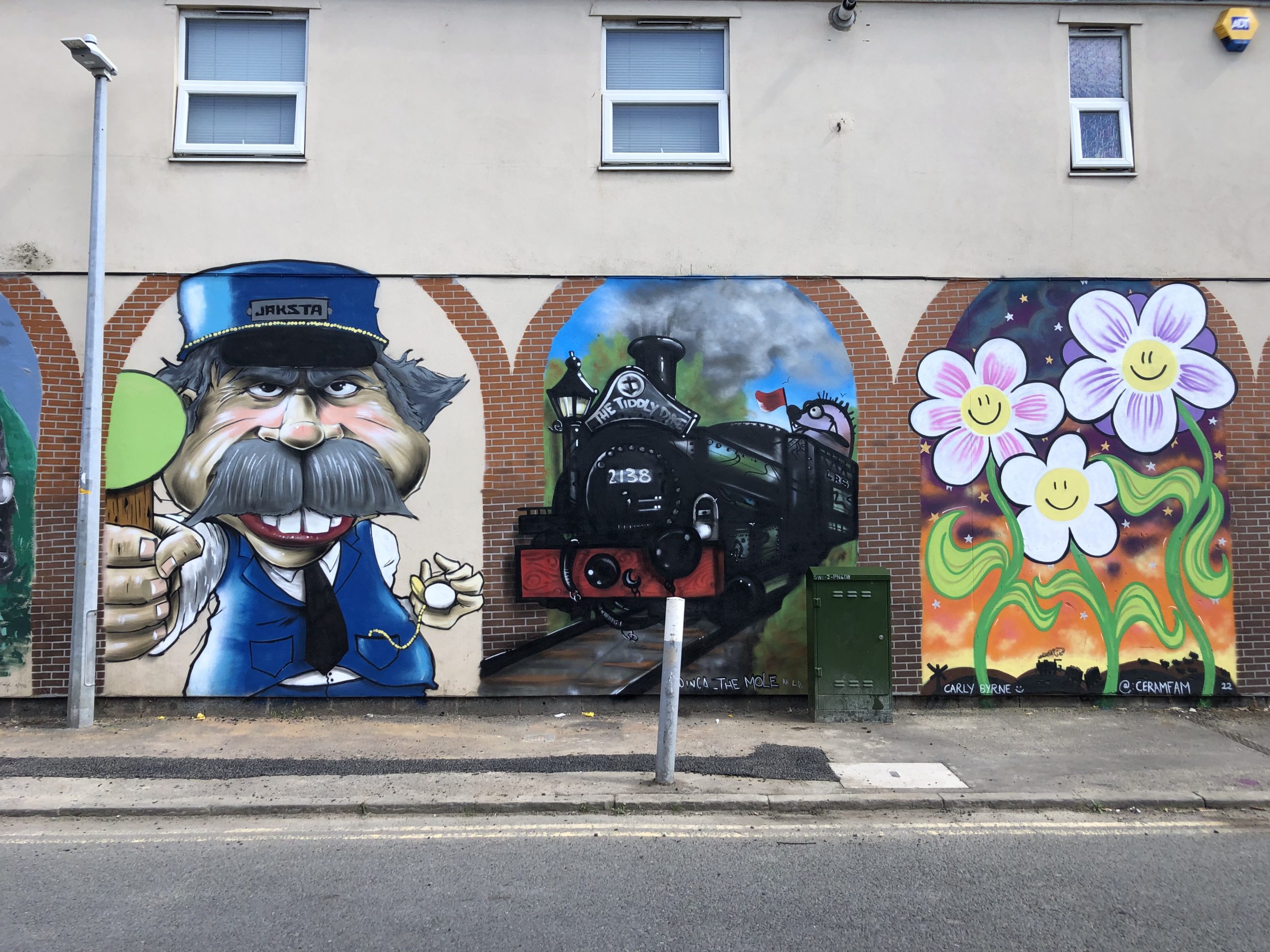
Then yesterday, I went to see Helen Salter, Steve Light and a host of other fab artists in the process of painting what you see below. This is Redcliffe Street in Rodbourne – the proverbial spit from the Outlet Centre.
The Redcliffe Art Collective in front of the Redcliffe Street mural in Rodbourne.
Helen Salter, who I met with yesterday, is project leading this terrific Rodbourne street art community project. With the help of a steering group, Helen and others have taken on the challenge of clearing their streets and making Rodbourne, and by extension, Swindon, a place for us all to have pride in.
Now, I’m not going to lie, this Born Again Swindonian has struggled of late with the Swindon love, what with the loss of the Oasis AND the museum and art gallery. So it IS fab to have something to get excited about. The Swindogs coming next year, def falls into that category – and this does too. And this project is an excellent reminder that, by and large, everything that’s good about Swindon is good despite SBC and not BECAUSE of them.
Back to the street
Anyway – back to Redcliffe Street. This mural is the first heritage-themed street art piece to take place in Rodbourne. And it’s a gift to Rodbourne from the Redcliffe Collective. That’s a group of ten local artists that have come together to use their talent to give this mural to Rodbourne/Swindon residents.
But no-one wants that to be the only one do they? The artists don’t for sure!
Well – with your help they can do more. Heck they could make Rodbourne known for something other than the Dolphin (featured in Swindon in 50 Buildings) and the Outlet Centre. Apologies in advance if Rodbourne has some other attraction that I’m ignorant of.
And yes – I KNOW – times are tough right now. But if you can only spare £1 – that helps. EVERY bit helps. That said, Go Fund me don’t take anything smaller than £5. So if you DO want to make a teeny – but welcome – donation then get in touch with them on their Facebook page here.
The group will use any money raised to buy more materials and equipment for future projects.
Find them here on Facebook: https://www.facebook.com/theredcliffecollective – go and see them and bung the a quid or two! They deserve your support don’t they?This is the start of something WONDERFUL. #SwindonIsAwesome
Muraltastic Swindon
Many years ago now, Swindon-artist Ken White made Swindon the mural capital of the UK – though he painted many murals in other parts of the country and abroad too. I happen to have written a book about Ken –more info on that here. #JustSaying
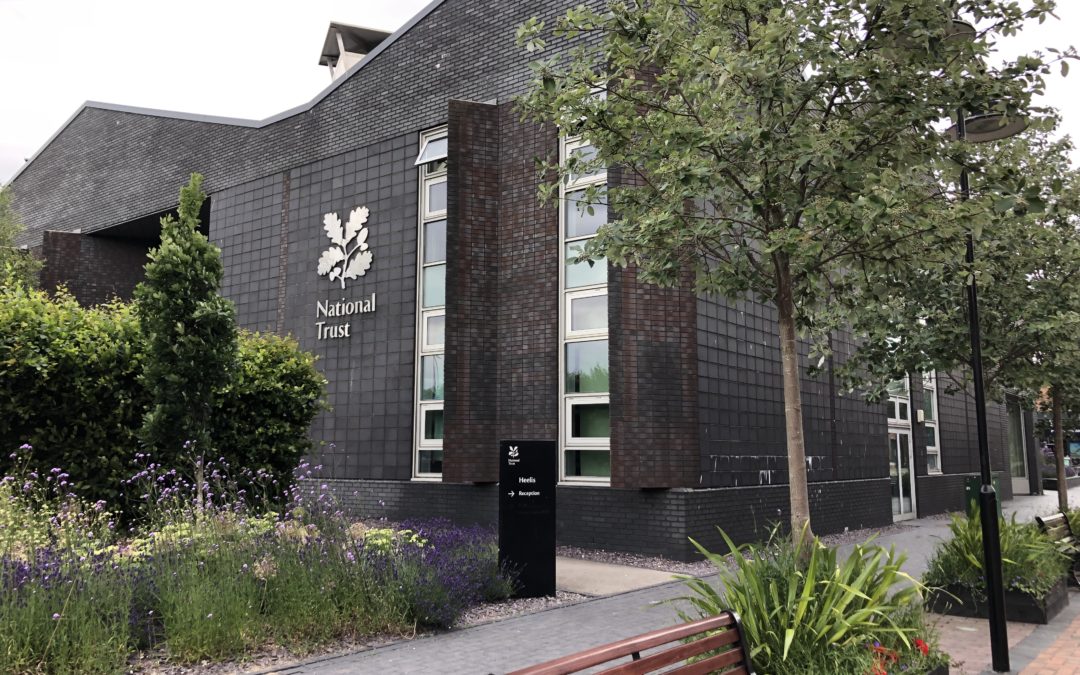
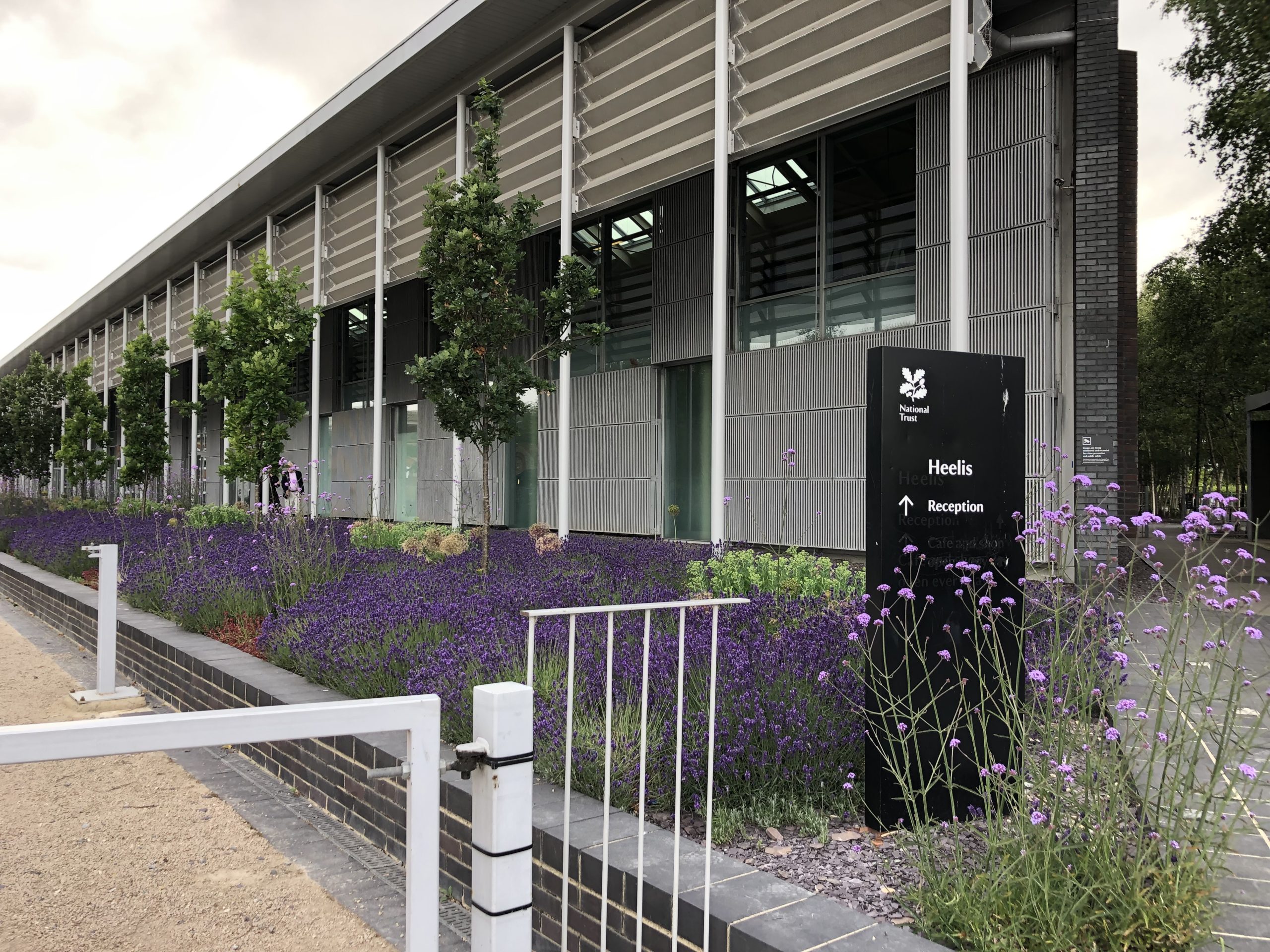
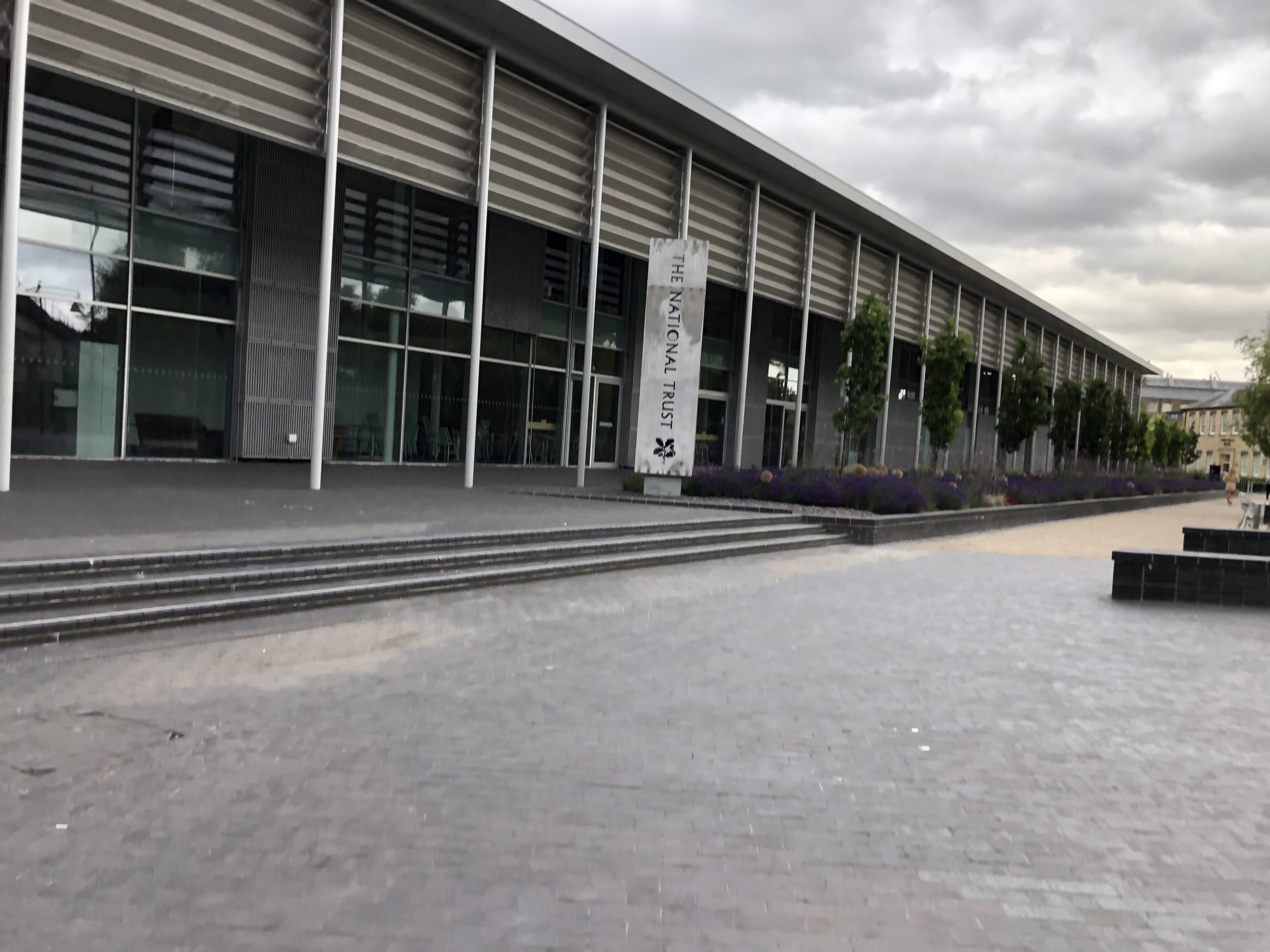
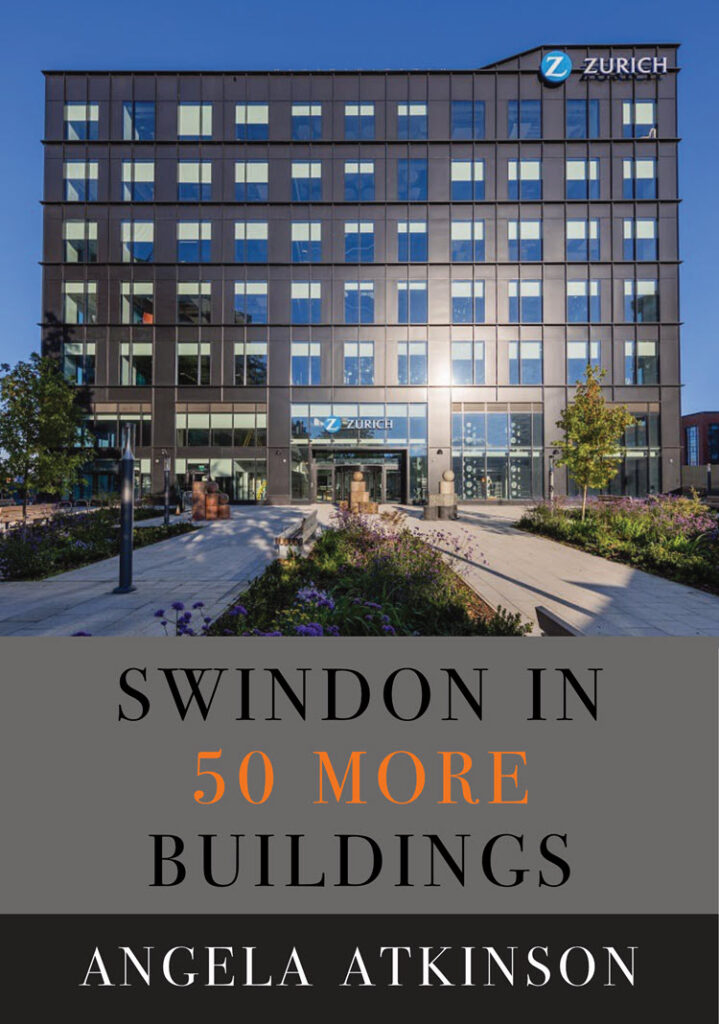
I’ve had to rather neglect Swindon in 50 more buildings to make room for other projects. But a visit to STEAM and therefore a walk right past Heelis, prompted me to do a post about the building. And another one in this series.
“Heelis, the National Trust central office in Swindon is an exemplar in two vital areas.
It demonstrates that it’s possible for buildings with normal commercial constraints to be green and at little extra cost.
1. The commitment from both the project team to make vigorous measurement of the building and to work at close quarters with the occupiers of the building to ensure it meets its targets.
2. Other features include timber sourced from National Trust forests and un-dyed carpets sourced from Herdwick sheep, which helped a small producer stay in business.
A right royal objection
At risk of having you all throw up your hands in horror, I’ve got a lot of time for a lot of what Prince Charles has to say. But not so much when it comes to architecture. I’m of the opinion that much of what he spouts on that topic, comprises twaddle. Ergo I’m not that surprised to read that he apparently threatened to quit his National Trust patronage unless the designs for Heelis saw some alterations.
It seems that there were allegations in The Guardian, claiming that the prince took against the initial designs for the £14.5m building. Apparently, Clarence House told the newspaper that the argument arose over the building’s sustainable principles. A spokesperson said: ‘The prince won’t offer his personal patronage of a building that doesn’t feature the principles of sustainability he personally espouses.’
All of which seems a little … odd… given that the completed building gained a BREEAM Excellent rating.
BREEAM or Building Research Establishment Environmental Assessment Method is used to masterplan projects, infrastructure and buildings. So you think they’d know eh?
MORE THAN 2,000 ‘HAF’ SPACES ON OFFER FOR THE REVOLUTION PERFORMING ARTS’ SUMMER HOLIDAY PROGRAMME
2000 HAF spaces with RPA. Swindon-based Revolution Performing Arts (RPA) has more than 2,000 summer Holiday Activity and Food Programme (HAF) places available. The places are for young people aged between four and 18 years.
HAF sessions
The HAF sessions, first launched last year by celebrity footballer, Marcus Rashford MBE, have been a big success. So, RPA is again offering support to families on low income and to children who receive benefits-related free school meals. The scheme allows all children to take part in the performing arts sessions on an equal footing regardless of family income.
The Government’s £220 million HAF programme has been available to councils across the country. With it they run the programmes locally through various holiday clubs. Thousands of young people have already benefitted. Those clubs must commit to:
1. Providing nutritious food 2. Activities such as arts and crafts 3. Sport and music
All to the children who would get free school meals during term time at school.
2000 HAF spaces with RPA -Fiona Da Silva Adams
Only RPA
RPA is the only performing arts company in Swindon offering this programme. The organisation has 40 places available at each qualifying session, making a total of 2,240 places throughout the summer.
Founder of RPA, Fi Da Silva Adams, said: ‘School holidays can be a particularly difficult time for some families due to increased food and childcare costs. And reduced incomes and can mean that families struggle to provide both food and activities for children.
‘Back in the day, I was one of those children so I know what it feels like and, for me, dancing and singing were my salvation. To be able to support all children now with such joyous activities, regardless of their family’s financial situation is such a blessing for me and my team.’
The activities on offer in the HAF programme at RPA are:
1. Singing and dancing 2. Acting 3. Circus and physical theatre workshops 4. Arts and crafts and loom bands 5. NERF guns, den building and outdoor activities
RPA is offering 40 places each morning and each afternoon for four days over four weeks at three different venues.
‘With Covid19 having affected so many young people’s mental health, our young boys and girls need to feel great now, so I’m doing all I can,’ said Fi.
Where are they happening?
The HAF Programme is being held at the following three venues:
1. The Croft Primary School, Marlborough Lane, Swindon SN3 1RA 2. Swindon Academy, Beech Avenue, Swindon SN2 1JR 3. Westrop Primary School, Newburgh Place in Highworth, SN6 7DN.
All the RPA leaders have enhanced DBS police checks and have received full safe-guarding and first aid training.
Fi’s message to parents and carers is this: ‘RPA is all about warmth, love and inclusion. The children don’t have to have any special talents and there are no auditions or exams. They come here to enjoy themselves and shine!’
Paralympian will be one of the voices of the British Open Wheelchair Tennis Championships 2022
Paralympian voicing wheelchair championships. Former British wheelchair tennis player from Wroughton, Louise Hunt will return to the British Open Wheelchair Tennis Championships this year as a commentator. A mere 26 years after she first competed in the tournament at the age of five.
The 31-year-old will commentate the event between Wednesday July 13 and Sunday July 17. That’s a few short days after doing the same job at the iconic Wimbledon championship. This event though is super special because Louise first competed there in Nottingham in 1996.
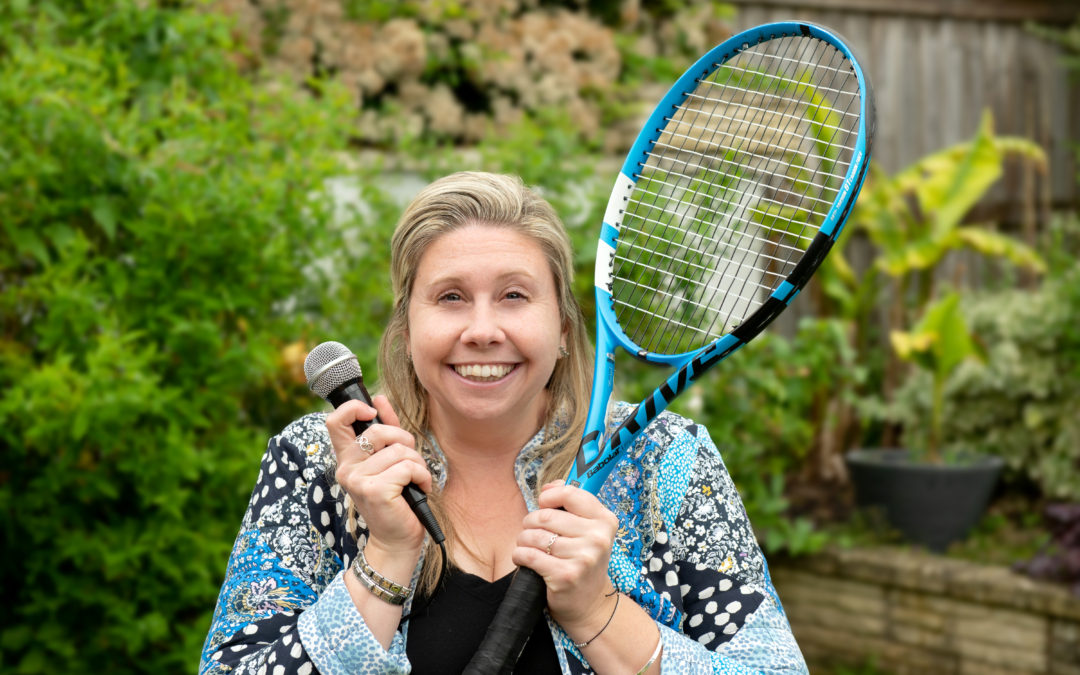
Paralympian voicing wheelchair championships Louise Hunt, Paralympian, photographed by Barbara Leatham Photography on June 6th 2022 in Wiltshire
A welcome invitation
‘I’m humbled to receive an invitation to be a part of the British Open Wheelchair Tennis Championships this year. Having played in this event almost every year since the age of five, from the junior division to the main draw, it’s somewhere that feels like a home away from home. It holds many great memories for me,’ Louise said.
The athlete won’t only be commentating though. She’s also received a request to take several other roles. These include overseeing the work of the volunteers who help the smooth-running of the event run. And also being part of the two-day schools’ festival which takes place and supporting the ball crews during the tournament.
‘I’m honoured they’ve asked me to be a part of many things across the event. From commentary, working with volunteers, to helping with the schools festival. My roles and responsibilities encompass all I’m passionate about. That includes empowering young people with disabilities to embrace sport. In fact, all young people to embrace sport.’
She represented Great Britain at the London and Rio Paralympics, and has won 13 senior singles and 41 senior doubles titles, with a career-high world ranking of 10.
Her first senior title came in 2009. She made two Wimbledon appearances as a player. In 2015 in the doubles and the following year in both the singles and doubles event – the first year singles took place at the event.
She’s also an adviser to businesses and corporations around being inclusive. For more information about Louise please visit http://www.louisehunt.co.uk
Poppy’s doggy paddle will make a splash for charity
July 2022
Poppy’s charity doggy paddle – Swimmers taking part in one of the swim calendar’s most popular events will once again have a four-legged contestant to compete against.
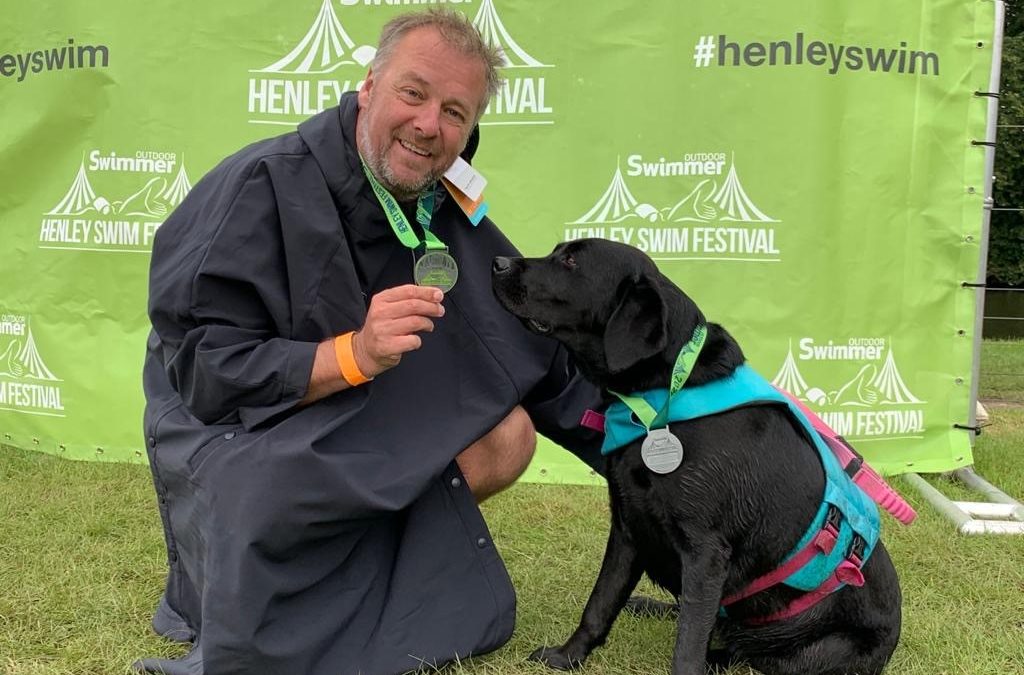
Because, alongside the many two-legged entrants in the Henley Swim Festival on July 10 will be black Labrador Retriever and swimming enthusiast Poppy. And Poppy’s doggy paddling to help raise funds for SwimTayka!
Poppy belongs to the charity’s founder, Bryan Avery, and she’ll join him for the mile-long swim. This will be the third time Poppy has taken part, and she hopes to beat her personal best of little over 30 minutes.
Poppy is getting sponsorship to raise funds for SwimTayka. SwimTayka runs programmes around the world, teaching children to swim. All to help combat the alarming annual statistic of 360,000 global deaths from drowning.
Poppy’s charity doggy paddle – Bryan Avery with Poppy
‘This is the third time Poppy has taken part and we’re grateful to the organisers of Henley Swim Festival for allowing her to do so,’ said Bryan, from Swindon.
‘We’ll join the last wave of the event and ‘m sure she’ll love it. She loves the fuss people make of her and it’s a great way of raising awareness of SwimTayka too.’
Five-year-old Poppy will swim behind Bryan, wearing her special dog float coat. Bryan himself is a keen open water swimmer. He swims often at Lake 32 on Cotswold Water Park and is often accompanied by Poppy.
Bryan said: ‘She’s done soooo well the last two years, and I’m sure she will again. We’ve been training hard, and are all set. The fact that we are raising money for SwimTayka gives us even more incentive.’