The Planks and Market Square Old Town.
I’m planning on arranging the Old Town section of the forthcoming Swindon in 25 Streets book in something of the order one might walk them. Hence we have: before we walk along High Street and round onto Wood Street we’ll take a wee detour to Market Square and The Planks. As you can see from the map below, the Planks leads off from Market Square. From 1866 part of the walkway from Market Place ran beside the Corn Exchange.

There isn’t a huge amount to say about either. But what there is needs saying as both comprise small but significant pieces of Old Swindon’s history. The latter, from the days when Old Town was Swindon, is the site of Swindon’s town hall/crumbling Corn Market and latterly the Locarno.
As for The Planks – well it’s an ancient walkway and carriageway between the Market Square and Lawn – the Goddard estate. The walkway allowed for free passage to the estate’s stables, coach houses and cottages. It also gave access to worshipers going to the old church of Holy Rood.
Frequented by horses and carriages, this walkway was prone to becoming muddy. Thus, the construction of the raised flagstone pathway and retaining wall on the north side. That meant that residents walking to church in inclement conditions didn’t arrive there with footwear and clothes muddy and wet.
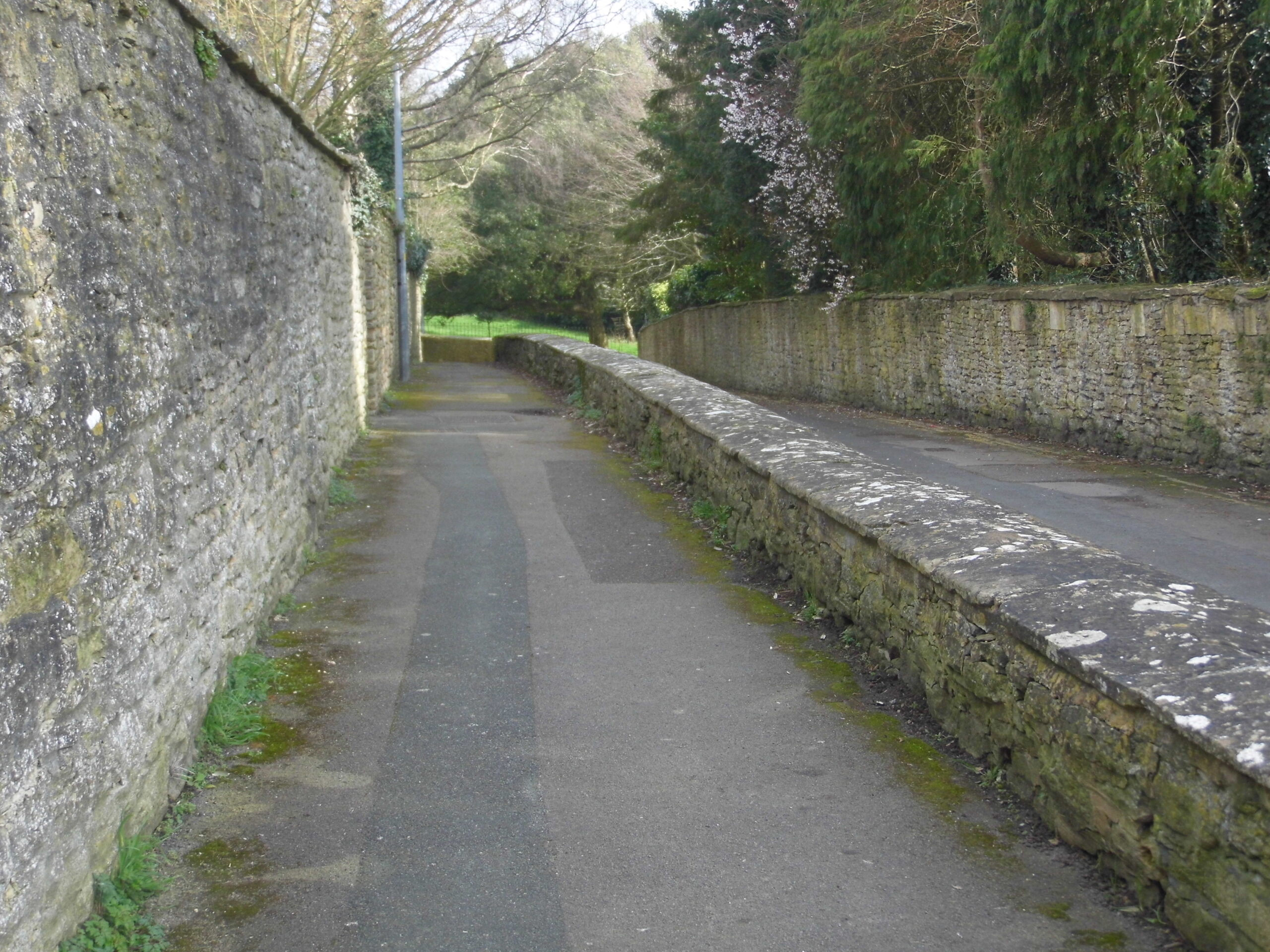
Well into the 20th century several buildings lined the walkway – the former vicarage being the most notable. The walkway began alongside the vicarage garden, almost opposite the Goddard’s family stables. This 17th century stone building became business premises in its later life, before being demolished in 1973.
In the 19th century, Lord of the Manor, Ambrose Goddard, erected posts across the way. This action resulted in an altercation between himself and William Read, surveyor to the Old Swindon Local Board
The name?
Well planks (or plankstones) is an old Wiltshire word for flagstones. Hence: The Planks. These days though, as the image shows, though the original wall remains, the walkway is now one of tarmac rather than flagstones. I’m told there’s an entry in the Old Town local board minutes for 1868 that refers to the ‘old church planks.’
Several buildings bordered the walkway well into the 20th century – most notably a former vicarage. This 17thcentury stone building underwent conversion into business premises only to be demolished in 1973.
The estate’s former stables and coach house remain though and were used as private auction rooms until closed in 2003 and then redeveloped.
Walk to the end of The Planks and turn right onto Old Mill Lane. Walk along for a few yards and on your left, butted up to some stone walling, you’ll find a blink-and-you’ll-miss-it squeeze belly stile. One Richard Jefferies, Jefferies (famed Victorian nature writer born at Coate) used this stile on his daily route from his home at the Coate farmhouse* to Old Swindon and back. Thus, this remnant of bygone days carries quite some historic significance.
As for Market Square – well that explains itself – it’s where the rotting Corn Exchange-cum-Locarno stands.


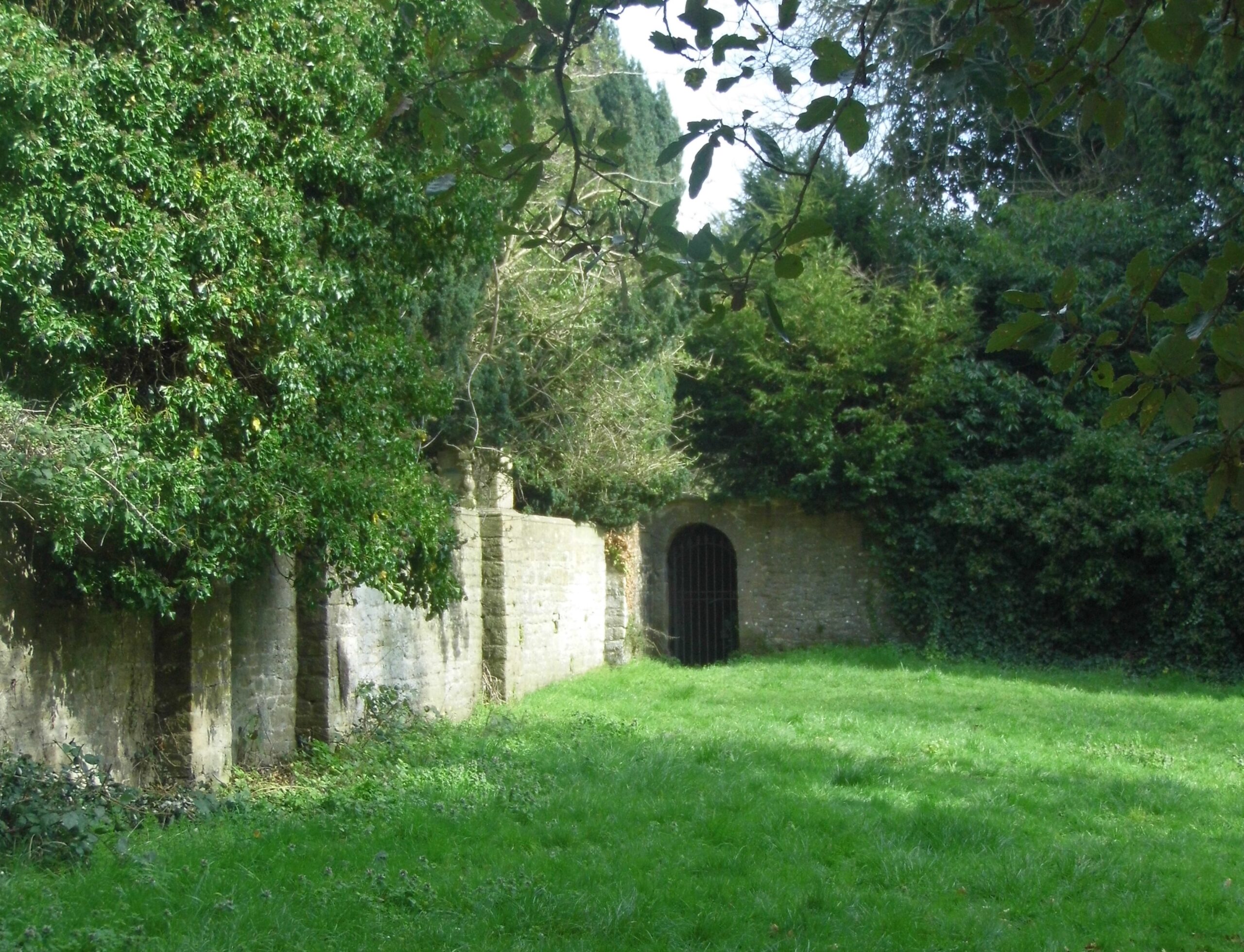
*Richard Jefferies’ Coate birthplace is now the splendid Richard Jefferies Museum.
See also Richard Jefferies Old Town trail – here and in my Born Again Swindonian Guide book:
https://swindonian.me/swindon-a-born-again-swindonians-guide/