7th December 2023
Turner Art Project Success. The Athelstan Museum in Malmesbury is celebrating its three-year JMW Turner Malmesbury Abbey project as a huge success. The celebration comes after completion of a report detailing its impact.
It began in the before times
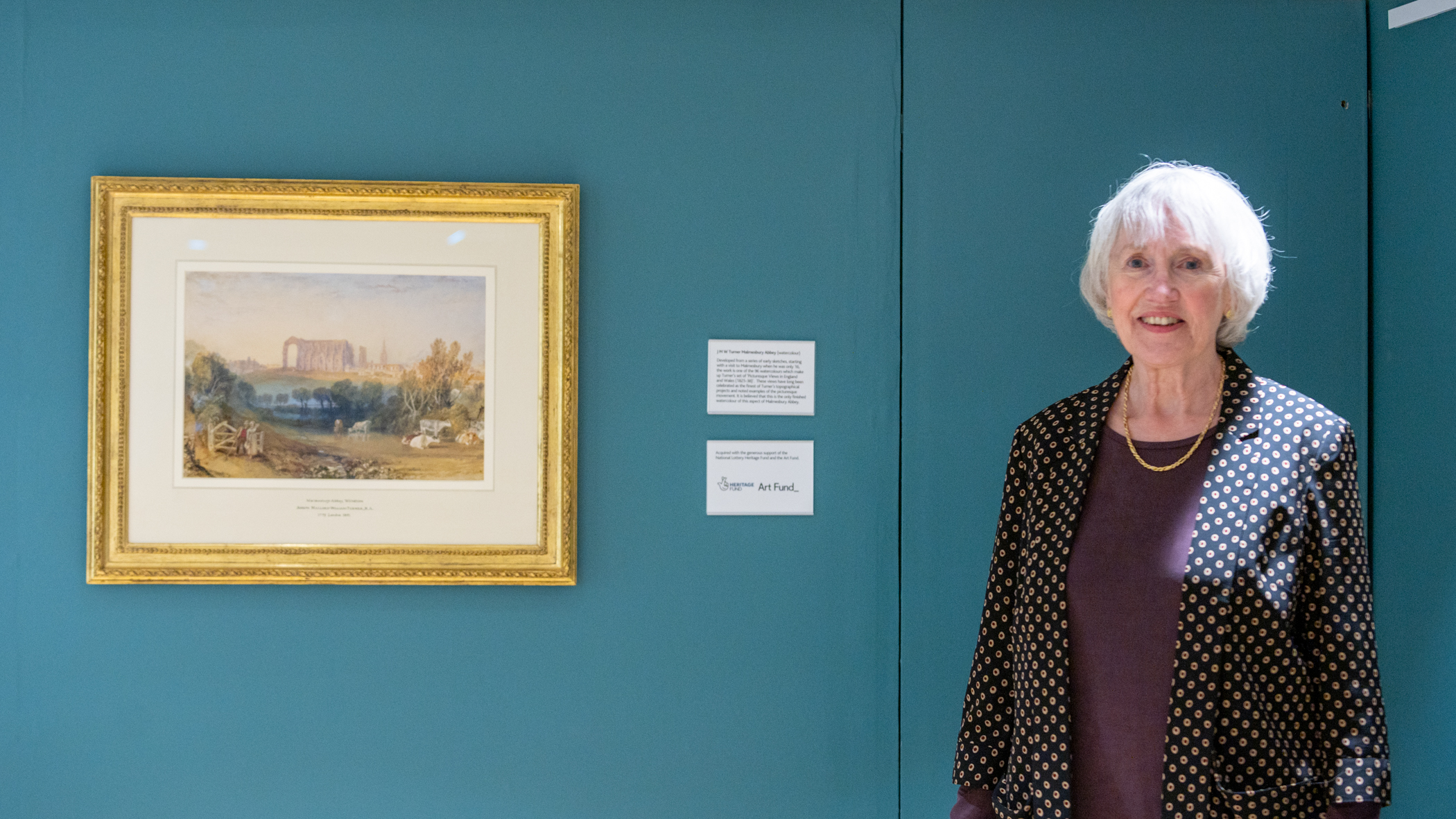
The Turner project began before the Covid lockdowns in 2020. Then the museum sought to buy the painting, “Malmesbury Abbey, Wiltshire”, by iconic artist, JMW Turner. The artwork, believed to have been painted c.1827, hadn’t been on public display since 1833. It was at risk of falling into private hands and taken abroad had the museum team not acted.
After thousands of hours put in by volunteers, the museum managed to secure £150,000 from The Art Fund. Then a further £275,000 from the National Heritage Lottery Fund (NLHF), allowing them to acquire the painting.
Eleanor McGrath, head of grants at the Art Fund, said the determination of a small, volunteer-run museum such as the Athelstan to get the painting was bold and ambitious.
It represents the fantastic community behind the work of art itself,’ she said.
About more than a painting on the wall
The Turner Project didn’t mean simply acquiring the painting. It came with a whole range of activities. These included a programme of events, activities, exhibitions and outreach for the community.
It began with a formal exhibition opening. Then came Saturday morning sessions to introduce the painting to viewers. There were partnerships and outreach with local schools. All as well as monthly art sessions facilitated by the museum’s resident artist for people living with dementia and their carers.
When the Covid-19 pandemic arrived and the lockdowns affected the public’s ability to visit museums and galleries, some aspects of the project became a challenge to deliver. Thus the museum team had to rethink some of its plans.
‘Covid meant that, in some respects, the project had to take a different path to that expected,. says Susan Mockler, vice-chair of the Athelstan Museum management team. ‘But, we remained committed to delivering a worthwhile, interesting and legacy-minded programme. One that could work with the challenges of the pandemic and we’re thrilled it has achieved significant and, in some cases, unexpected positive outcomes.’
Reviewing the situation
To ensure the project remained in keeping with its original intentions and scope the team adapted the programme. They relocated some of the planned talks and activities and tweaked others.
‘It was vital to us that the painting coming to live at the Athelstan equalled a gain for the whole community and the wider general public, not just the museum, ‘says Susan Mockler.
Since the lifting of lockdown, the Athelstan has seen a large increase in its visitor numbers because of the acquisition. And a greater number of people than ever before coming from outside the area. 77% of people who visited the Museum in the last year did so for the first time. This shows the significant part the Turner has played in the growing reputation and standing of the Athelstan.
A diverse diversity programme
Sharon Nolan, Chair of the Museum’s trustees said:
‘Thanks to volunteers Susan Mockler and Sue Poolman, Athelstan Museum’s Turner diversity programme has been a huge success. In spite of having to adapt initial plans because of Covid and other setbacks Susan and Sue used the Turner watercolour to inspire a diverse range of people to enjoy making their own paintings.
‘They took Turner to people in care homes in the area. And Carolyn Brothwood worked with Malmesbury School to organise a programme with students. They created their own artwork, some of which we’ve showcased alongside the Turner in the museum. It has been a positive and memorable experience for all involved.’
The project has developed a long-lasting legacy for both the Athelstan and the local community. The painting is now displayed in the renovated mezzanine level of the museum.
The project has developed a long-lasting legacy for both the Athelstan and the local community. The painting is now displayed in the renovated mezzanine level of the museum.
Visitors’ experience has been further enhanced by the museum’s volunteers benefiting from a special training programme. That’s increased their understanding of Turner, the painting and its history. Further, King Charles III, who was HRH Prince of Wales and patron of the Turner Society at the time, recorded an introduction to the museum’s series of talks about the painting. You can see them on the museum’s website.
‘The project is nothing short of remarkable,’ says Susan Mockler. ‘We’ve save the painting for the nation. And further we’ve put on free, public display. More people are now aware of the museum and more than 30,000 people have visited us since we acquired the piece in 2020. We’ve got strengthened partnerships with the local community, including schools and retirement homes. And the Athelstan is in its most robust position for years.’
The report about the success of the project will soon be available. For more information about the Athelstan Museum visit https://www.athelstanmuseum.org.uk
See also: