The GWR or Faringdon Road Park
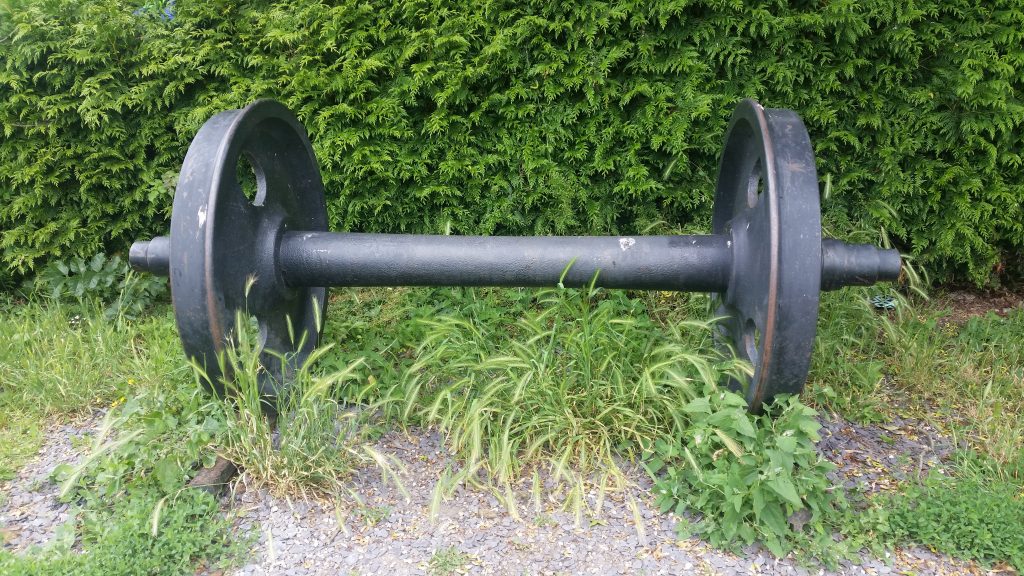
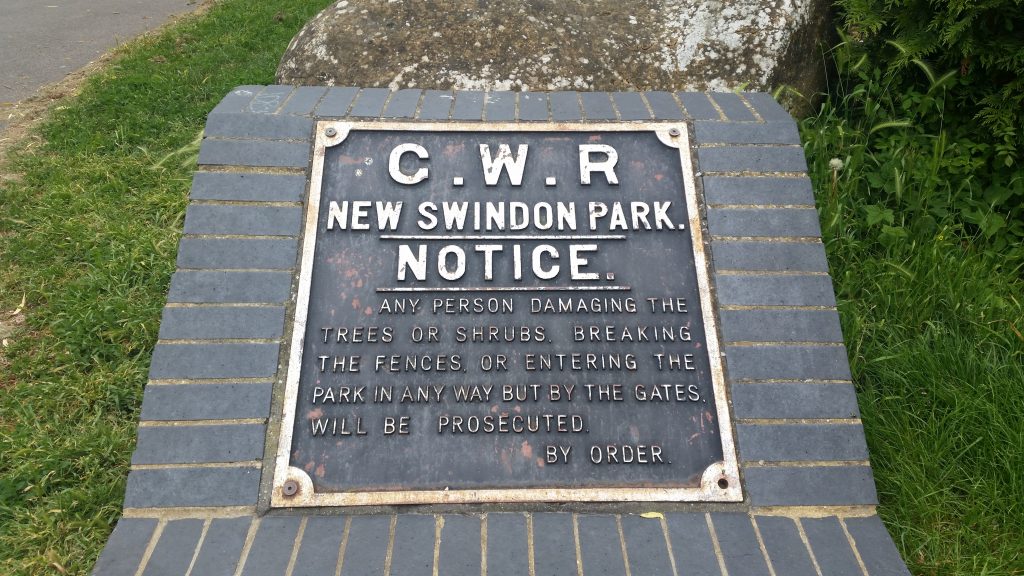
The GWR Park, Swindon’s oldest dedicated park, in the centre of Swindon’s award-winning GWR Railway Village conservation area began life in 1844 as a cricket ground. In that year, the GWR bought land from Lt.Col.Vilett, a local landowner. That land, to the west of the new Railway Village, between Faringdon Road and St Mark’s Church became first a cricket ground and later the GWR Park – known also to some as The Plantation or Victoria Park. Or Faringdon Road Park.
Aside from cricket, the park played – and still does play – a big role in the social life of the the railway village residents and wider Swindon. As such it occupies a special place in Swindon’s history.
Before 1841
Where the park and the GWR railway village lie used to be open farmland. Colonel Villet, mentioned above, owned two pasture fields that provided the land for the park. They bore the names Rodbourne Lane Ground and Part of Great Ground.
1841 – 1870 – The Railway village and cricket field
1843 saw the GWR open a factory at Swindon for the building and maintenance of trains. At the same the first 300 cottages of the railway village appeared to accommodate the new workers. In 1844 the GWR bought a little over seven acres of further land to give space for or houses, a church, a vicarage, a church hall and a cricket ground.
The Children’s Fete
The Children’s Fete is Swindon’s oldest summer event – dating back to 1866. Organised by the Mechanics’ Institution, it ran until 1939 – except during the Great War. And was only halted by the outbreak of WWII. In 2003, the Mechanics’ Institution Trust revived the tradition and have run it most year’s since.
In 1903 the Children’s Fête was described as the ‘event of the year’. Around 30,000 took part and by 1907 40,000 people attended.
The Trust maintains the tradition of providing a free piece of cake to all the children attending. Thus, the event has once again become a popular and recognisable part of Swindon’s social calendar.
Sadly, the ornamental, formal gardens, along with the cricket pavilion, the bandstand and glasshouses are long gone. There’s a lovely archive photo of the park here on the Historic England website.

The park does though have a small play area for tiny tots. And, installed in November 2018, in the park’s northwest corner, a WWI memorial. It affords a peaceful spot for some quiet contemplation.
1871 – WWII – A designed park
During this period the open character of the cricket field morphed into a civic park – much like Town Gardens. There came a park keeper’s lodge, glasshouses, fountains and formal gardens.
Also around this time there appeared a drill hall in the parks’s north-west corner for the 190 men of the 11th (Wilts) New Swindon Rifle Corps.
Records show the park in frequent use for cricket, athletics, cycling and rugby. It was often a venue for the New Swindon and GWR Cricket teams. And also the New Swindon Wanderers rugby team.
During the Second World War the entire northern edge of the park was given over to trenches and/or shelters. The park had heavy use for drill practice and it’s said that fairground rides were put up in the park throughout the summer.
The park’s decline
Post war many of the park’s features were lost or removed – the bandstand and pavilion included – by 1956/57. The lodge and glass houses remained until much later though as you can see them on Ordnance Survey maps from 1067-71
A park with a view
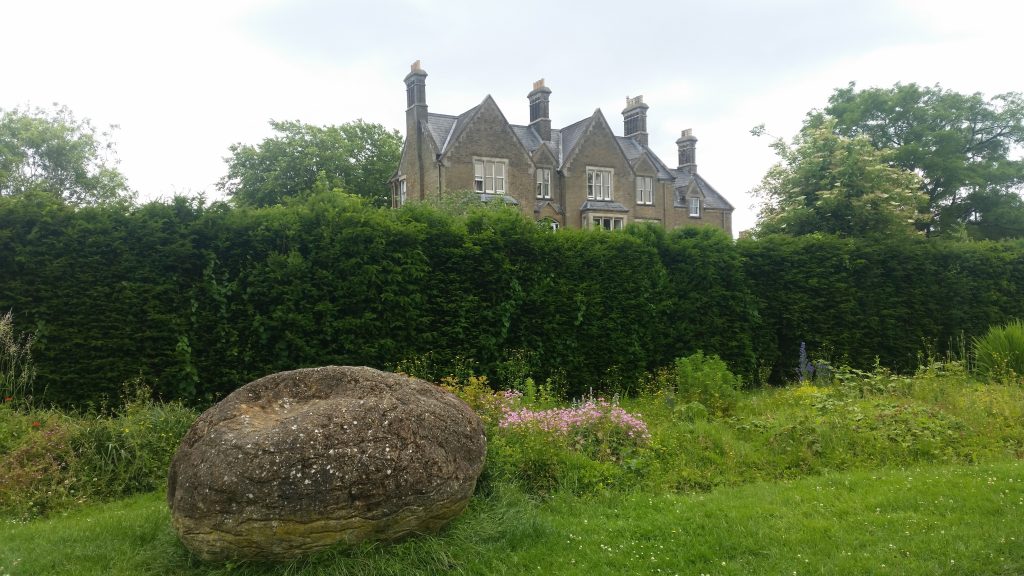
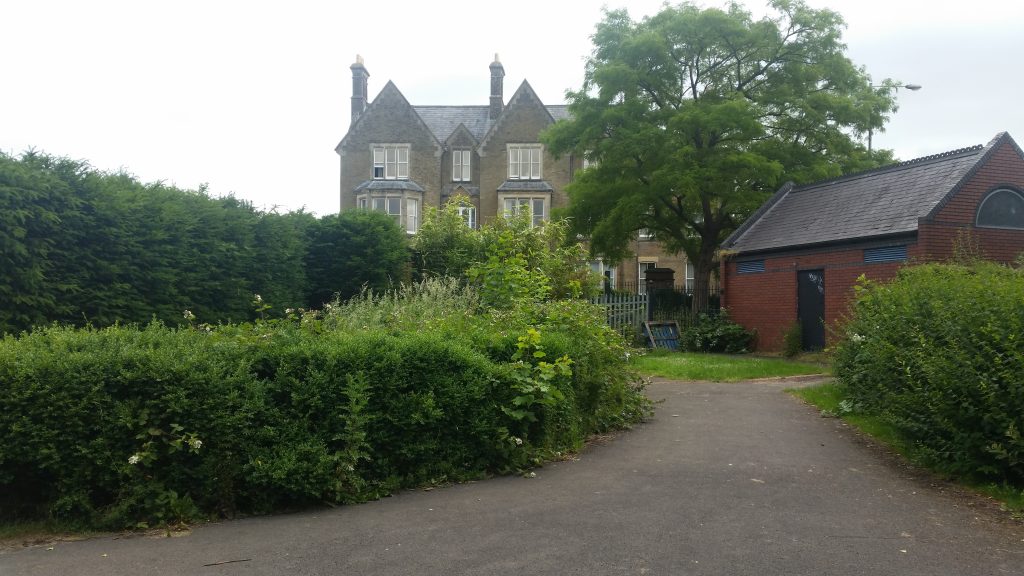
What makes this park stand out is what you can see from it. As you walk around the park you can see several of Swindon’s land marks. There’s the water tower and UTC, St Mark’s Church of course. Then there’s Park House and – towering over everything, the David Murray John Tower. Not forgetting the view up to Radnor Street cemetery.
And besides all that, and despite the fact that the glasshouses and ornamental gardens are long on, it’s a lovely park. As soon as you’re a few steps inside it the traffic noise of Faringdon Road recedes and it’s all tranquil greenery.
He’s Out!
This 2015 article from the Swindon Advertiser reports how the legend that was WG Grace played in Swindon several times – both at this park and at the county cricket ground next to the football stadium.
‘Turning out for Bedminster against Swindon at Greenway Bush Lane, Bristol on May 7, 1870 Grace was caught and bowled for a duck by 25 year-old GWR worker John Laverick.
Back to make amends in the second innings, the Grace’s scalp was again acquired for a big, fat, delicious nought, courtesy of a gleeful Laverick.
Despite Grace’s “non-contribution” Bedminster won by eight wickets.
For a man who batted almost 1,500 first class innings, WG was only clobbered with a double-duck on three occasions.
We don’t know whether Laverick was a fast bowler, a spinner, or whatever. We do, however, know that in a sporting sense the Swindon foundry worker singed a very famous beard.’
How to get to the park
https://www.swindon.gov.uk/directory_record/8465/faringdon_road_park
See also: